
Wildlife AI images
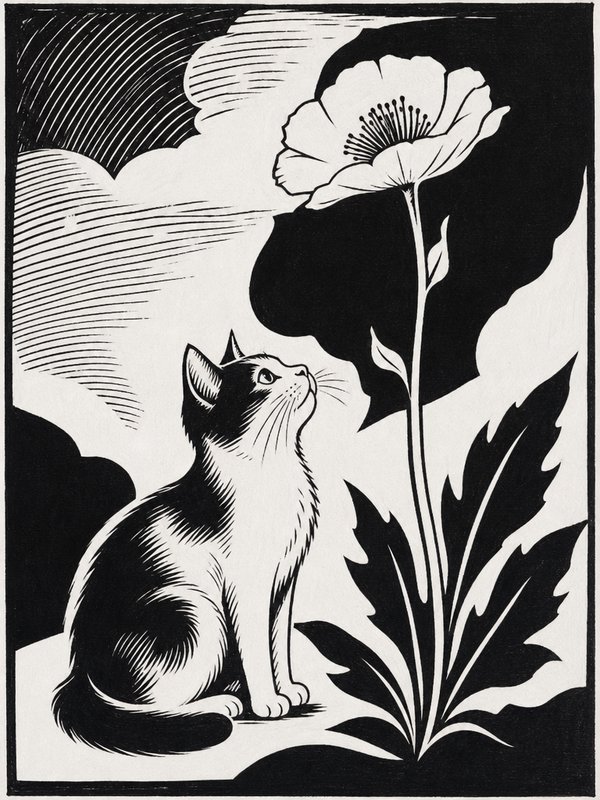
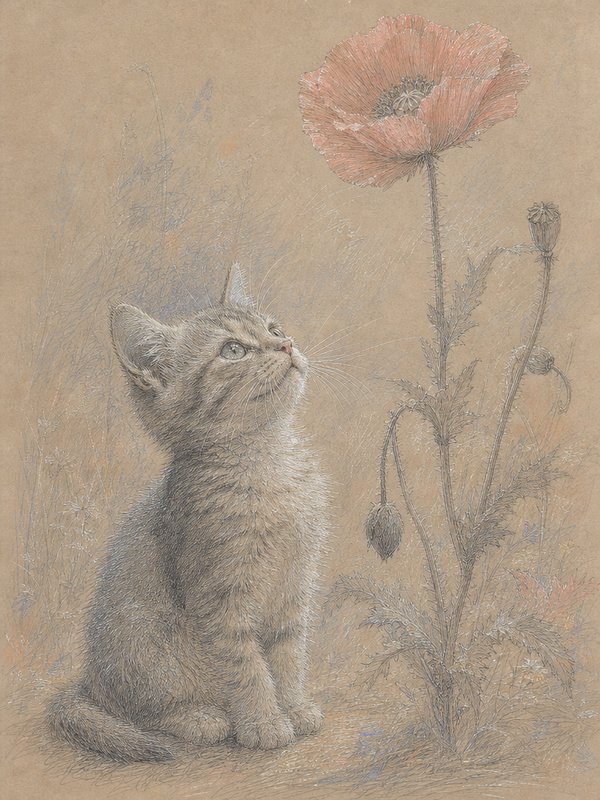
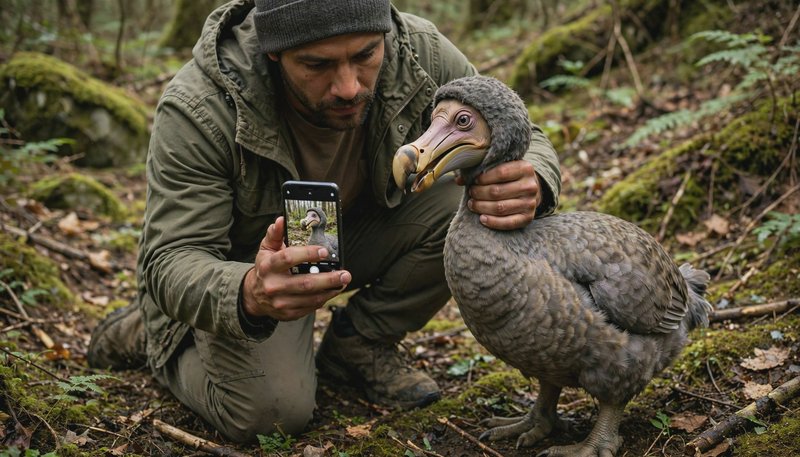
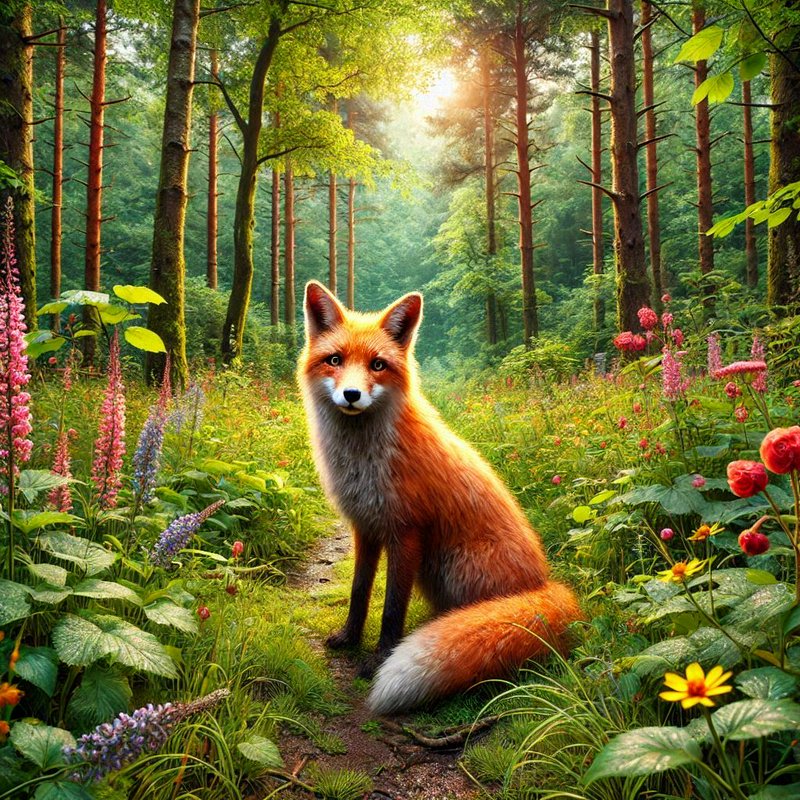
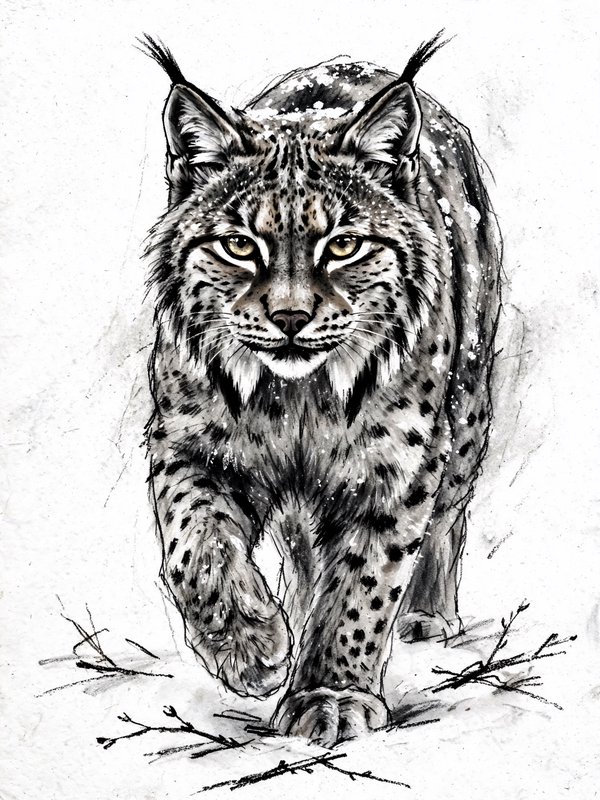
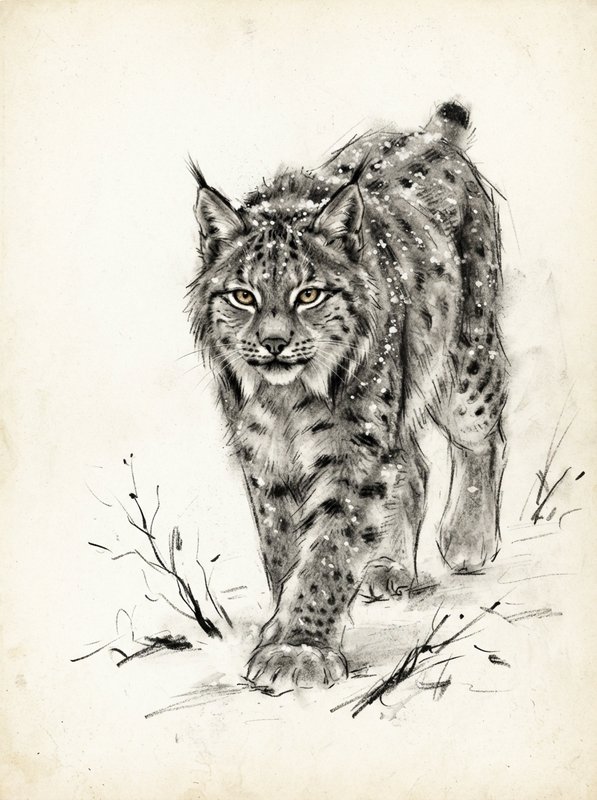
Animals, in habitat and in portrait.
671 published by the BudgetPixel community
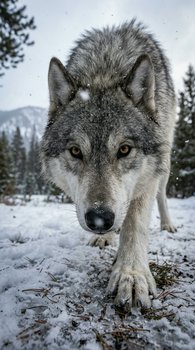
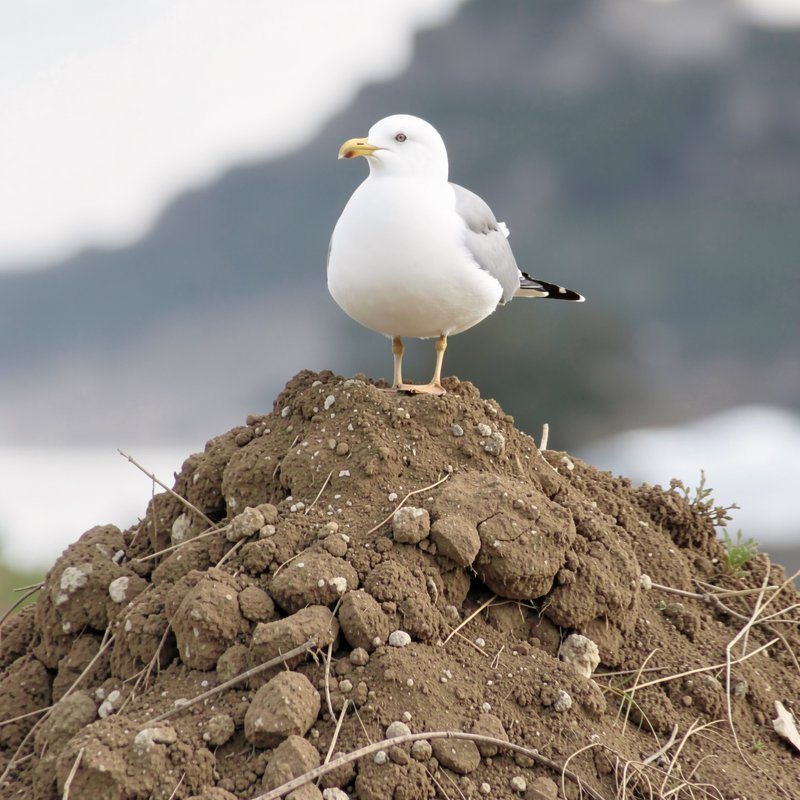
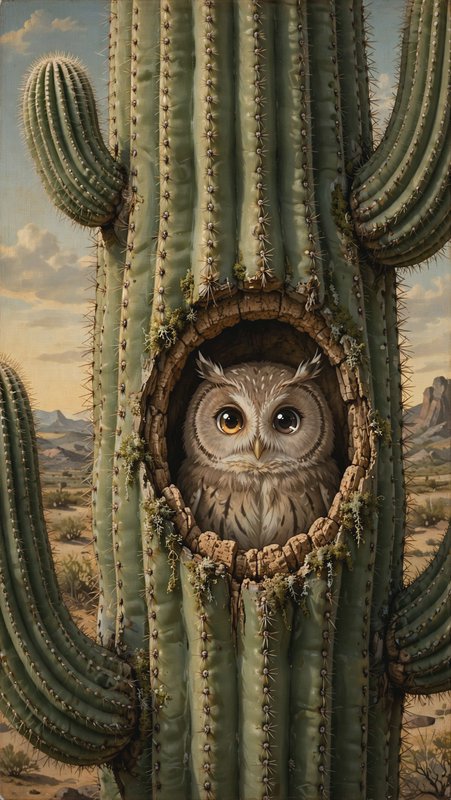
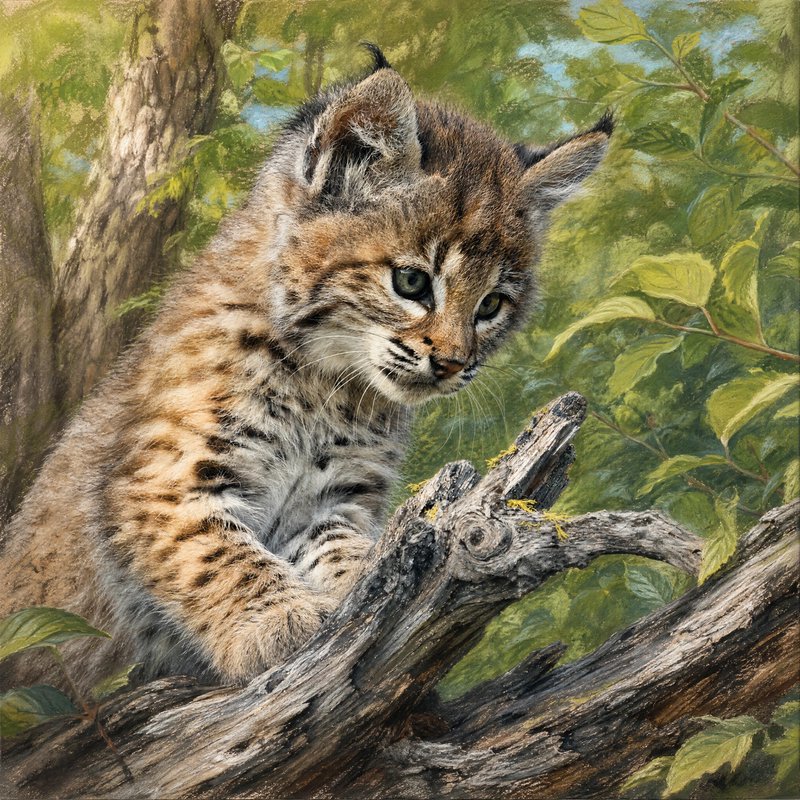
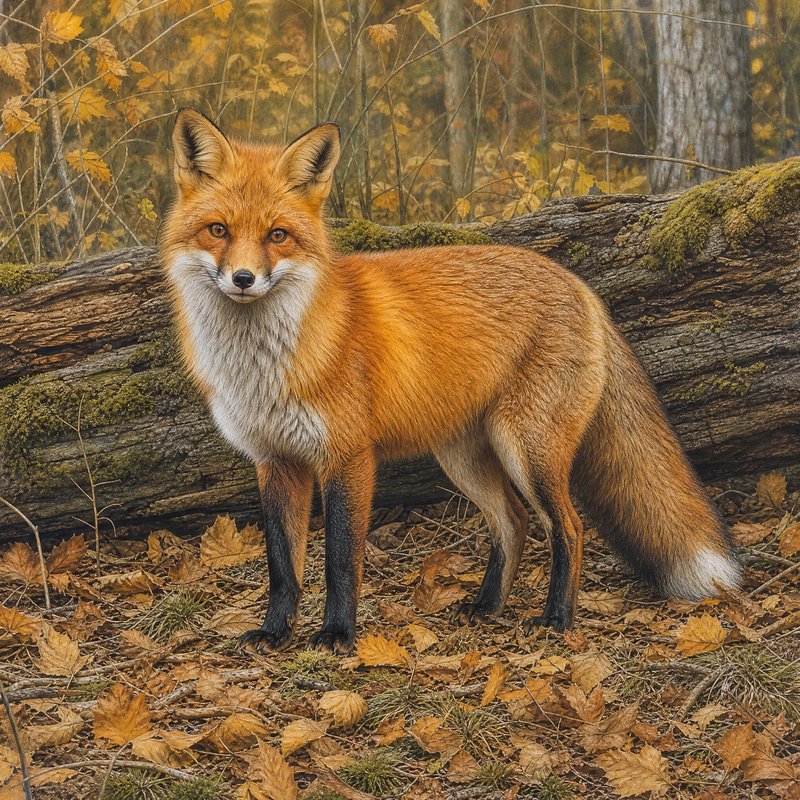
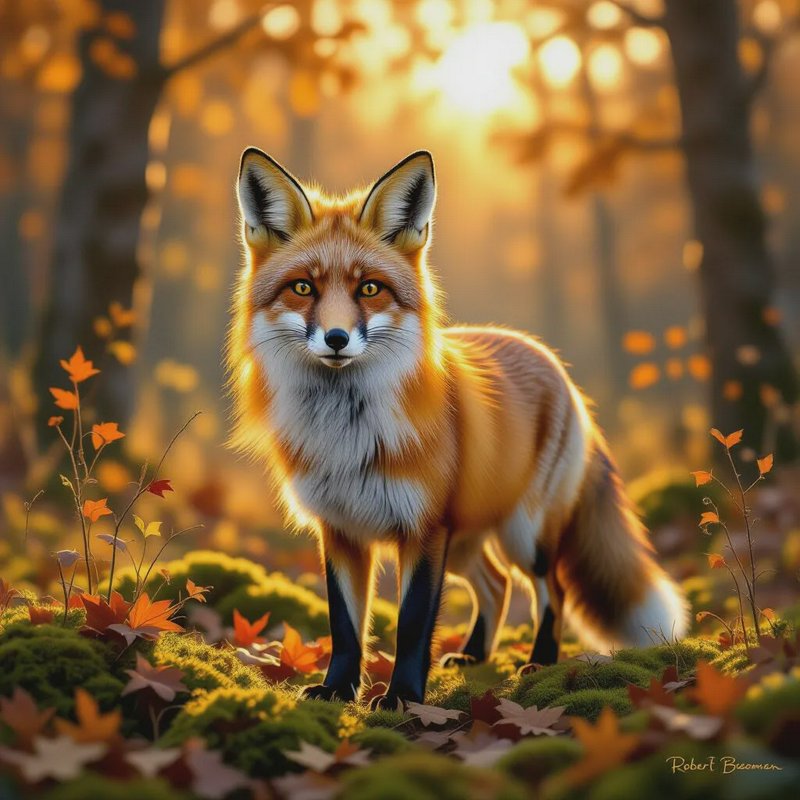
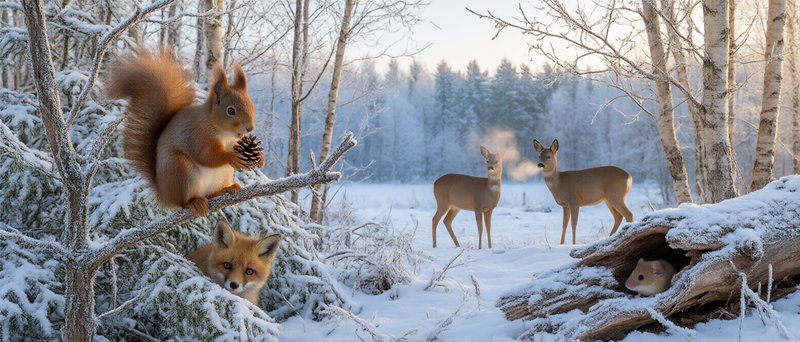
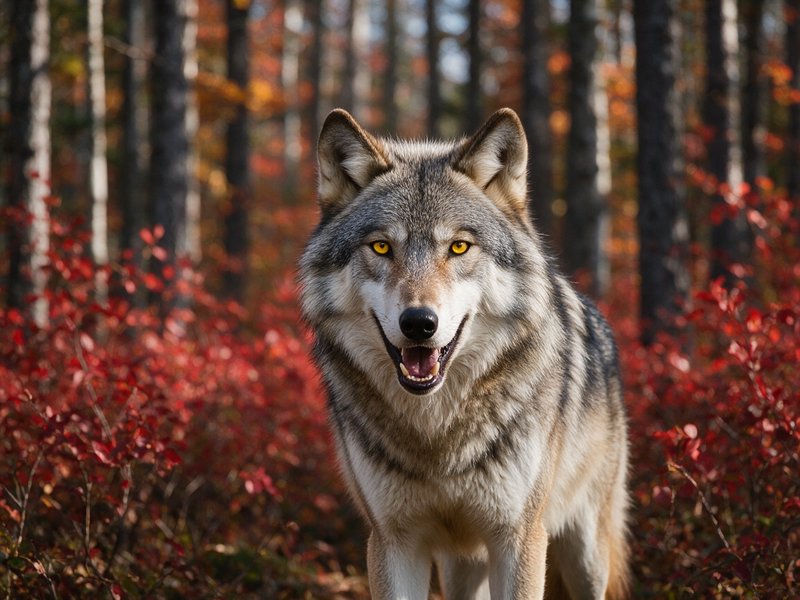
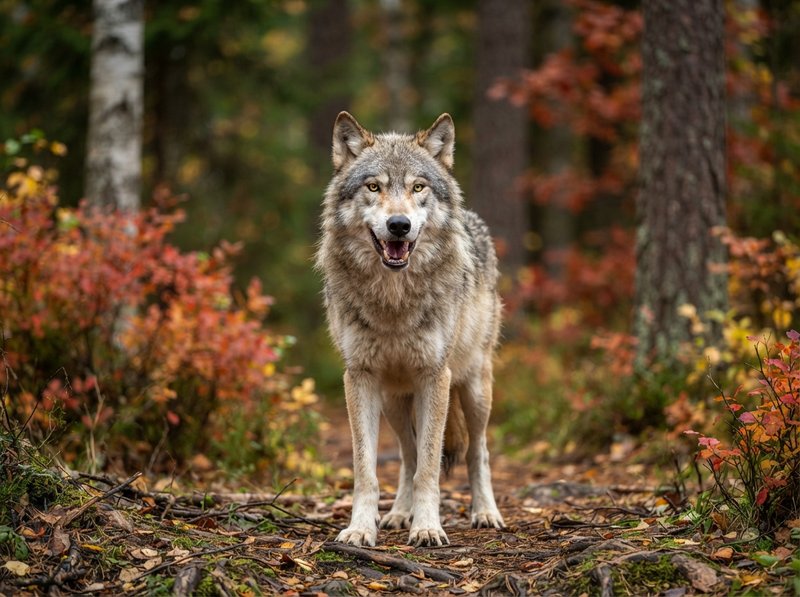
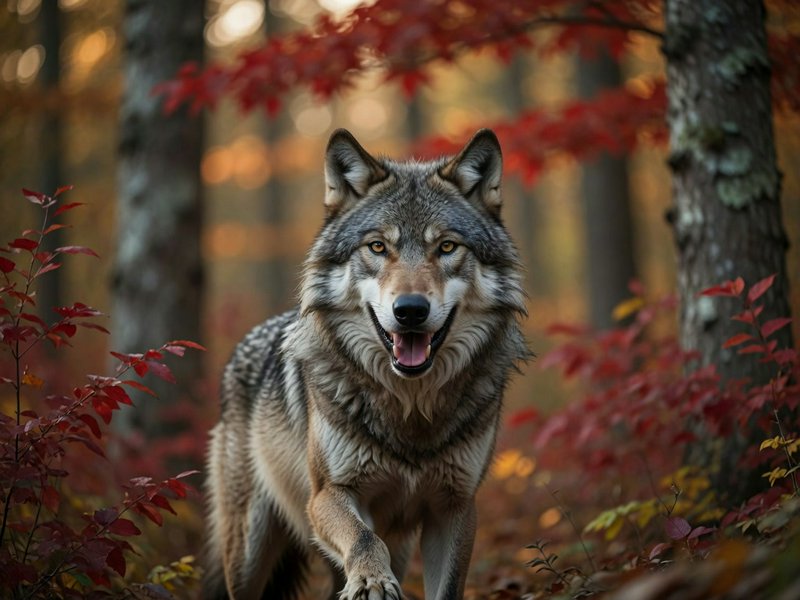
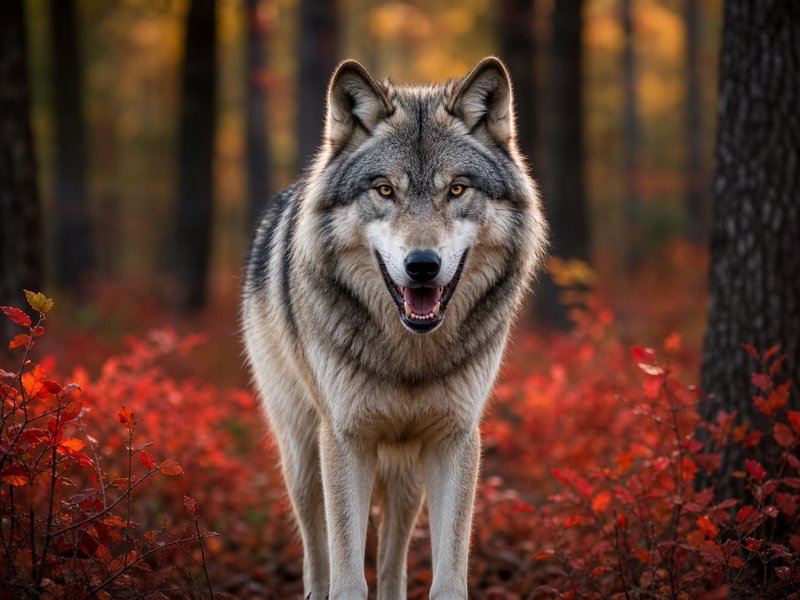
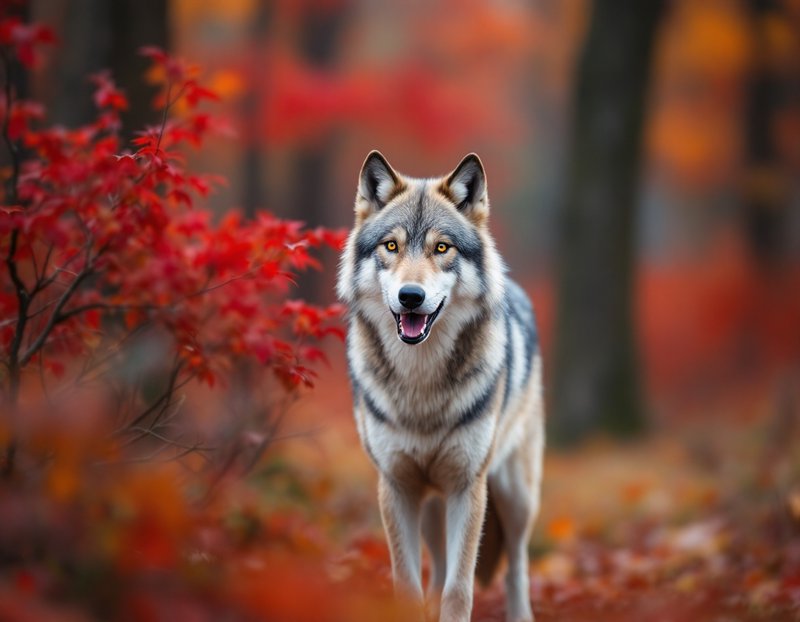
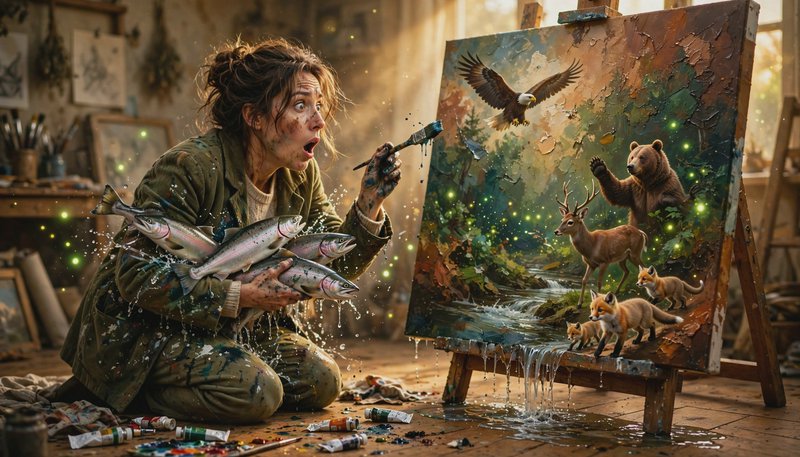
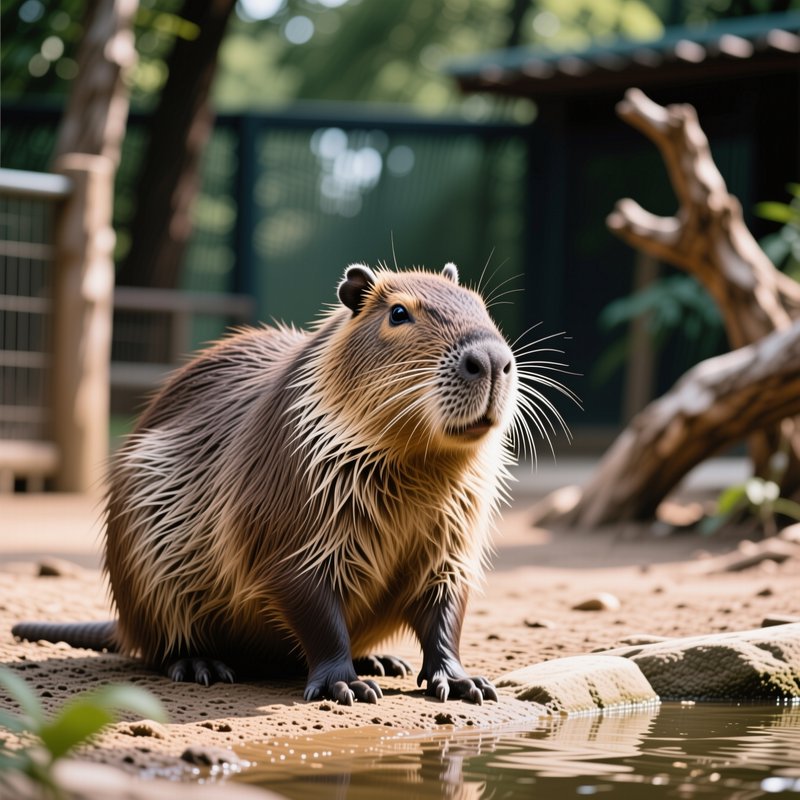
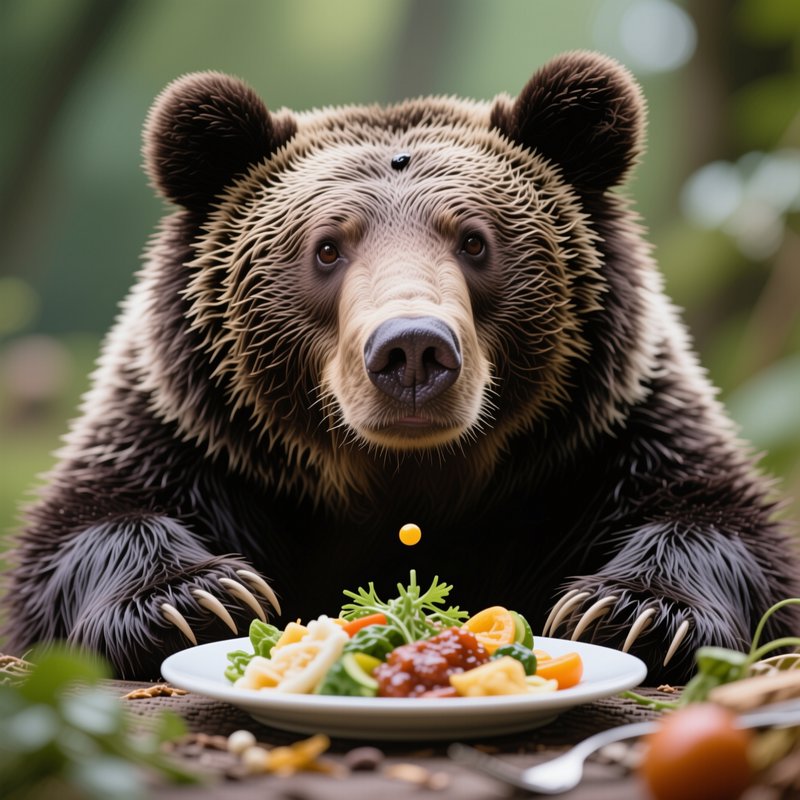
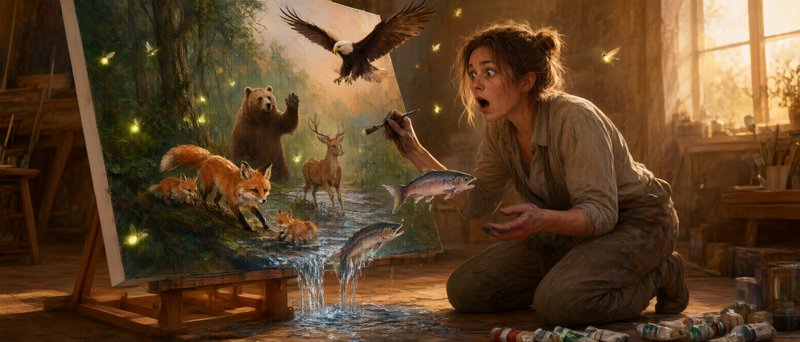
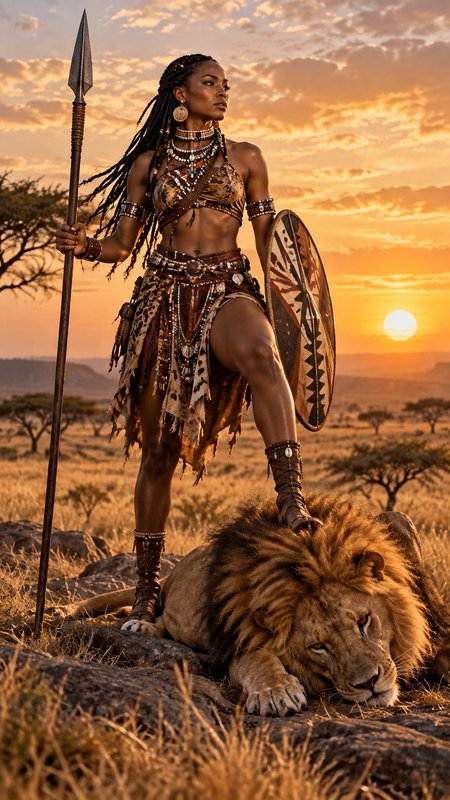
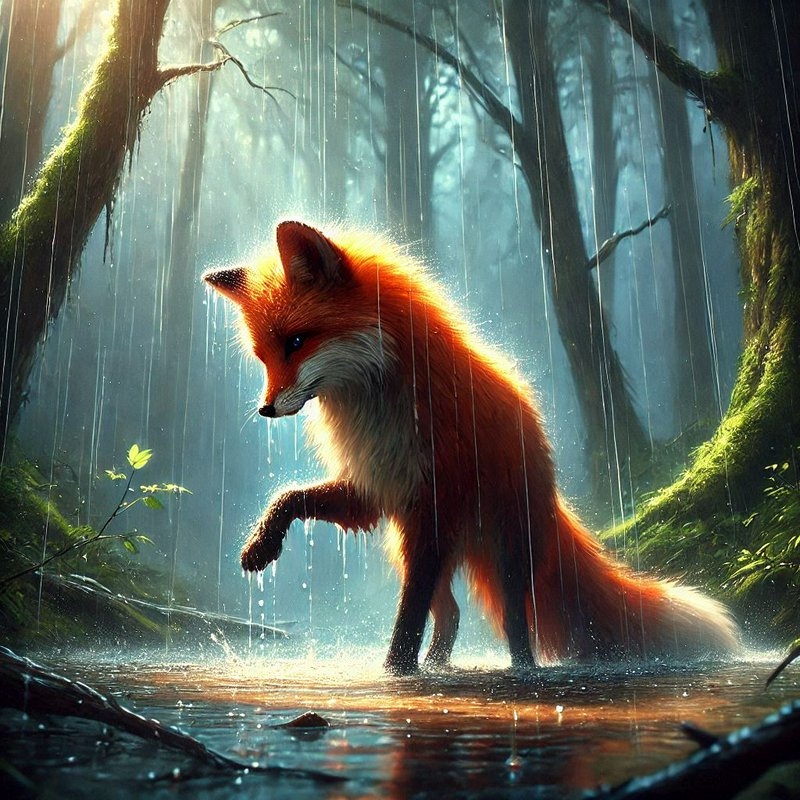
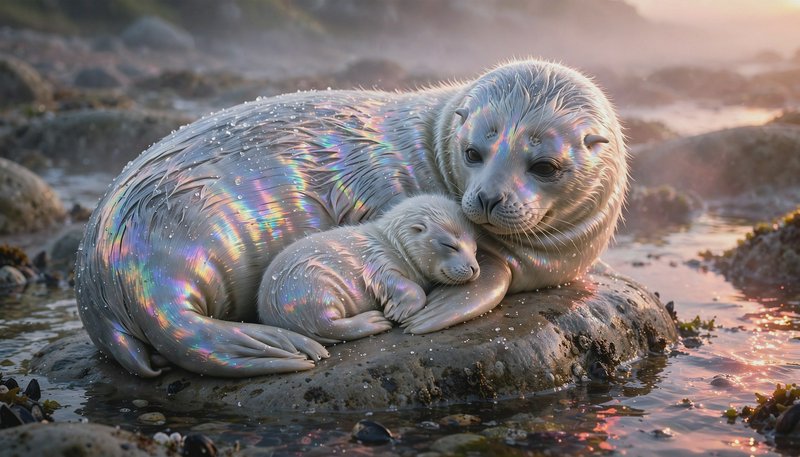
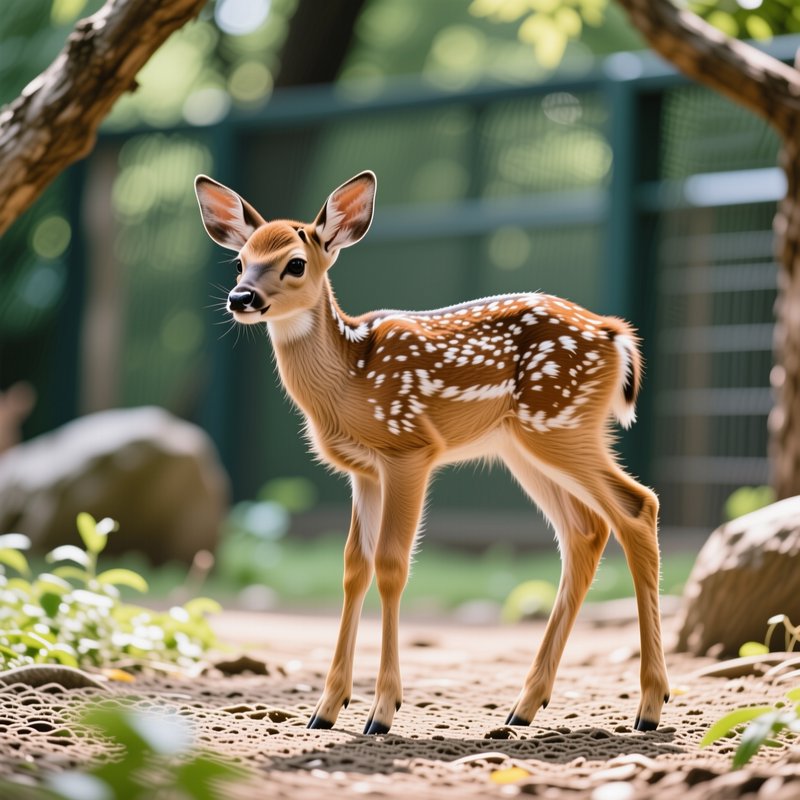
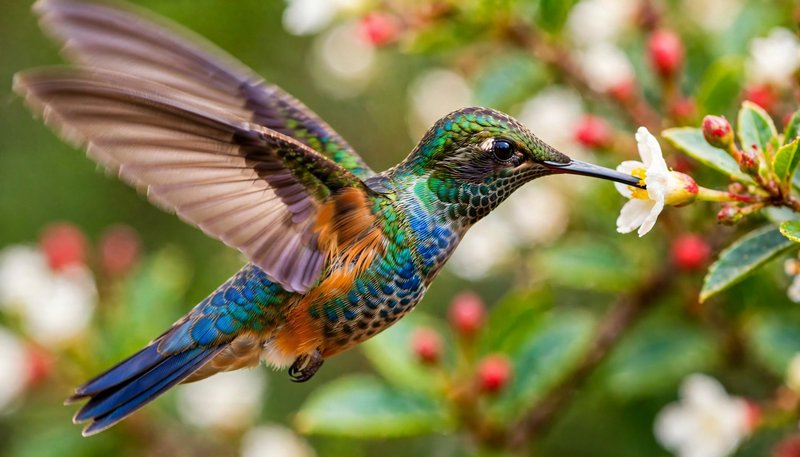
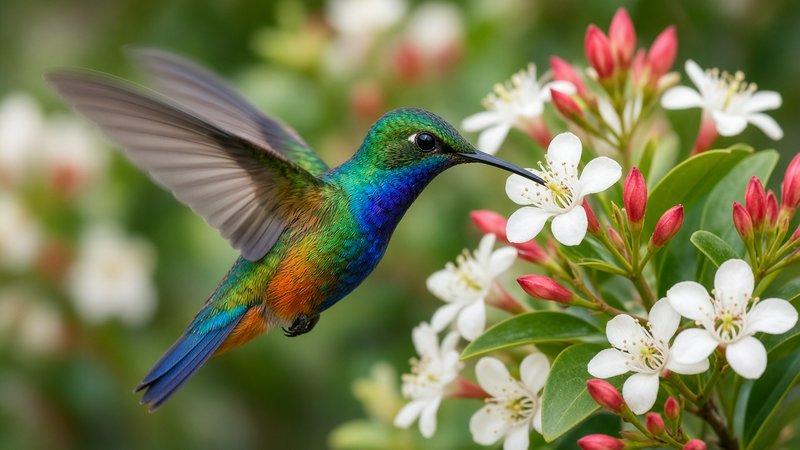
Wildlife imagery shows animals in their own environment, and its conventions come from the practical constraints of shooting one: long lenses, compressed backgrounds, natural light, and a subject that will not cooperate. The visual signature is a sharp animal against a soft, distant background, usually at eye level — which means getting low, since a downward angle is what makes wildlife images look like snapshots.
2 images on this page are published under Creative Commons licences — free to use and adapt, including commercially, if you credit the creator. Look for the licence badge on a tile, or open it to see the exact credit line. How licensing works
Make your own wildlife image
Everything in this grid was generated on BudgetPixel. Describe what you want and the same models will make it.
Start creatingMake your own wildlife image
Everything in this grid was generated on BudgetPixel. Describe what you want and the same models will make it.
Start creating
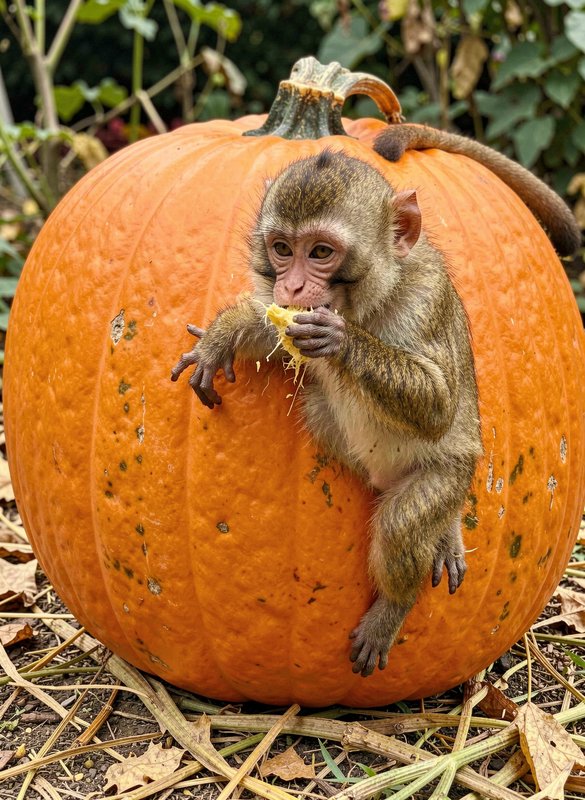
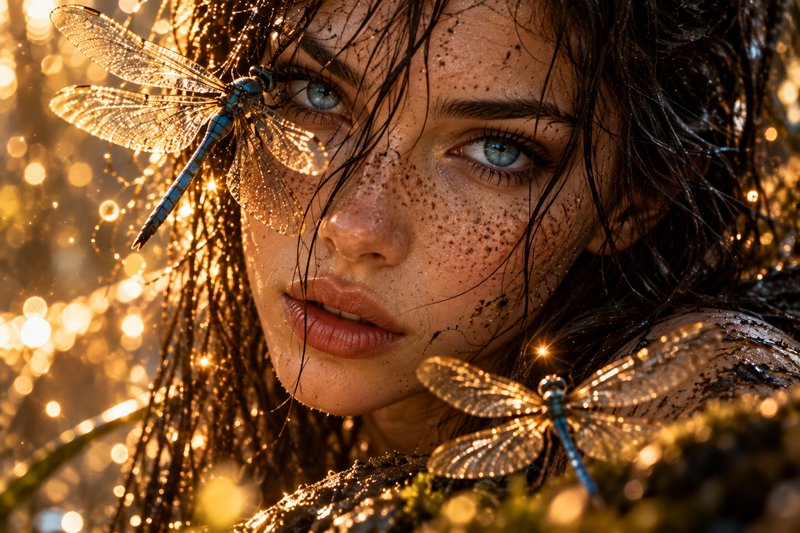
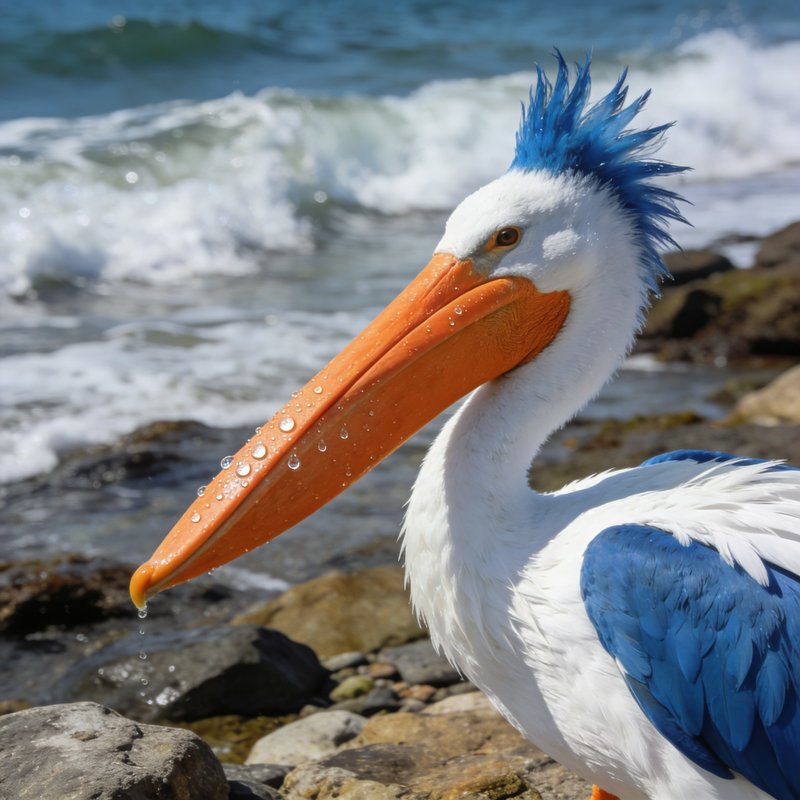
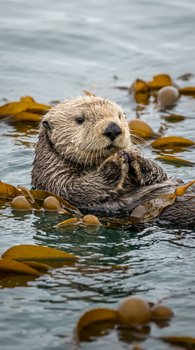
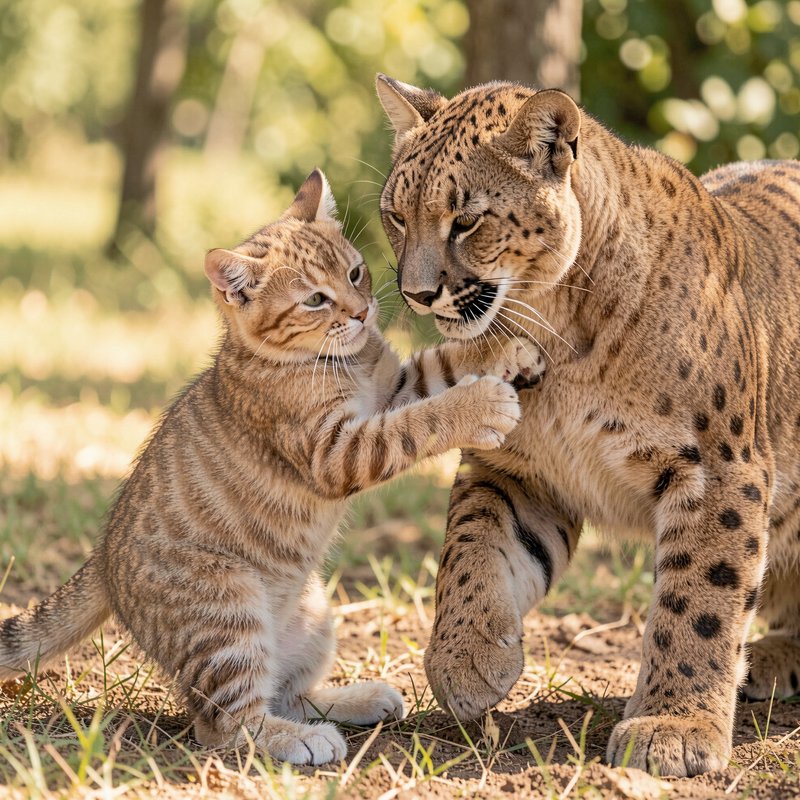
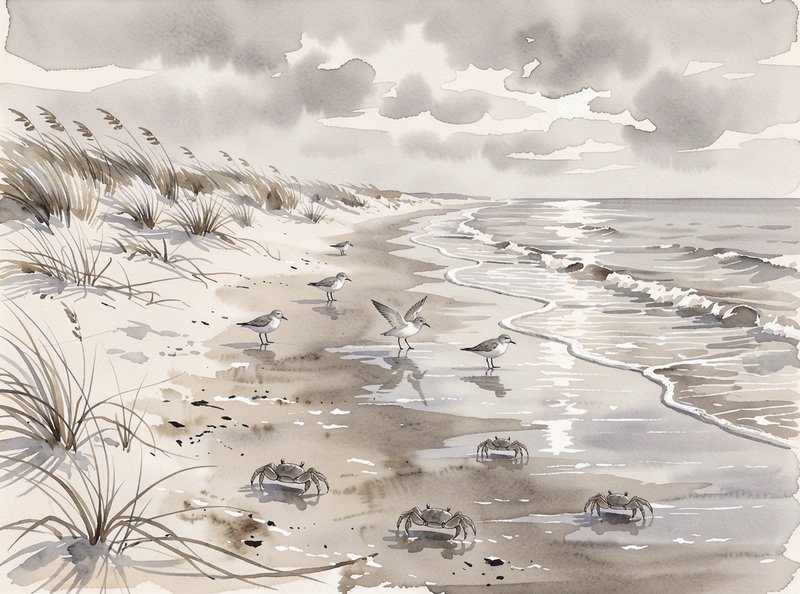
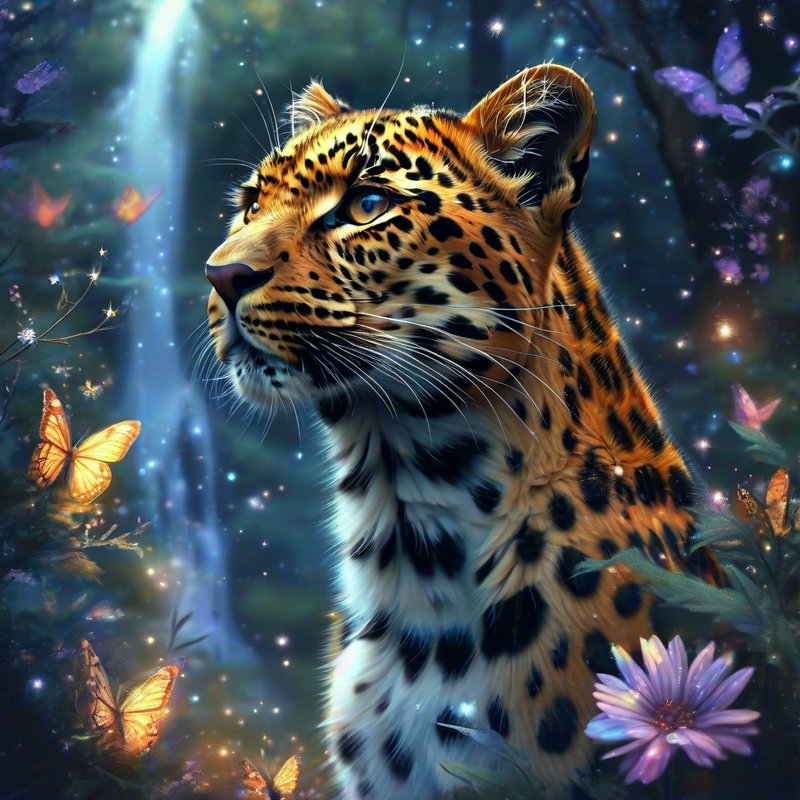
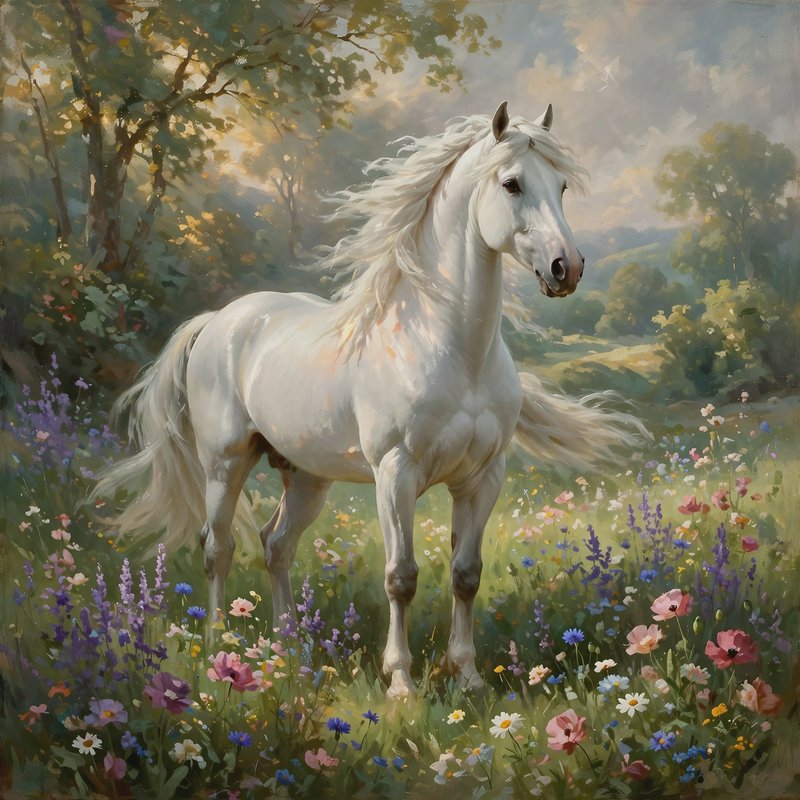
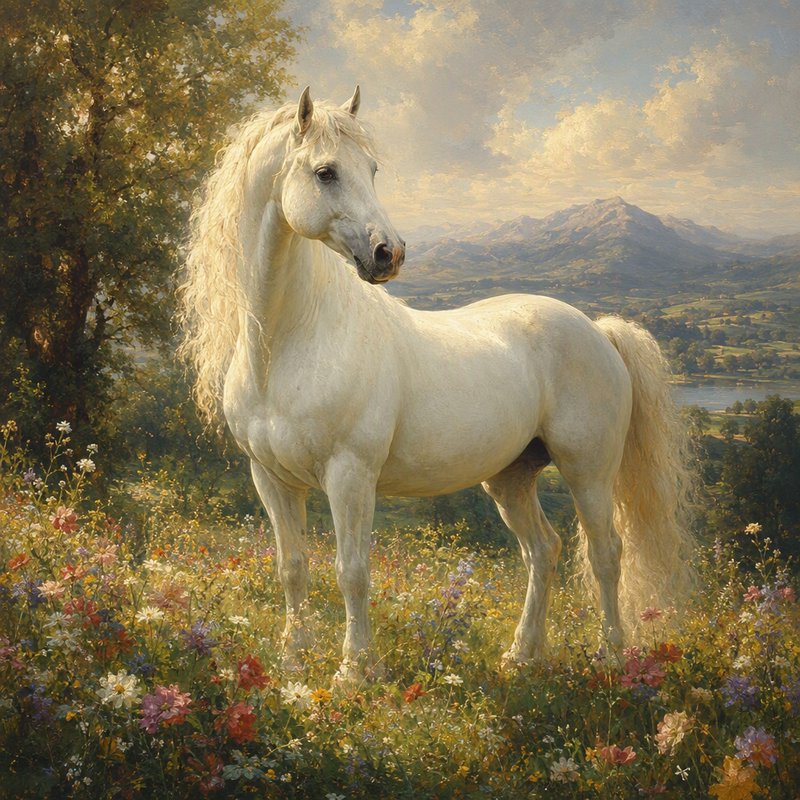
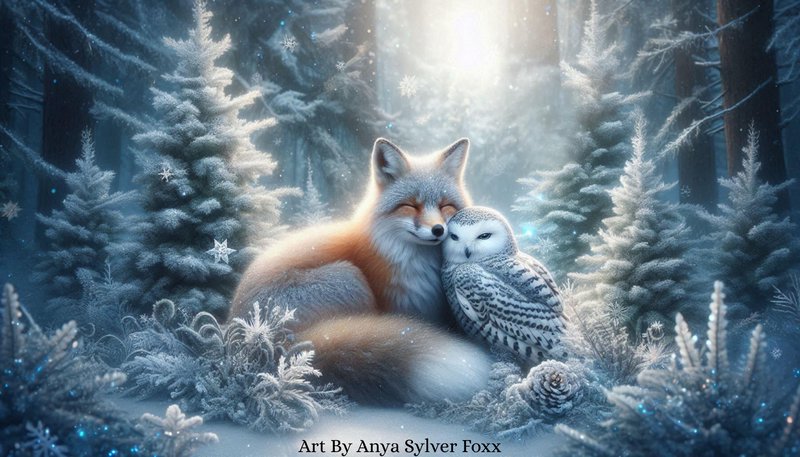
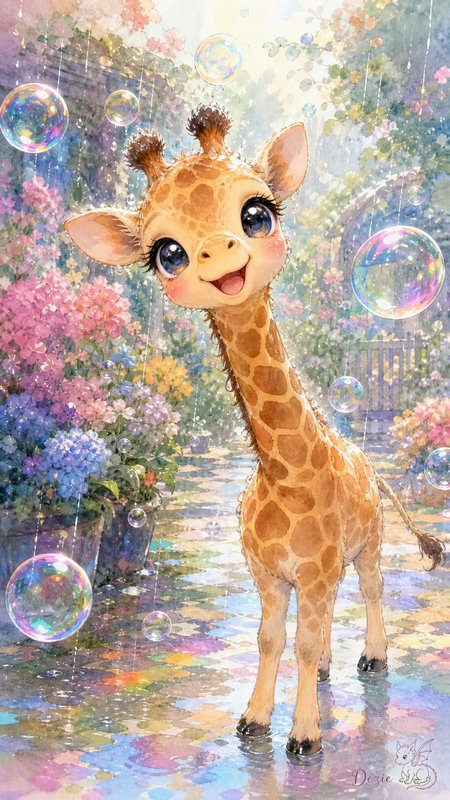
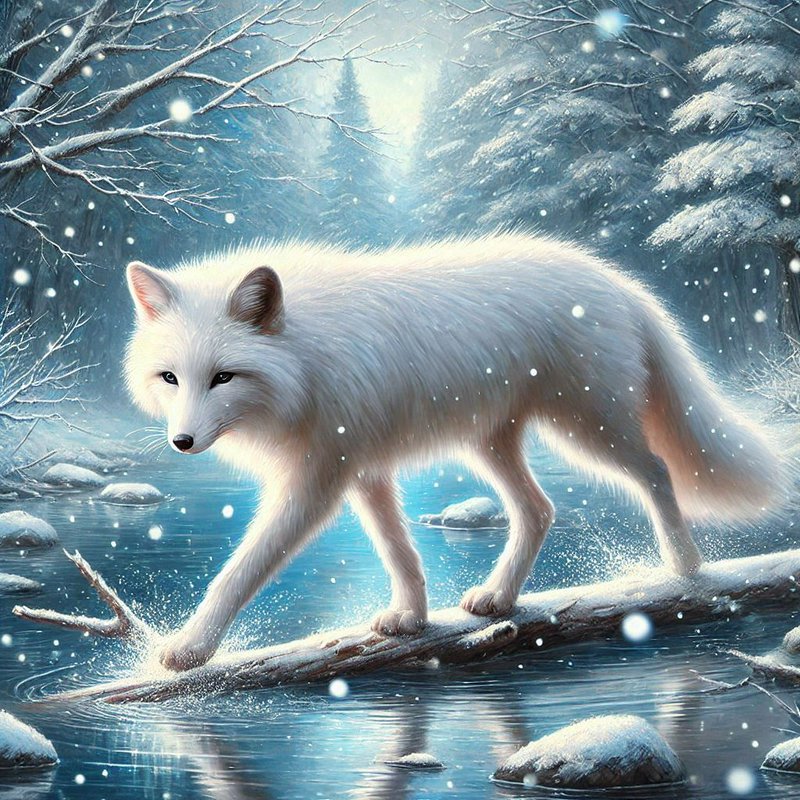
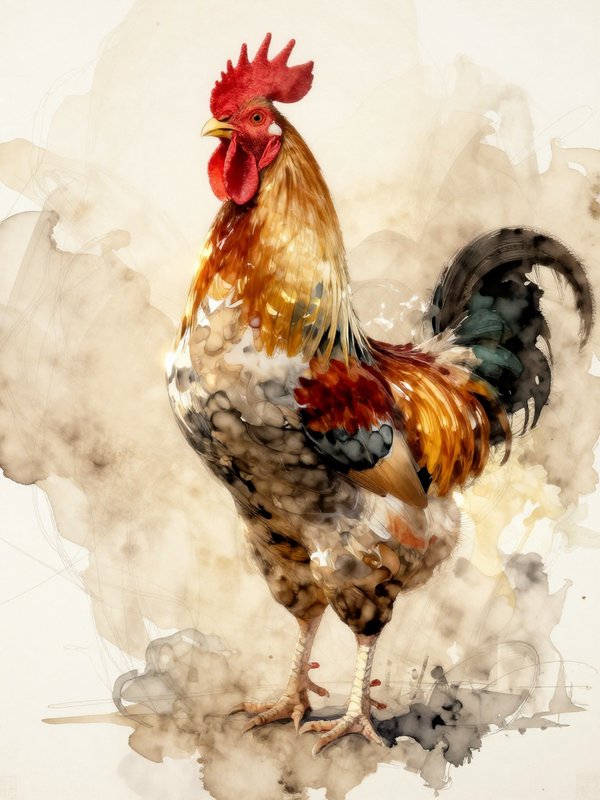
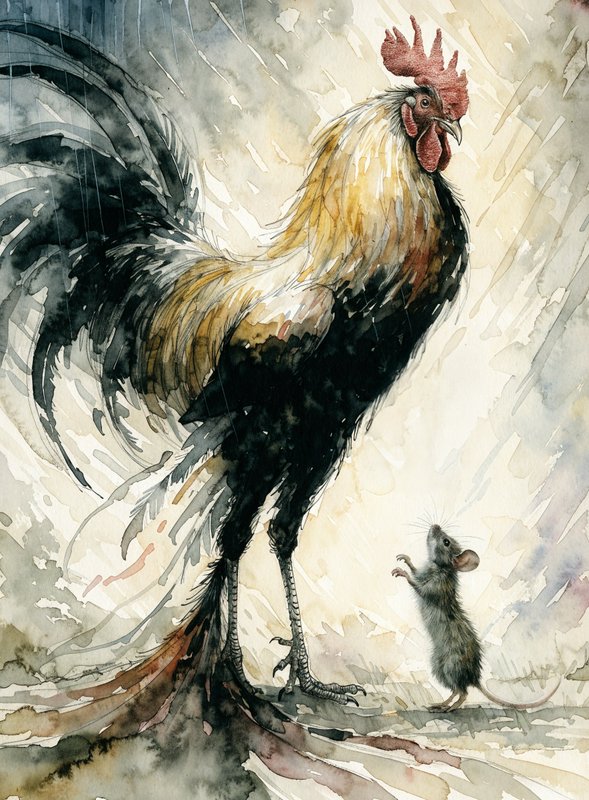
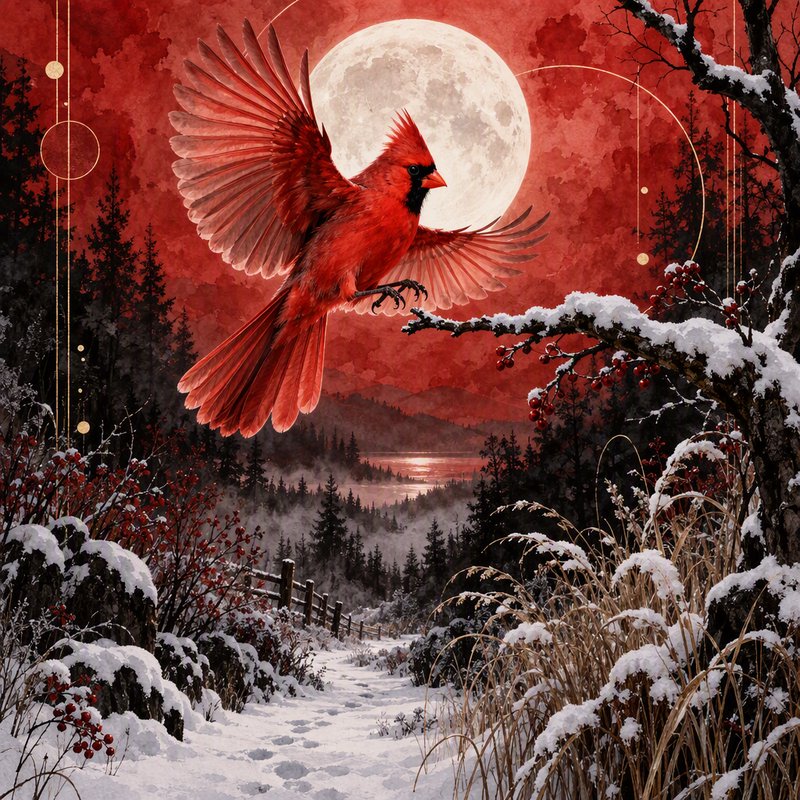

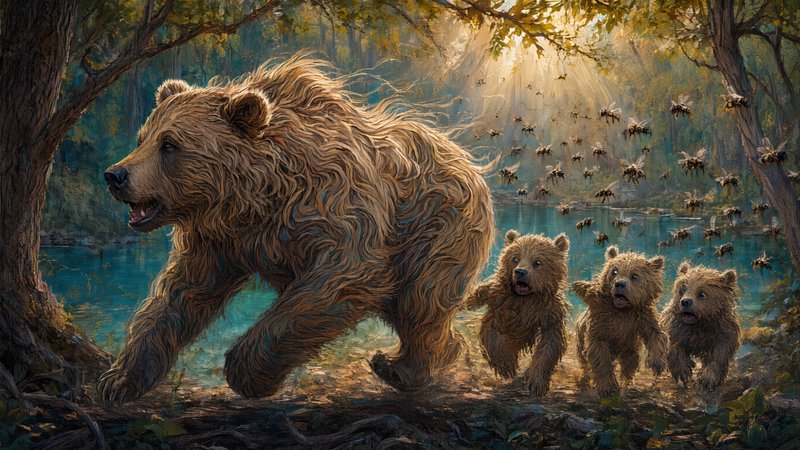
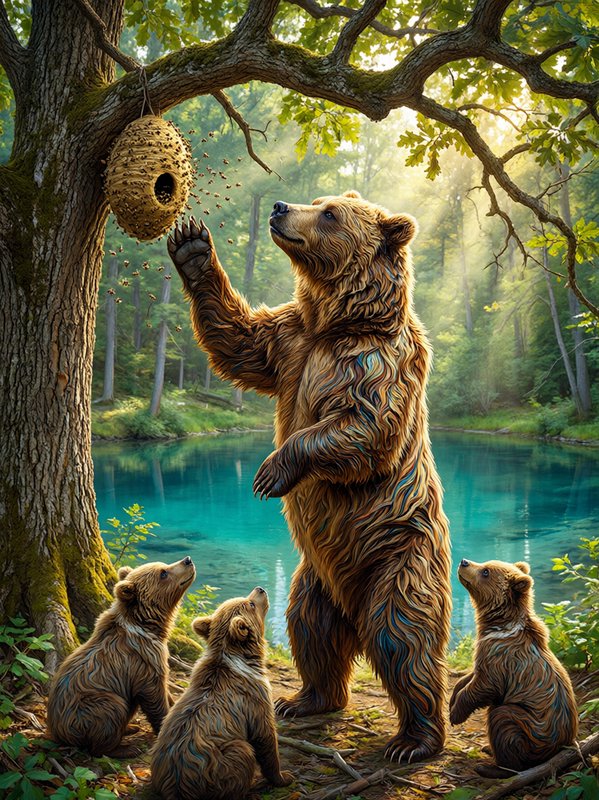
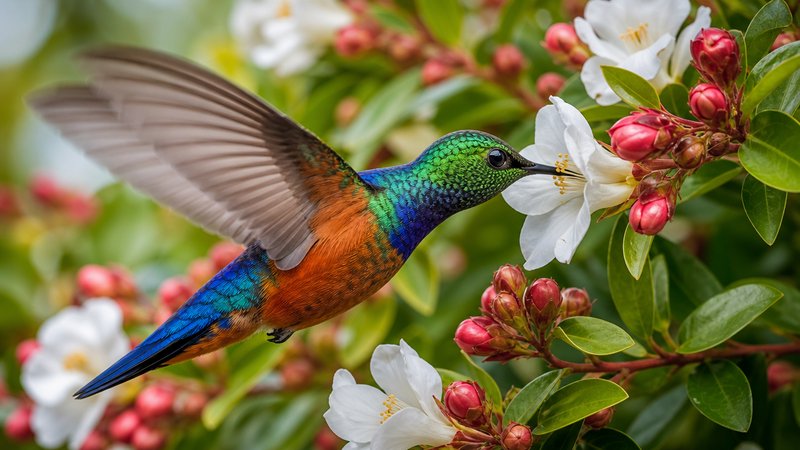
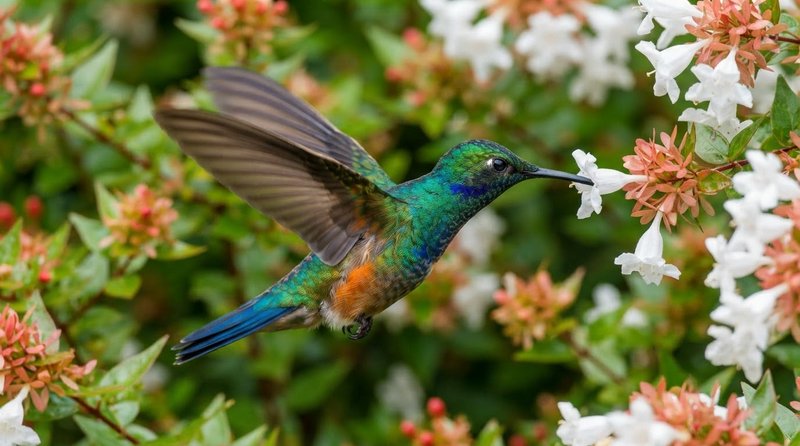
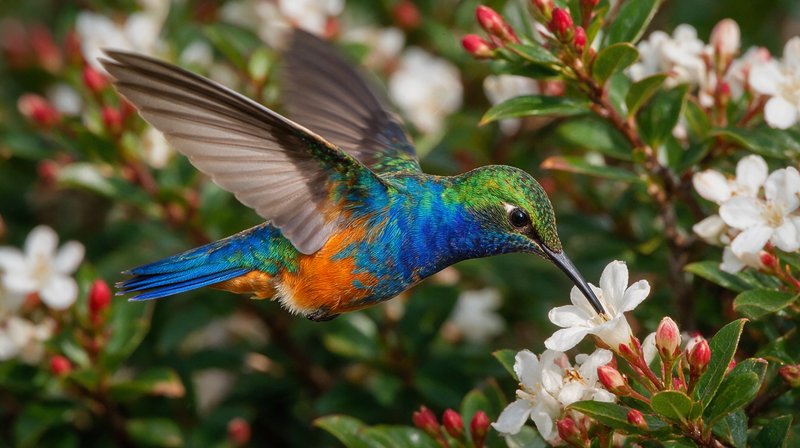
Wildlife prompts to start from
Working prompts, not fragments. Open one to load it into the generator, then change whatever you like.
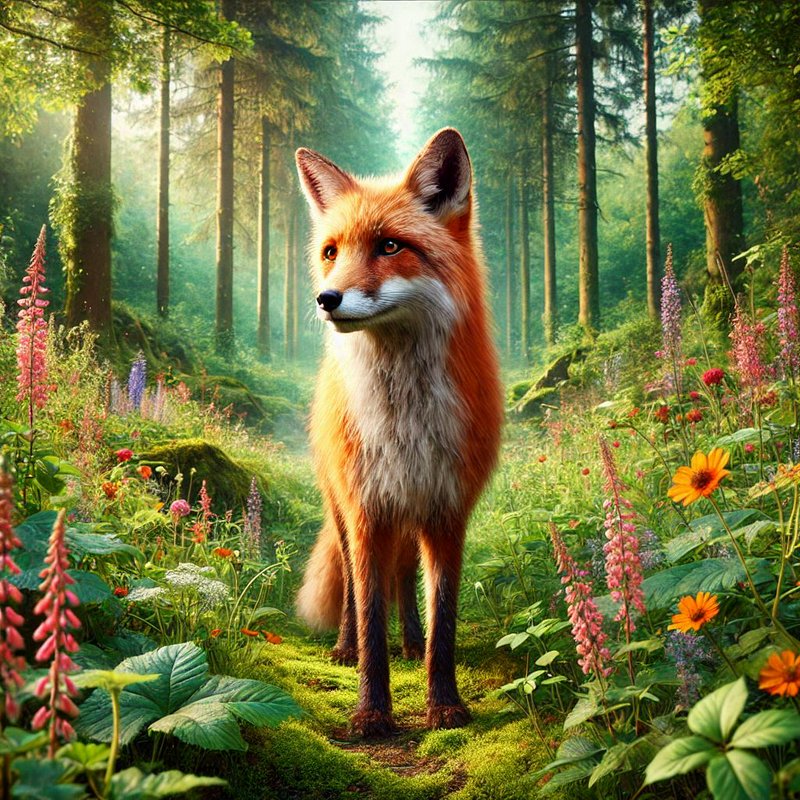
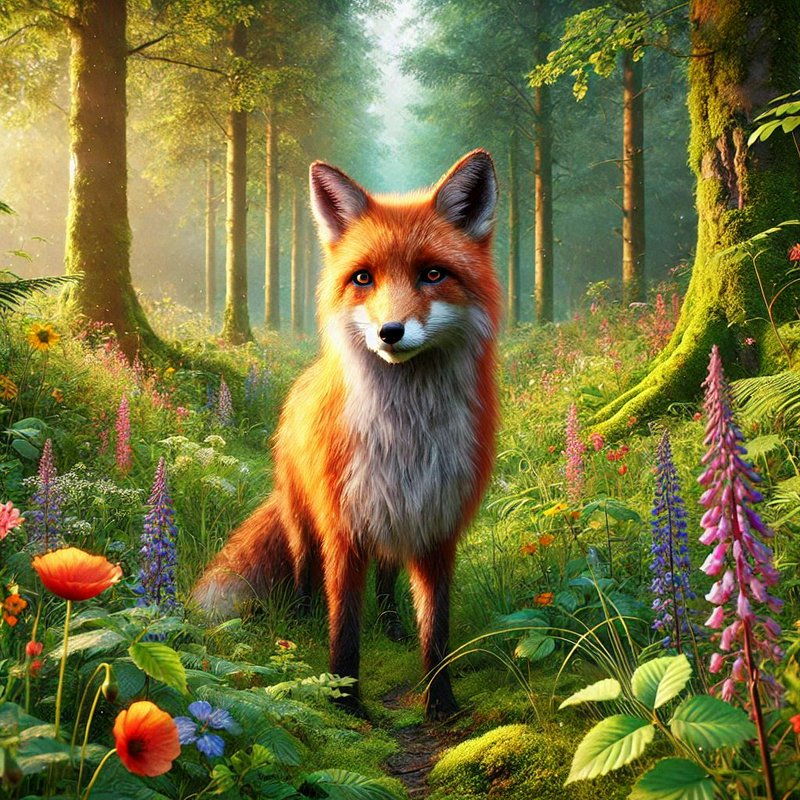
- Red fox at eye level in long grass, 400mm, background completely thrown out of focus, low warm lightUse →
- Heron standing motionless in shallow water at dawn, mirrored reflection, mist on the surface, side lightUse →
- Stag partly obscured by birch trunks, shot from low down, dark forest background, shaft of early sunUse →
Wildlife AI images: common questions
How do I make AI wildlife look like real photography?
Use the constraints of the real thing. A long lens, eye-level camera position, a background thrown completely out of focus, and natural light — these are forced on wildlife photographers and are therefore what the genre looks like. Naming the focal length does more than naming the animal.
How do I get anatomically correct animals?
Prefer common species and clear poses. Well-photographed animals in standard postures render far more reliably than rare species or unusual positions. Partly obscured subjects — behind grass, in shadow, turned away — also hide the places where models tend to fail.
What time of day works for wildlife?
Early and late, both because the light is directional and because it is when animals are active — so the whole visual tradition of the genre sits in those hours. Low warm light with a dark background is the most recognisable wildlife lighting there is.
Related topics
Make your own wildlife images
Everything here was generated on BudgetPixel and published by the person who made it. The same models are available to you — pick one, write a prompt, and publish the result to the community feed if you want it here.