
Nature AI images
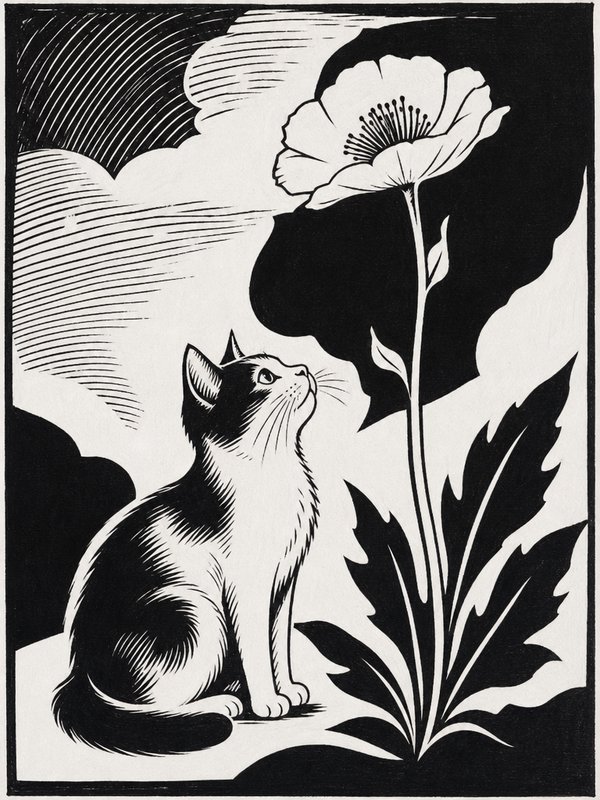
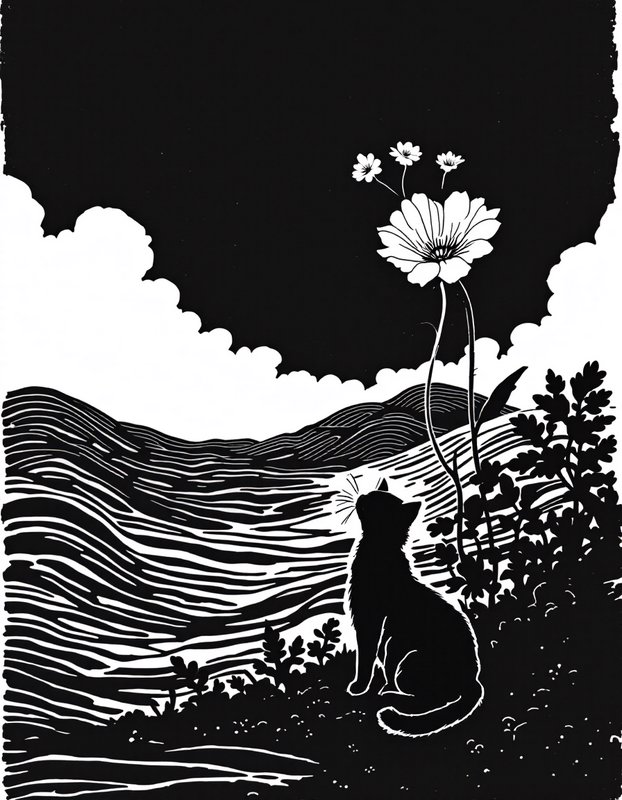
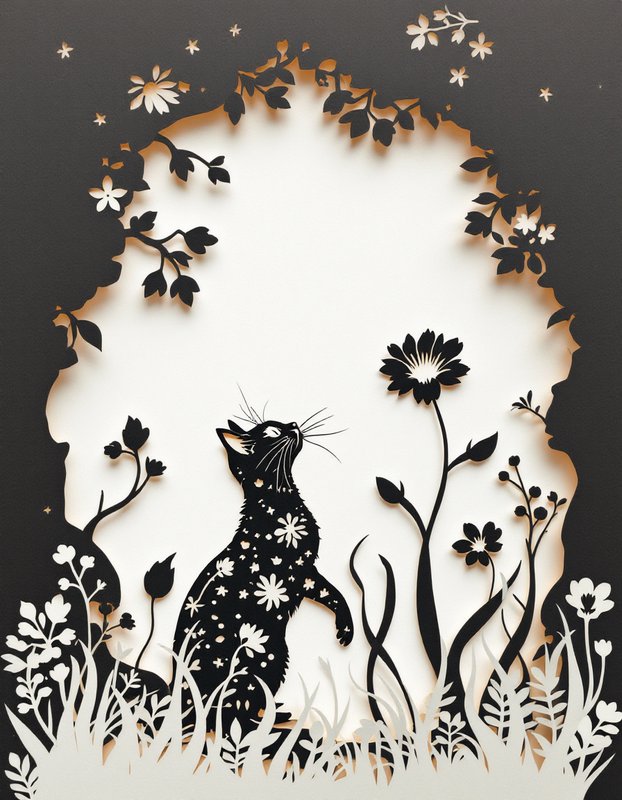
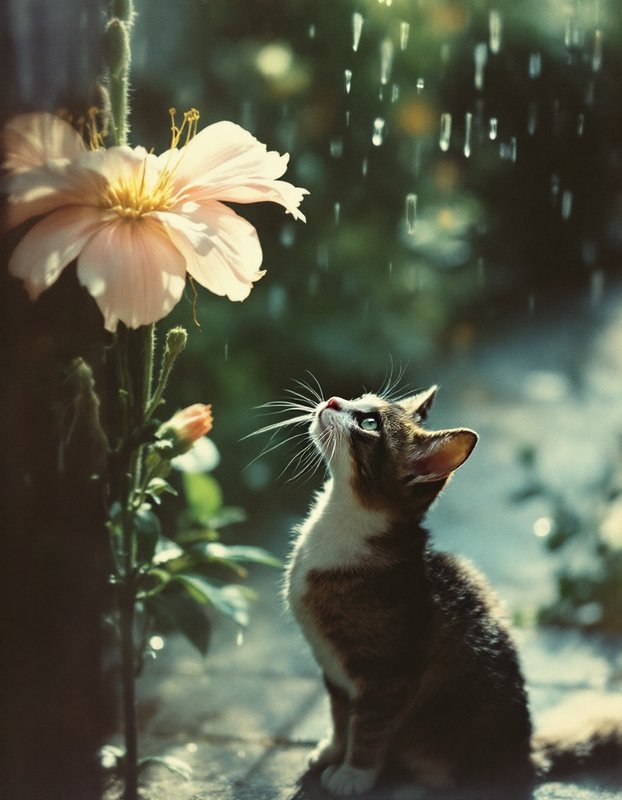
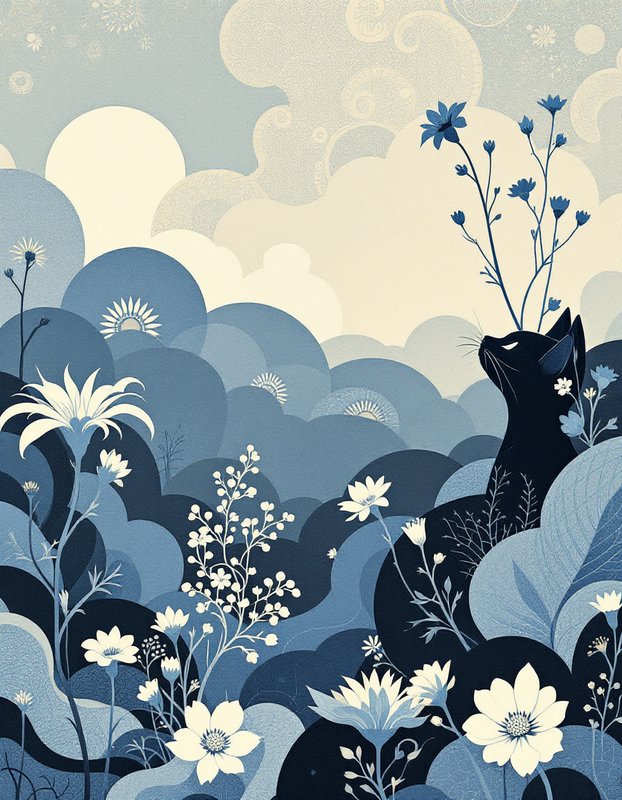
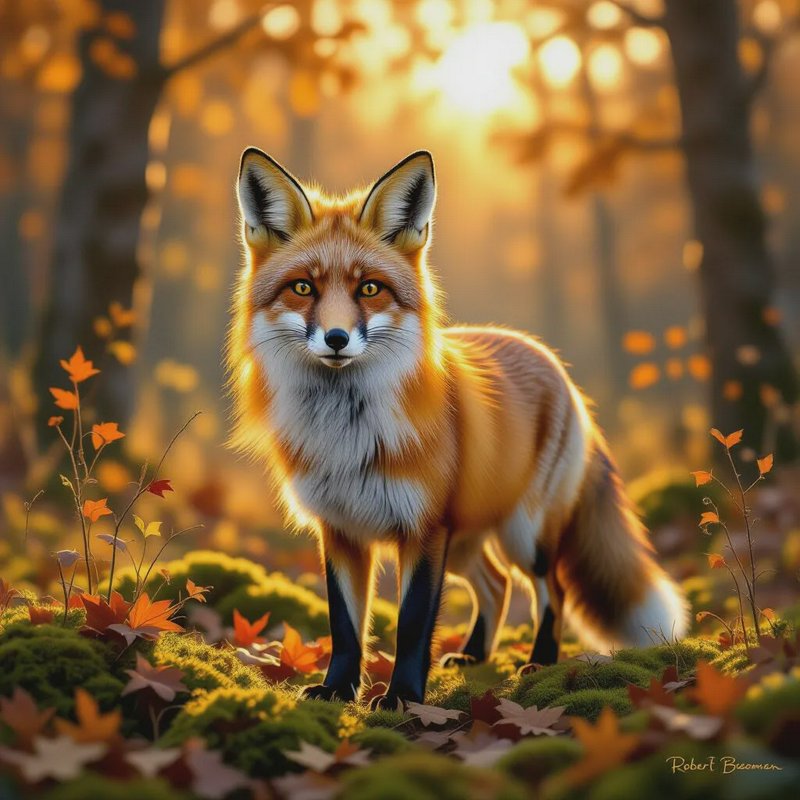
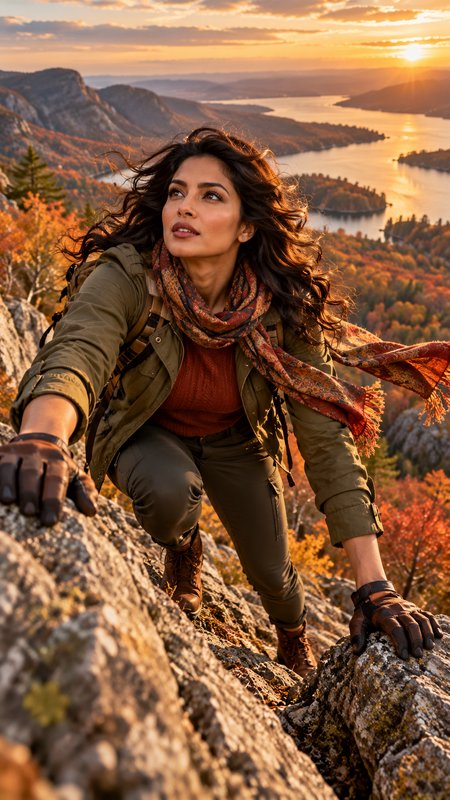
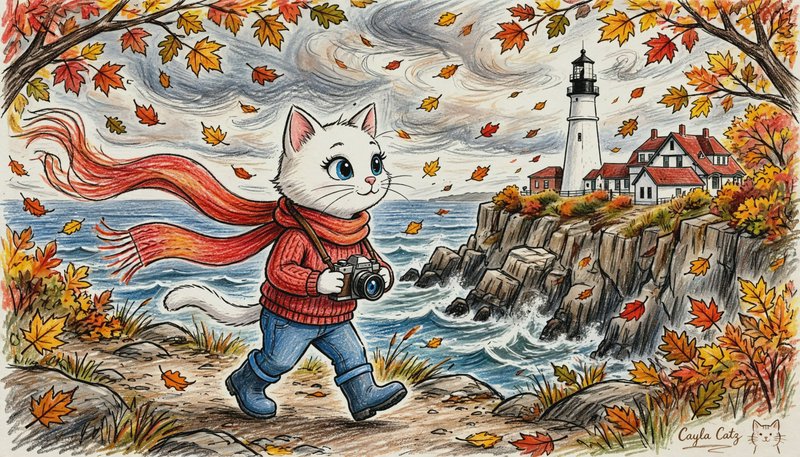
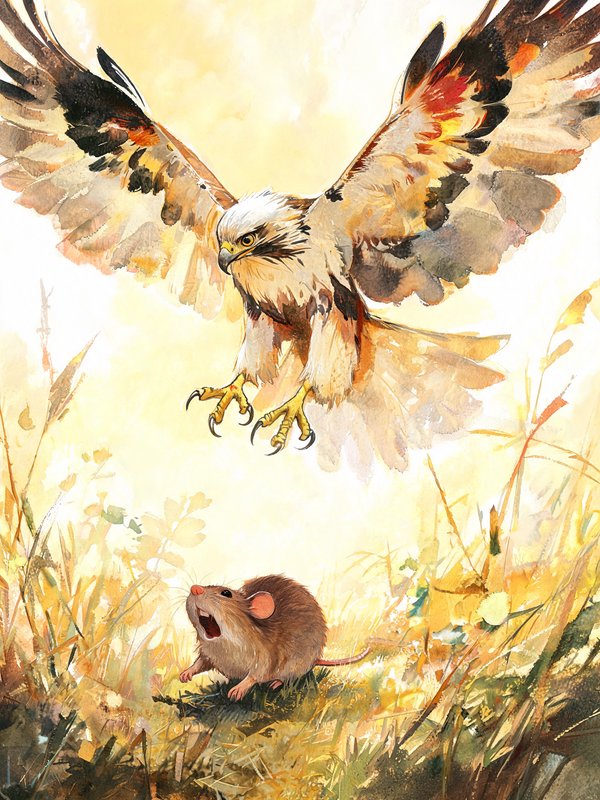
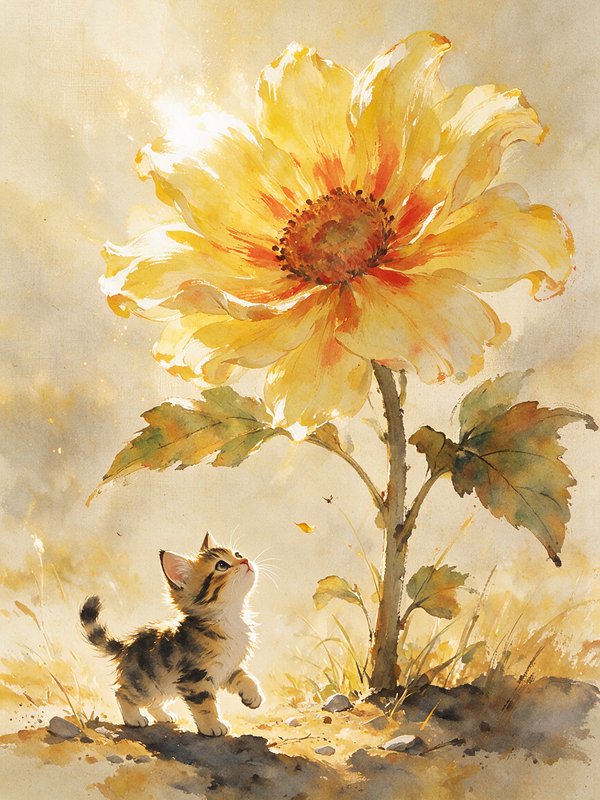
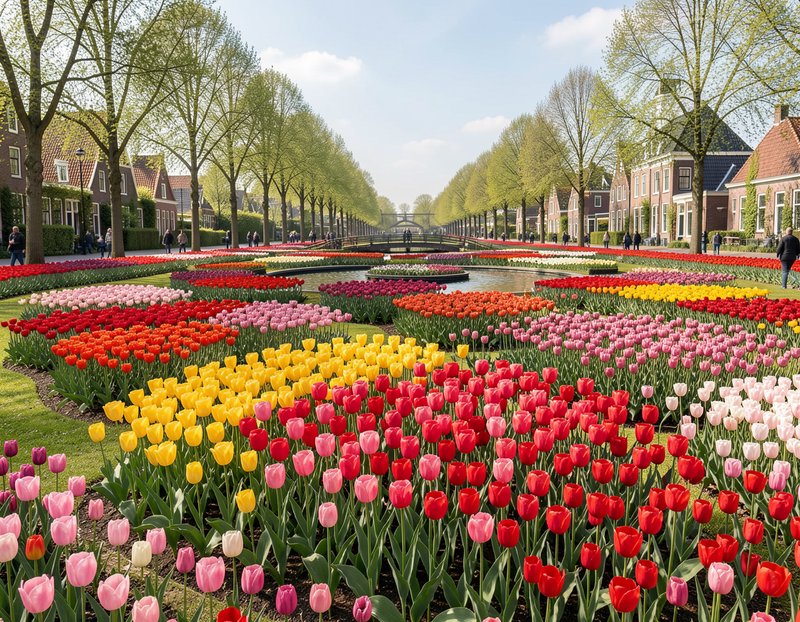
Landscapes, forests, weather and open country, shot wide or close.
2,175 published by the BudgetPixel community
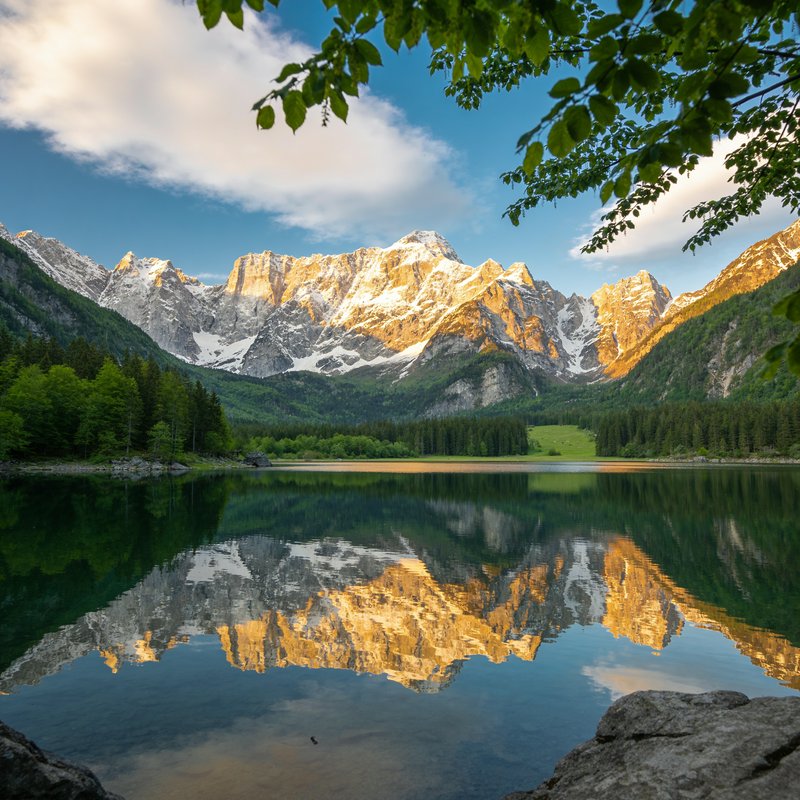
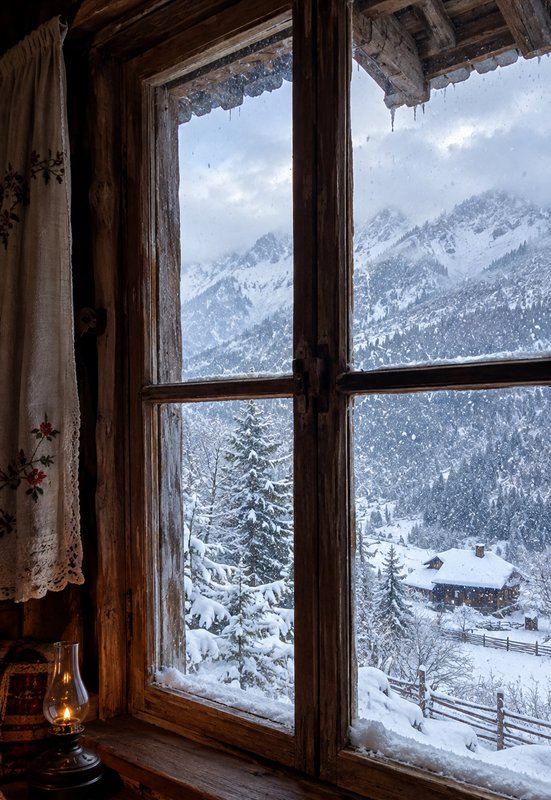
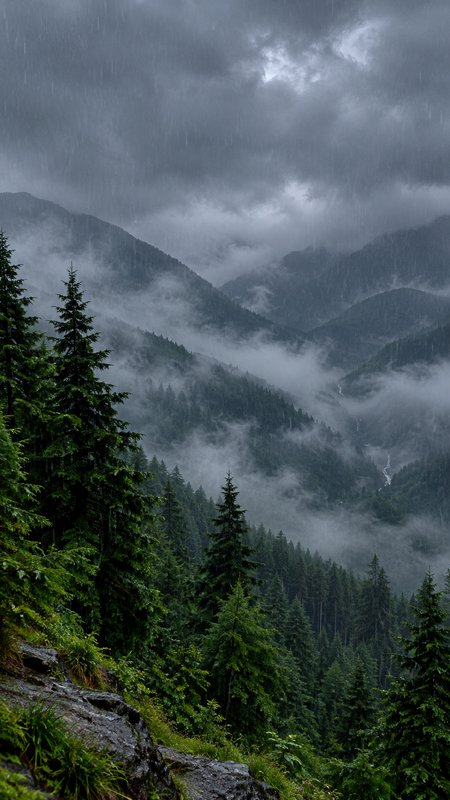
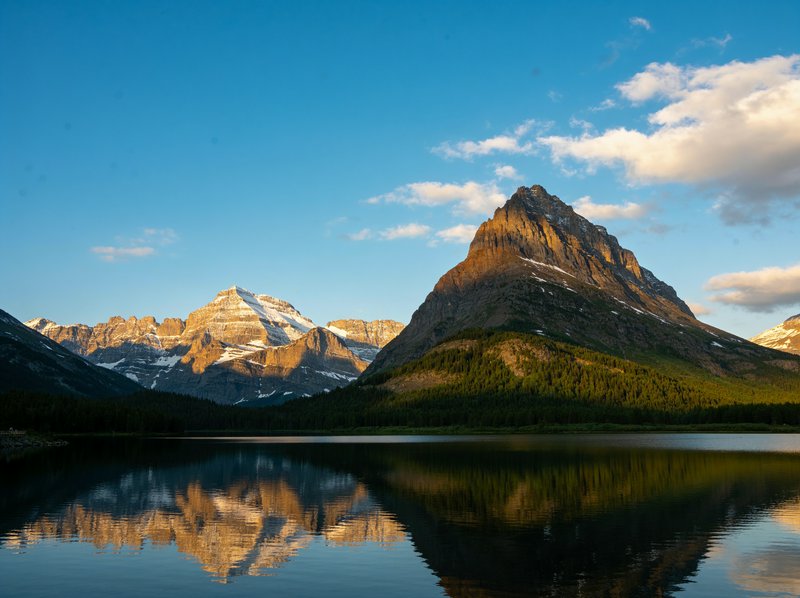
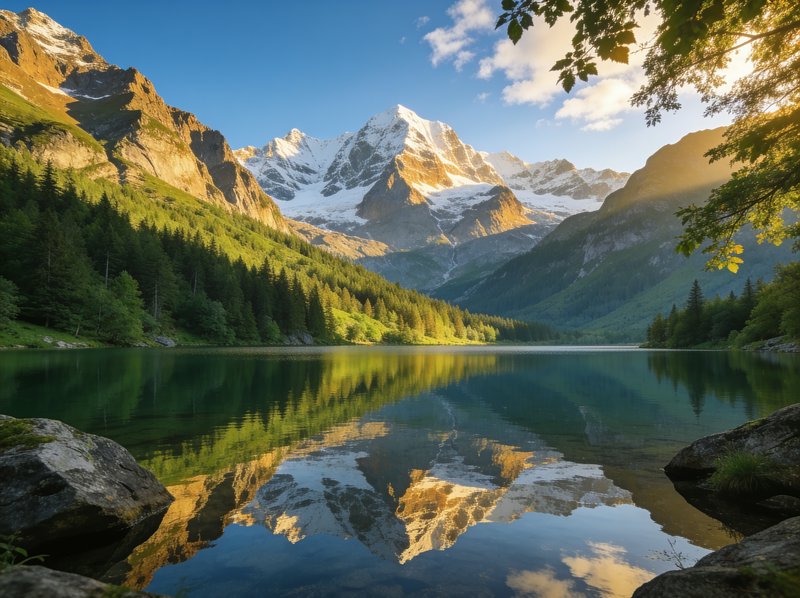
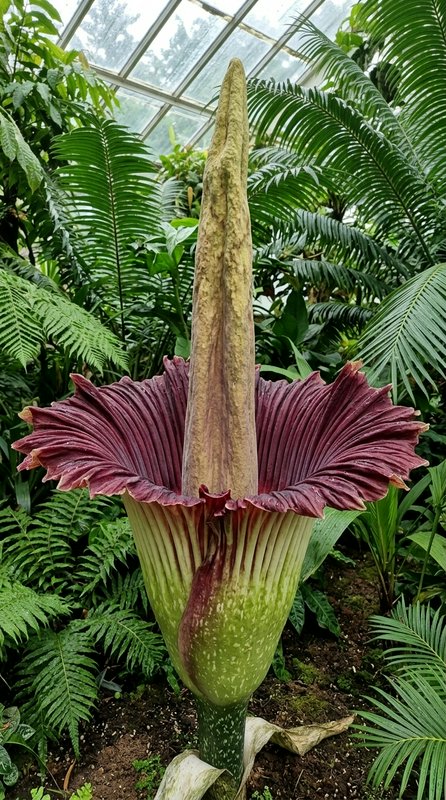
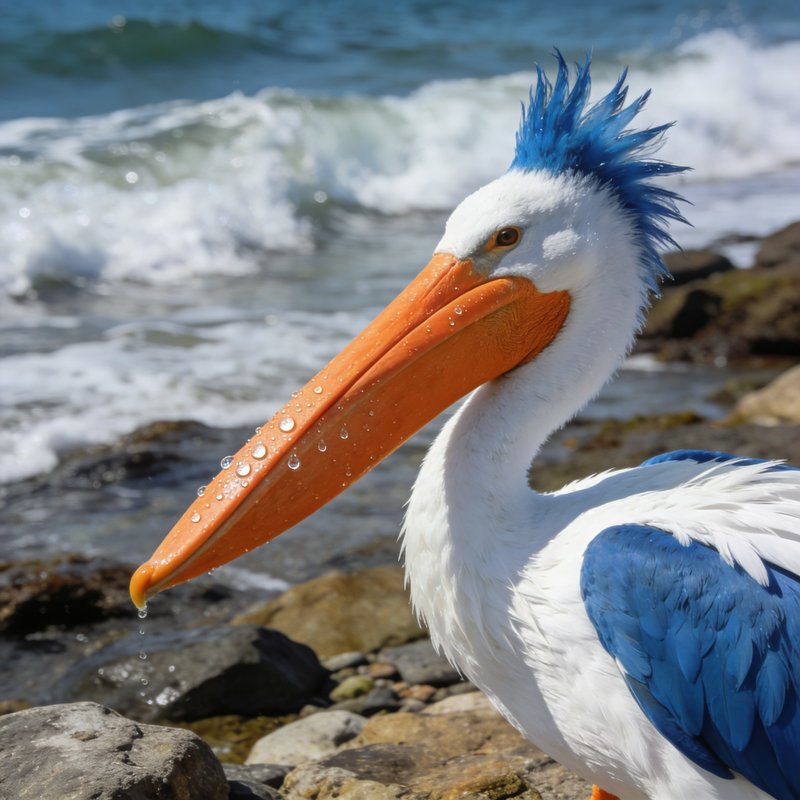
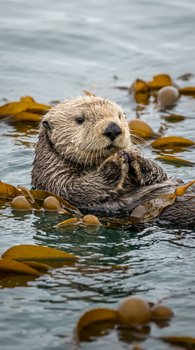
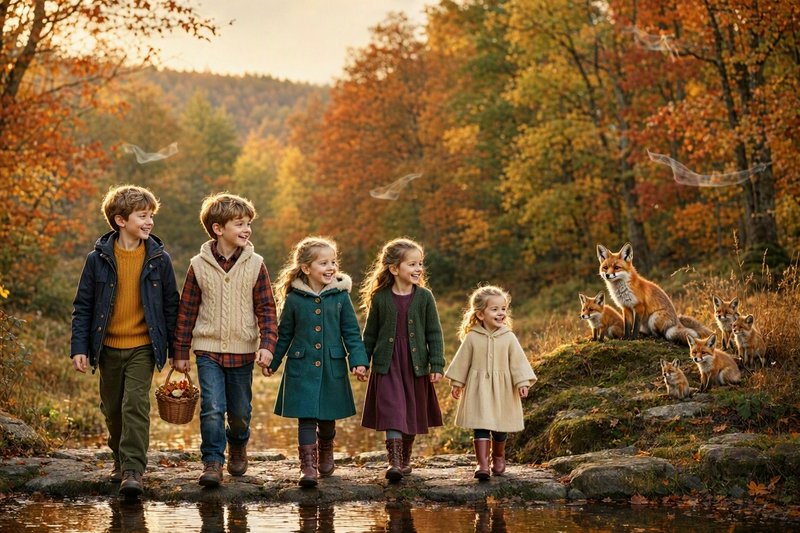
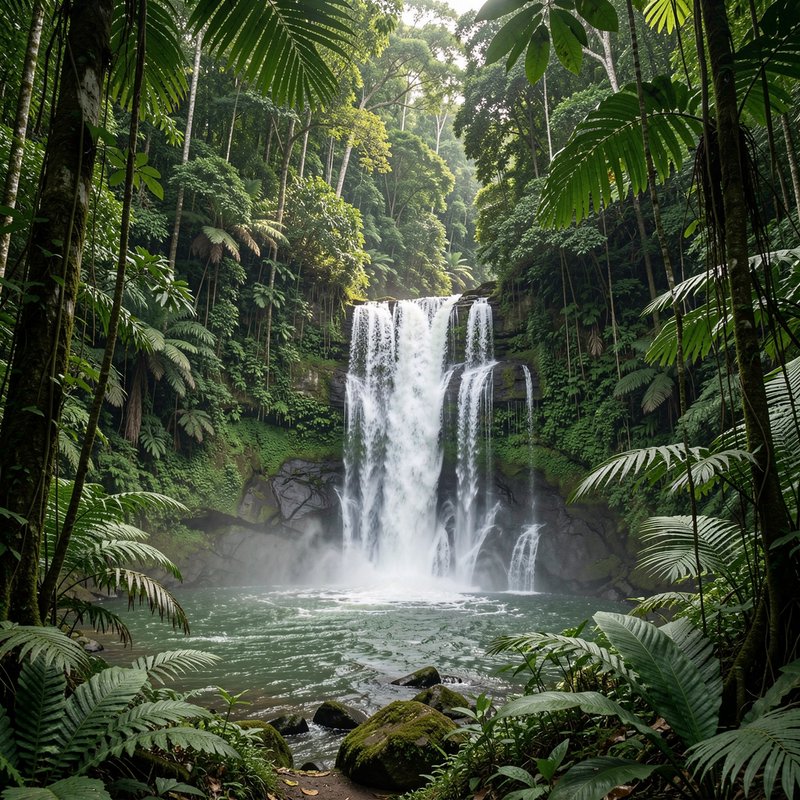
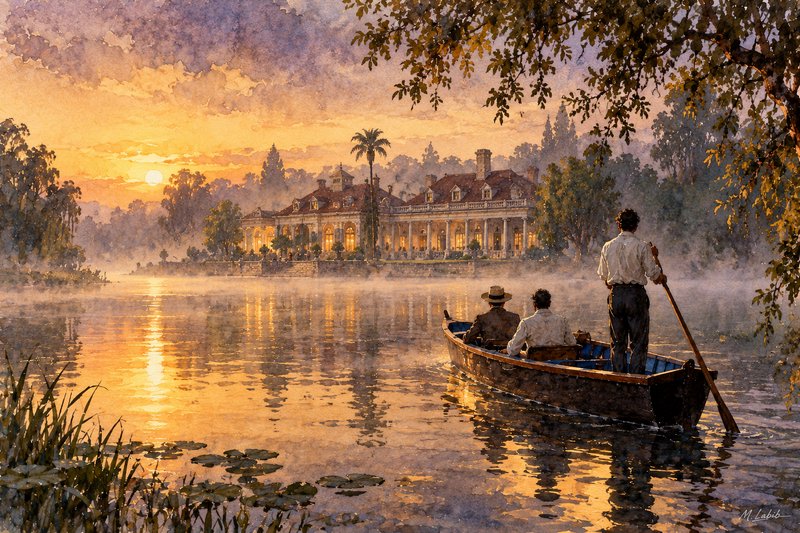
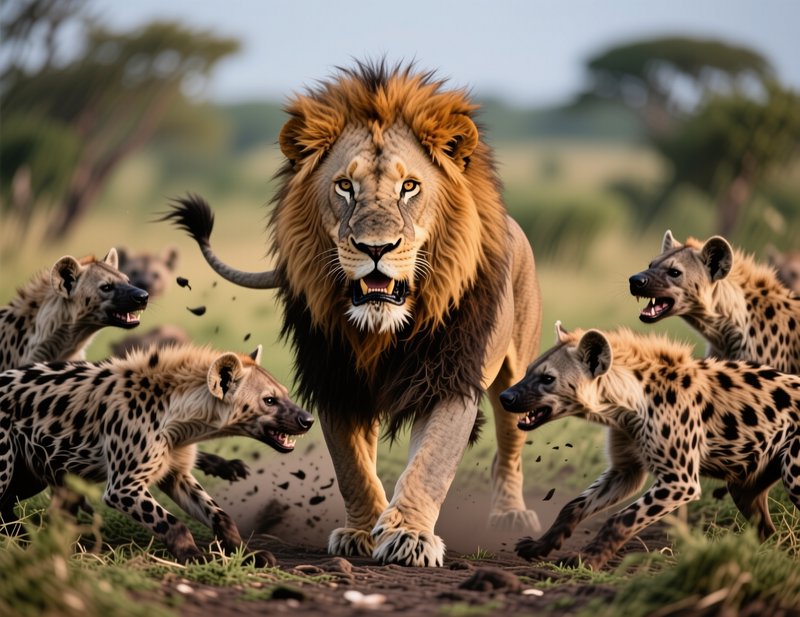
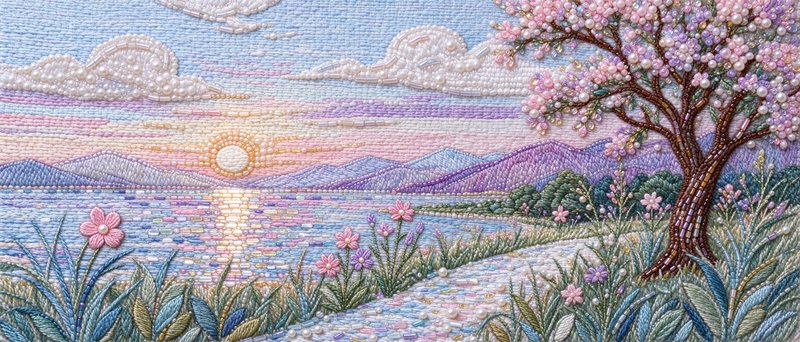
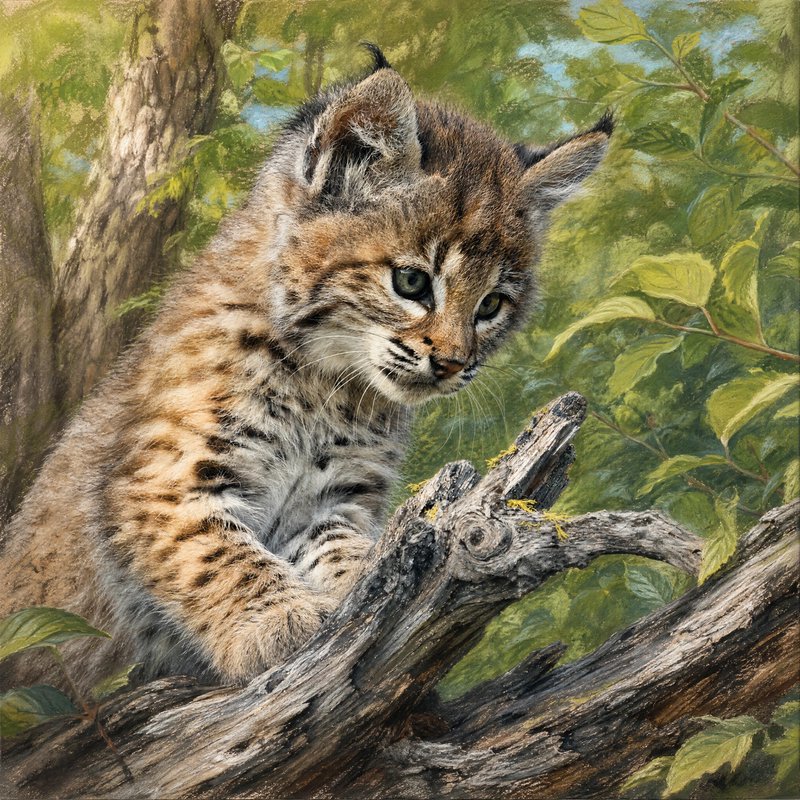
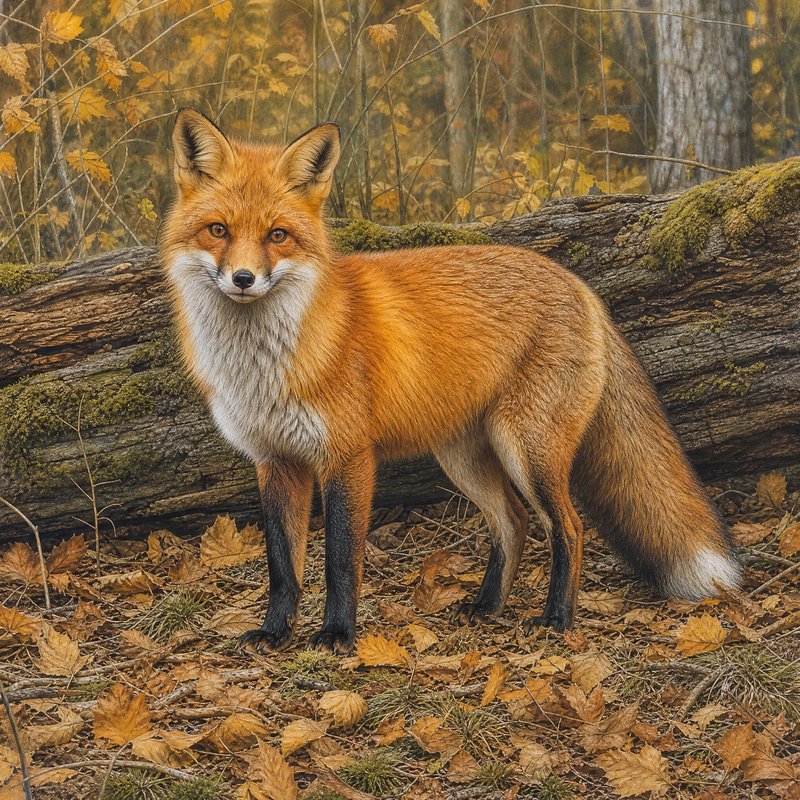
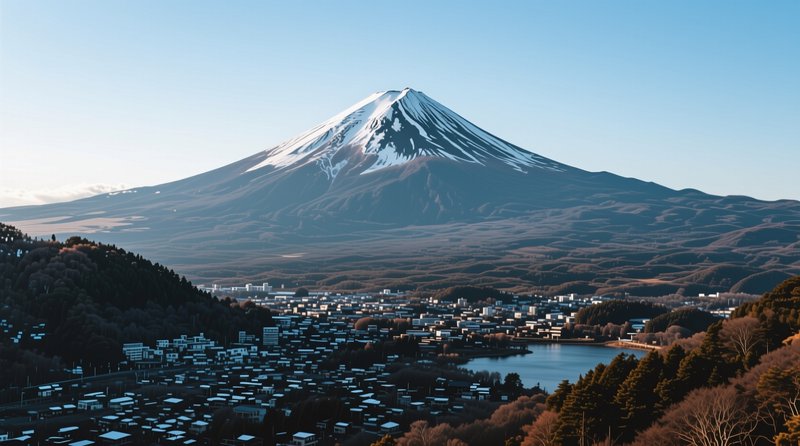
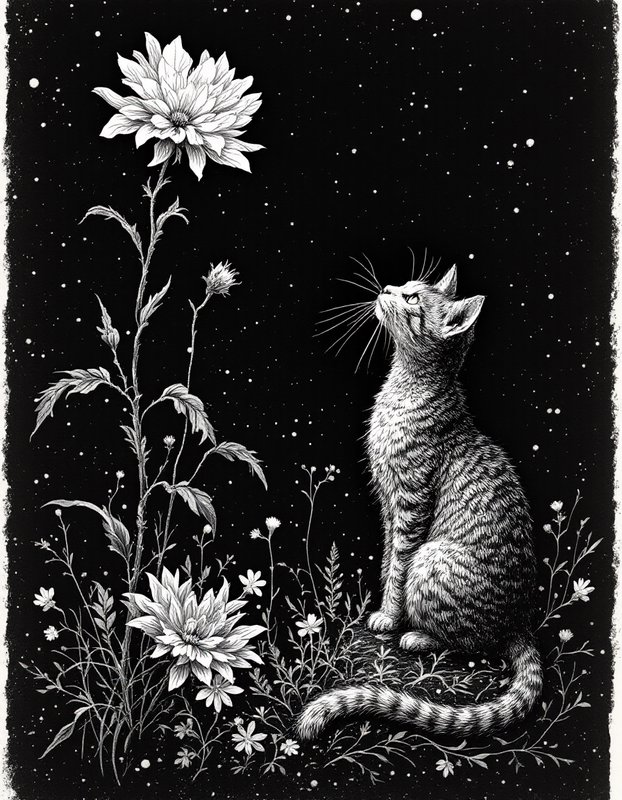
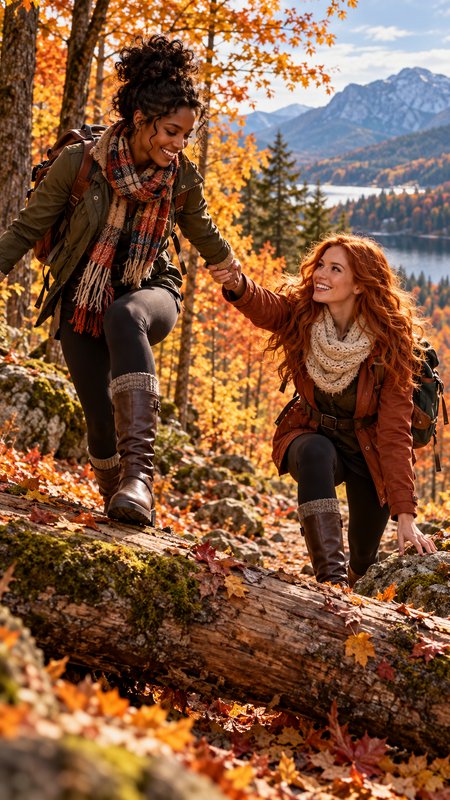
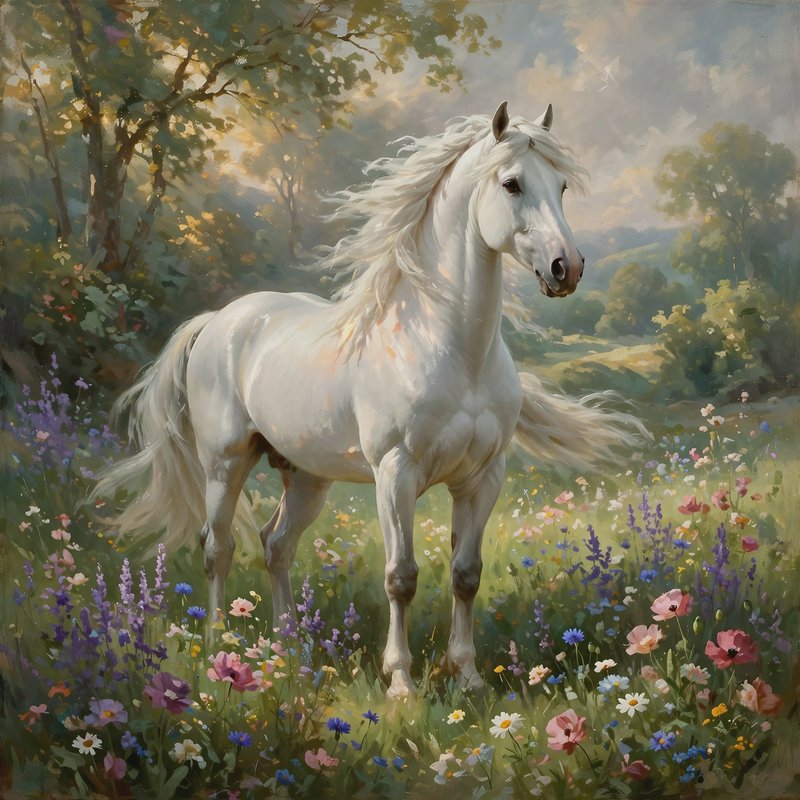
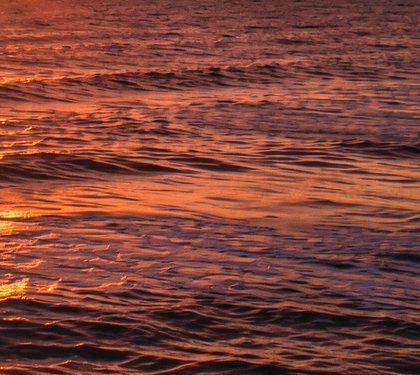
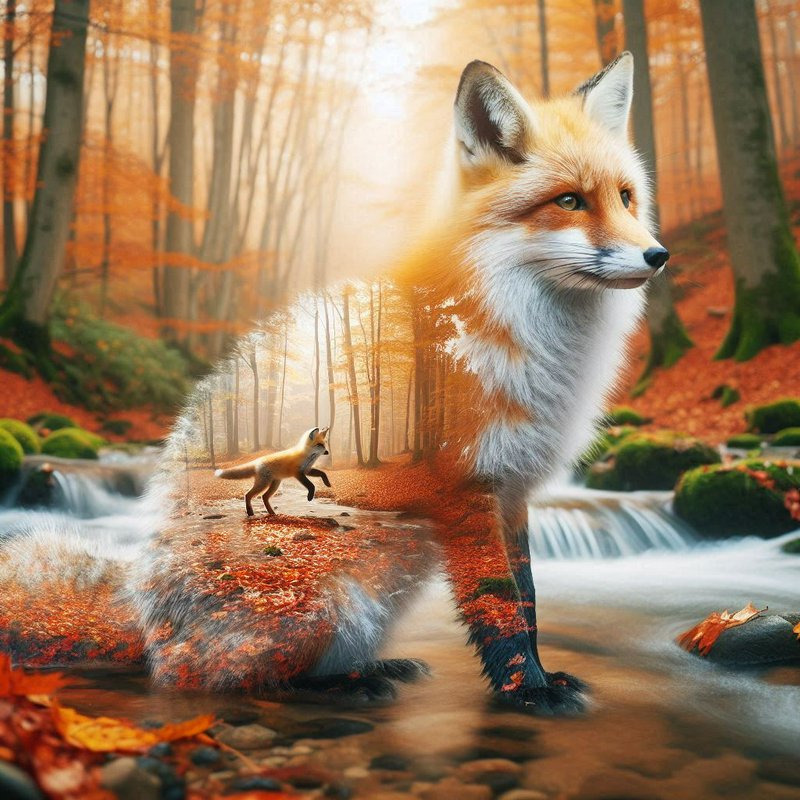
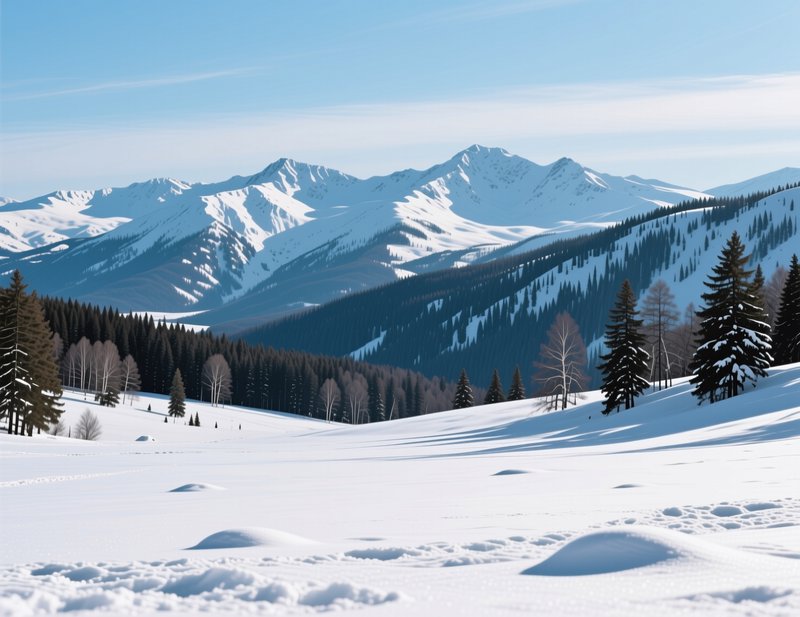
Nature imagery covers landscape and the natural world without a built environment: forests, coastline, weather, geology and open country. The tag set folds in landscape and its variants. What separates a strong nature image from a postcard is usually light and layering — a defined foreground, middle and distance, and a time of day that produces direction rather than flat overhead illumination.
11 images on this page are published under Creative Commons licences — free to use and adapt, including commercially, if you credit the creator. Look for the licence badge on a tile, or open it to see the exact credit line. How licensing works
Make your own nature image
Everything in this grid was generated on BudgetPixel. Describe what you want and the same models will make it.
Start creatingMake your own nature image
Everything in this grid was generated on BudgetPixel. Describe what you want and the same models will make it.
Start creating
















Nature prompts to start from
Working prompts, not fragments. Open one to load it into the generator, then change whatever you like.
- Basalt sea stacks in blowing spray at first light, long exposure water, layered headlands fading into hazeUse →
- Old-growth forest interior after rain, shafts of light through canopy, moss detail in the foregroundUse →
- Wide glacial valley under breaking storm cloud, single lit ridge, dark foreground screeUse →
Nature AI images: common questions
How do I make AI landscapes look less generic?
Specify a place-type and a weather event rather than a biome. Basalt sea stacks in blowing spray beats coastal landscape by a wide margin, because the first describes shapes and the second describes a category. Adding a time of day gives the light somewhere to come from.
How do I get depth in a landscape image?
Ask for three layers and something in the foreground. A rock, a branch or a figure near the camera gives the eye a starting point, and atmospheric haze in the distance separates the planes. Without a foreground, wide scenes tend to render as a flat backdrop.
What time of day works best?
The hour after sunrise and the hour before sunset, for the same reason photographers use them — low light travels sideways, which reveals texture and produces long shadows. Overcast is the other strong option when the subject is detail rather than drama, since it removes contrast entirely.
Related topics
Make your own nature images
Everything here was generated on BudgetPixel and published by the person who made it. The same models are available to you — pick one, write a prompt, and publish the result to the community feed if you want it here.