
Cinematic AI images
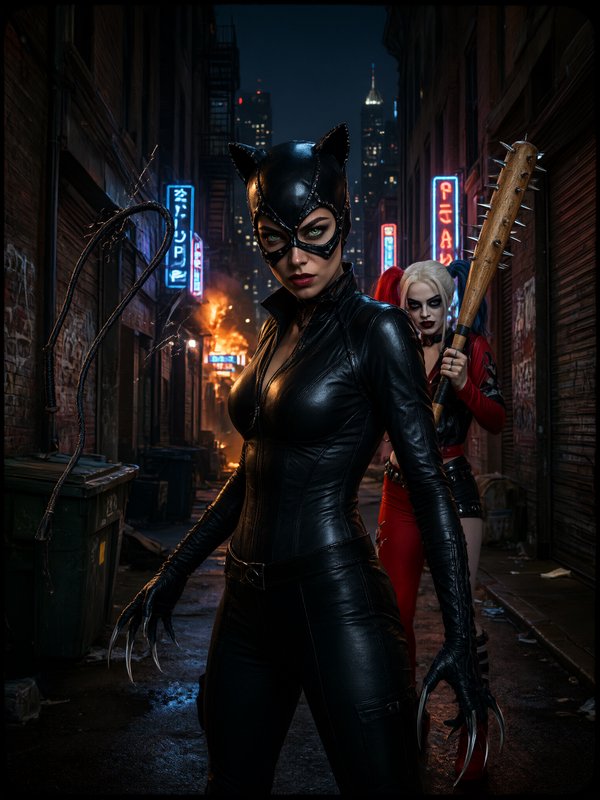
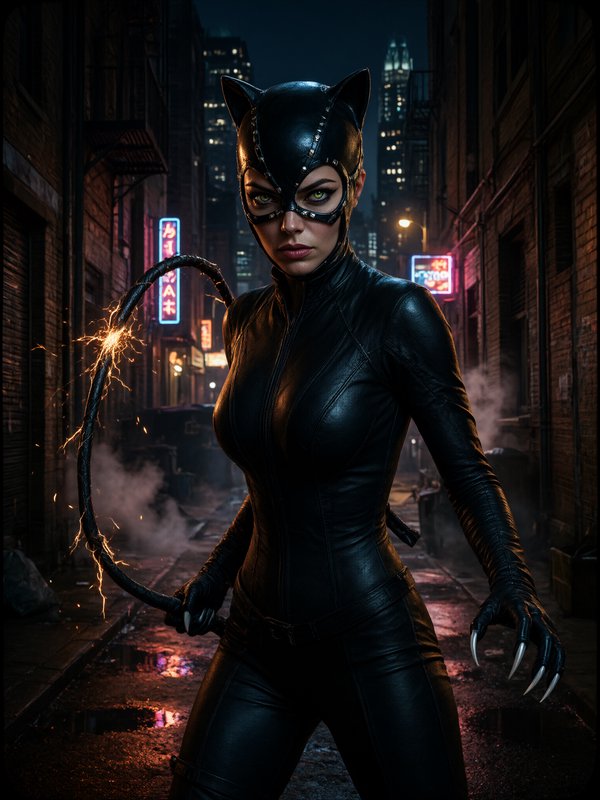
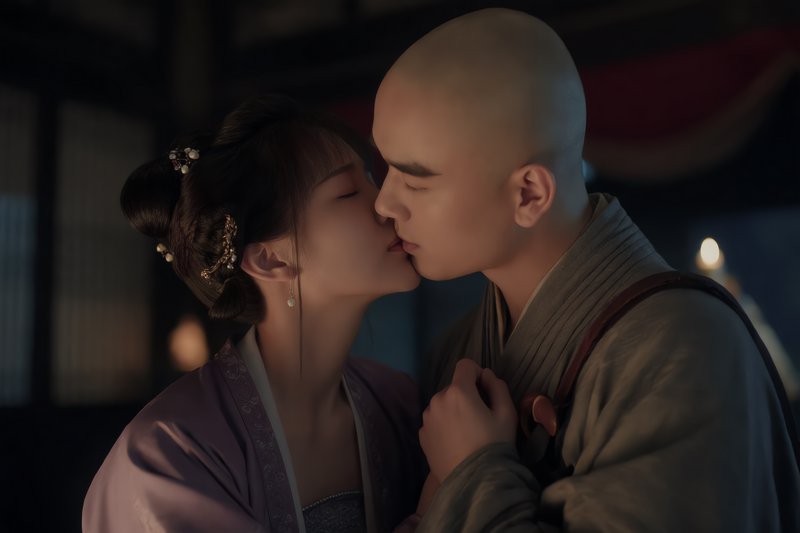
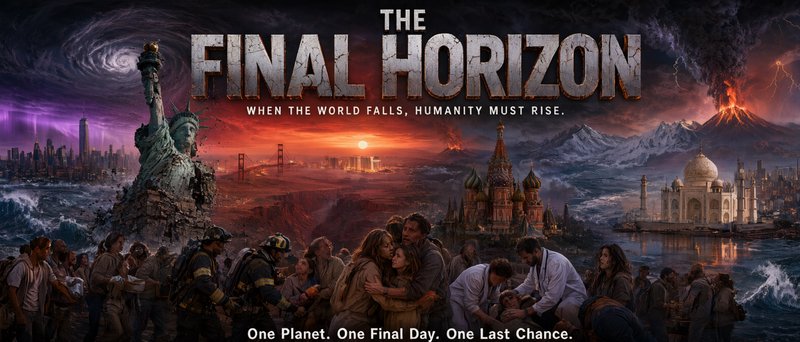
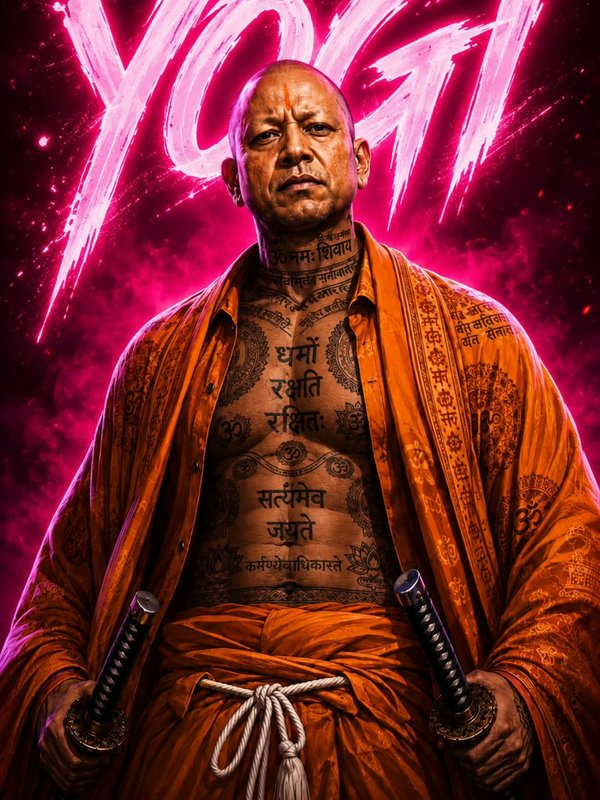
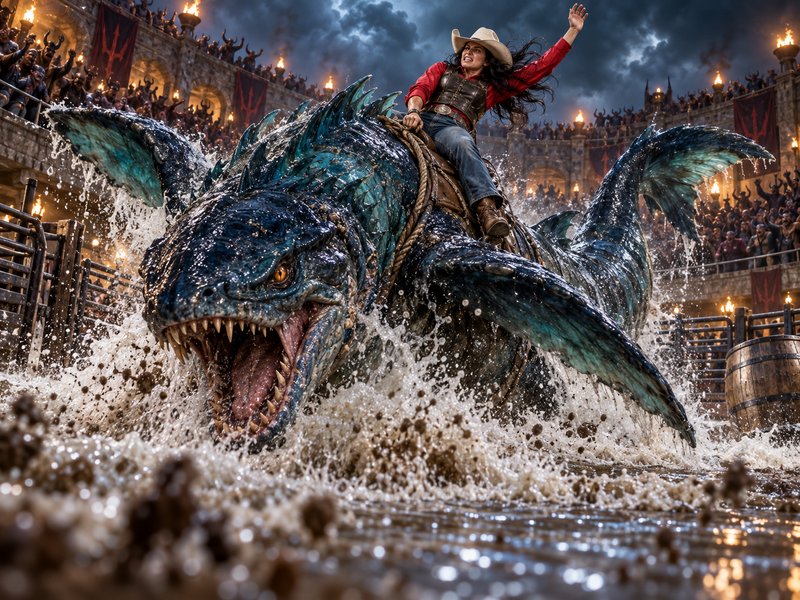
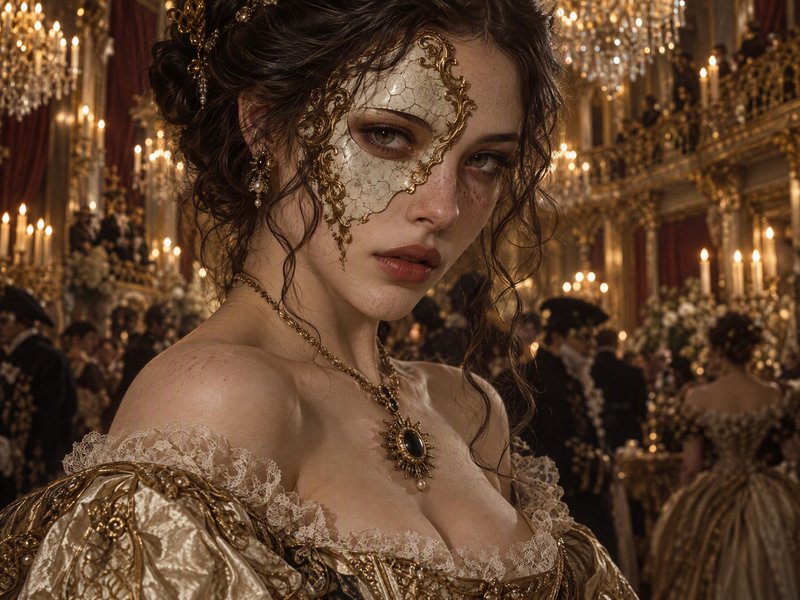
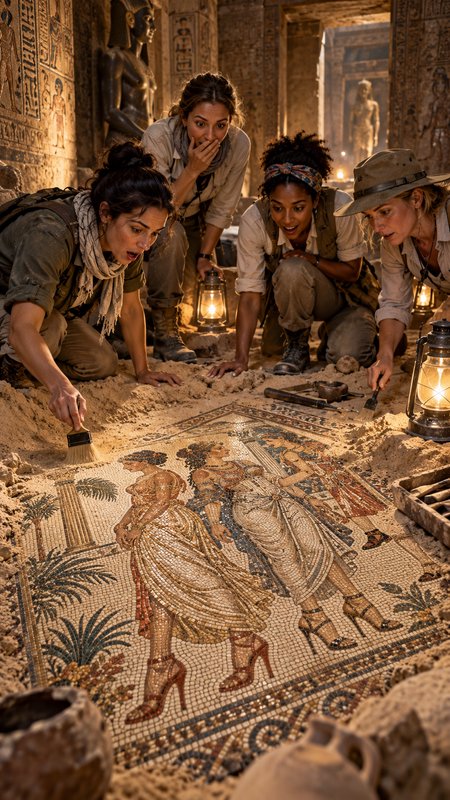
Frames built like film stills — considered framing, controlled light, and a sense that something happened just before the shutter.
4,783 published by the BudgetPixel community
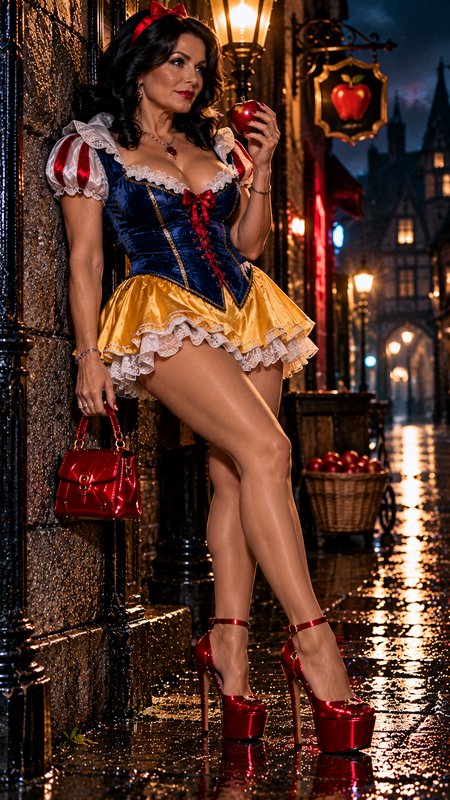
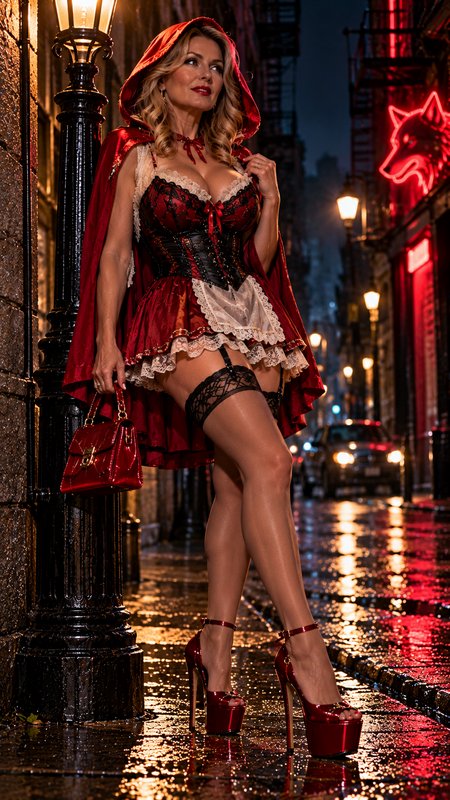
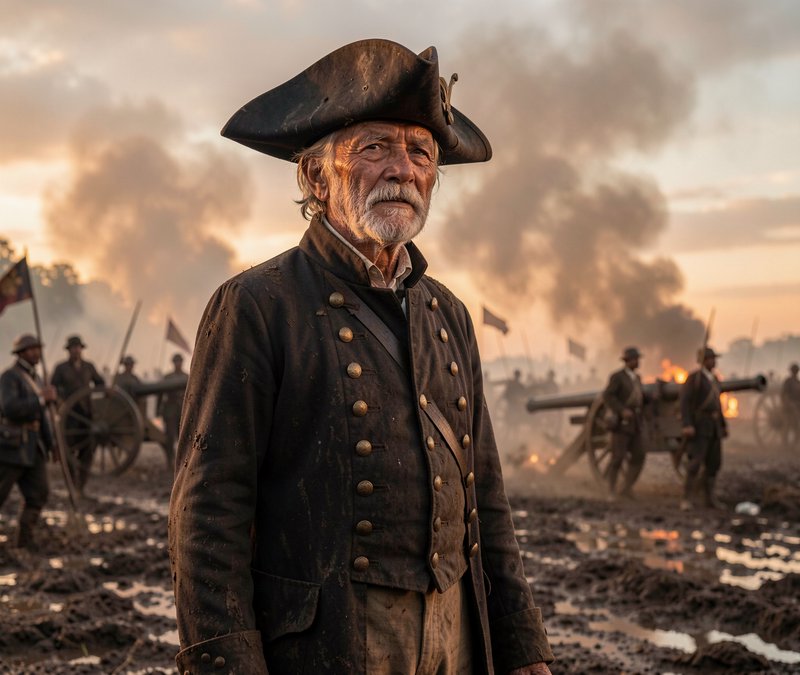
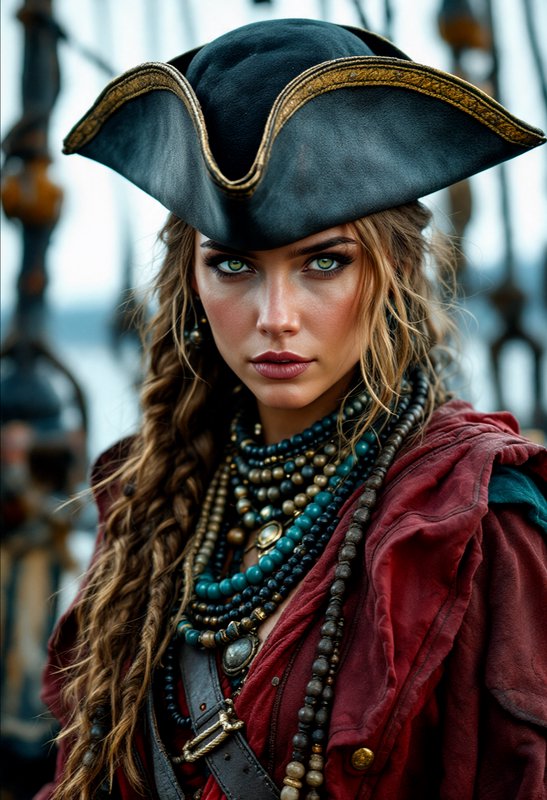
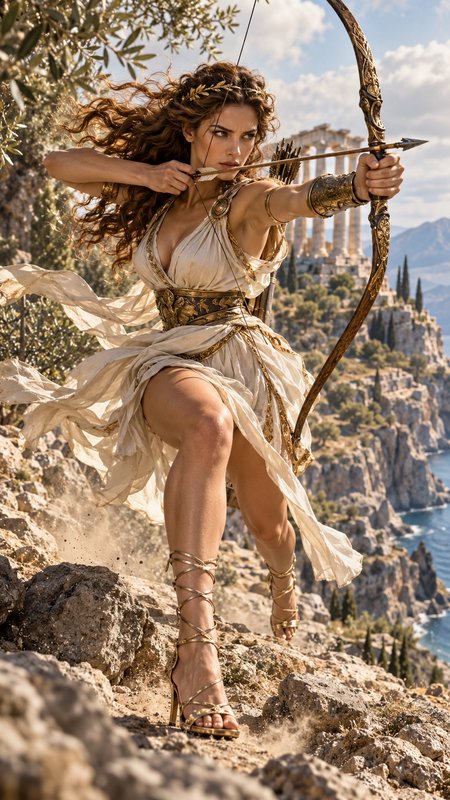
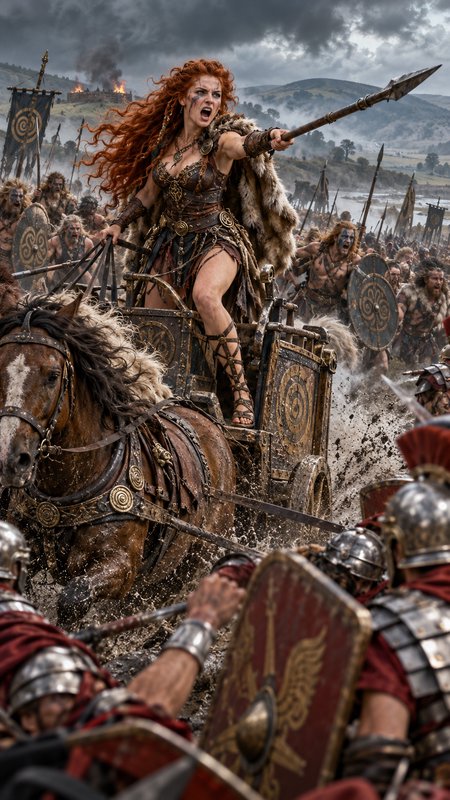
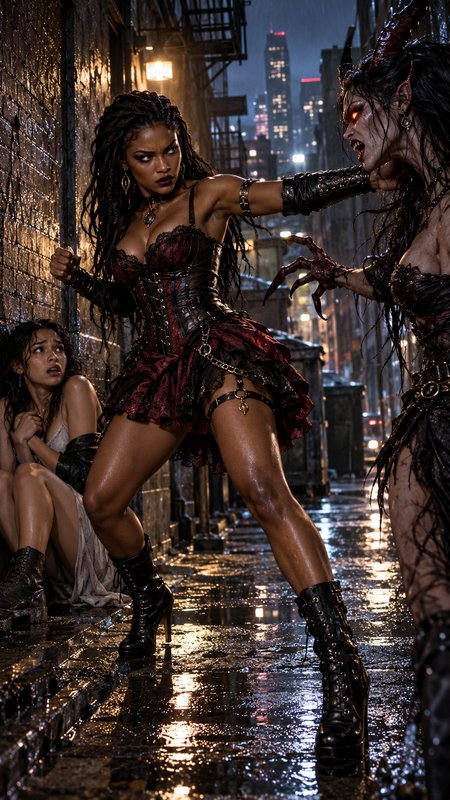
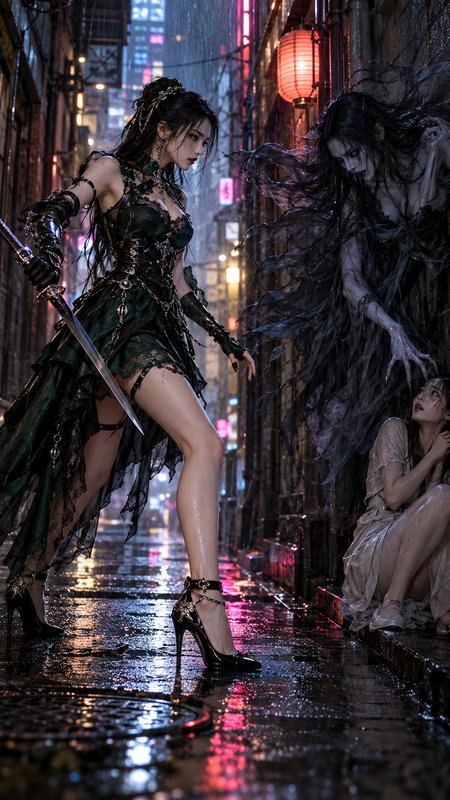
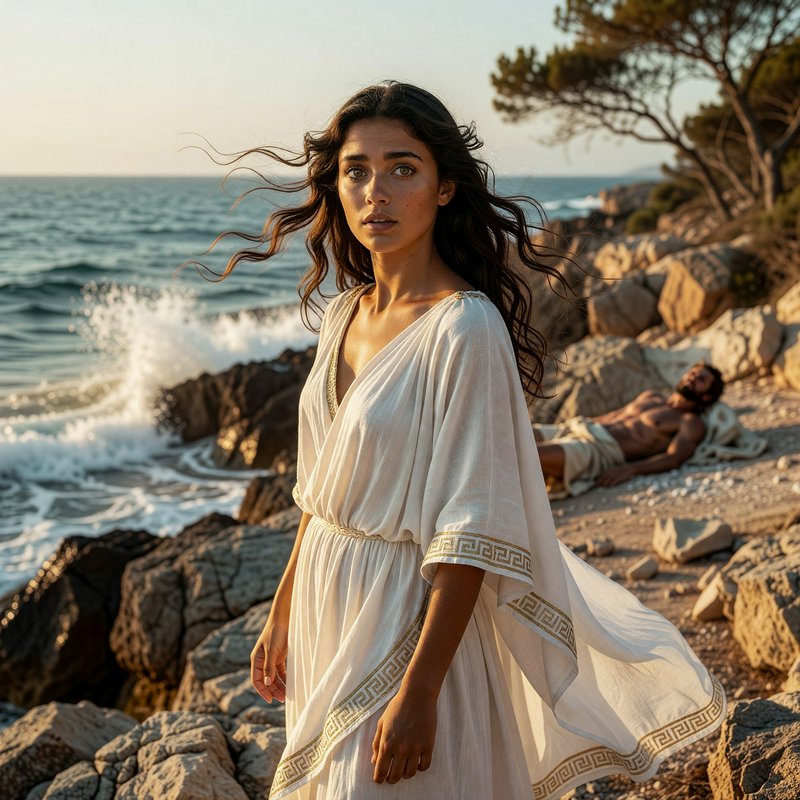
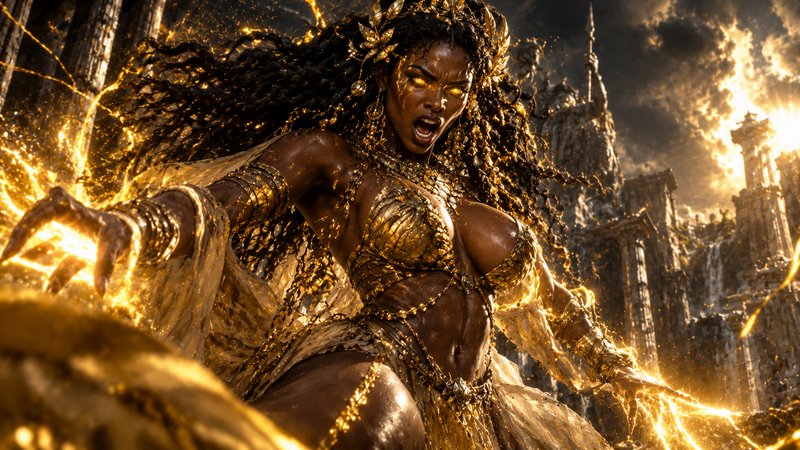
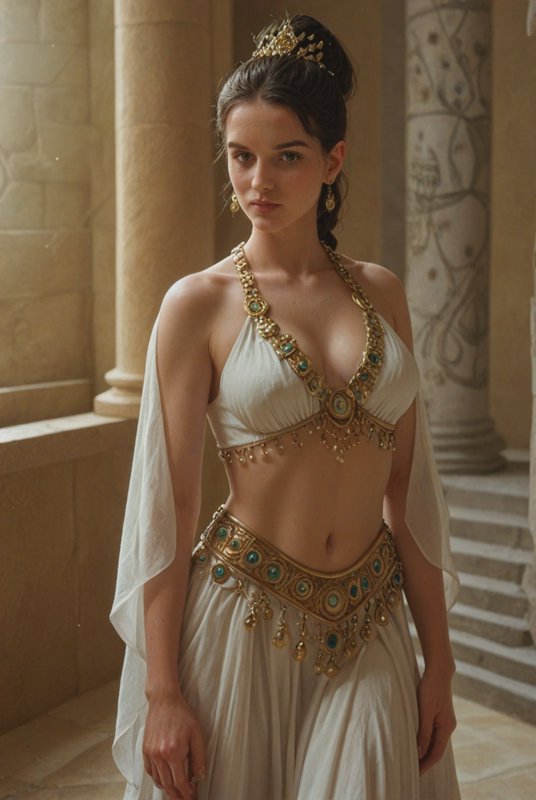
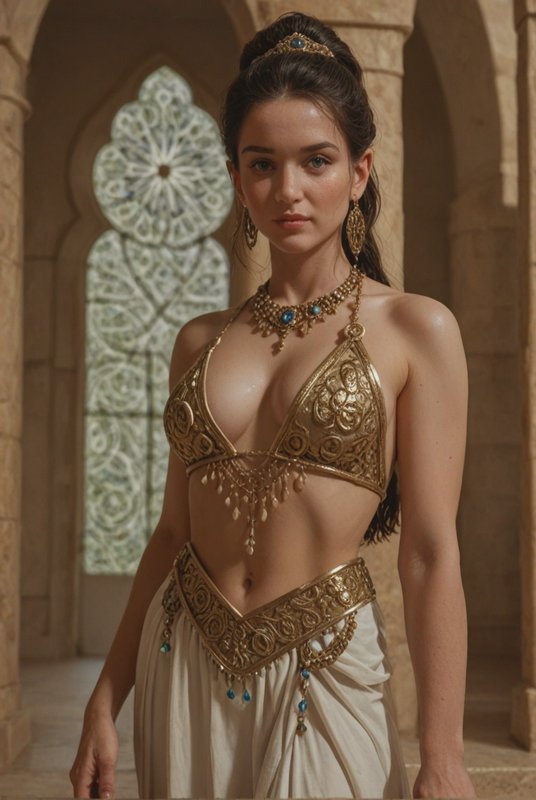
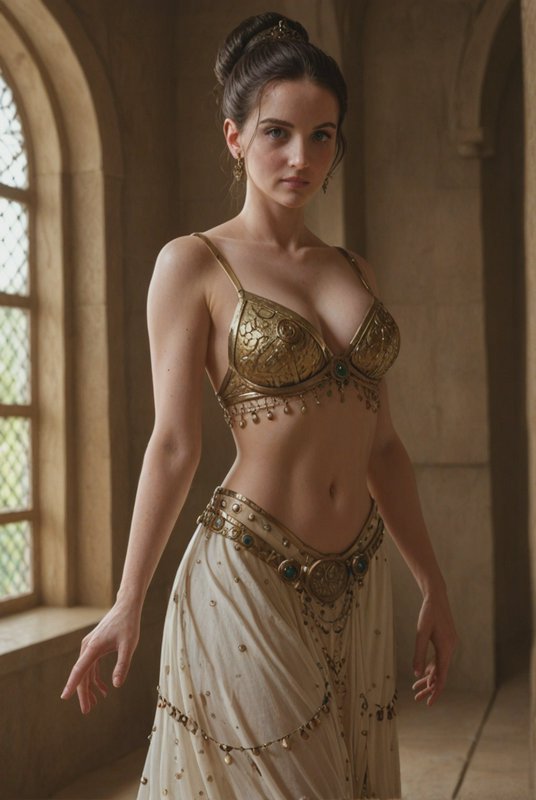
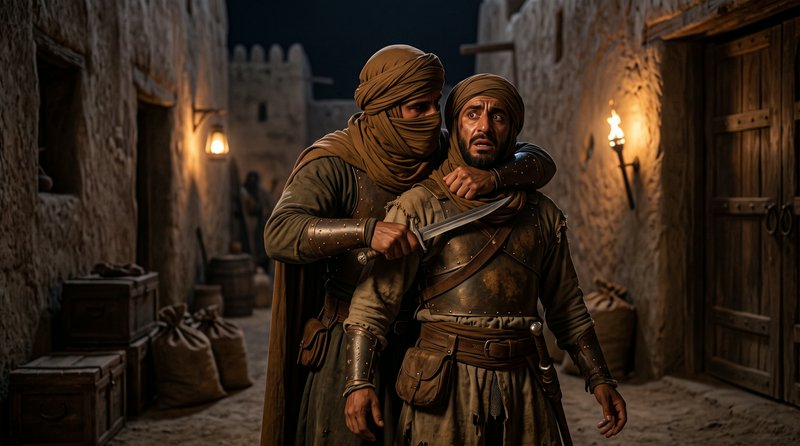
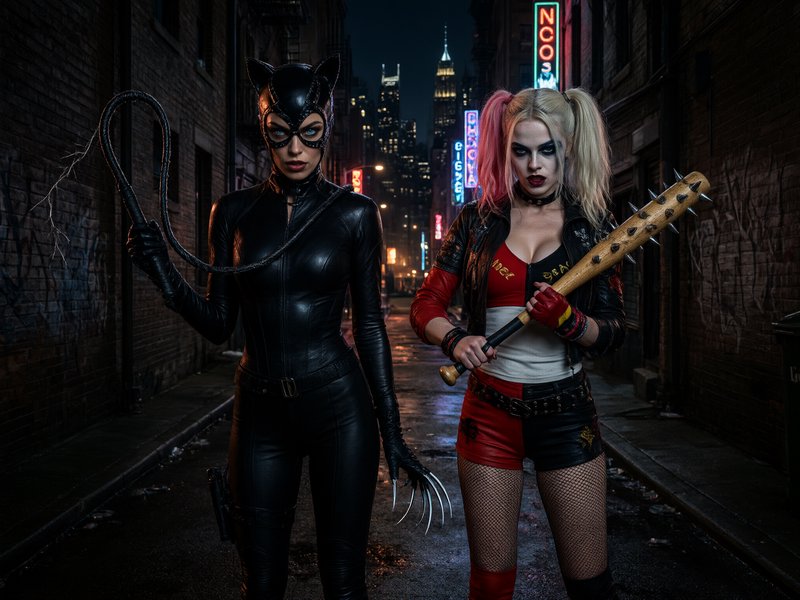
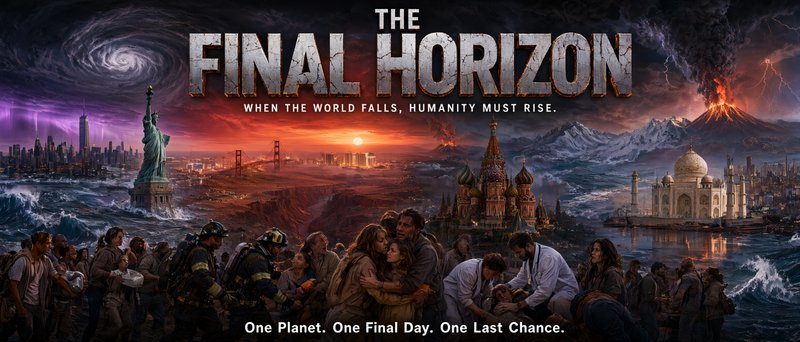
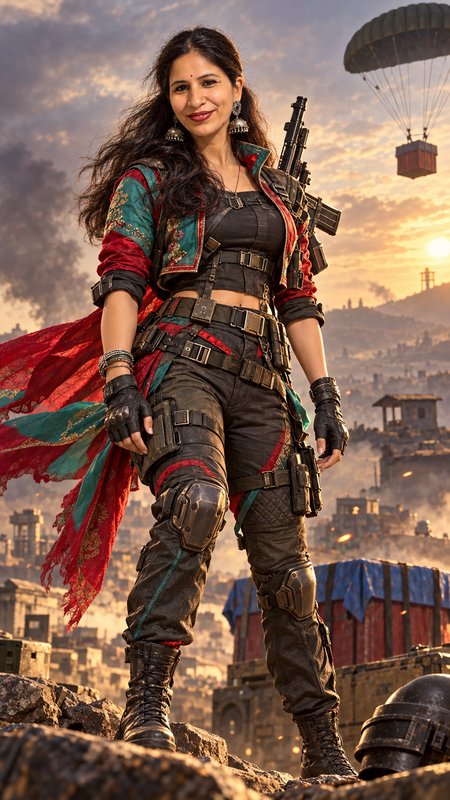
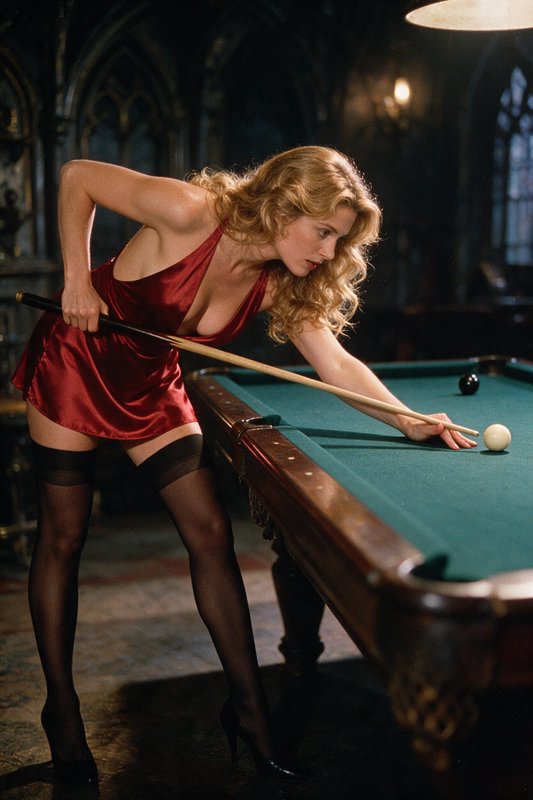
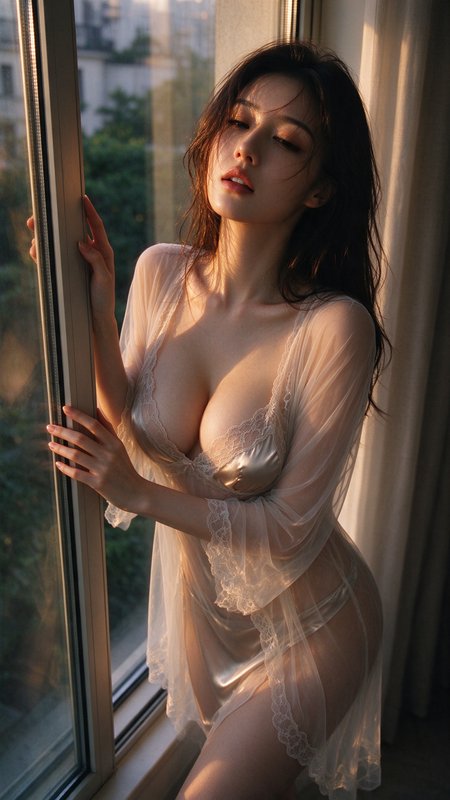
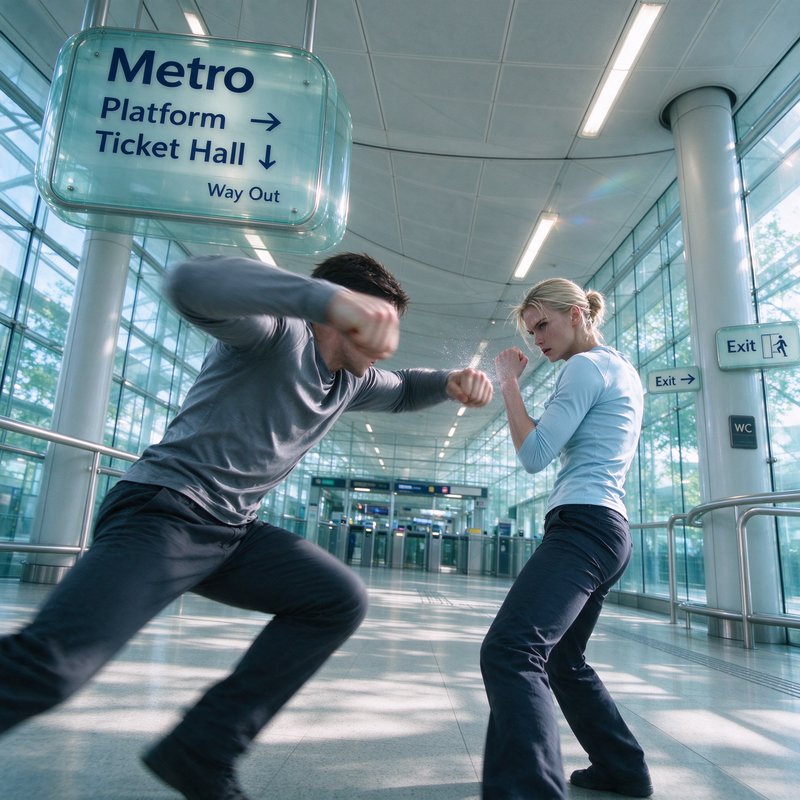
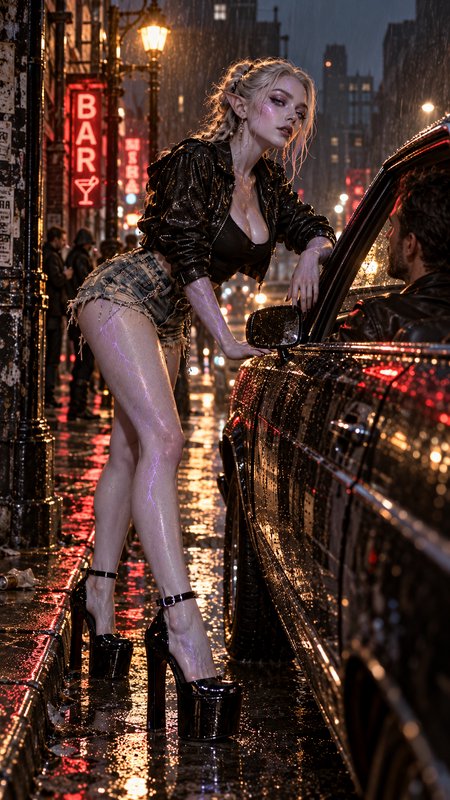
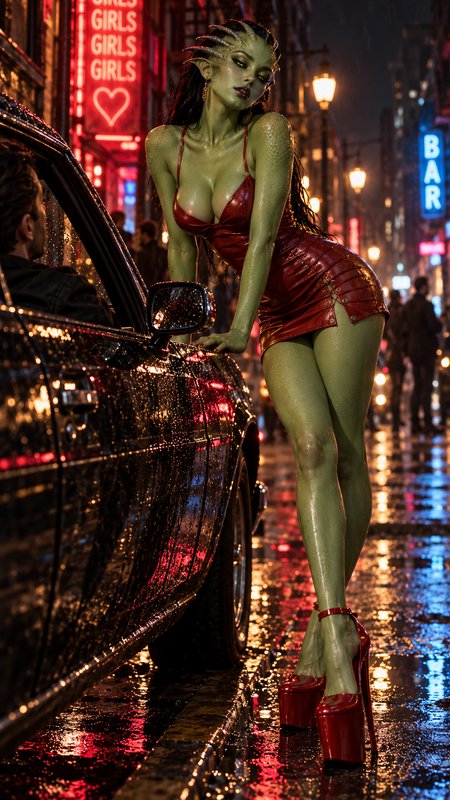
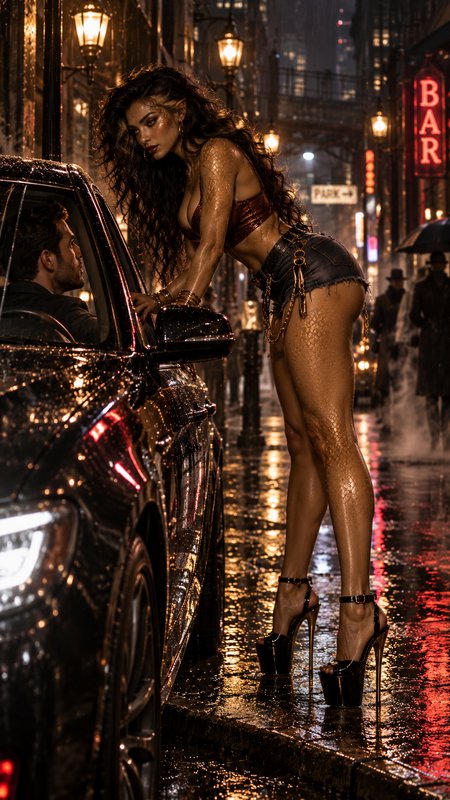
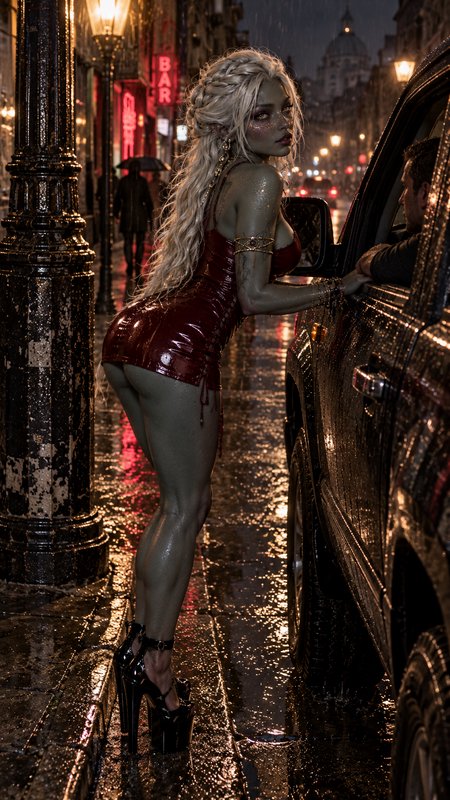
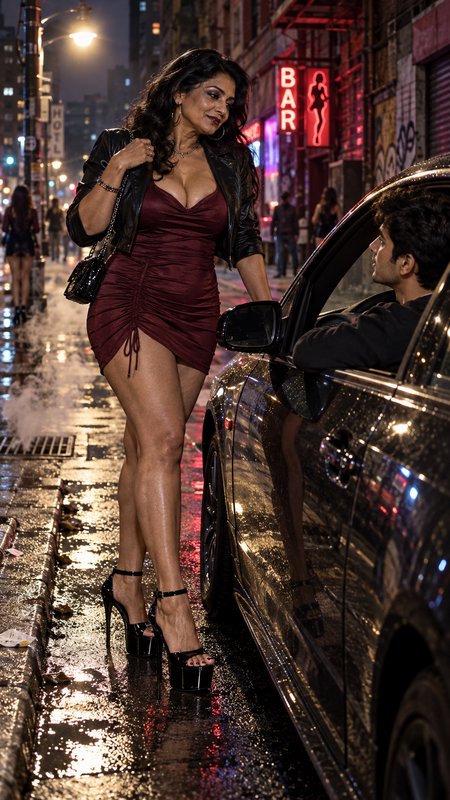
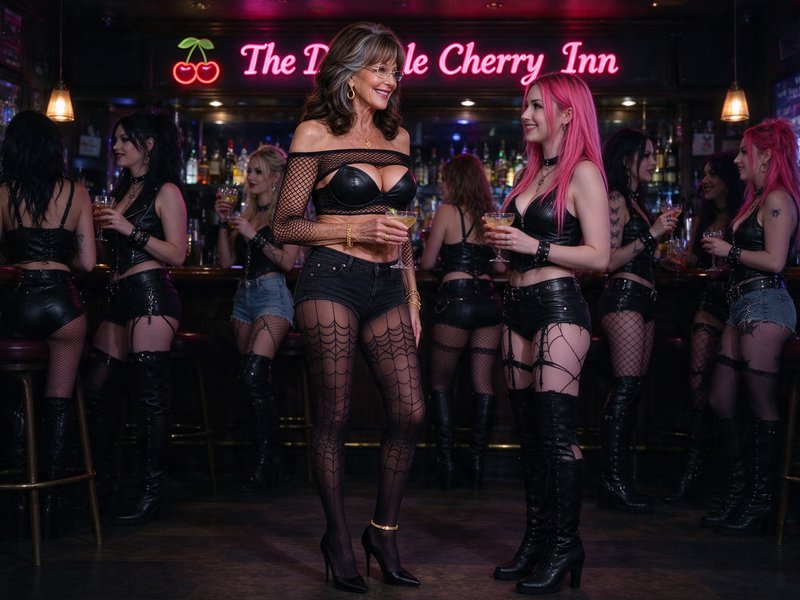
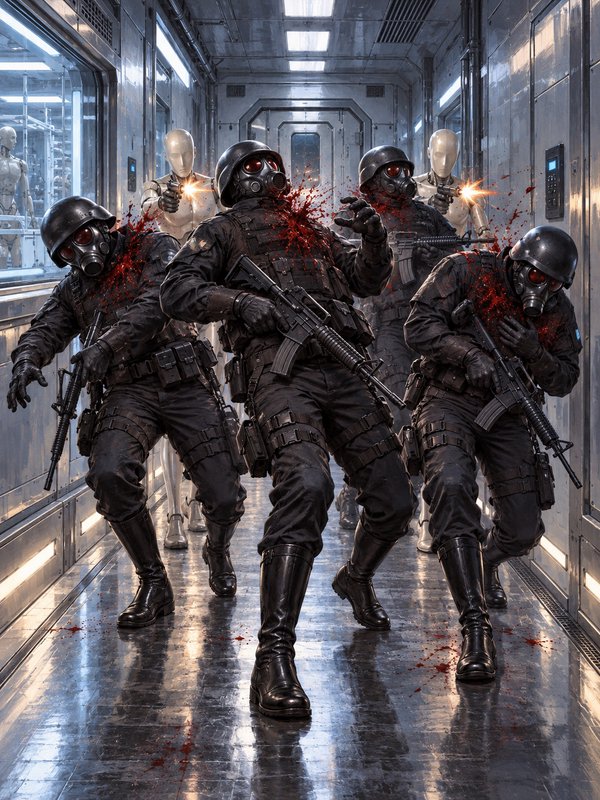
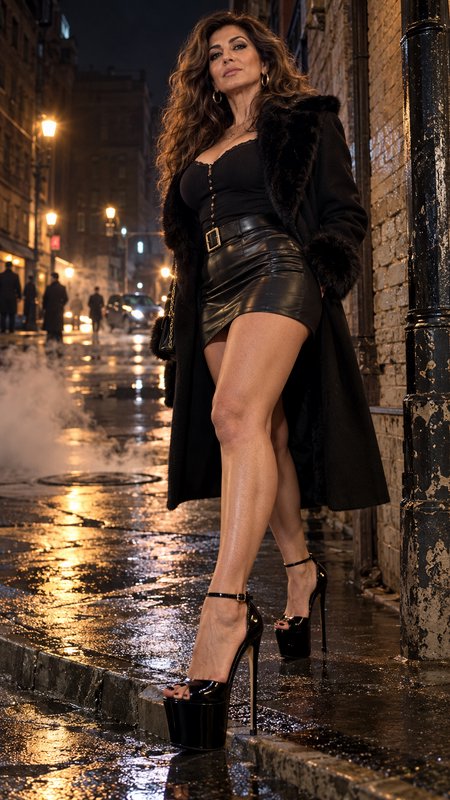
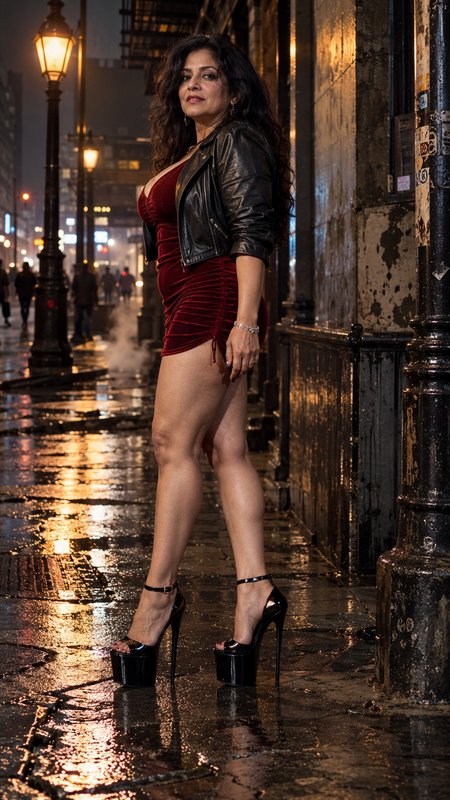
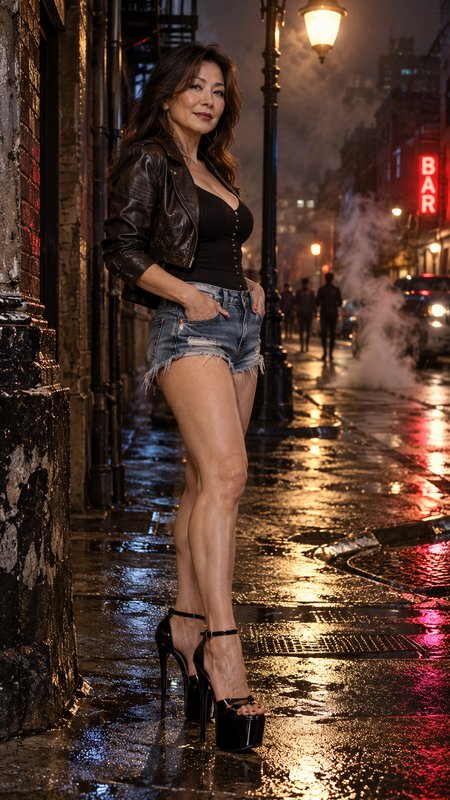
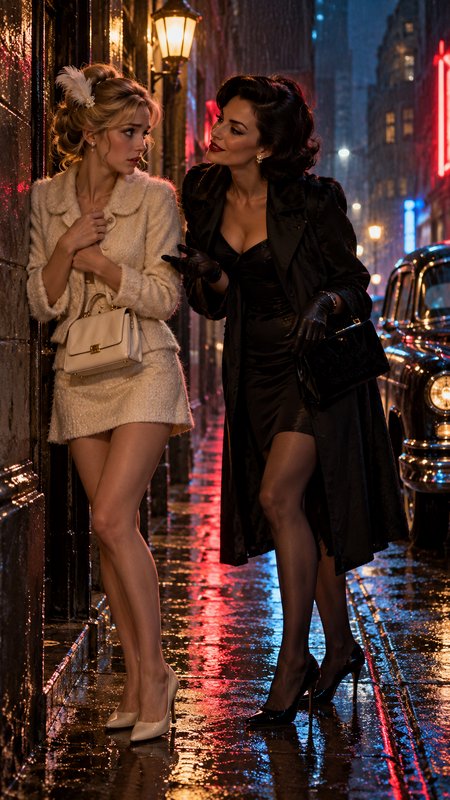
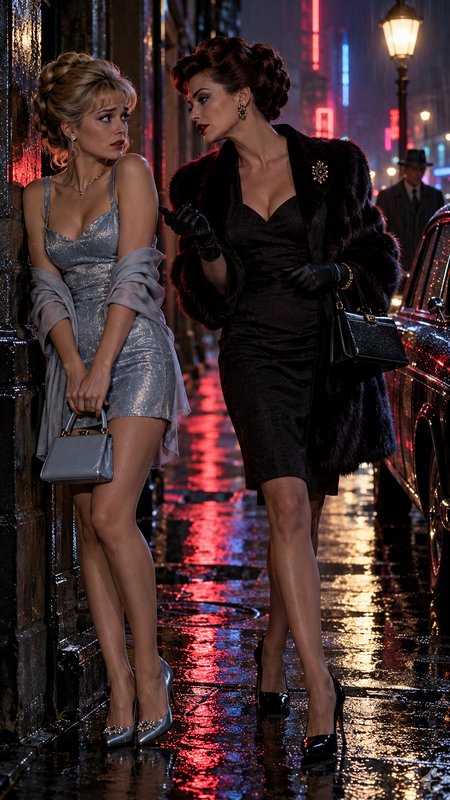
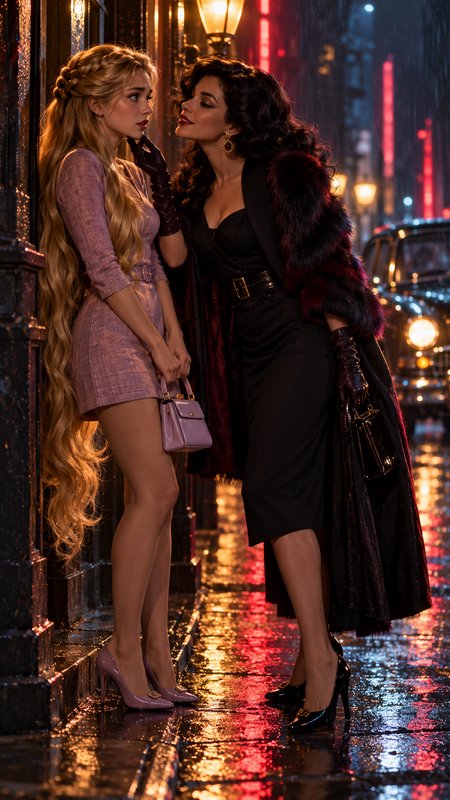
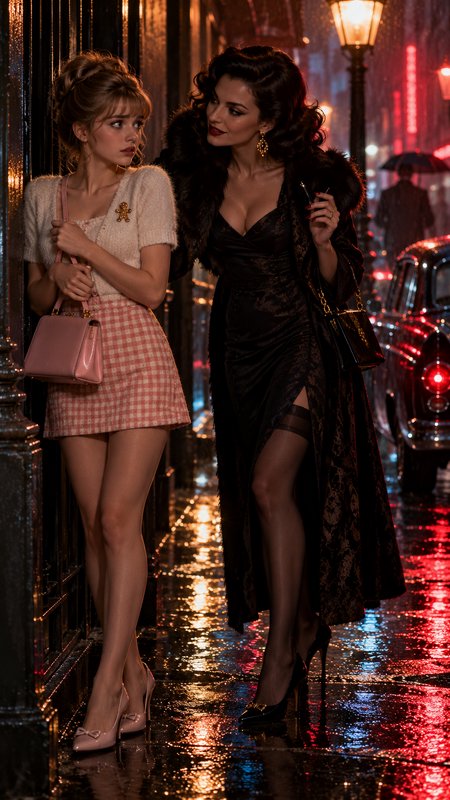
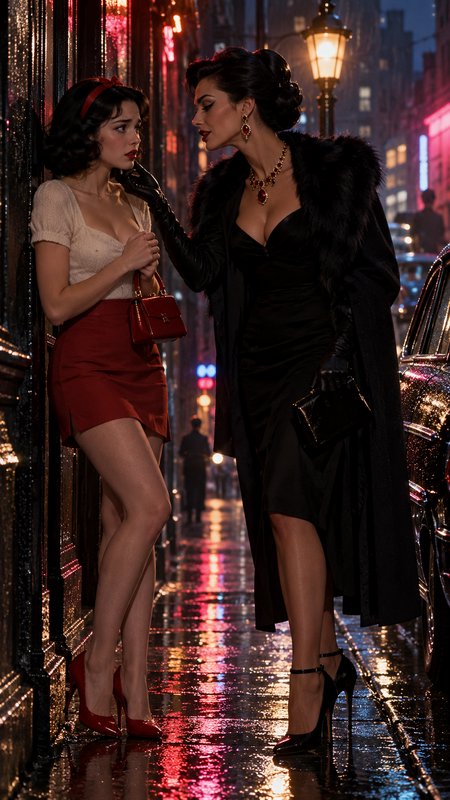
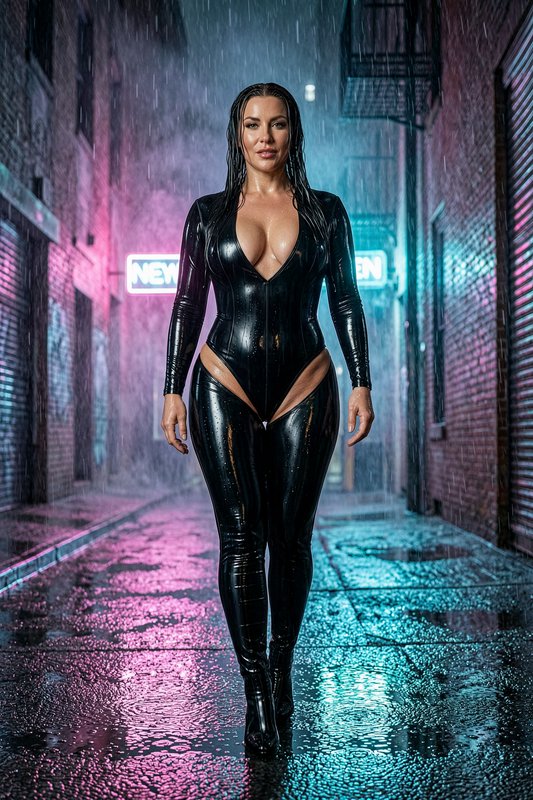
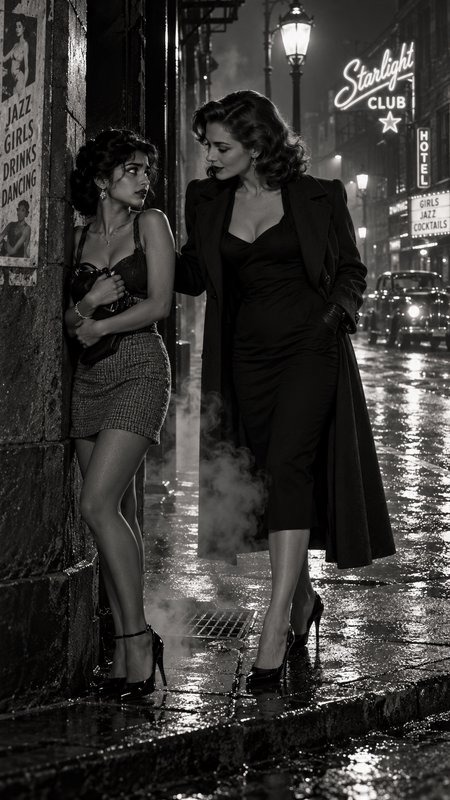
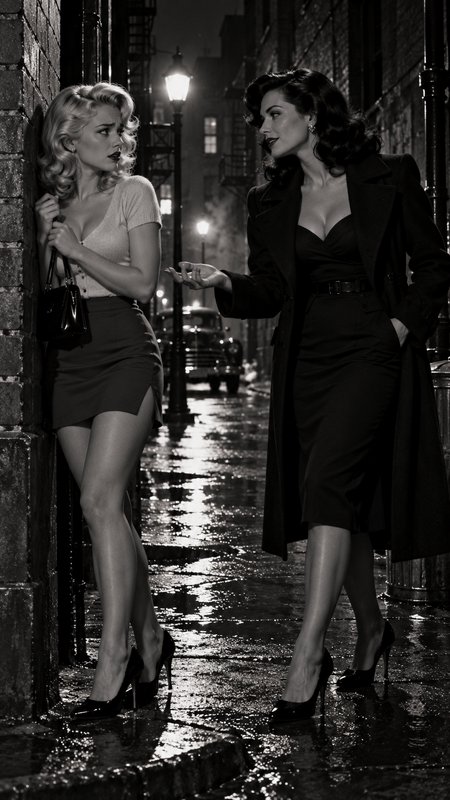
Cinematic images borrow the grammar of film rather than photography: deliberate framing, controlled and motivated light, shallow depth, and a sense that the frame is one moment out of a longer scene. In practice the look comes from three things — a wide or anamorphic aspect, light that appears to come from somewhere in the world, and a colour palette that stays disciplined instead of showing every hue at once.
4 images on this page are published under Creative Commons licences — free to use and adapt, including commercially, if you credit the creator. Look for the licence badge on a tile, or open it to see the exact credit line. How licensing works
Make your own cinematic image
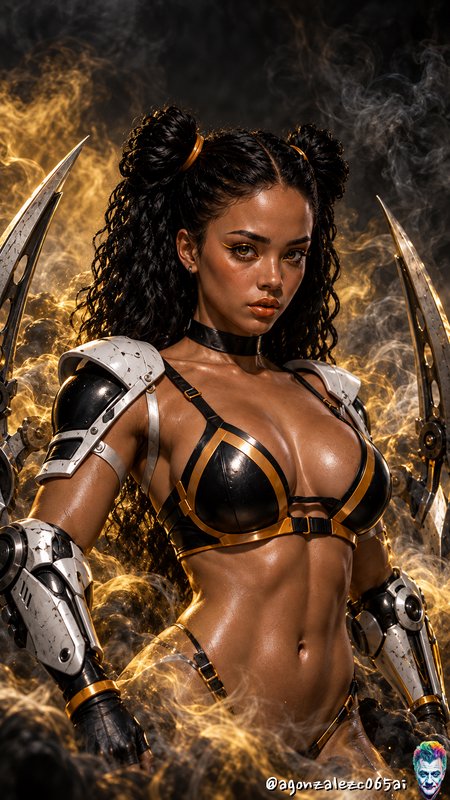
Everything in this grid was generated on BudgetPixel. Describe what you want and the same models will make it.
Start creatingMake your own cinematic image
Everything in this grid was generated on BudgetPixel. Describe what you want and the same models will make it.
Start creating
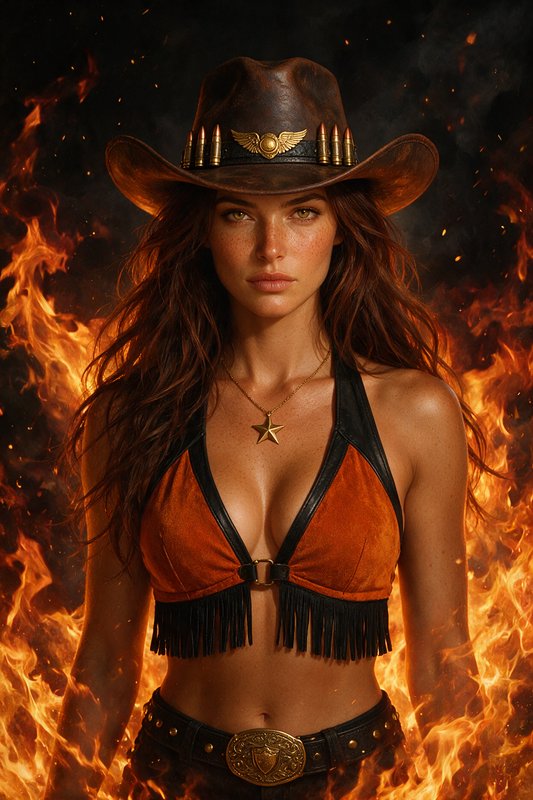
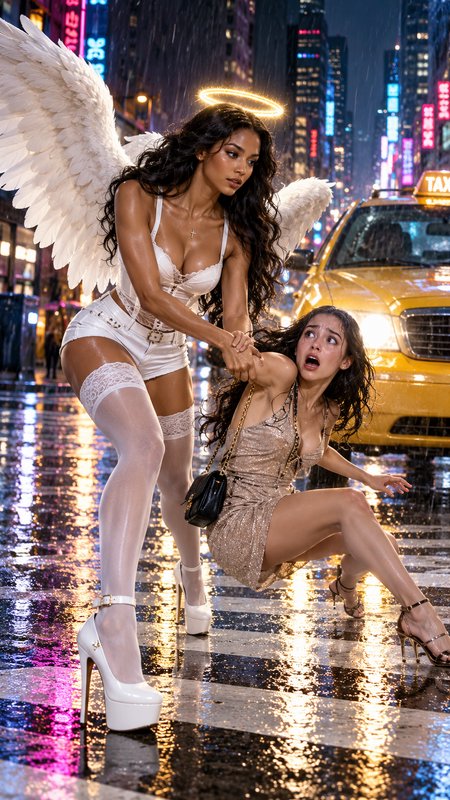
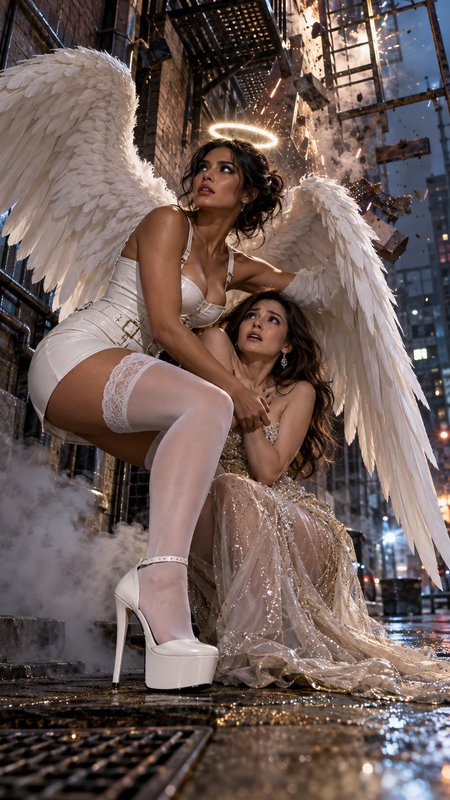
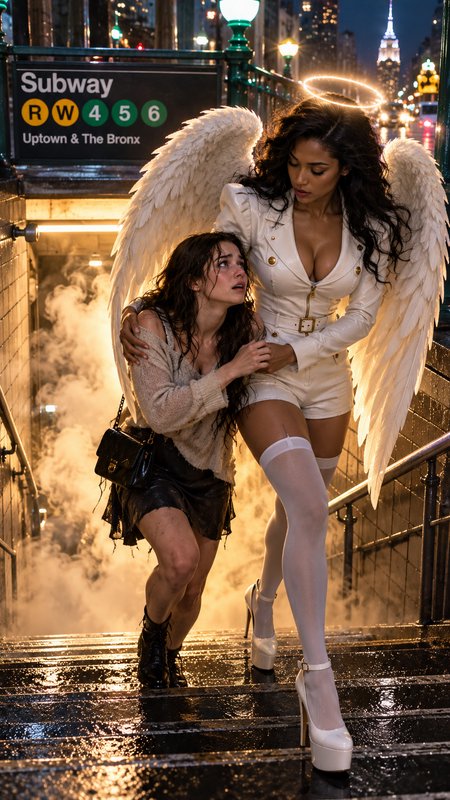
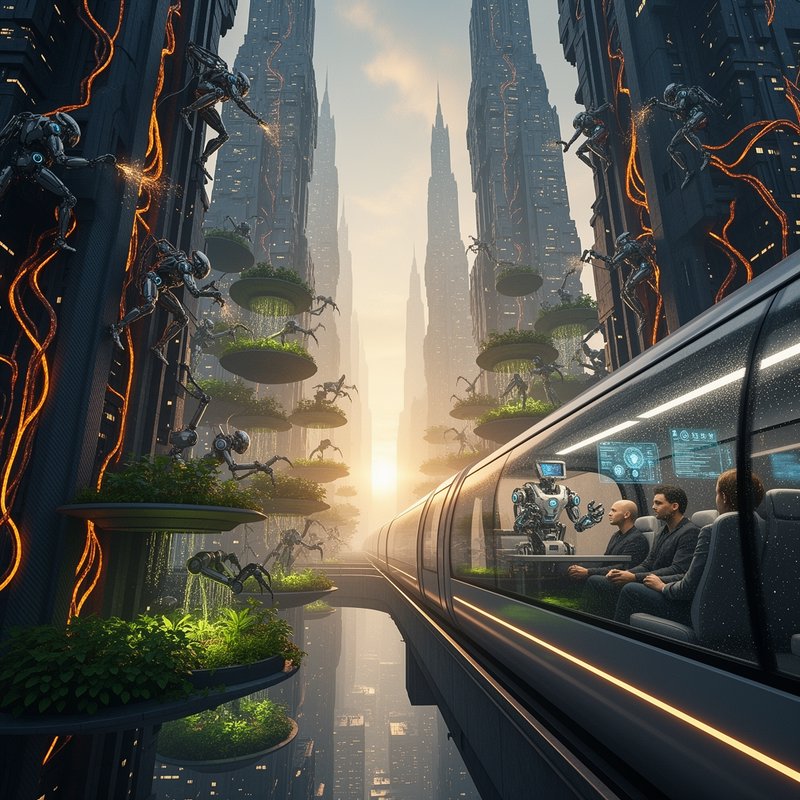
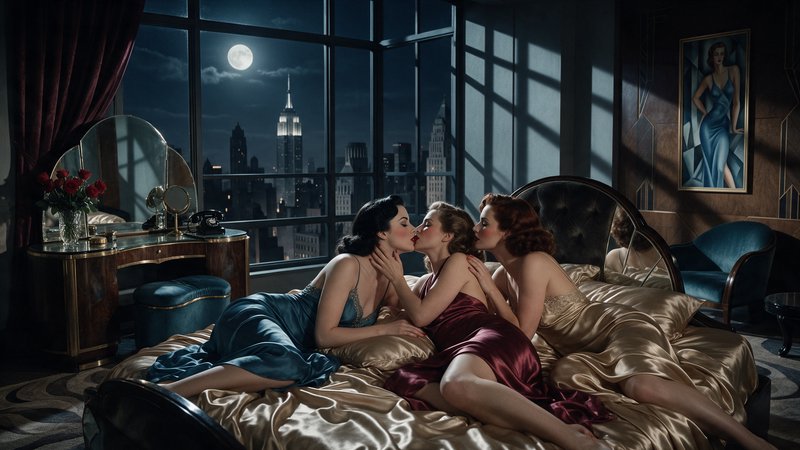
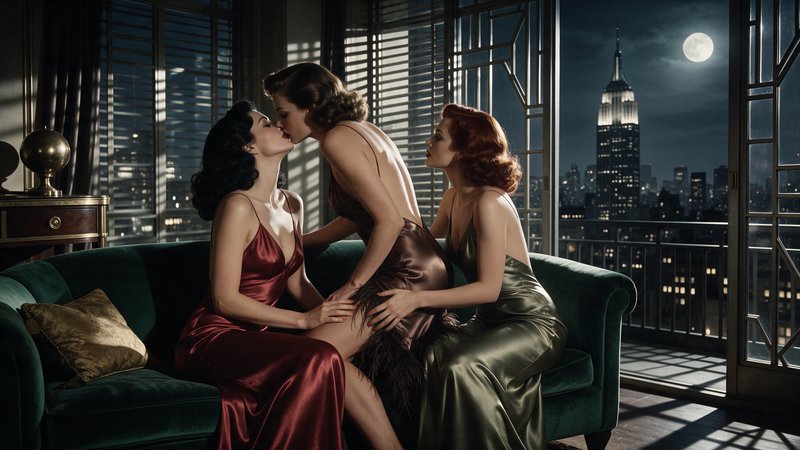
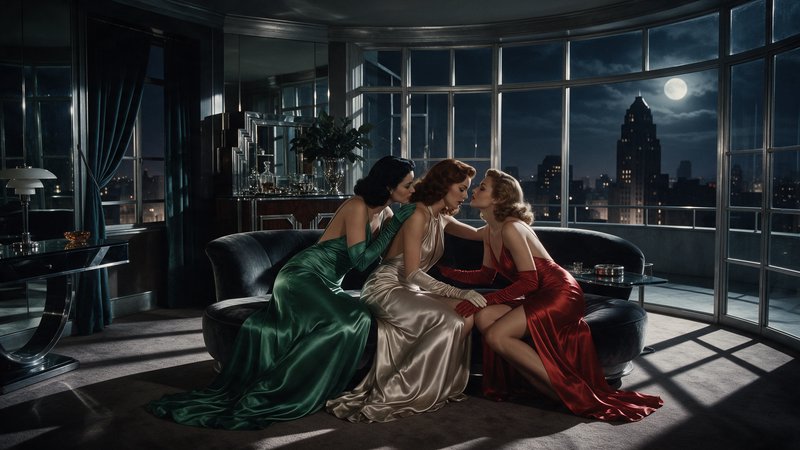

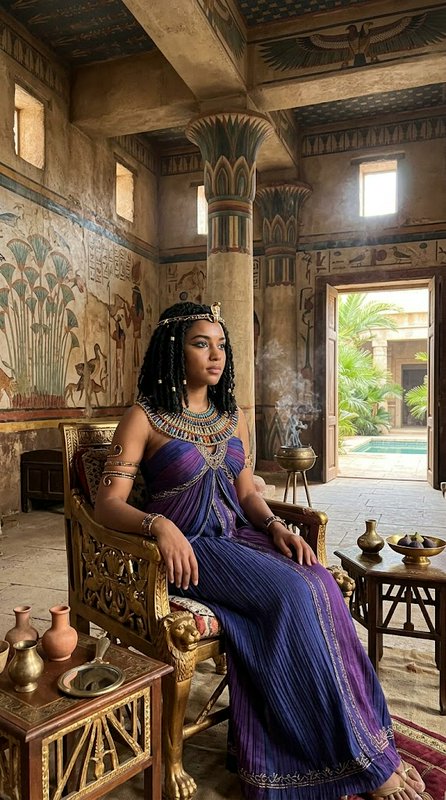
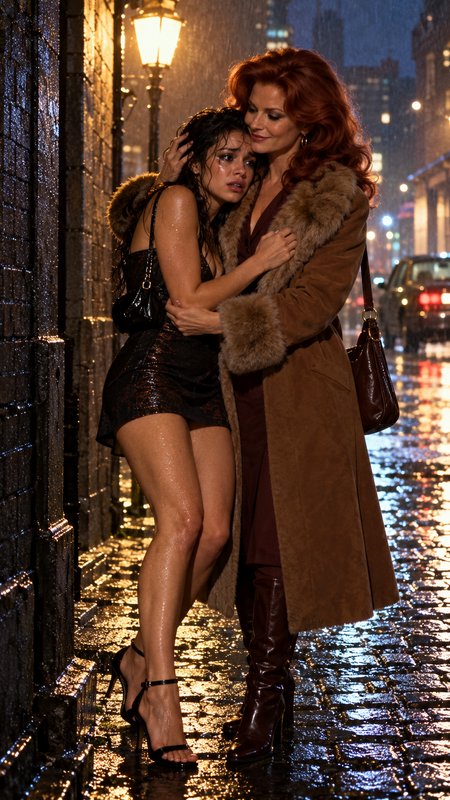
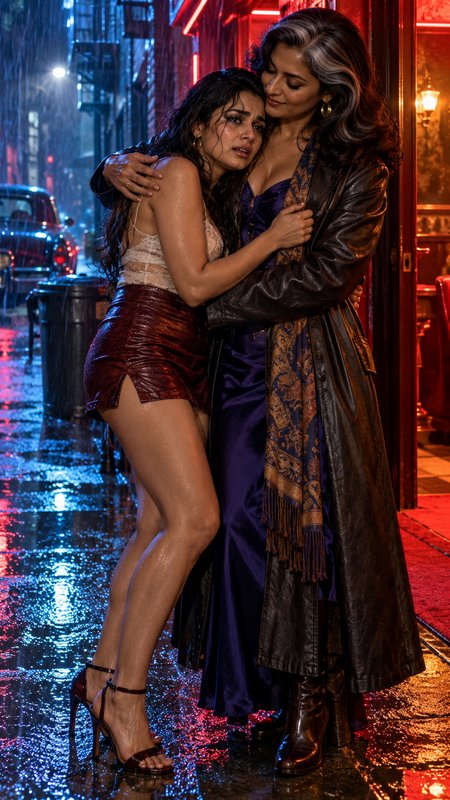
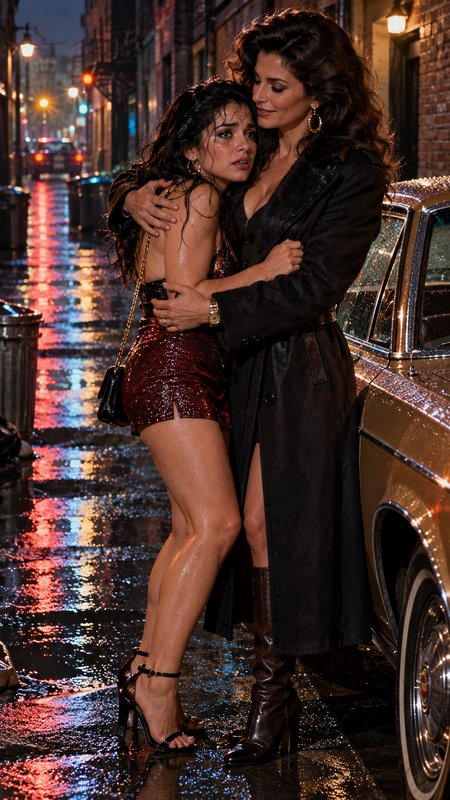
Cinematic prompts to start from
Working prompts, not fragments. Open one to load it into the generator, then change whatever you like.
- A lone figure at the end of a rain-slick alley, single sodium streetlamp, 35mm, shallow depth, 21:9 framingUse →
- Two people not looking at each other across a diner booth at 3am, fluorescent overhead, muted teal and amber paletteUse →
- Wide shot of a car stopped on an empty desert highway at dusk, headlights on, dust hanging in the airUse →
Cinematic AI images: common questions
How do I make an AI image look cinematic?
Describe the shot, not the mood. A lens length, a camera height, and a light source do more than the word cinematic: a 35mm lens at chest height lit by a single practical lamp reads as film immediately. Adding an aspect ratio near 2.39:1 and asking for restraint in the palette finishes the effect.
What is the difference between cinematic and photorealistic?
Photorealism is about whether the image could be a photograph. Cinematic is about whether it could be a frame from a film — which allows stylised colour, impossible light and heavy atmosphere as long as the staging is coherent. Plenty of cinematic images are deliberately not realistic.
Which aspect ratio should I use for cinematic images?
Wide. 16:9 is the safe default and 21:9 is the more filmic one; both give the subject room to sit off-centre, which is most of what makes a frame feel staged rather than snapshotted. Portrait ratios fight the effect because film language is built around horizontal space.
Related topics
Make your own cinematic images
Everything here was generated on BudgetPixel and published by the person who made it. The same models are available to you — pick one, write a prompt, and publish the result to the community feed if you want it here.