
Oil Painting AI images
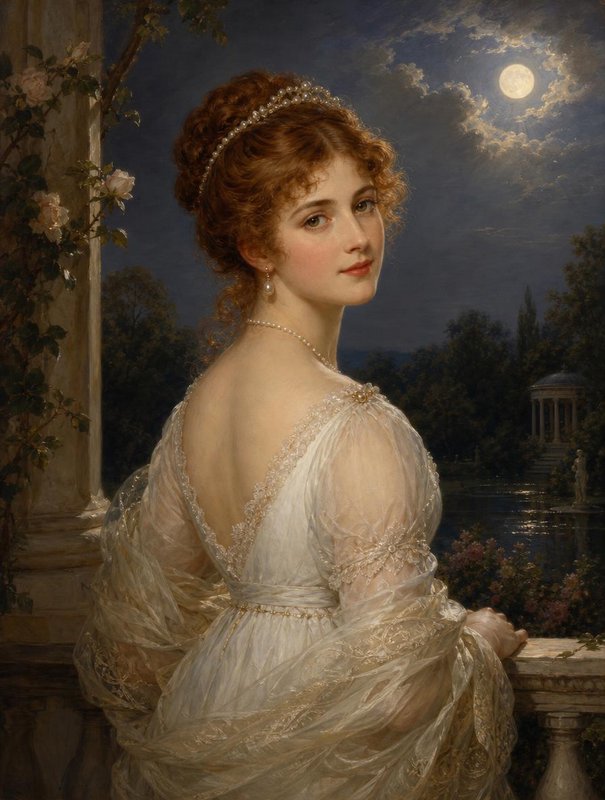
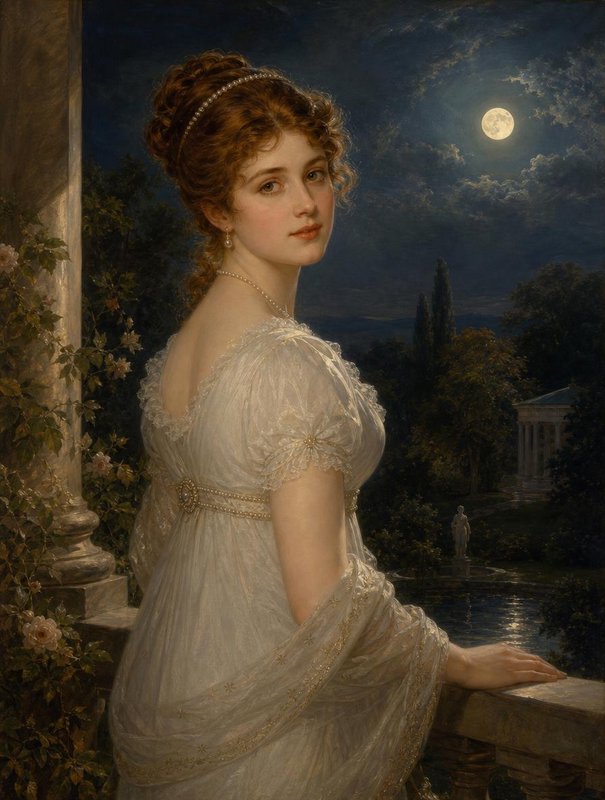
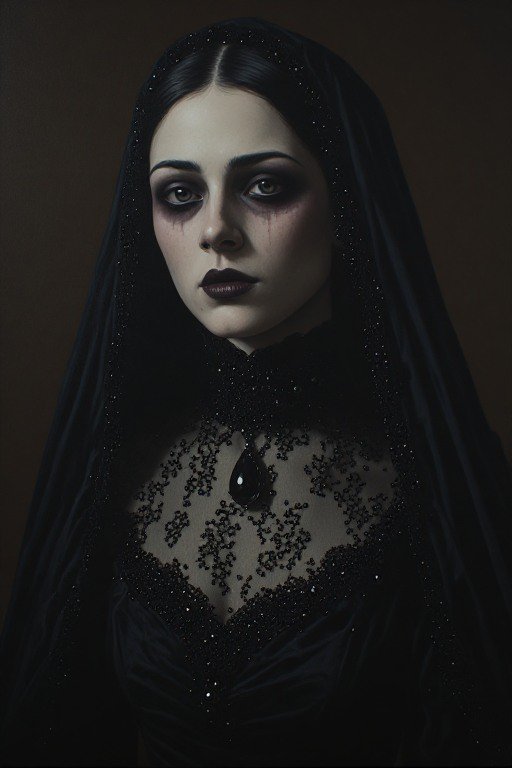
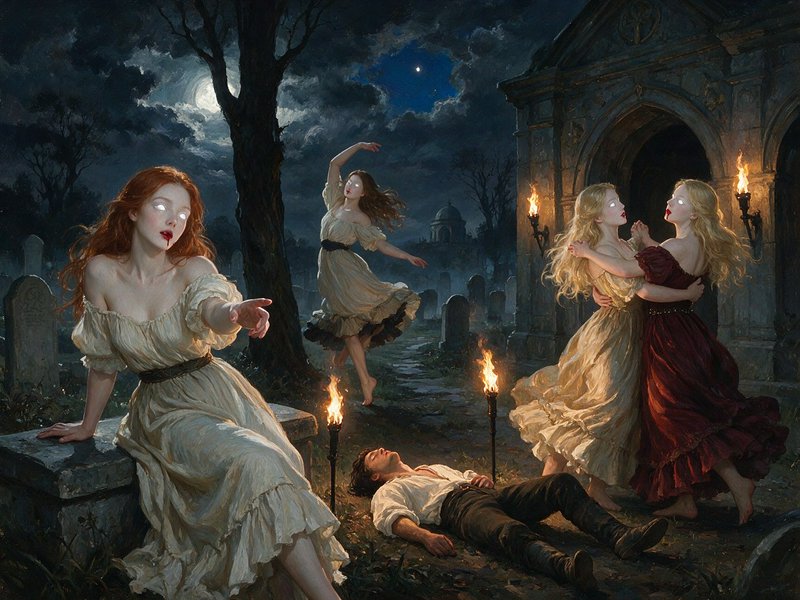
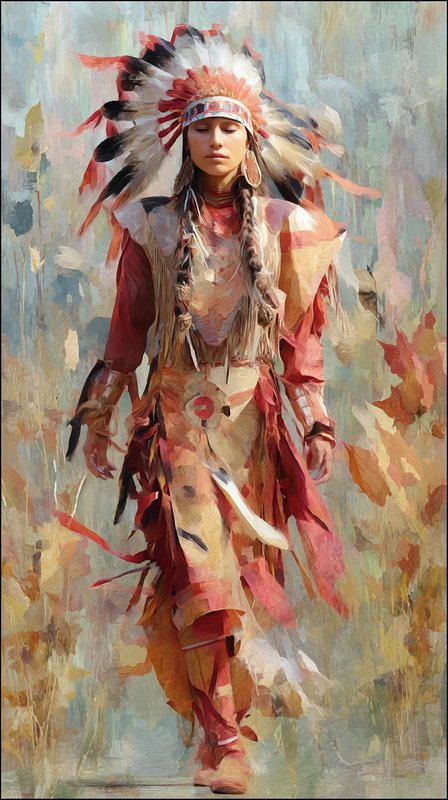
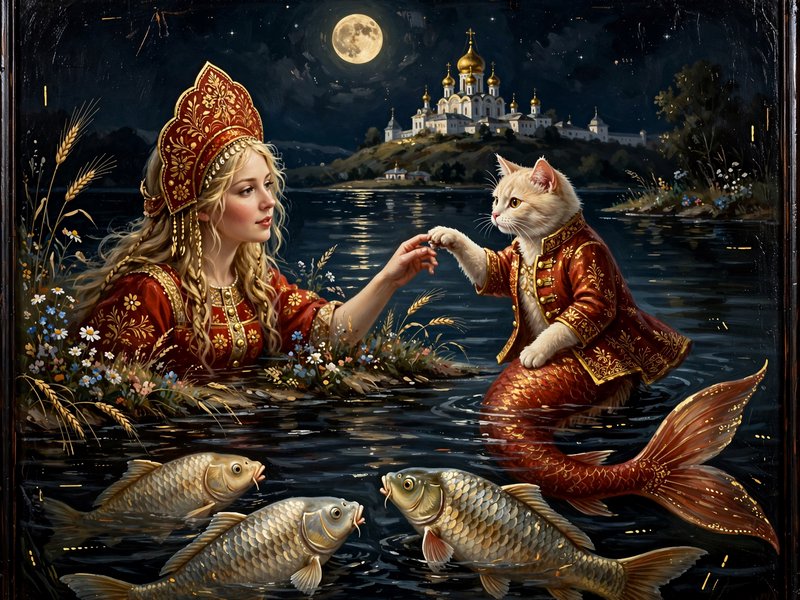
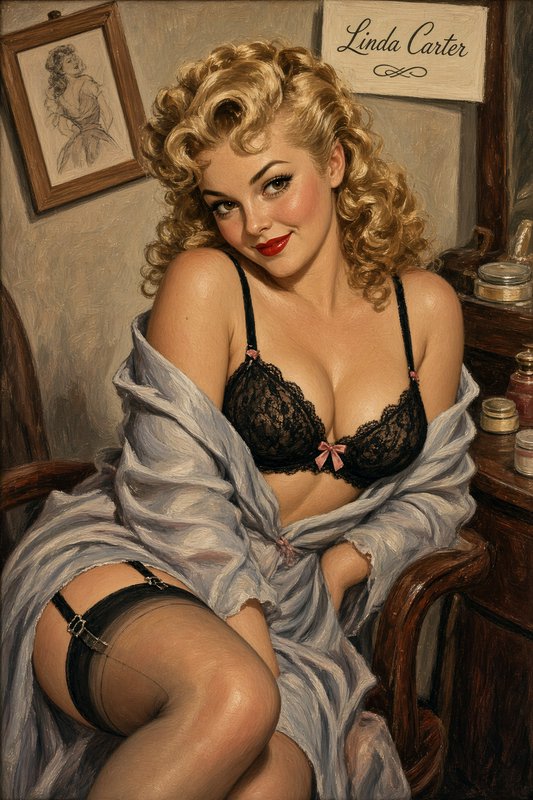
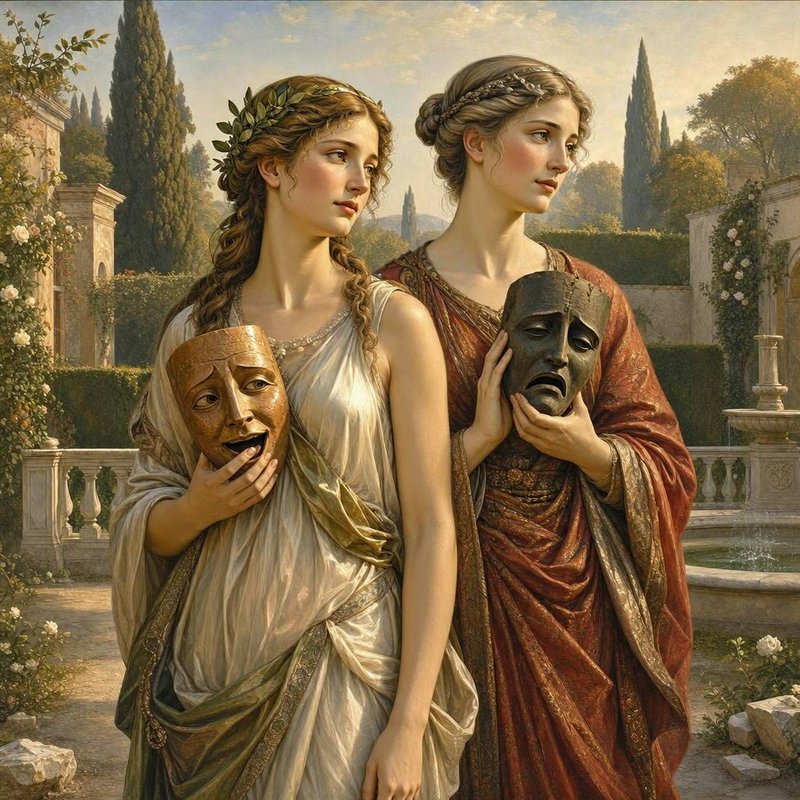
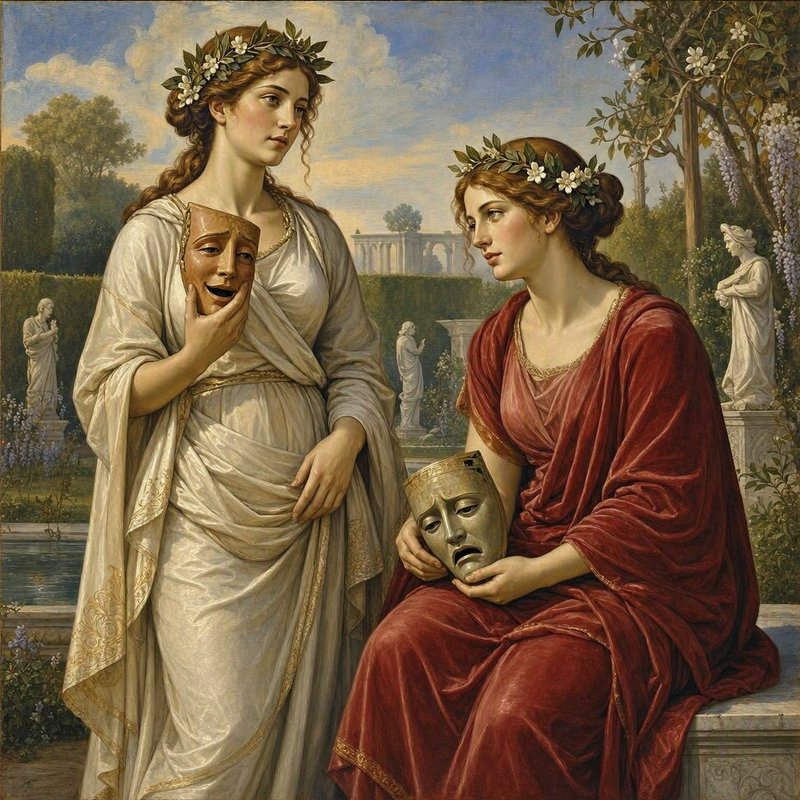
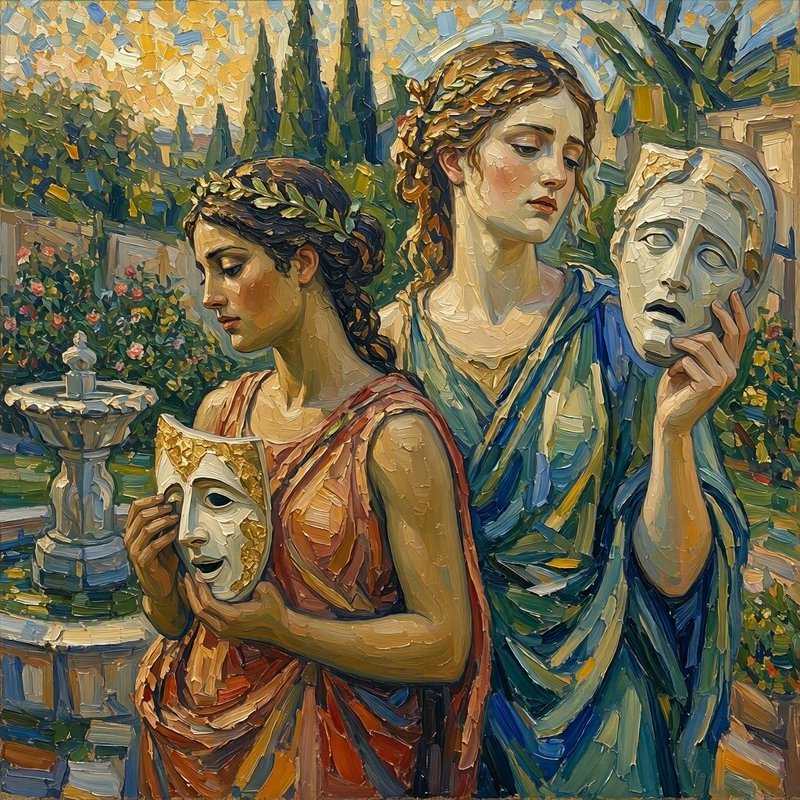
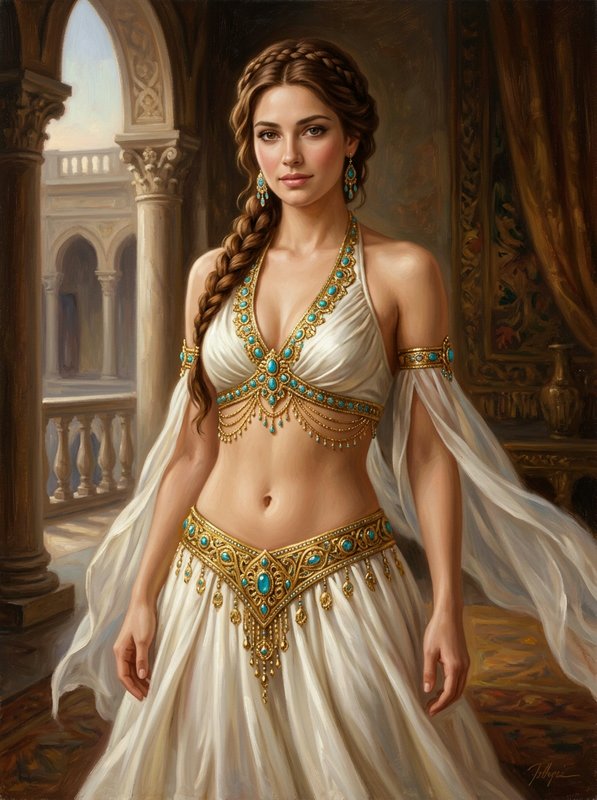
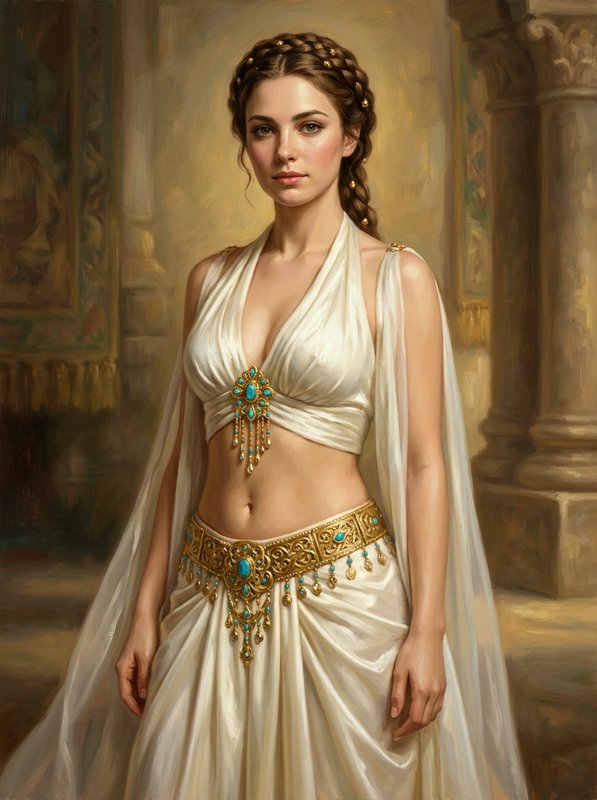
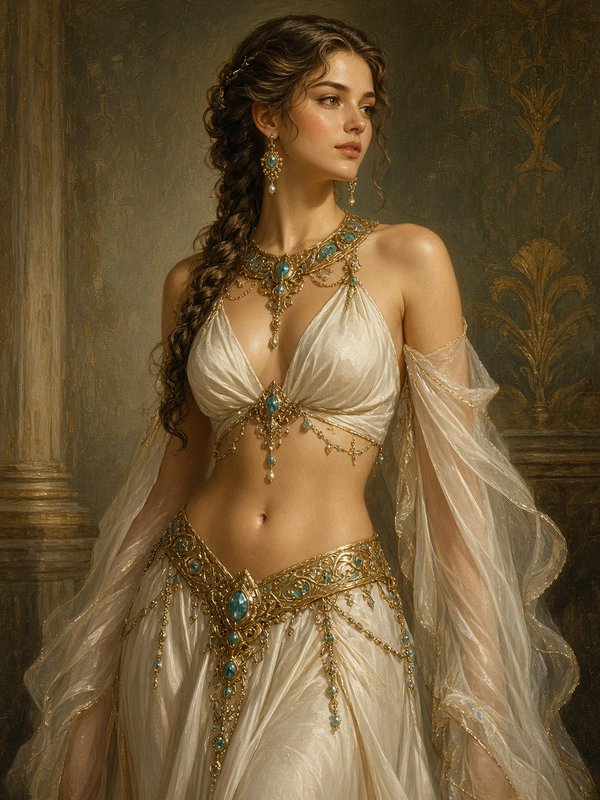
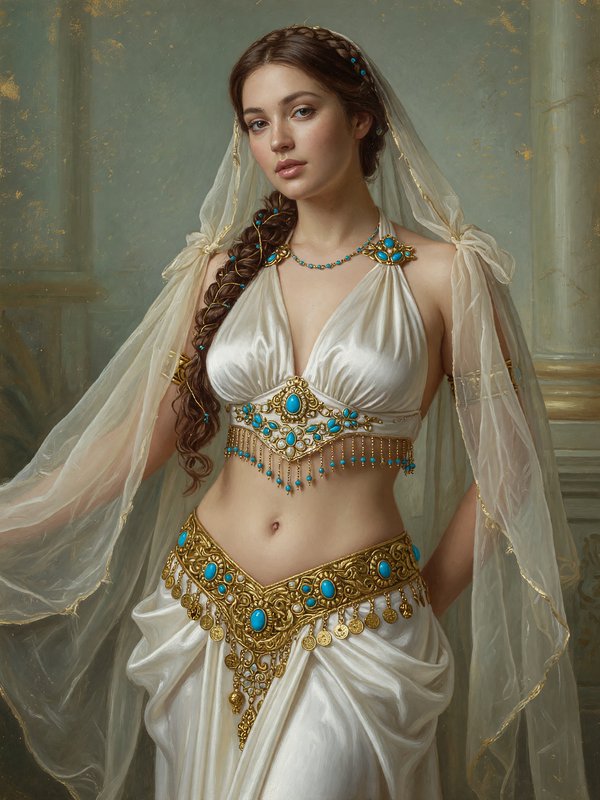
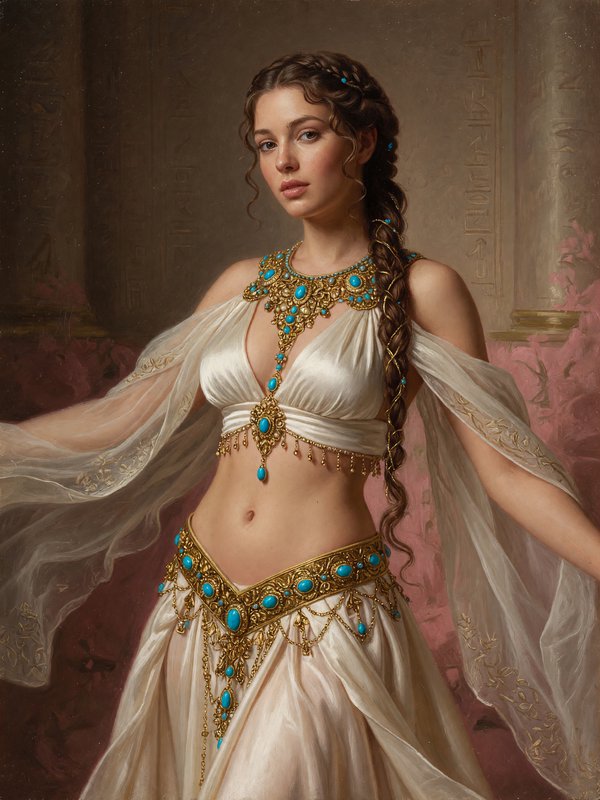
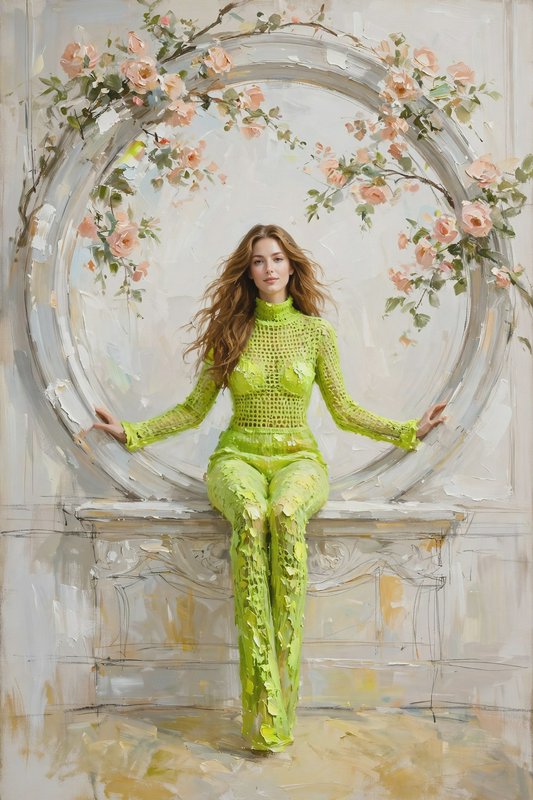
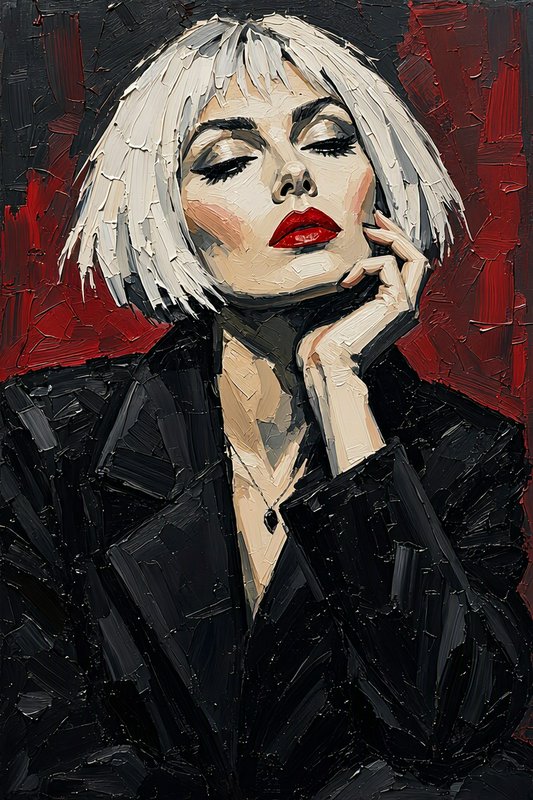
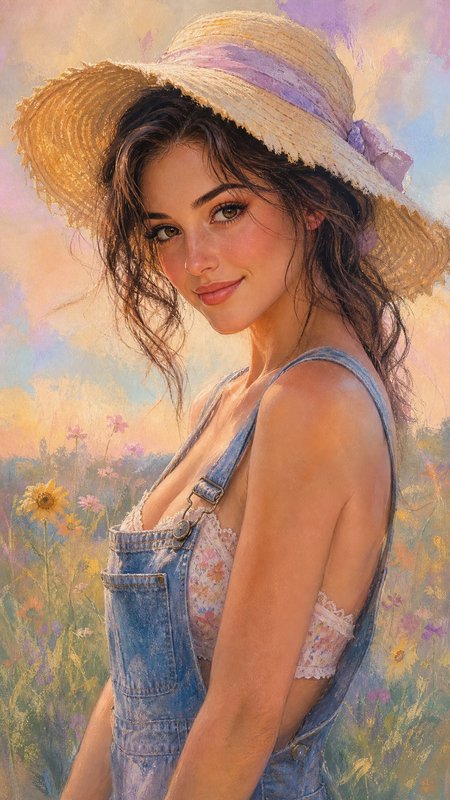
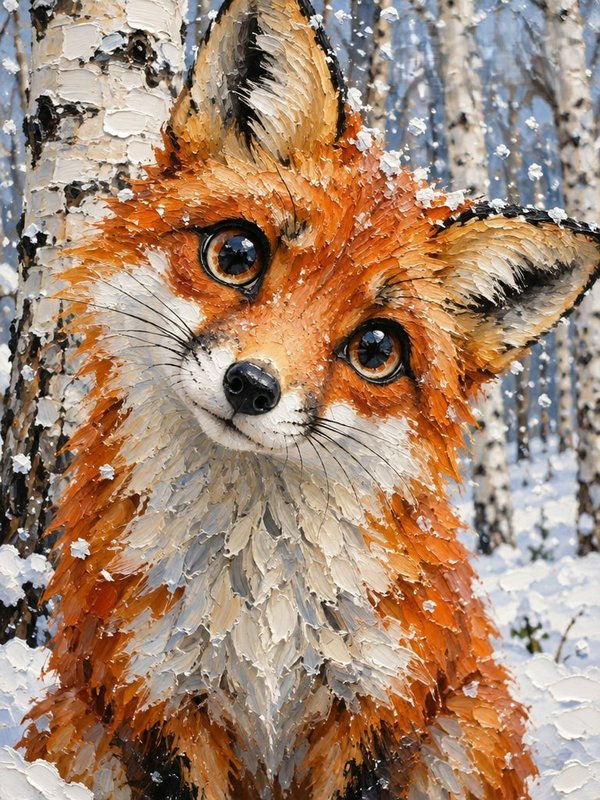
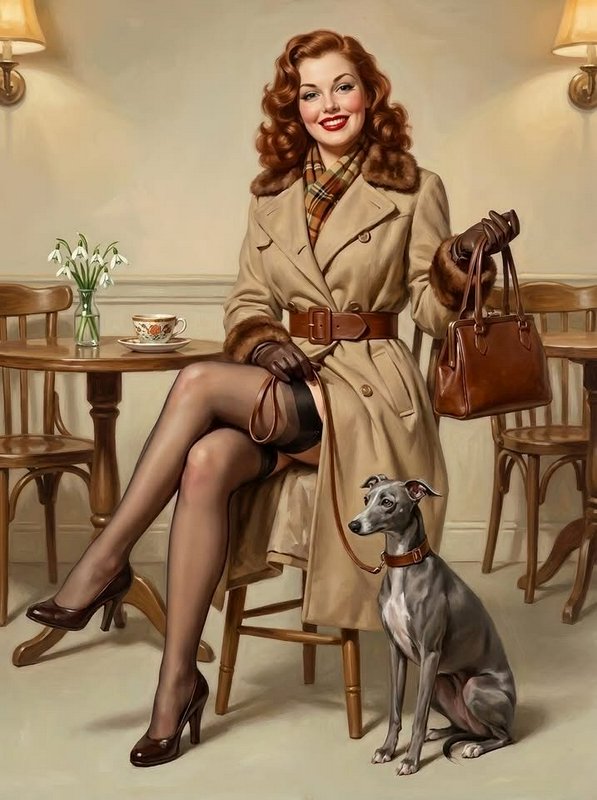
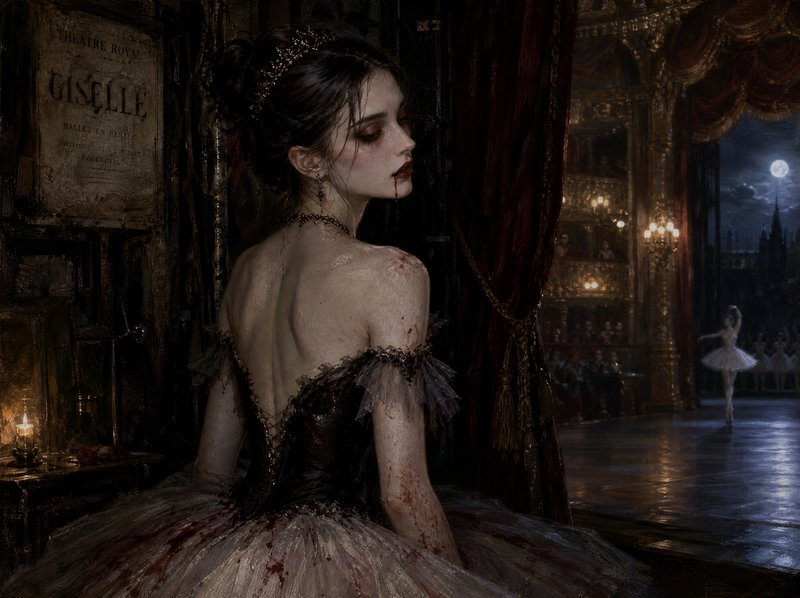
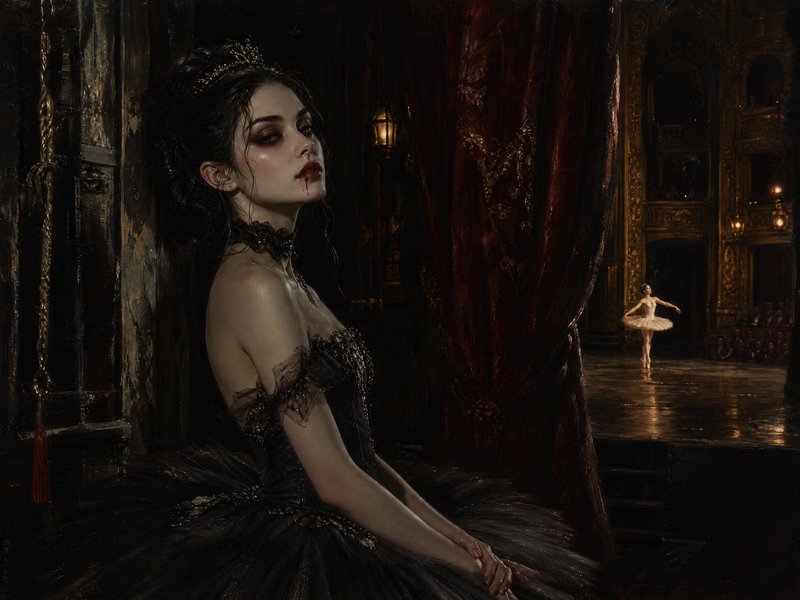
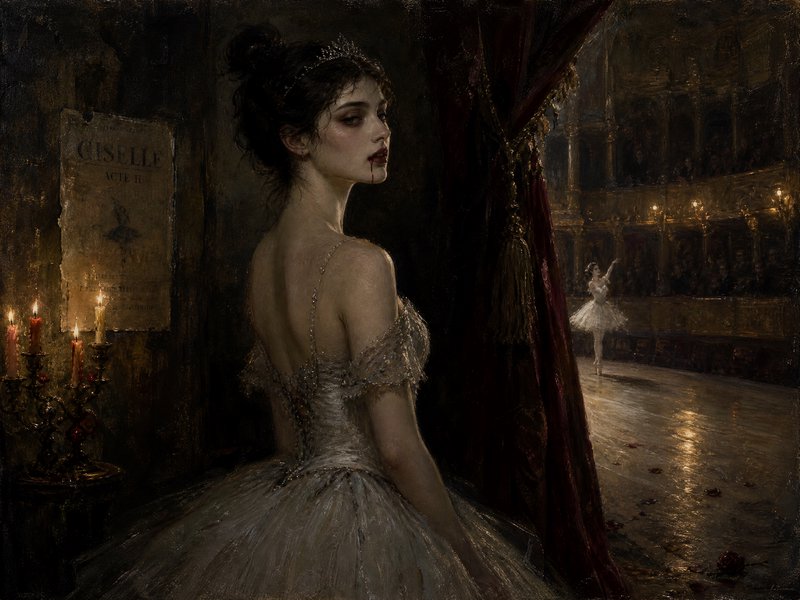
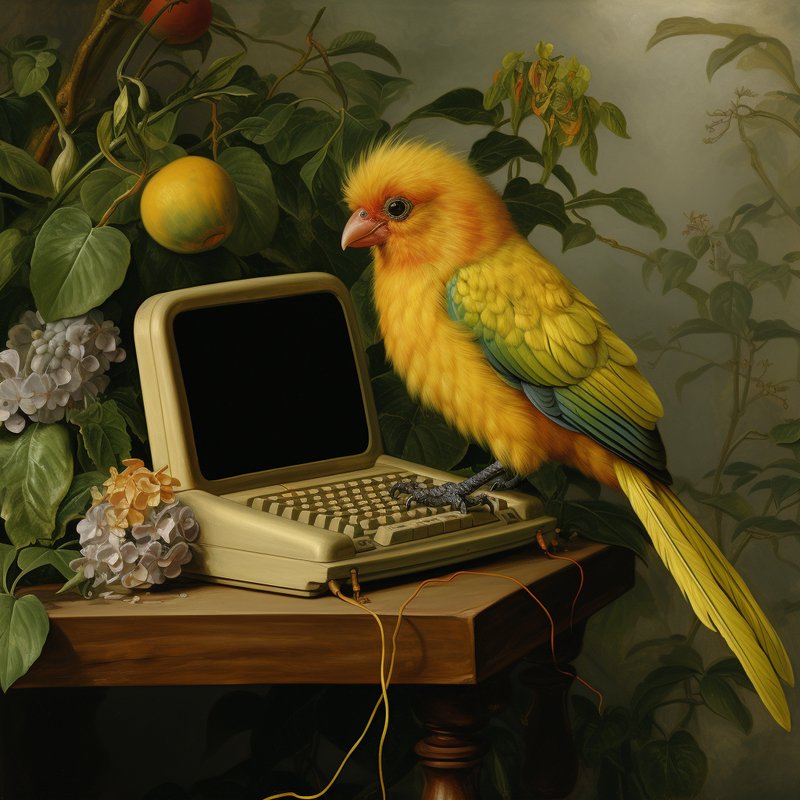
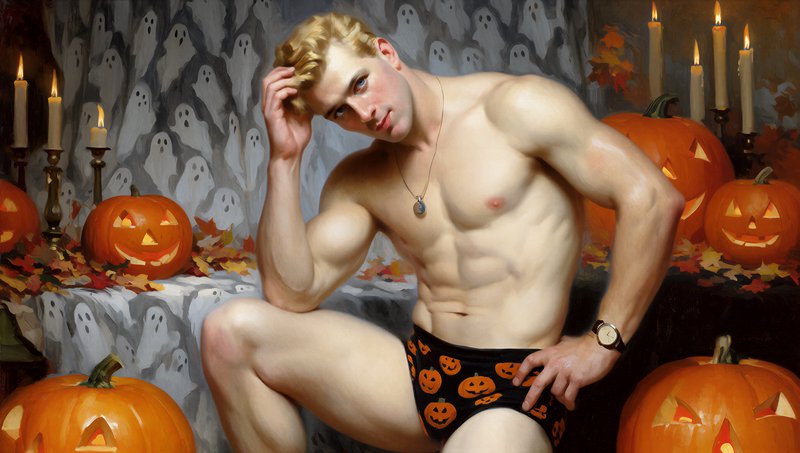
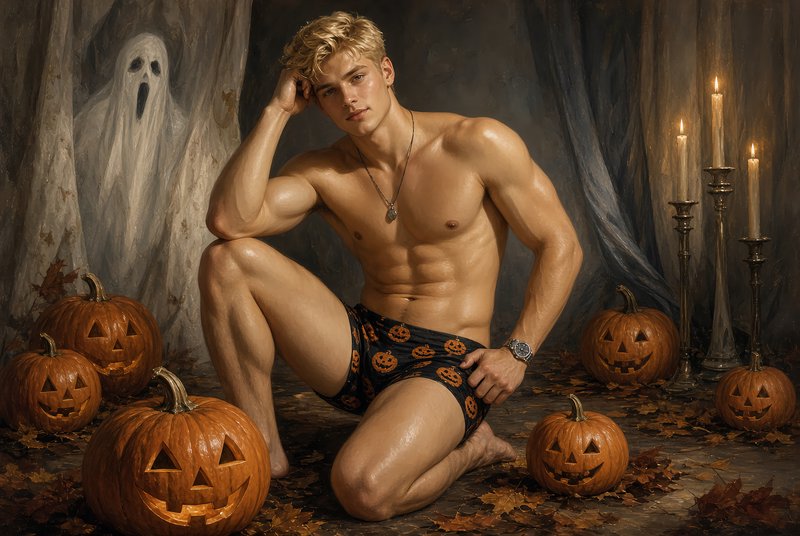
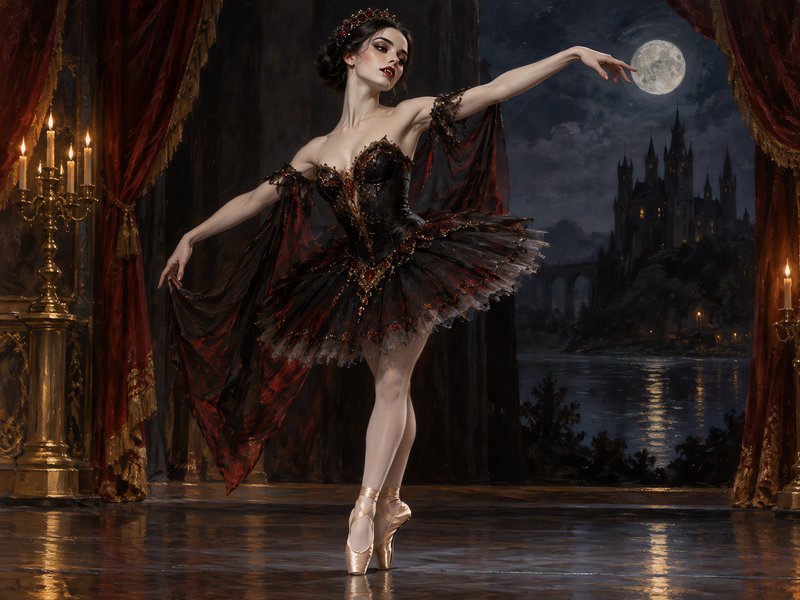
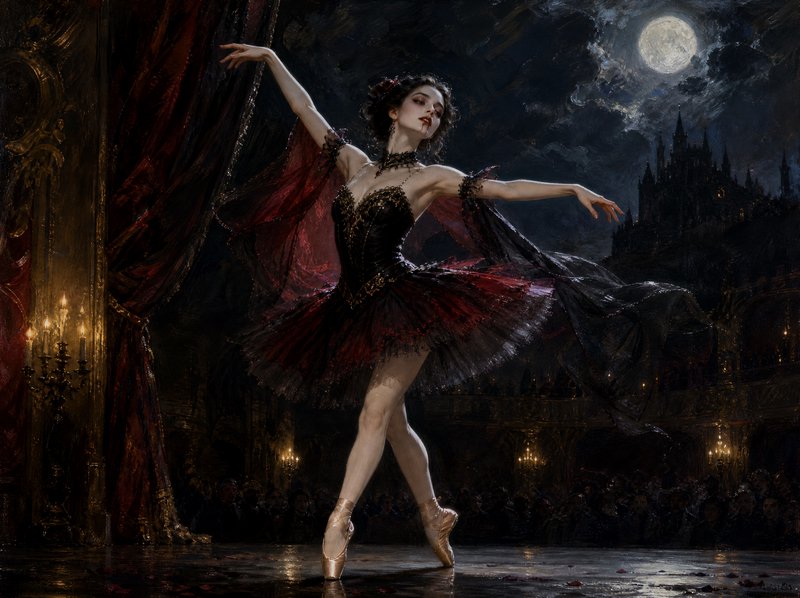
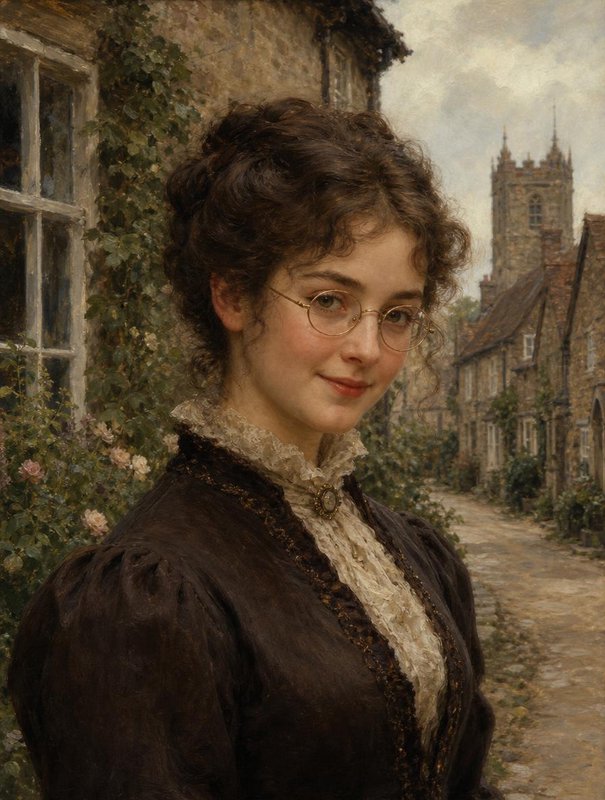
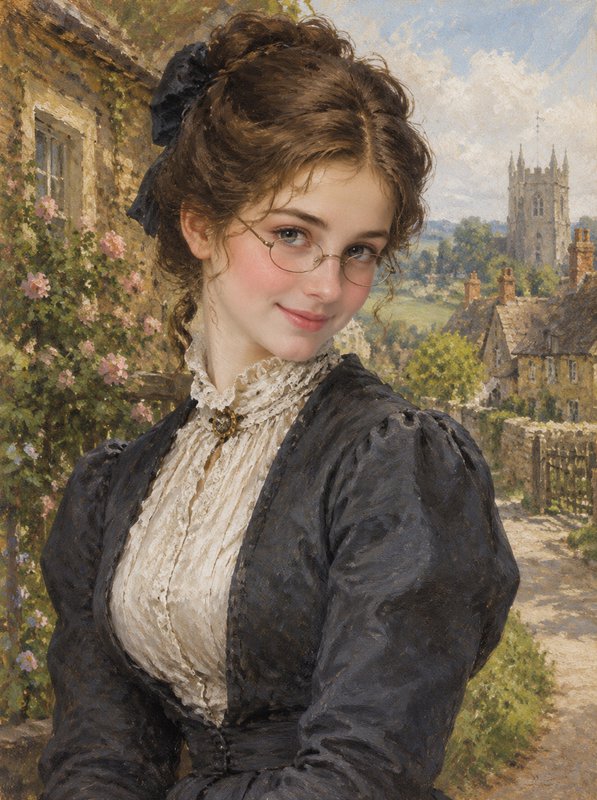
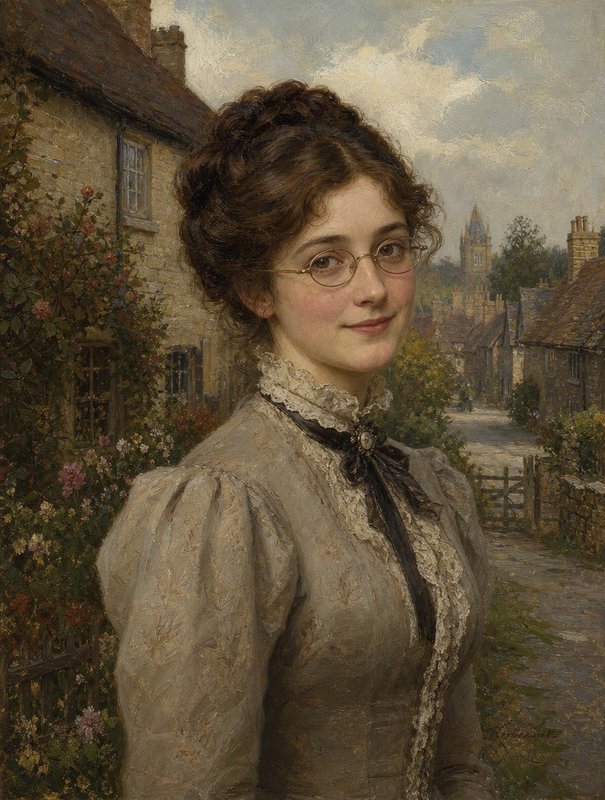
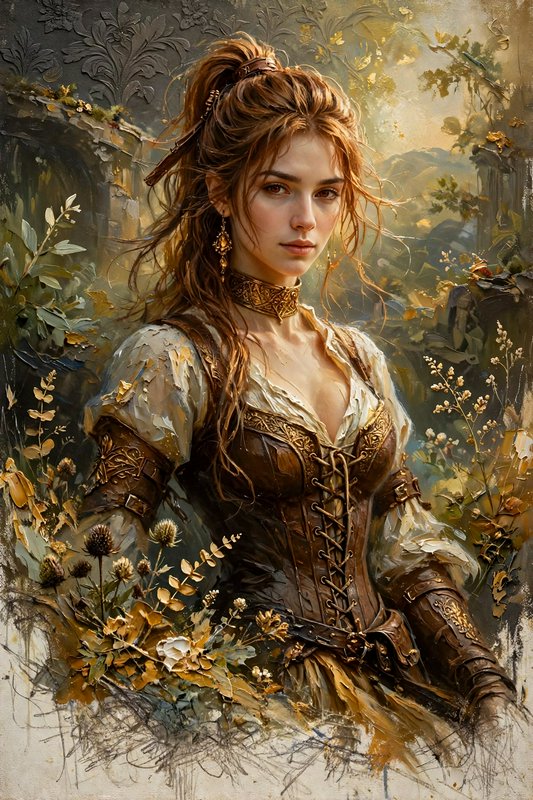
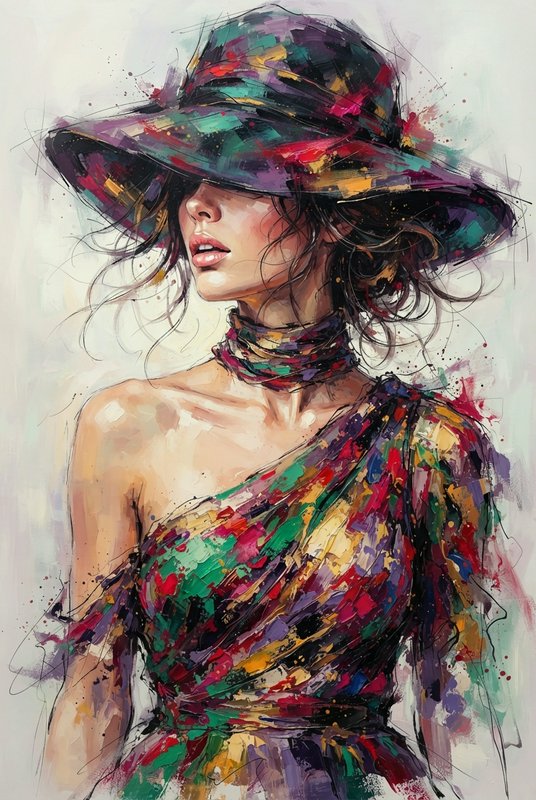
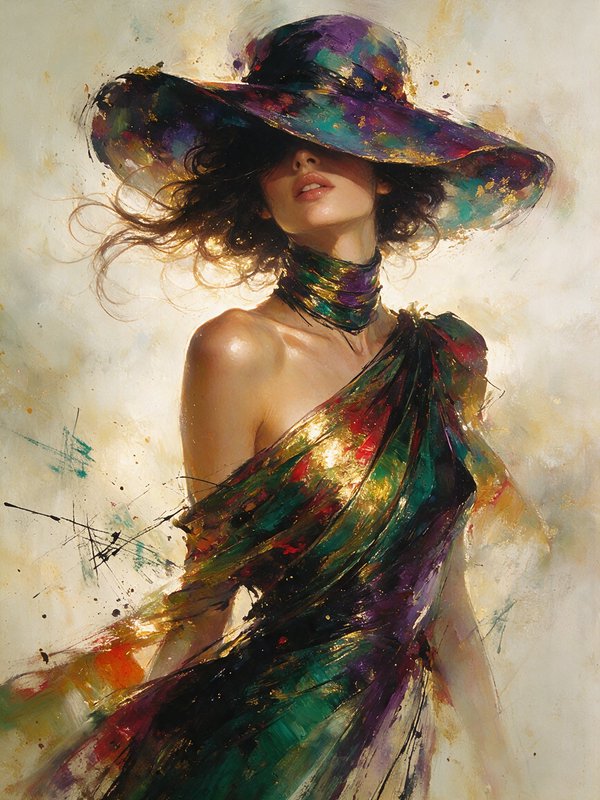
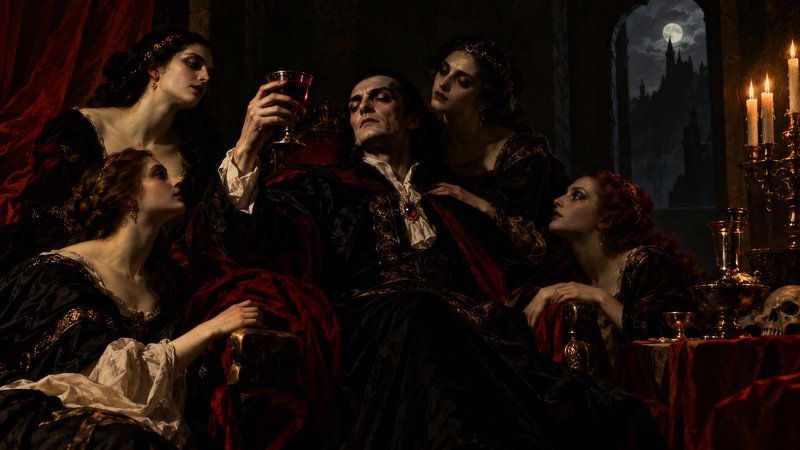
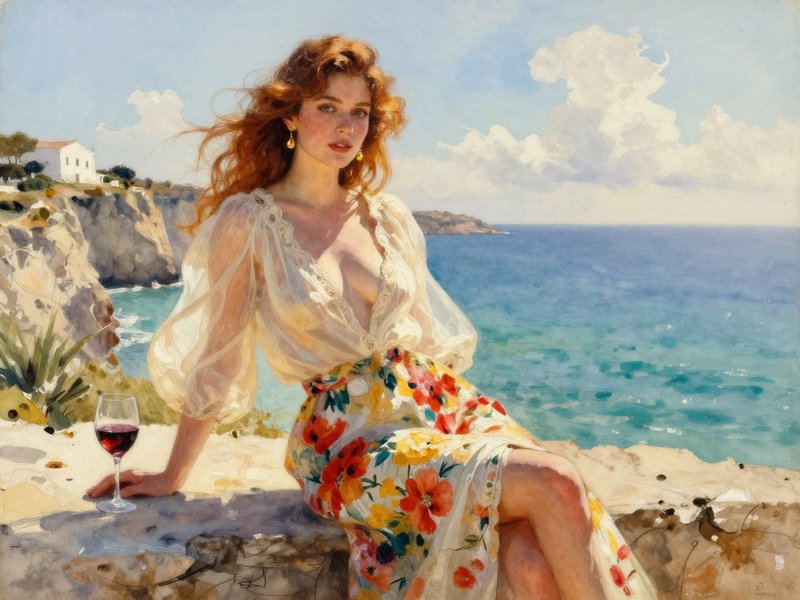
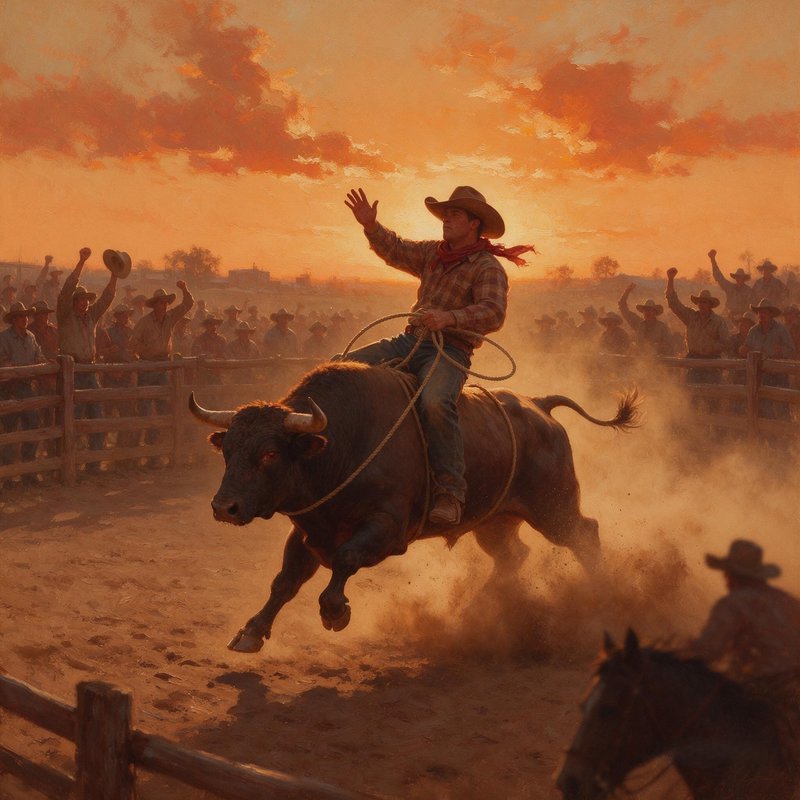
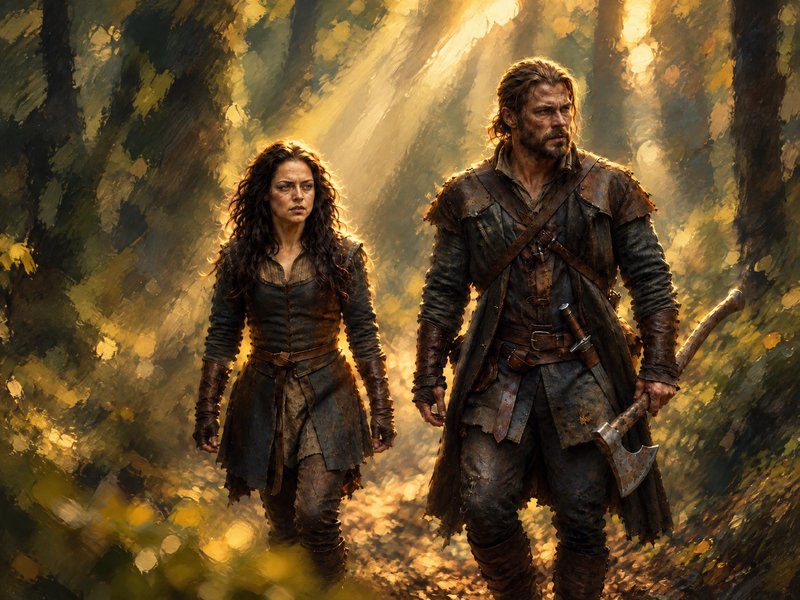
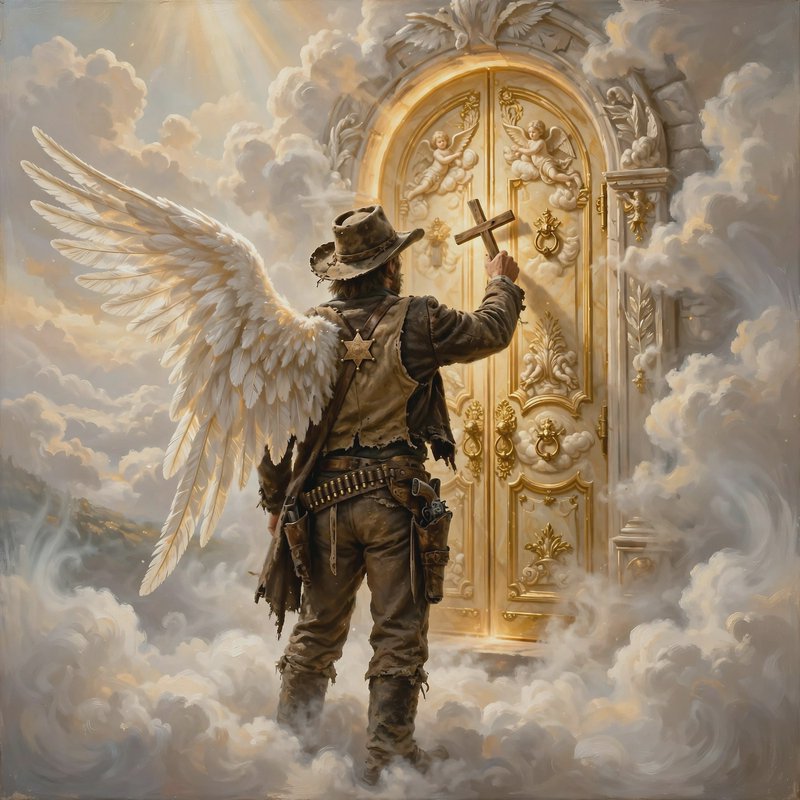
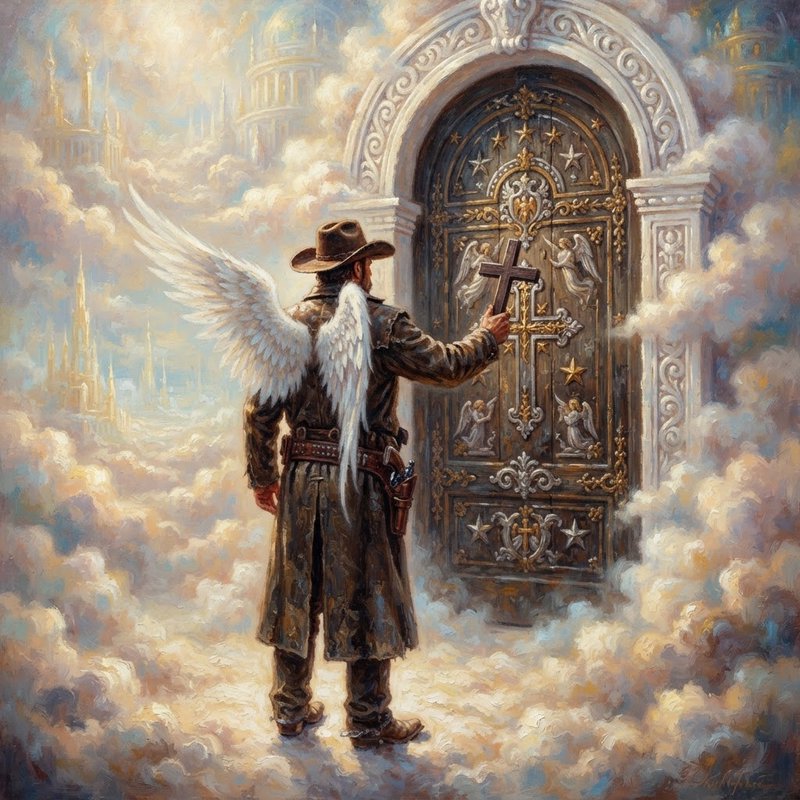
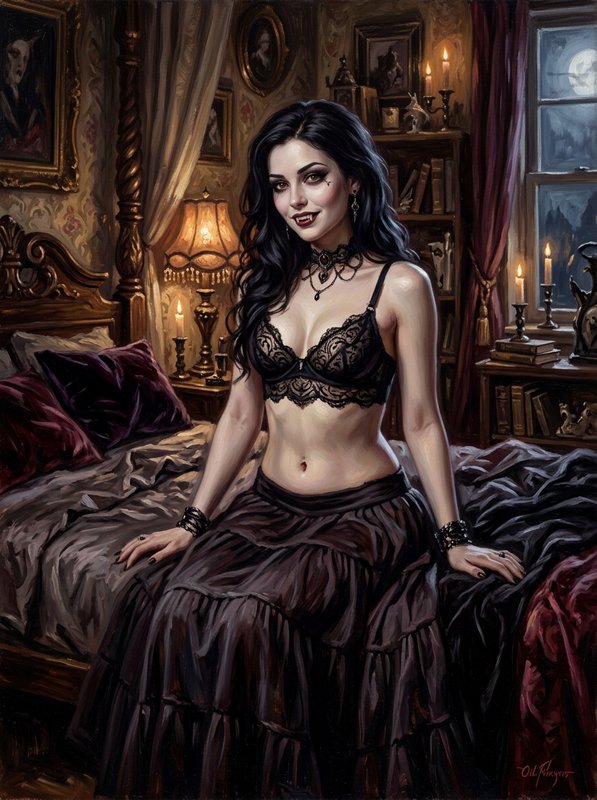
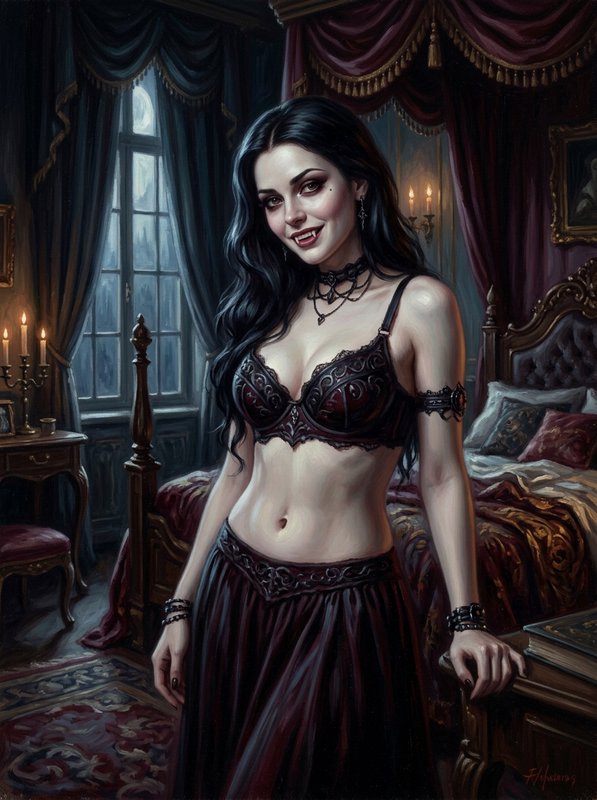
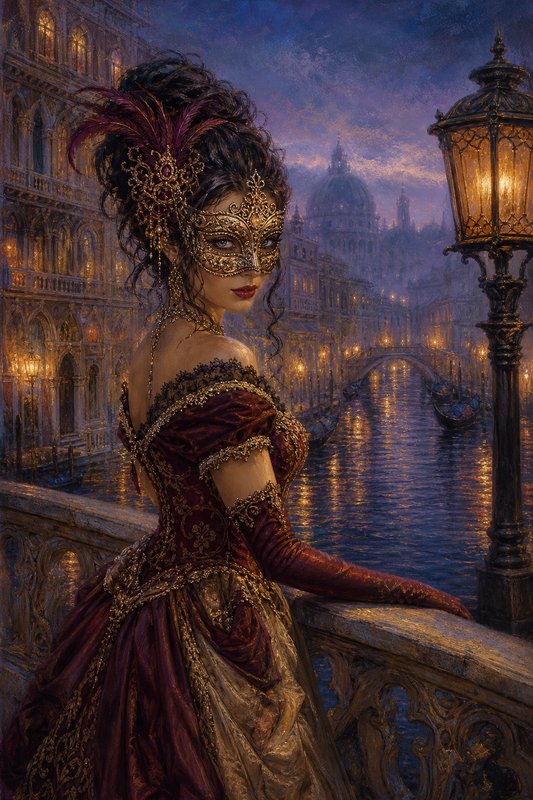
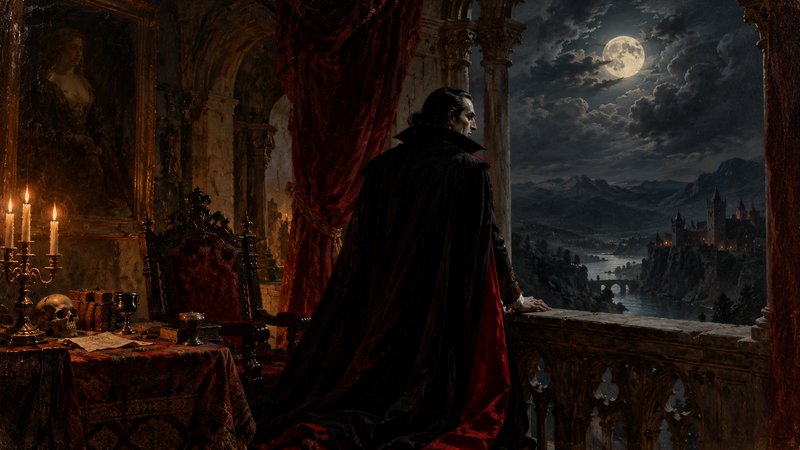
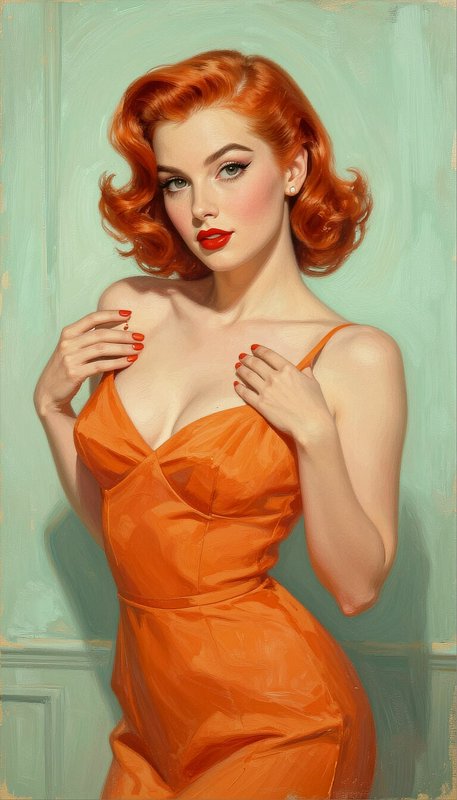
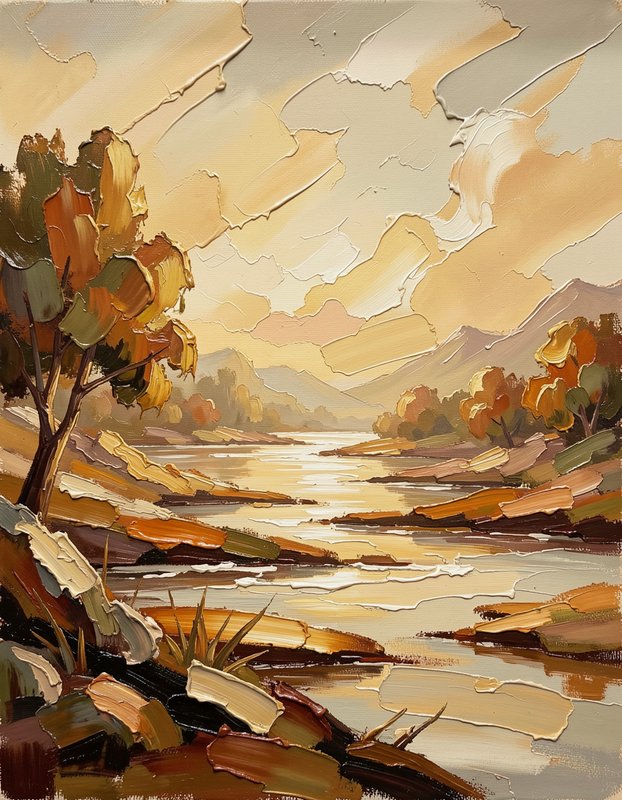
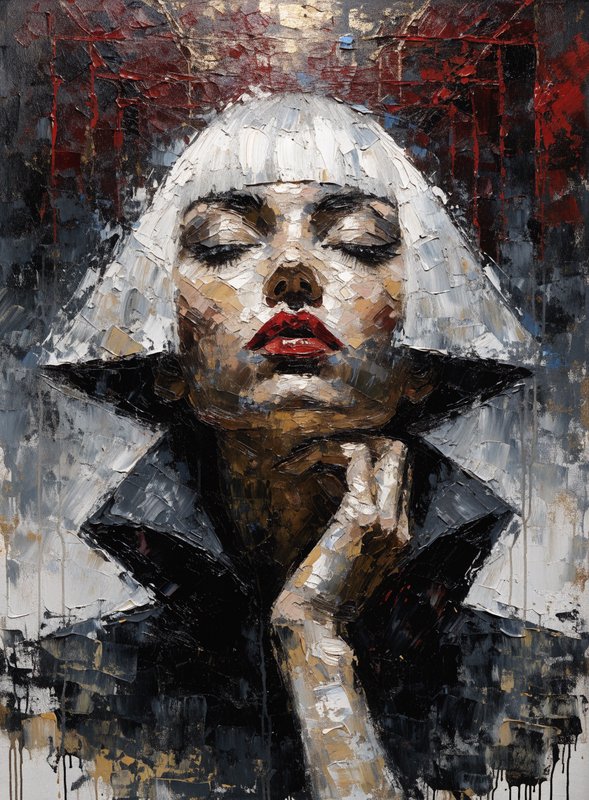
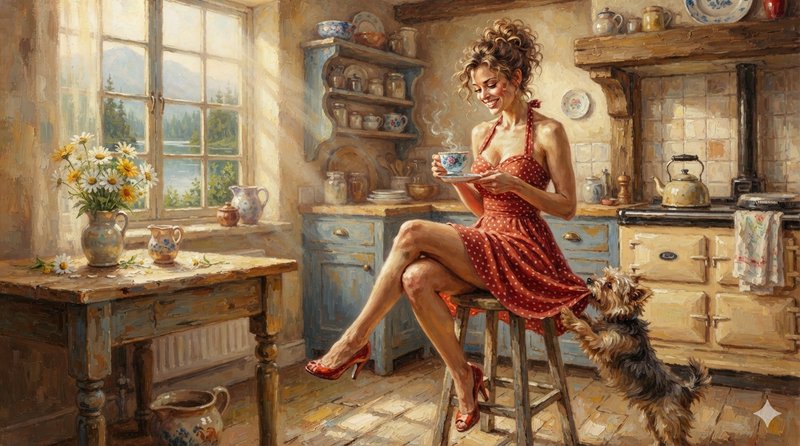
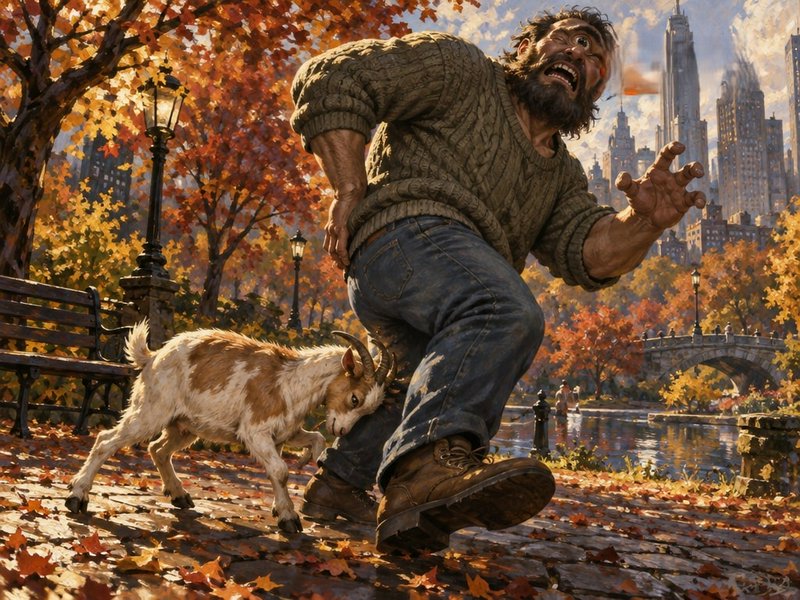
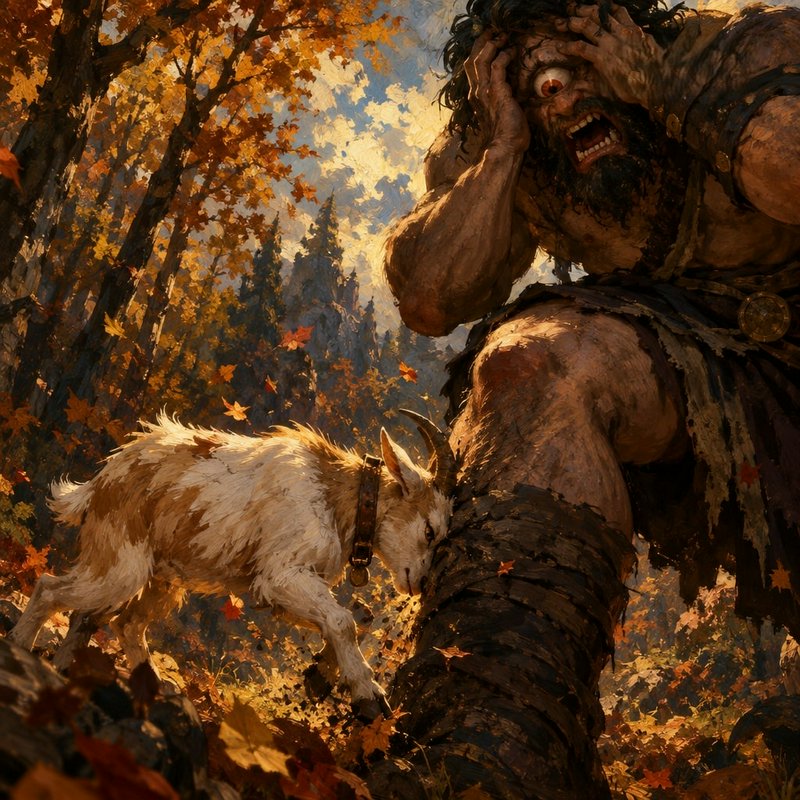
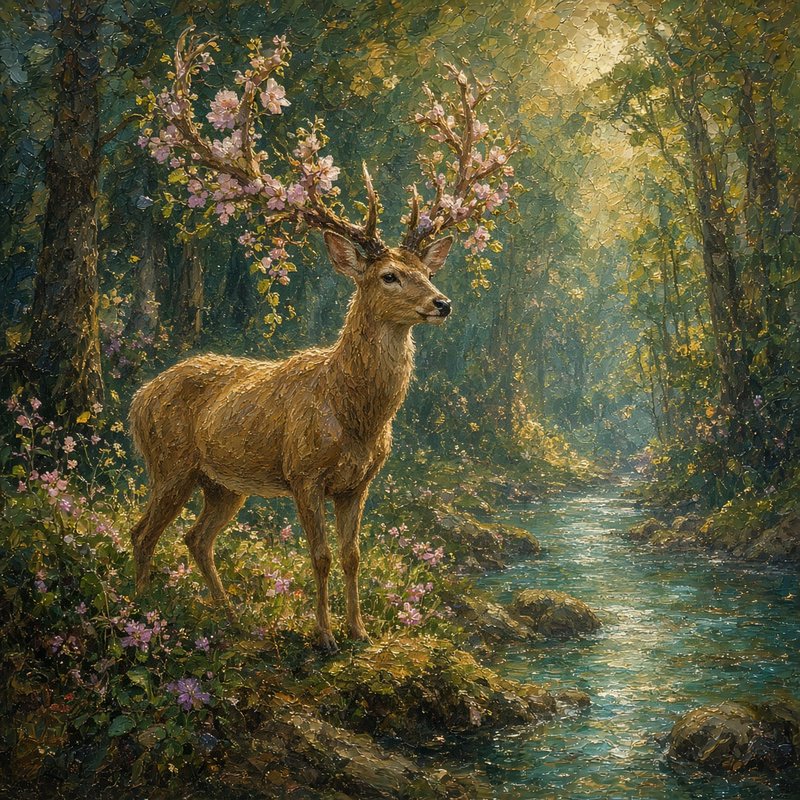
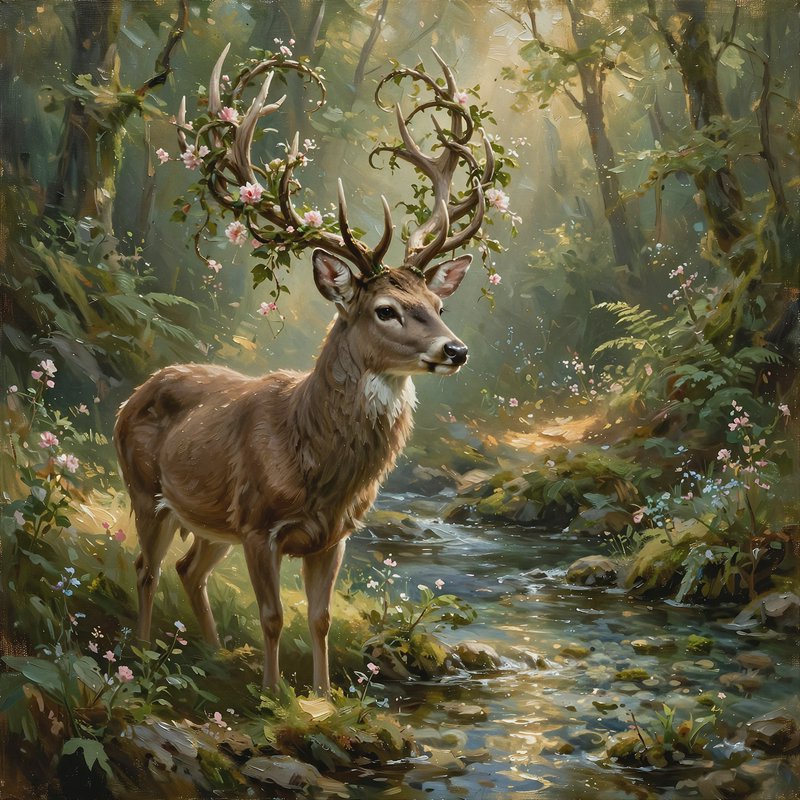
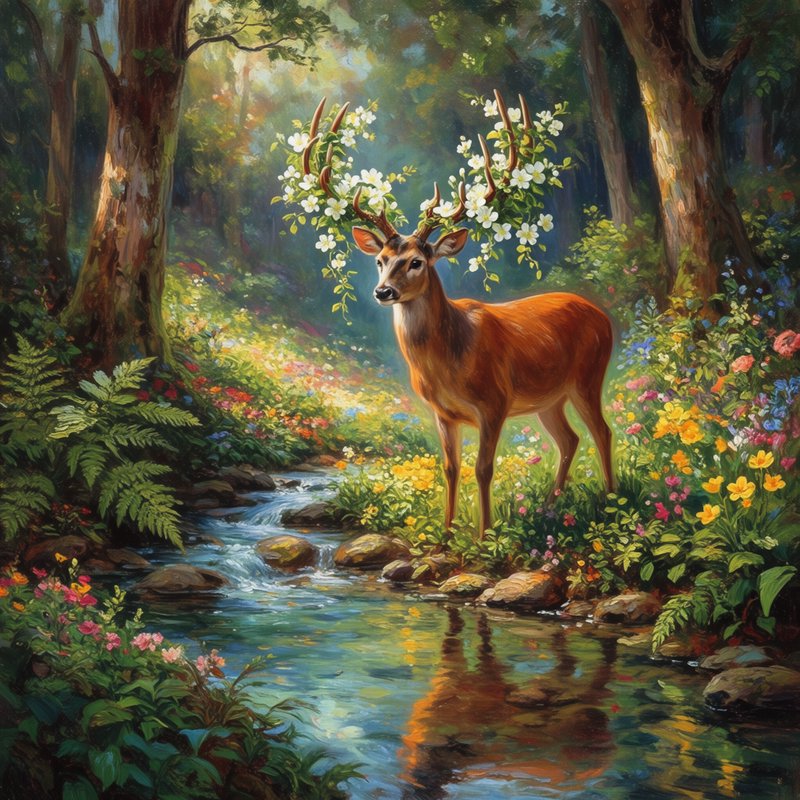
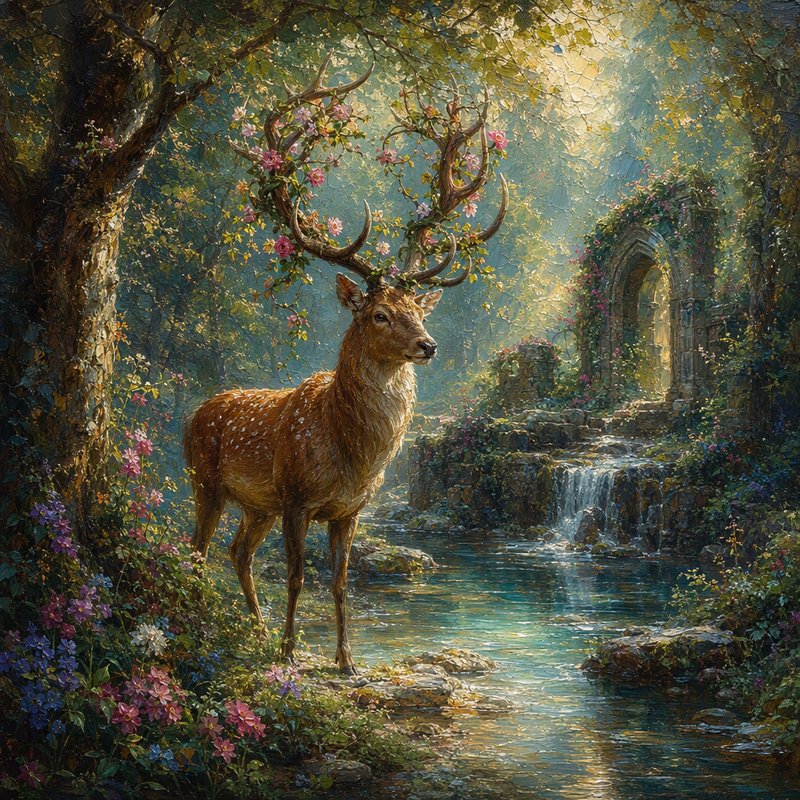
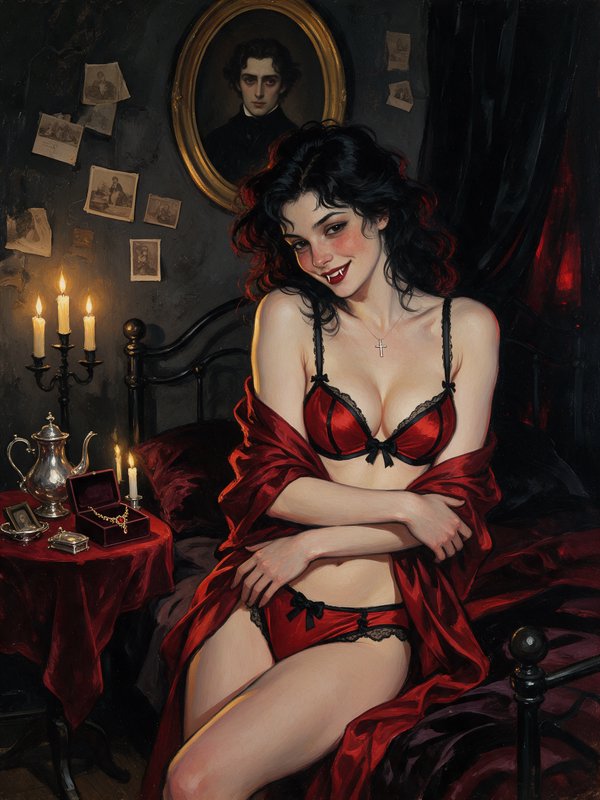
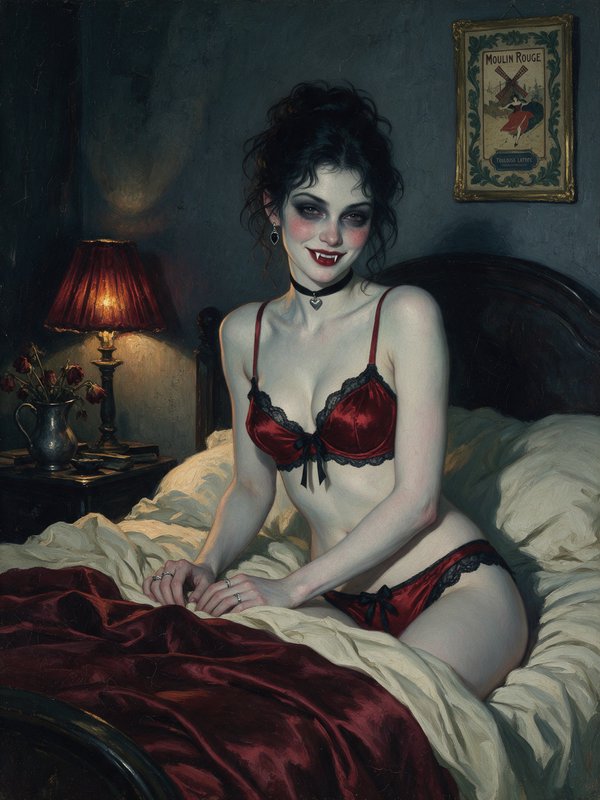
Painterly work with visible brushwork, impasto and canvas texture.
964 published by the BudgetPixel community
Oil paint is opaque, slow-drying and physical, and those three properties produce everything that identifies the medium: visible impasto with real thickness, colours blended wet into wet on the canvas, glazed layers that give depth, and the weave of the canvas showing through thin passages. Prompting for oil means describing paint handling, because that is what distinguishes it from a smooth digital render.
12 images on this page are published under Creative Commons licences — free to use and adapt, including commercially, if you credit the creator. Look for the licence badge on a tile, or open it to see the exact credit line. How licensing works
Make your own oil painting image
Everything in this grid was generated on BudgetPixel. Describe what you want and the same models will make it.
Start creatingMake your own oil painting image
Everything in this grid was generated on BudgetPixel. Describe what you want and the same models will make it.
Start creating
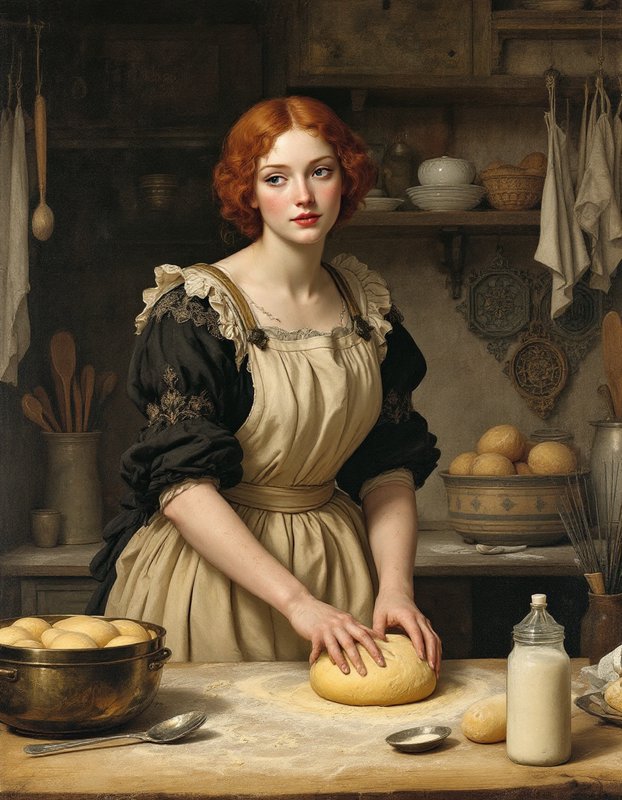
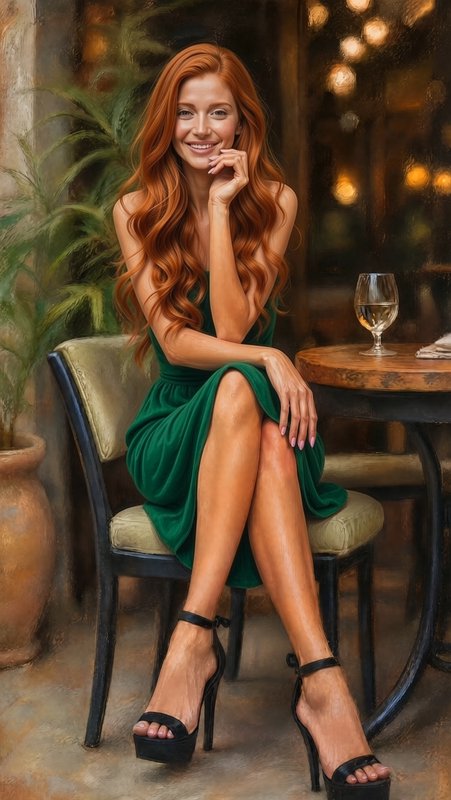
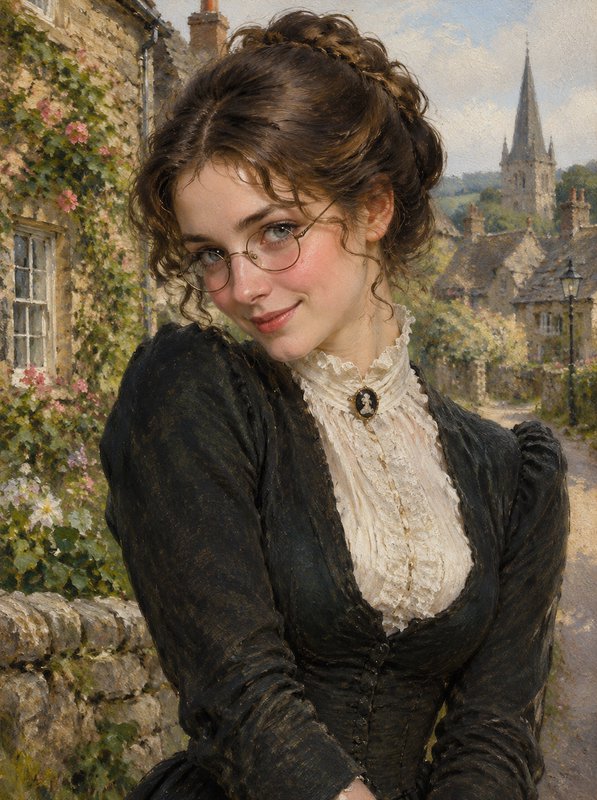
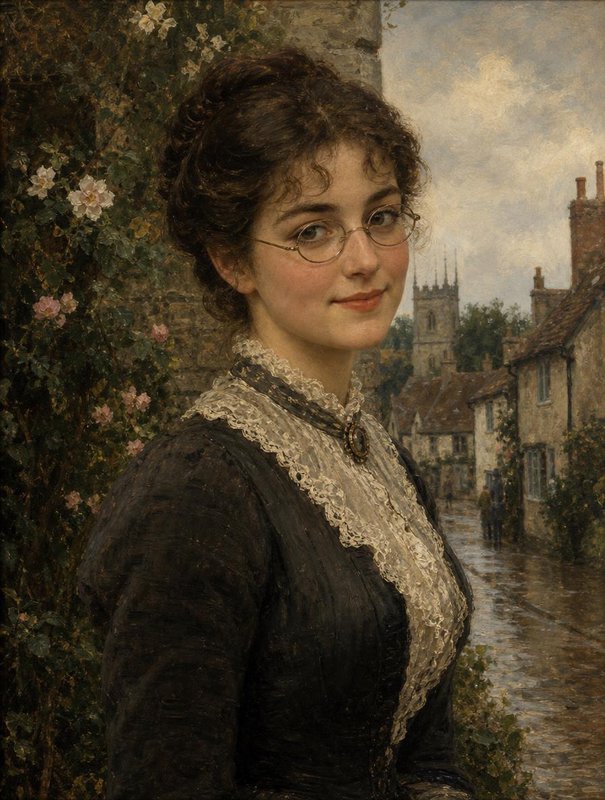
Oil Painting prompts to start from
Working prompts, not fragments. Open one to load it into the generator, then change whatever you like.
- Oil portrait in the Dutch Golden Age manner, single window light, thin glazed shadows, impasto highlightsUse →
- Impressionist harbour scene, broken colour, loaded brush, canvas weave visible through the thin skyUse →
- Palette-knife still life of lemons on a dark ground, thick paint catching raking light, edges left unresolvedUse →
Oil Painting AI images: common questions
How do I get real oil paint texture?
Describe the marks. Thick impasto catching the light, palette-knife edges, visible canvas weave in the thin areas, brush strokes that follow the form — these are physical facts a model can render. Asking for an oil painting alone usually yields a smooth image with a slightly warm palette.
Which painting traditions do models know well?
The heavily documented ones: Dutch Golden Age interiors, Impressionist broken colour, academic portraiture, and post-war abstraction all reproduce recognisably. Naming a tradition and a handling — Impressionist broken colour with a loaded brush — is far more reliable than naming an individual artist.
How do I avoid the plastic digital look?
Ask for imperfection. A slightly uneven ground, colour mixed on the canvas rather than pre-blended, an edge left unresolved. The plastic quality comes from uniformity, so anything that introduces physical variation in the paint surface pushes the image back toward the medium.
Related topics
Make your own oil painting images
Everything here was generated on BudgetPixel and published by the person who made it. The same models are available to you — pick one, write a prompt, and publish the result to the community feed if you want it here.