
Dramatic Lighting AI images
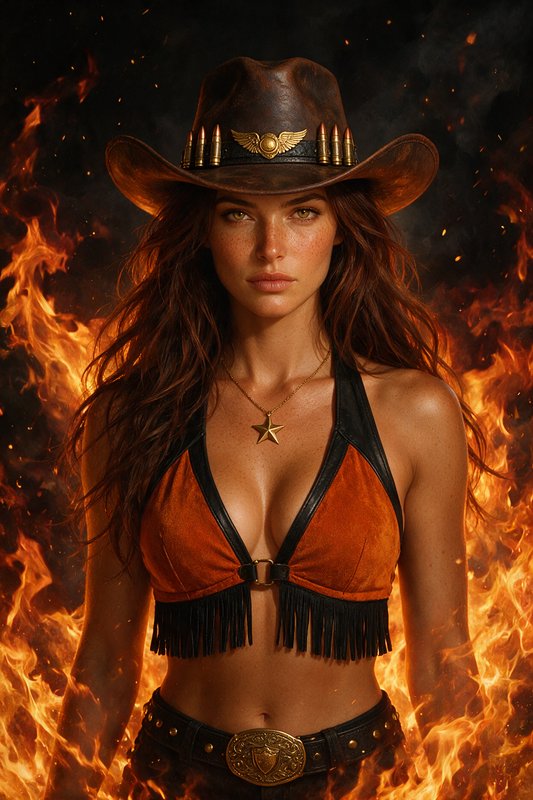
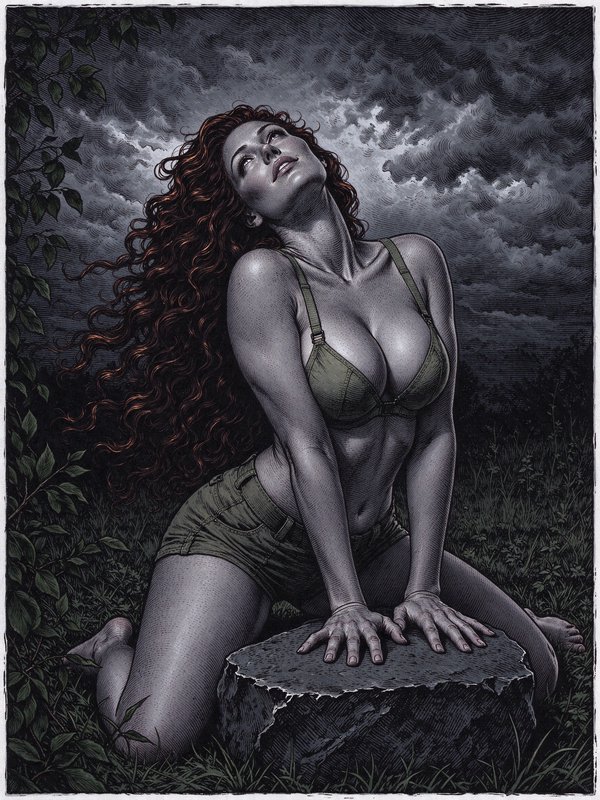
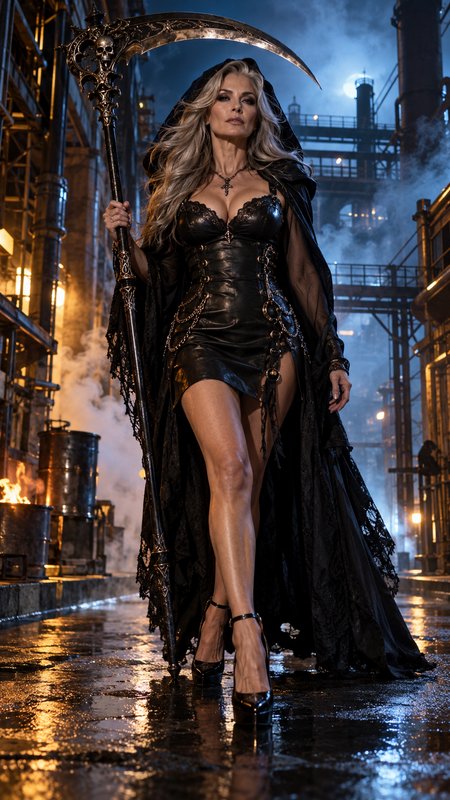
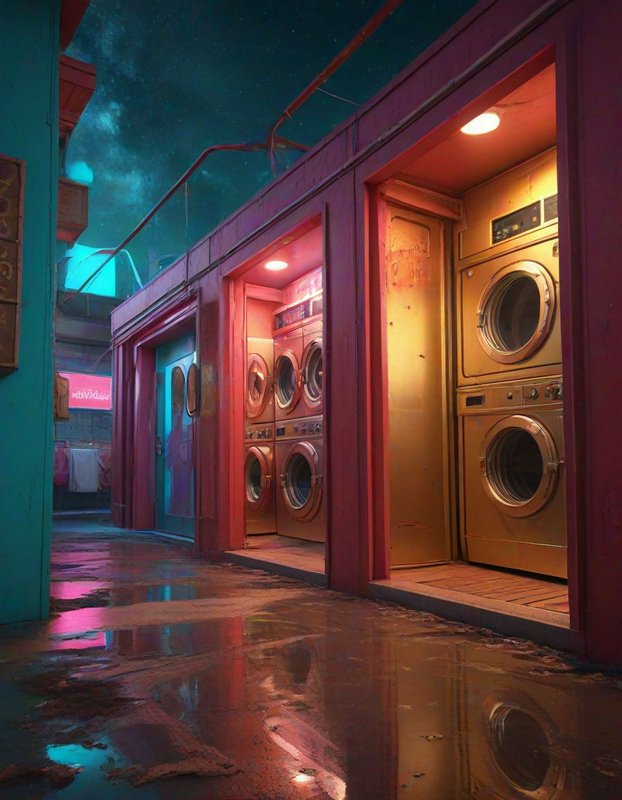
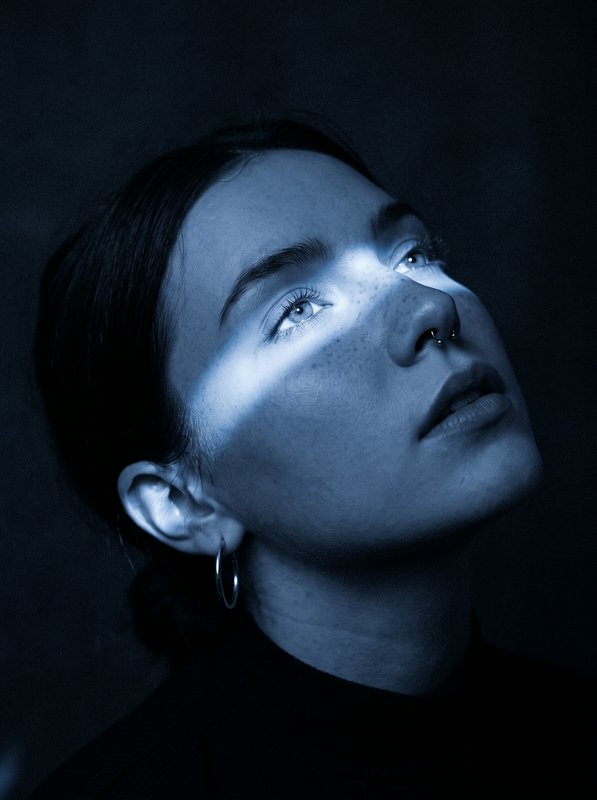
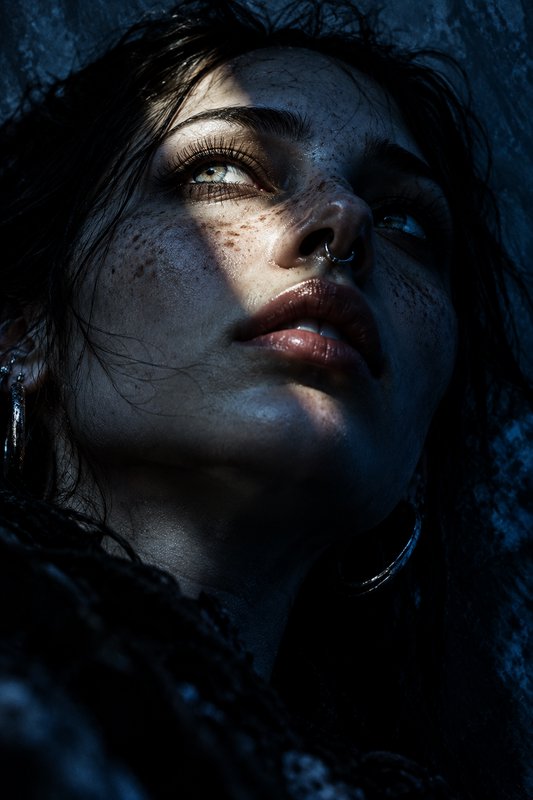
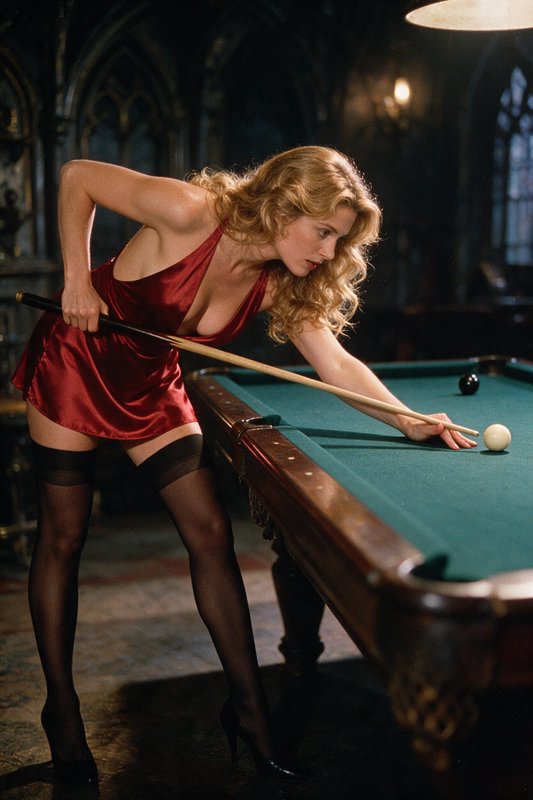
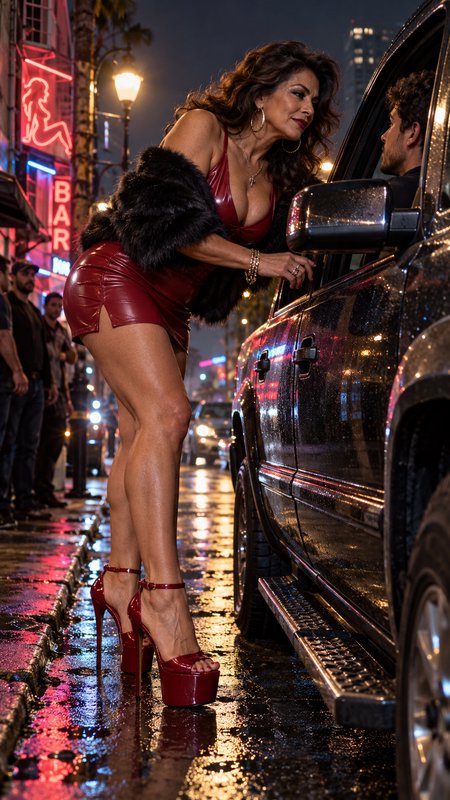
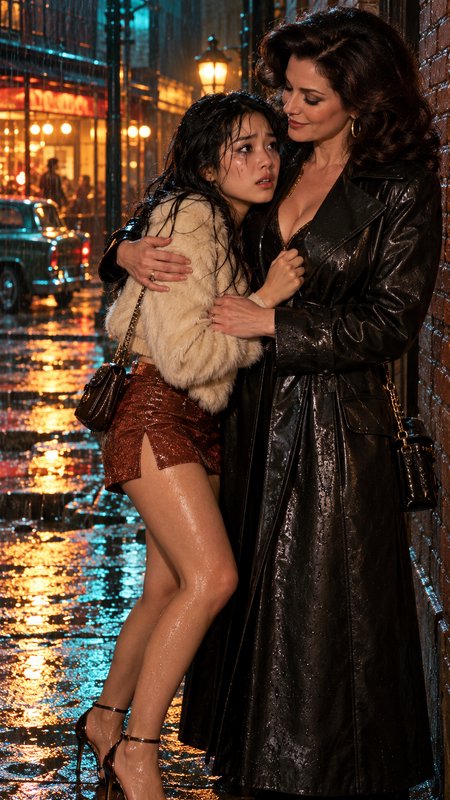
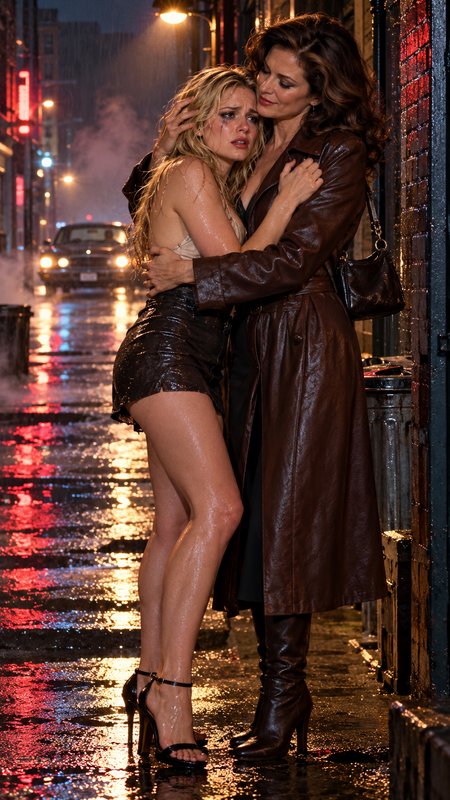
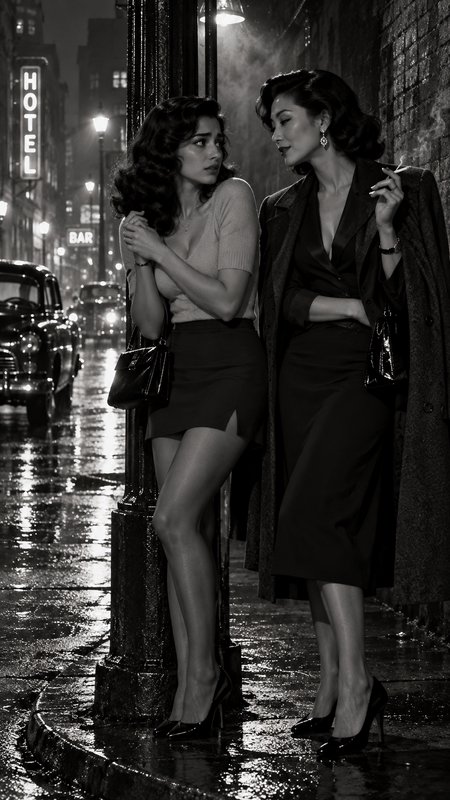
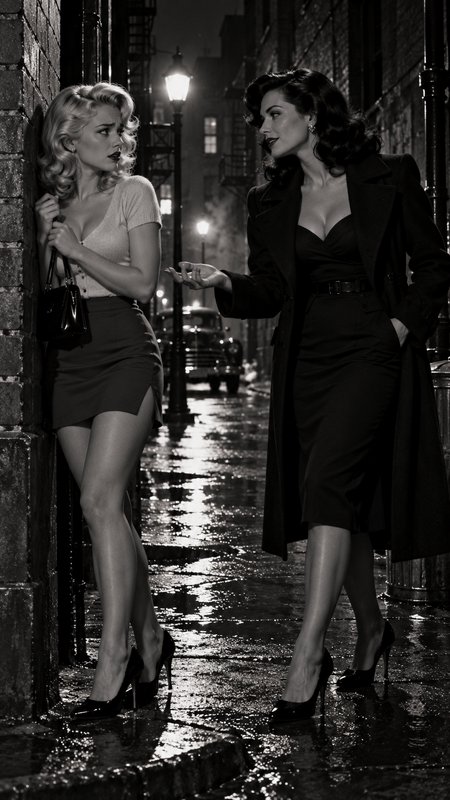
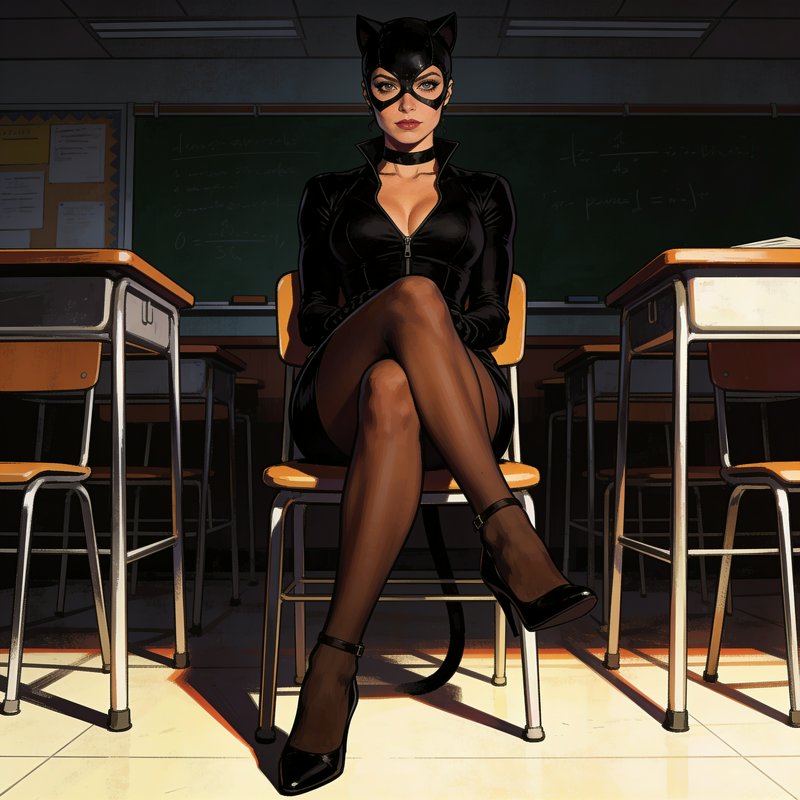
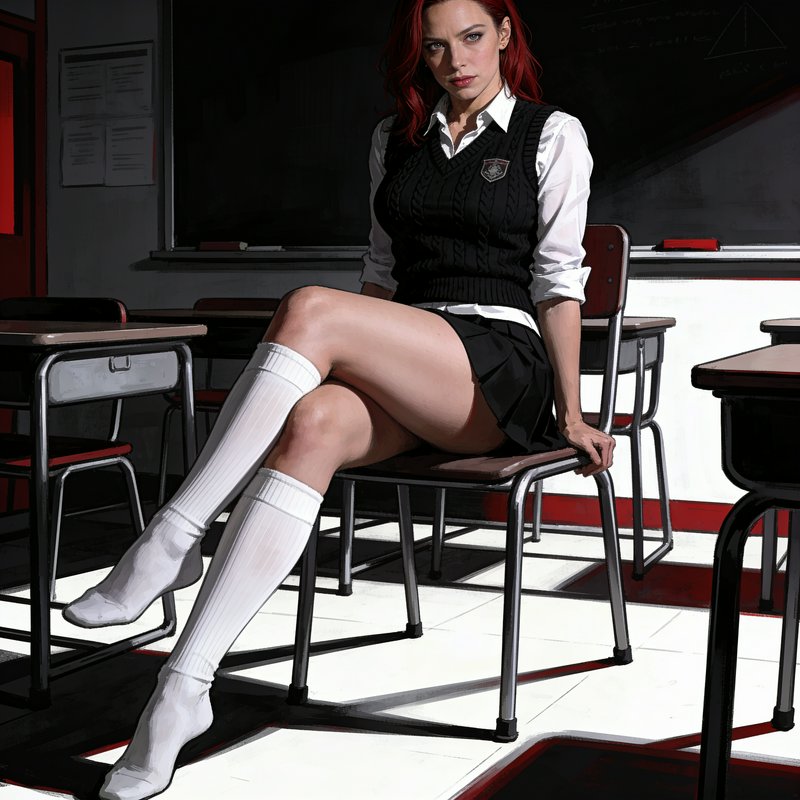
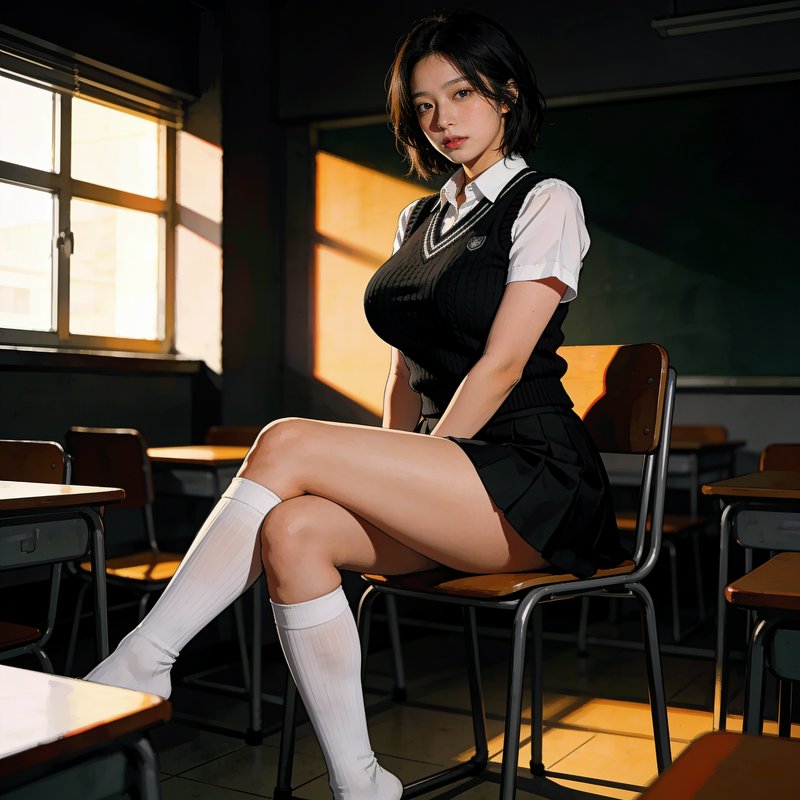
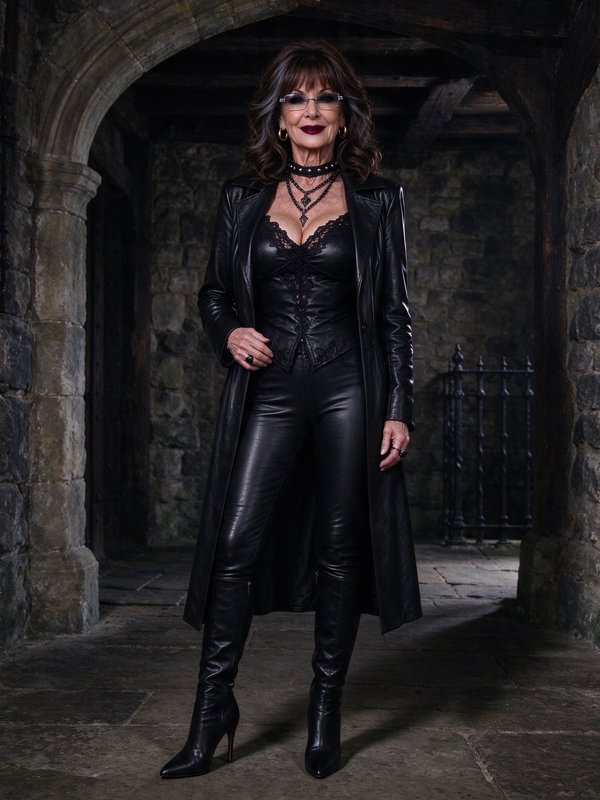
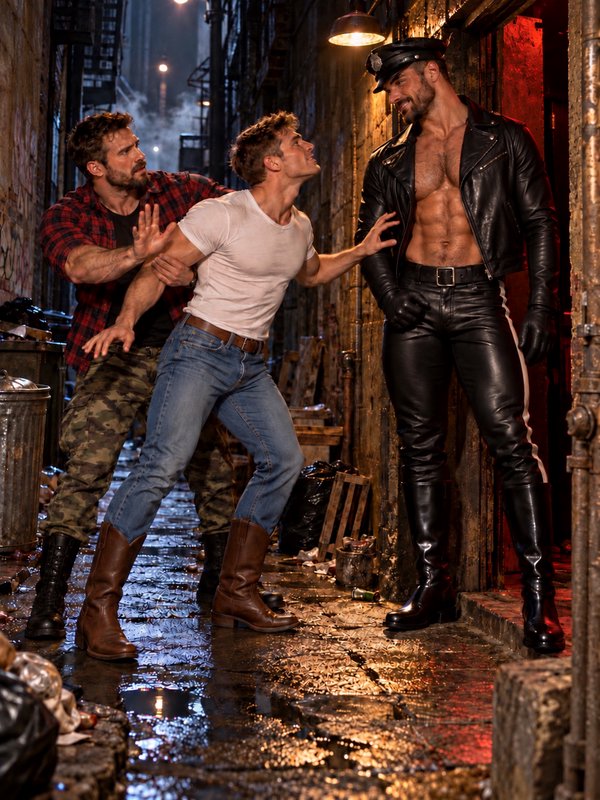
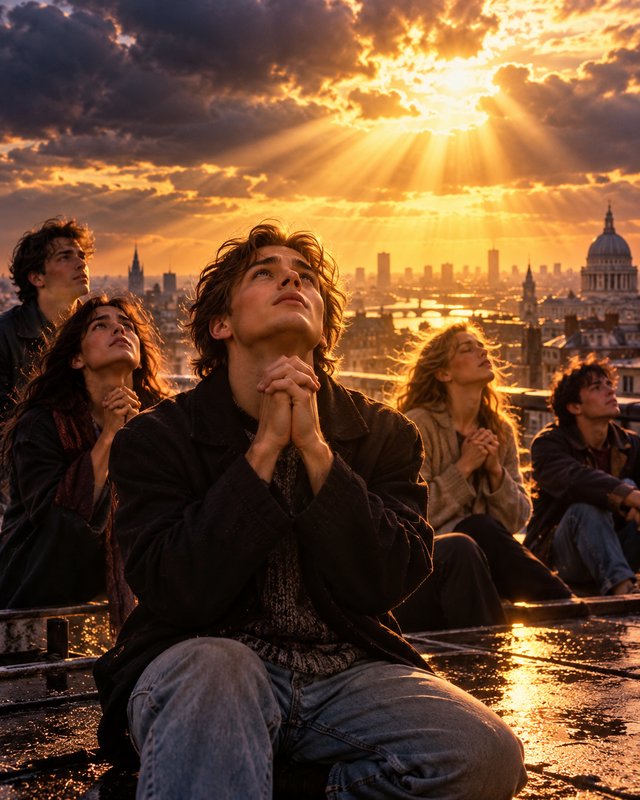
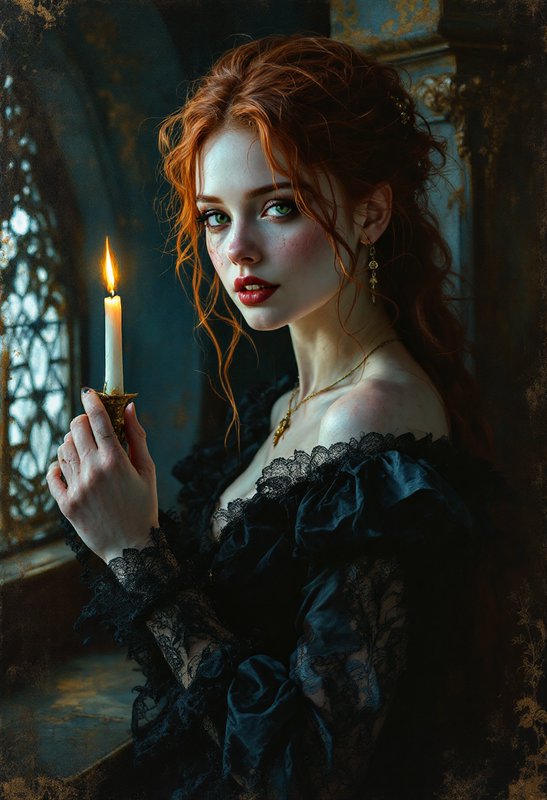
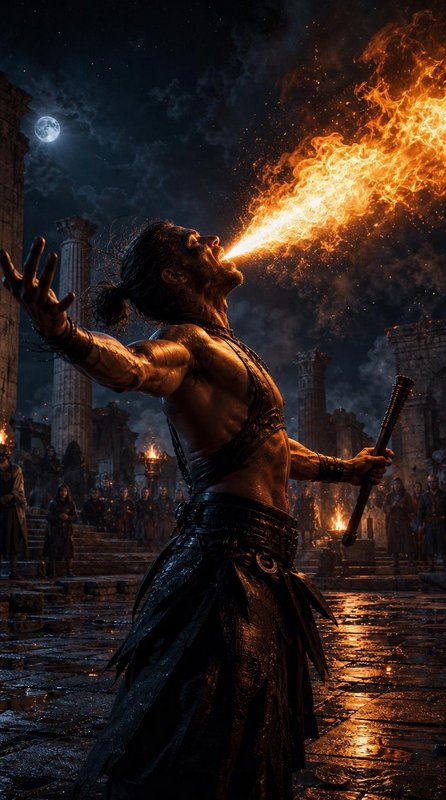
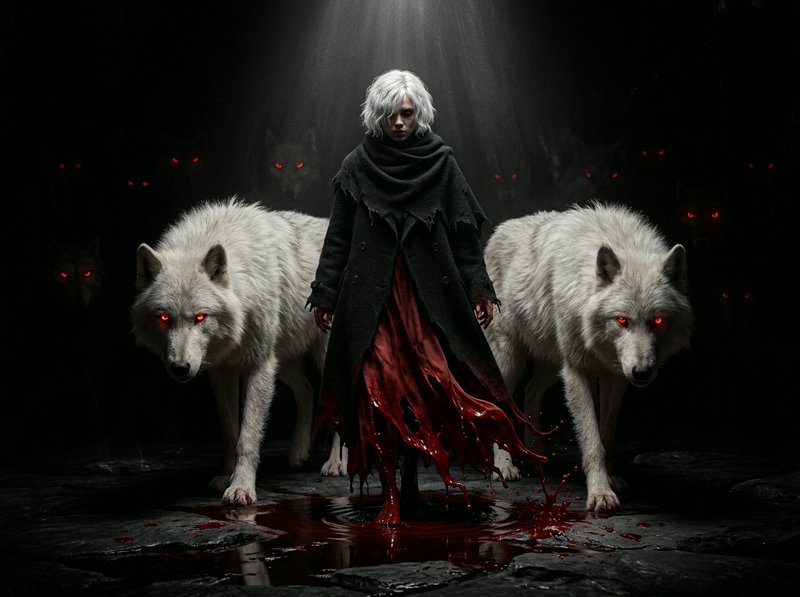
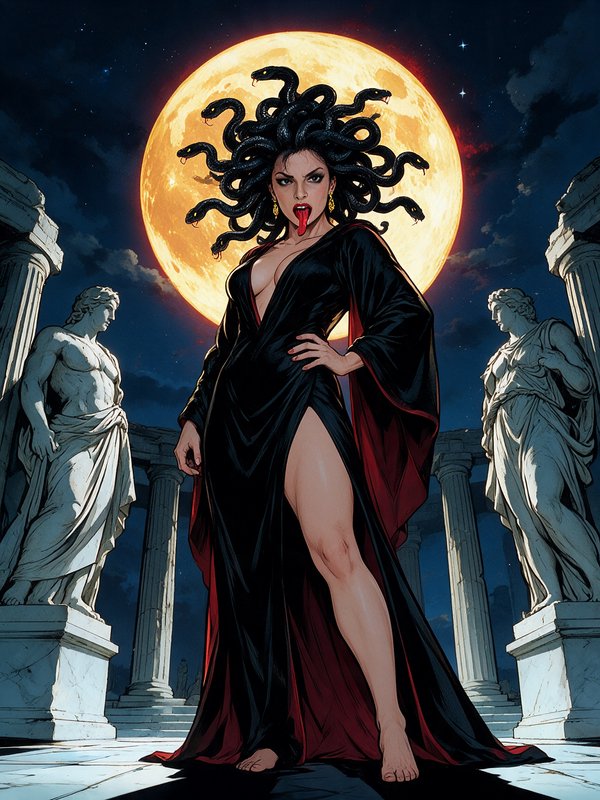
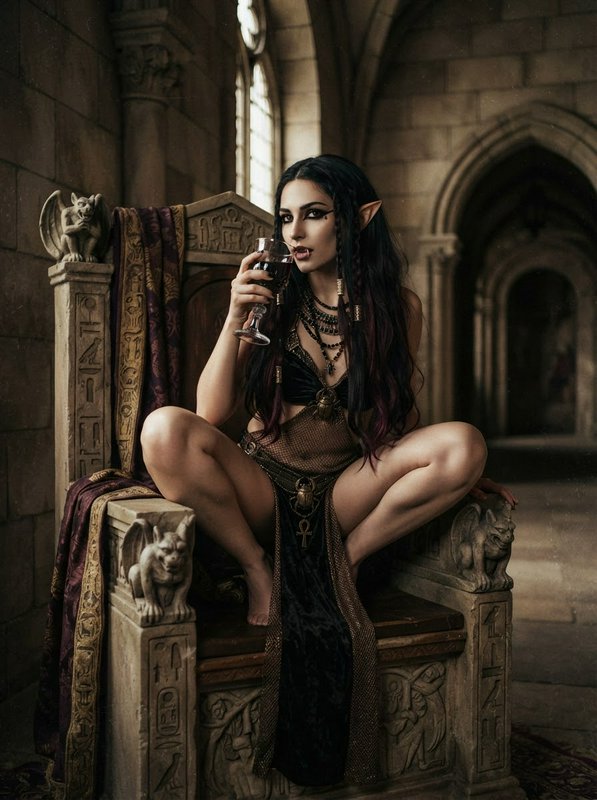
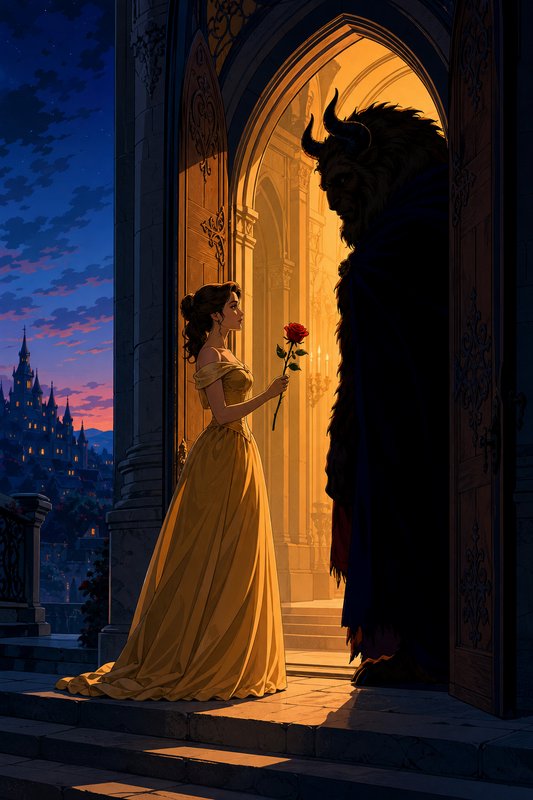
Hard key light, deep shadow and steep falloff. Where the lighting is the subject rather than a setting.
3,709 published by the BudgetPixel community
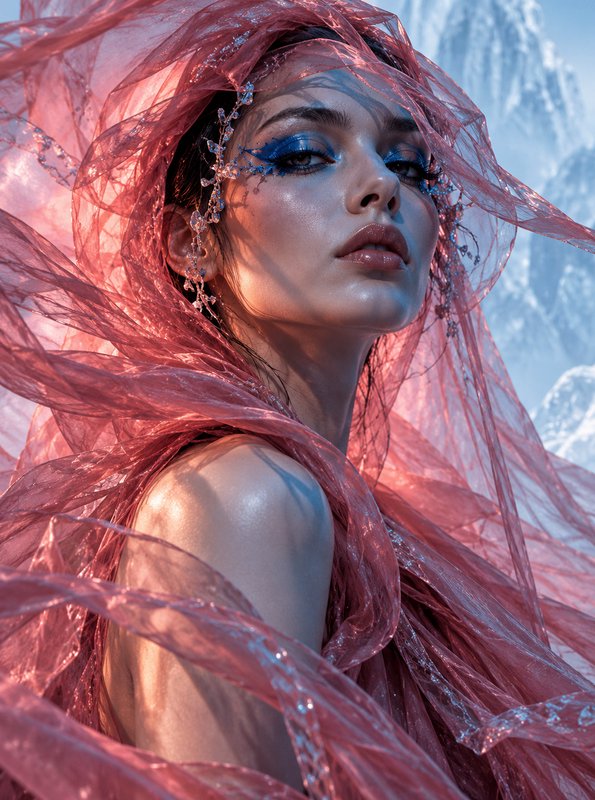
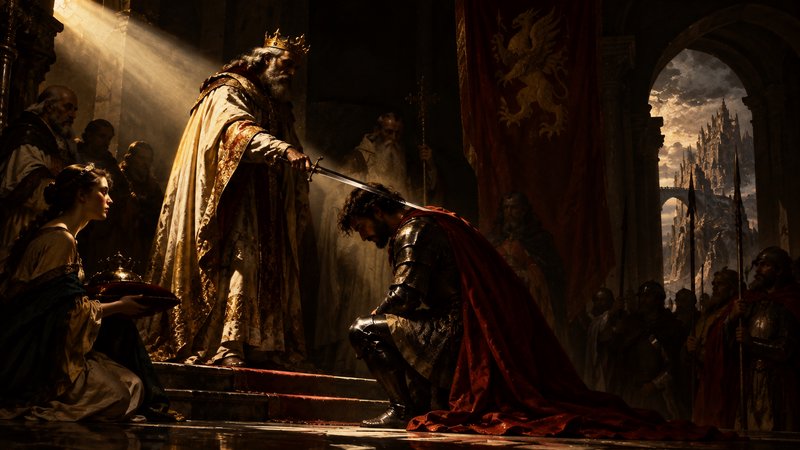
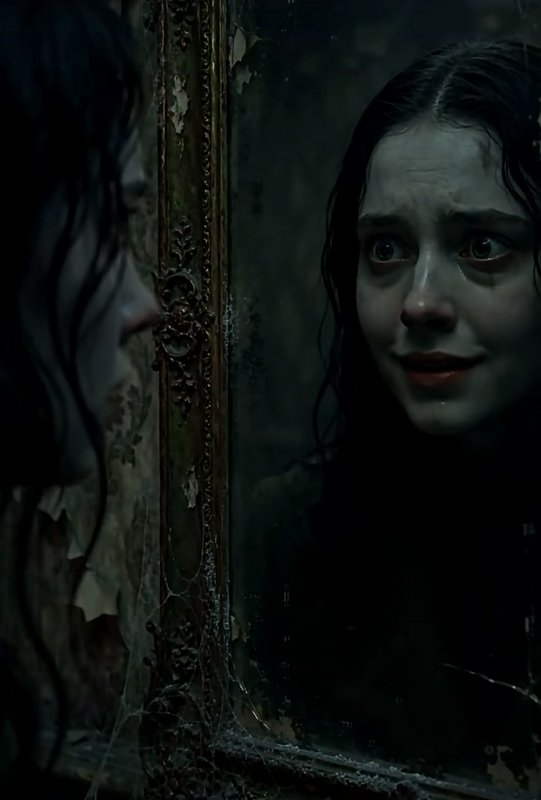
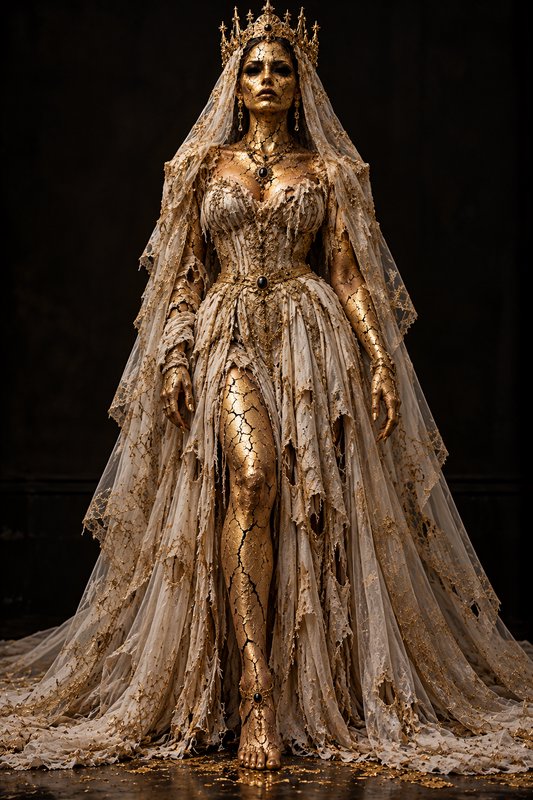
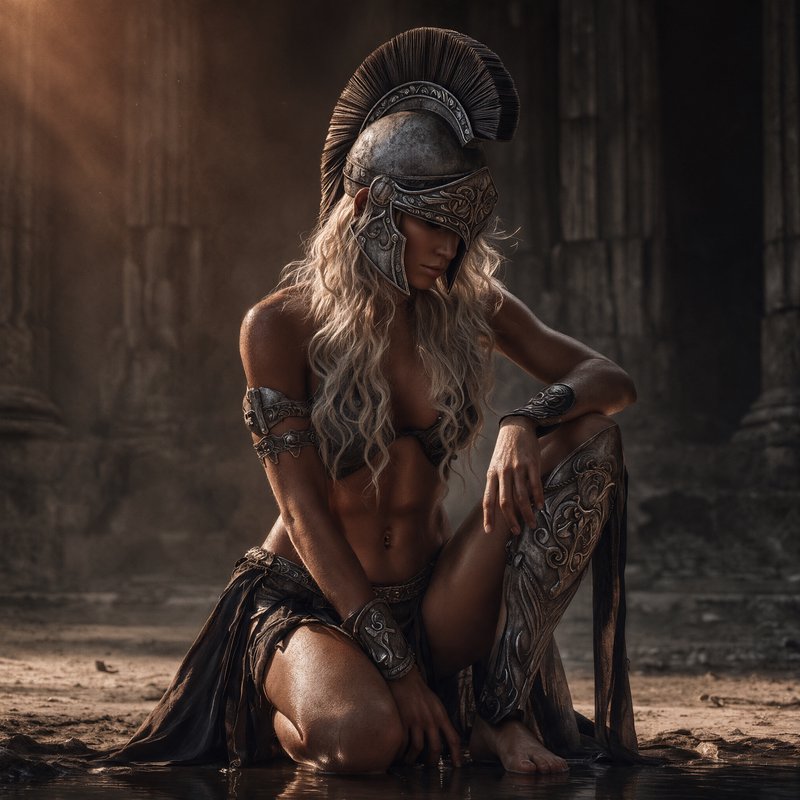
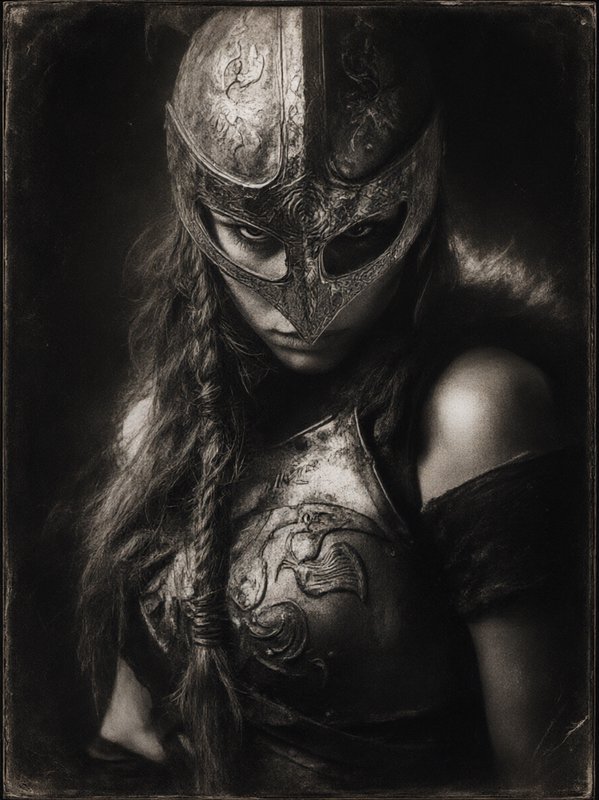
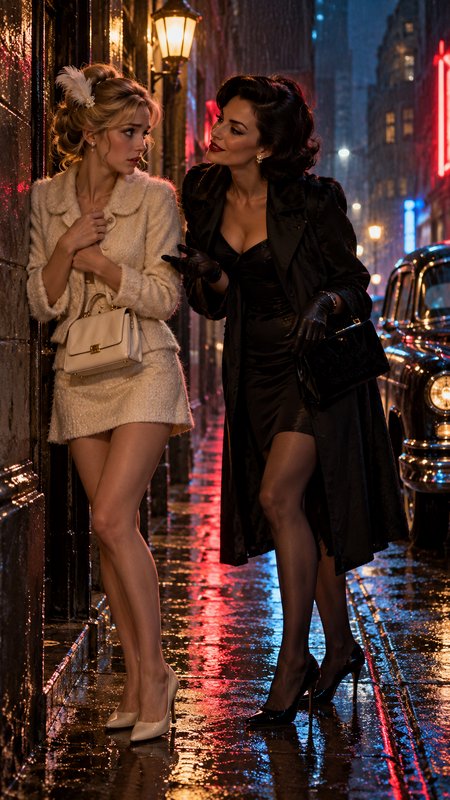
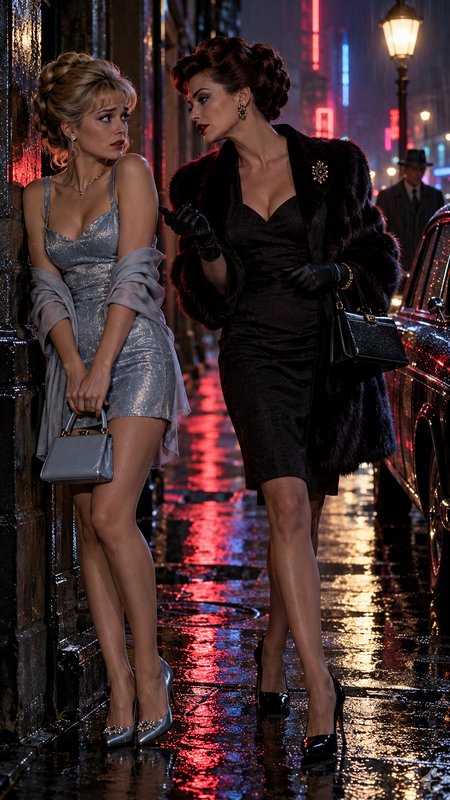
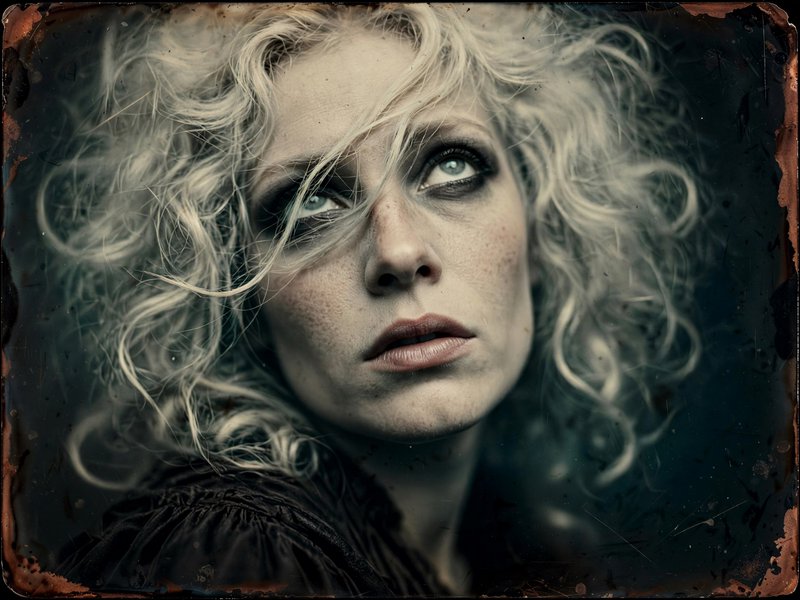
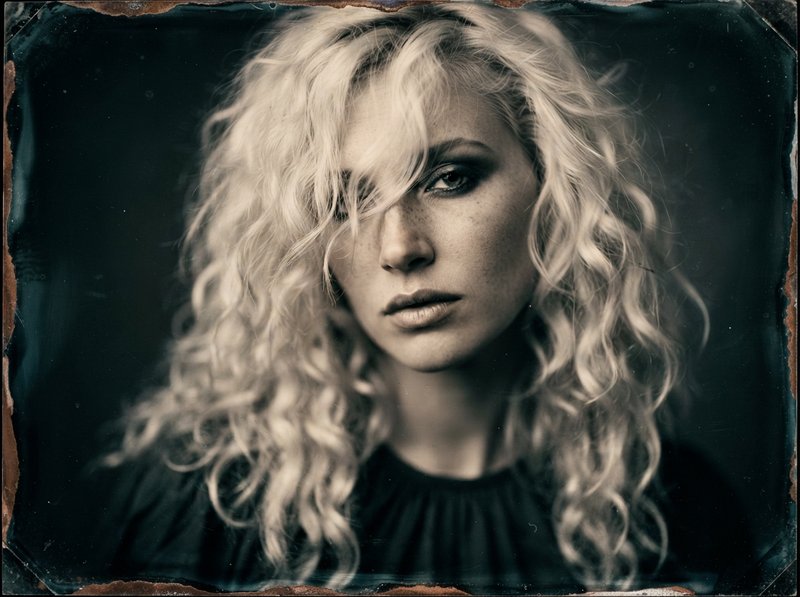
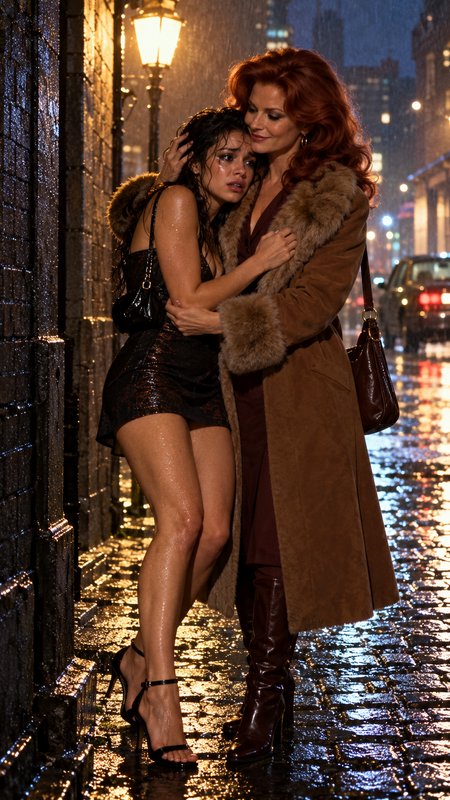
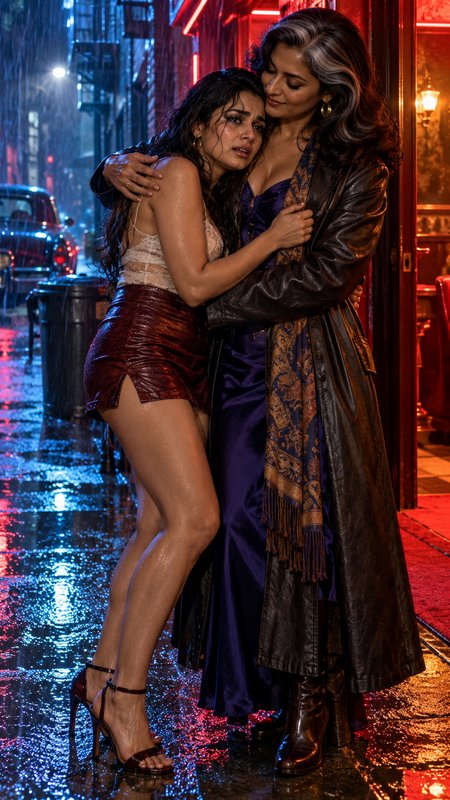
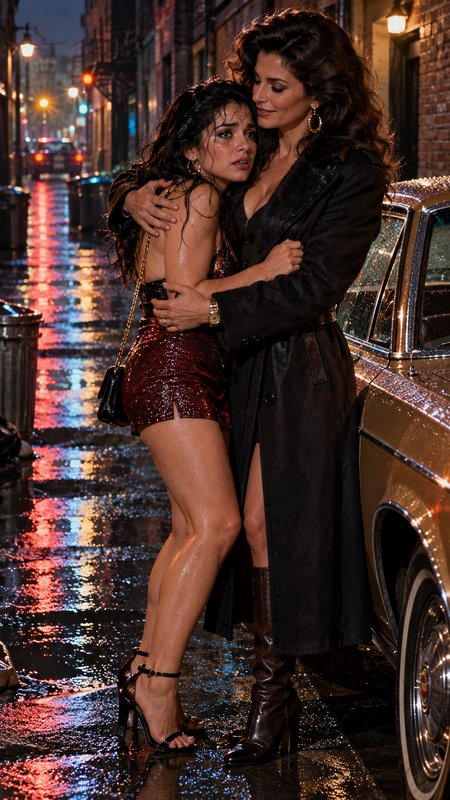
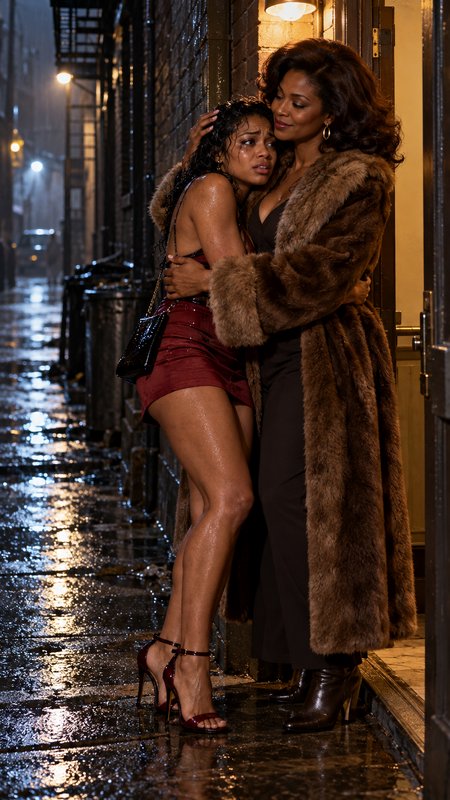
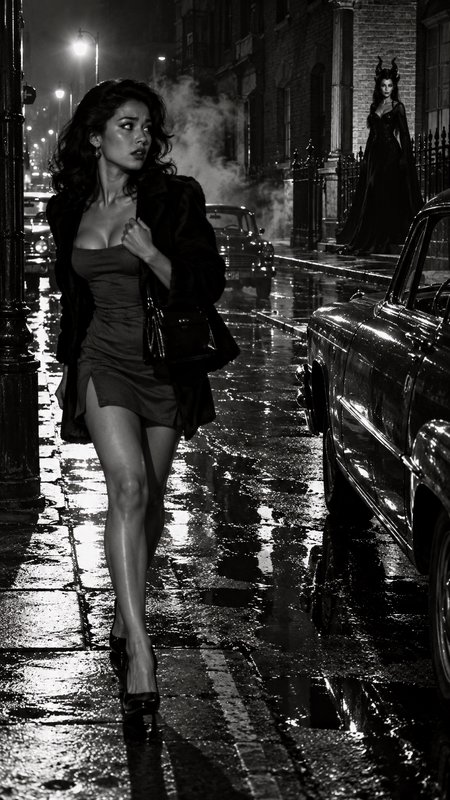
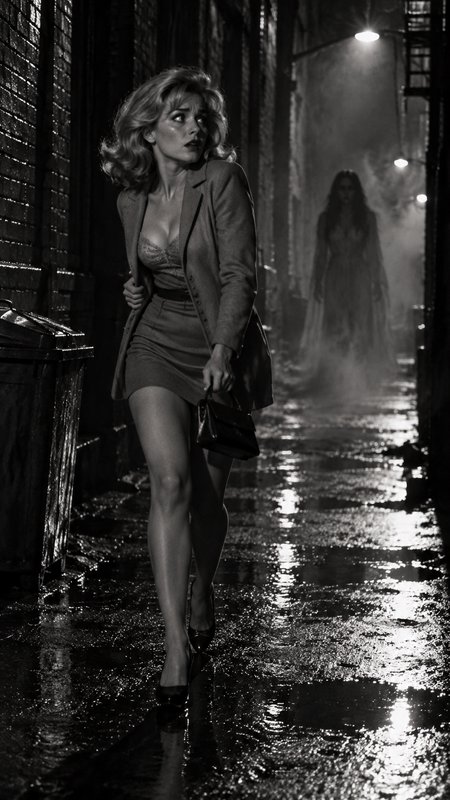
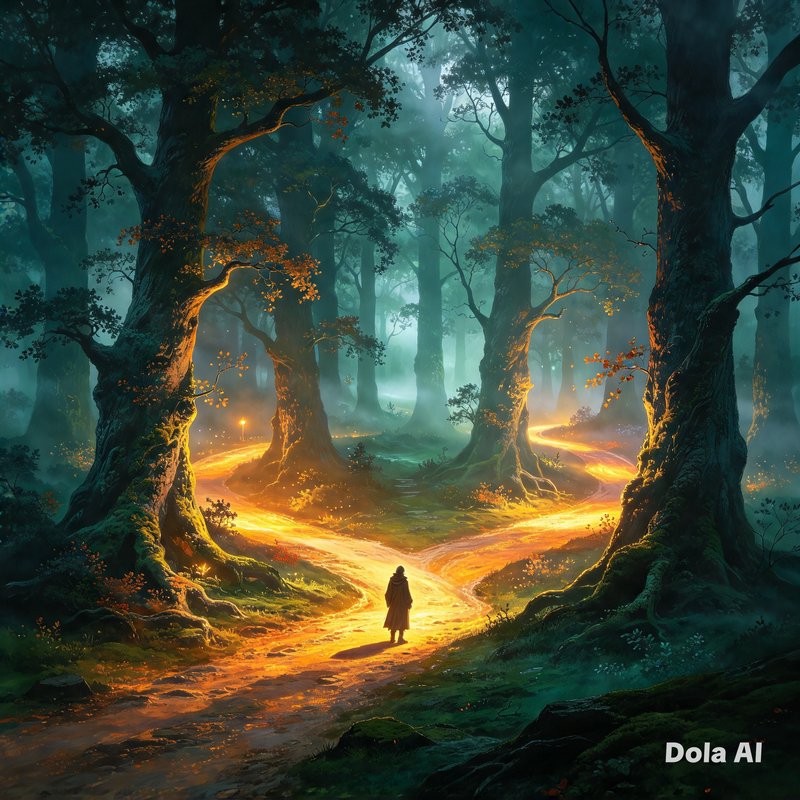
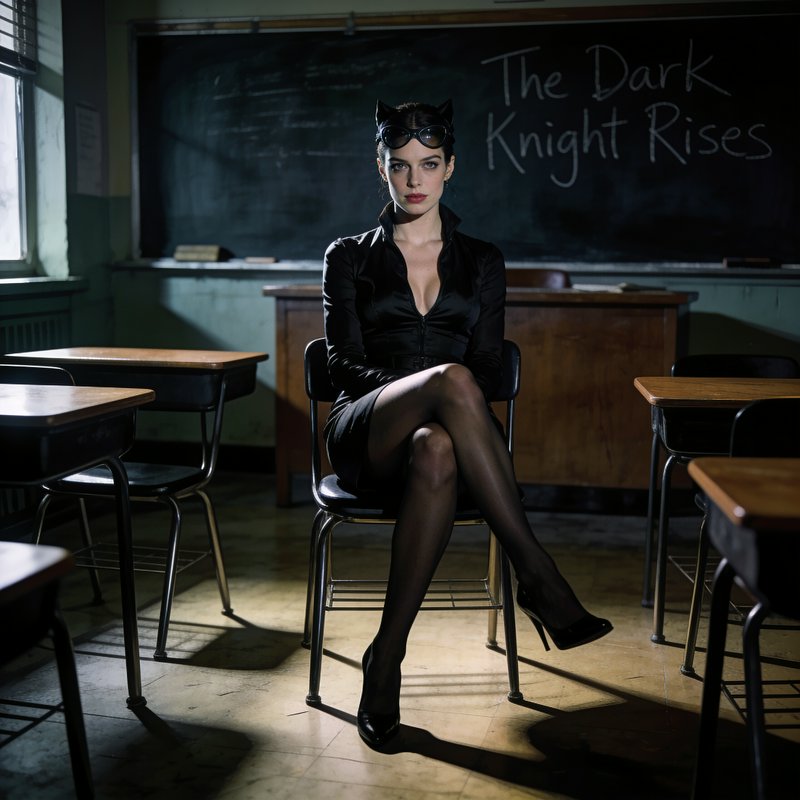
Dramatic lighting is where the light itself is the subject. It means a hard key, deep unfilled shadow, and steep falloff between them — the opposite of the flat, evenly lit look most models produce by default. The family covers chiaroscuro, single-source and rim-lit setups, and the low-key portrait tradition, all of which work by deciding what to leave dark.
6 images on this page are published under Creative Commons licences — free to use and adapt, including commercially, if you credit the creator. Look for the licence badge on a tile, or open it to see the exact credit line. How licensing works
Make your own dramatic lighting image
Everything in this grid was generated on BudgetPixel. Describe what you want and the same models will make it.
Start creatingMake your own dramatic lighting image
Everything in this grid was generated on BudgetPixel. Describe what you want and the same models will make it.
Start creating
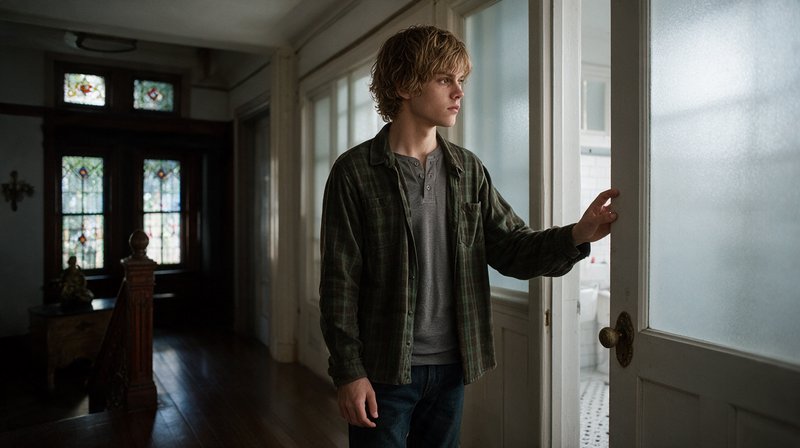
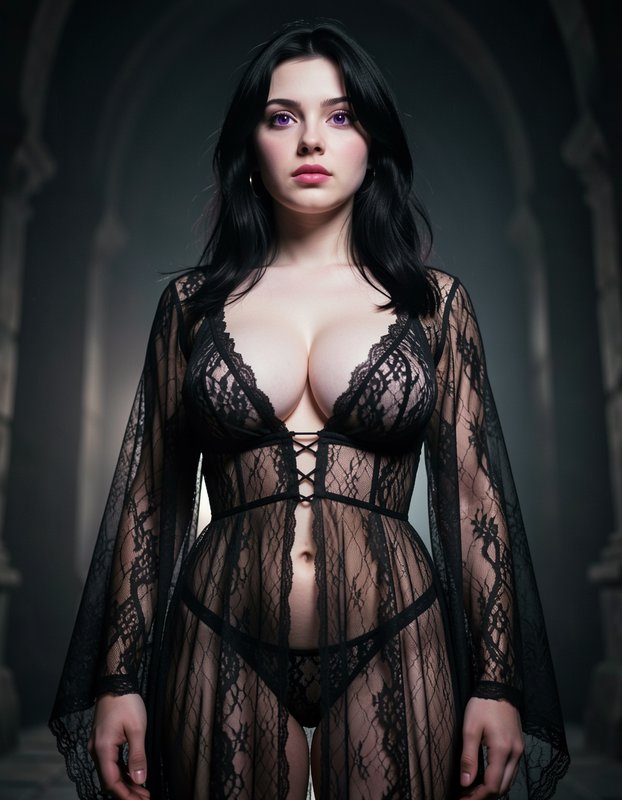
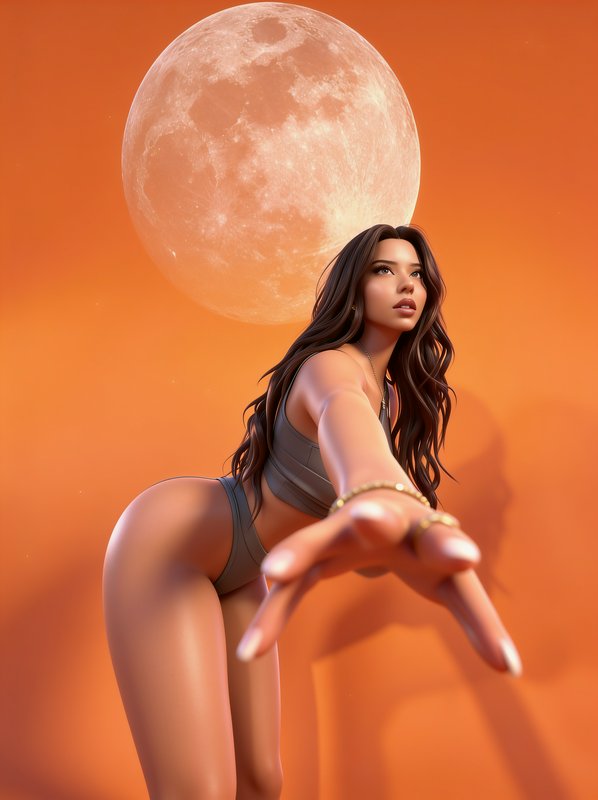
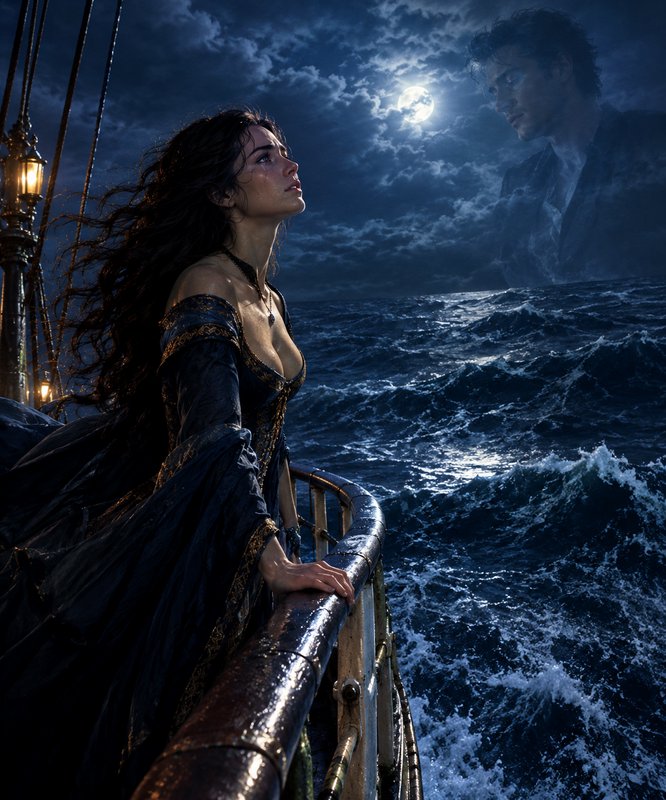
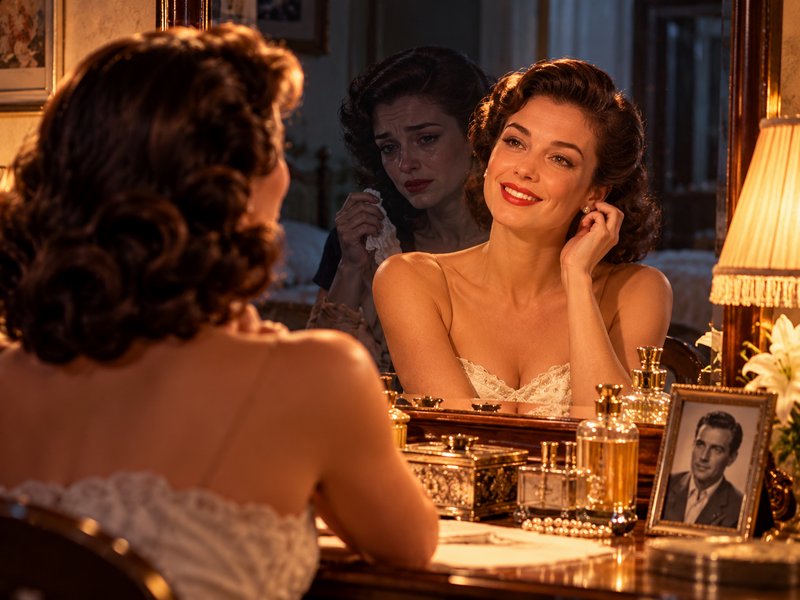
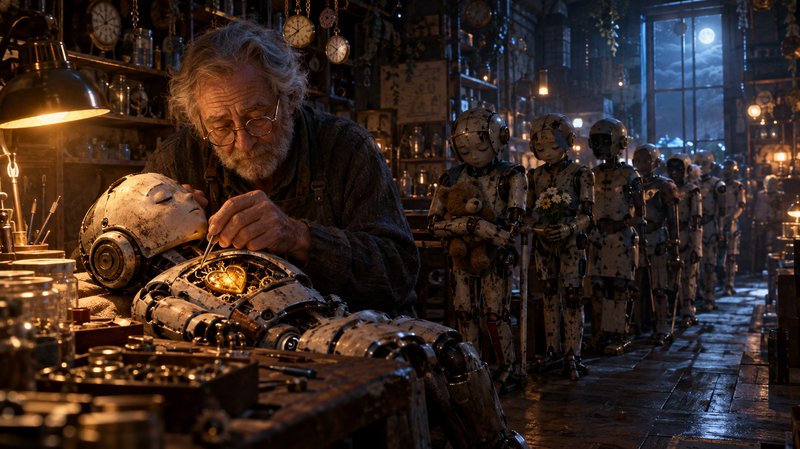
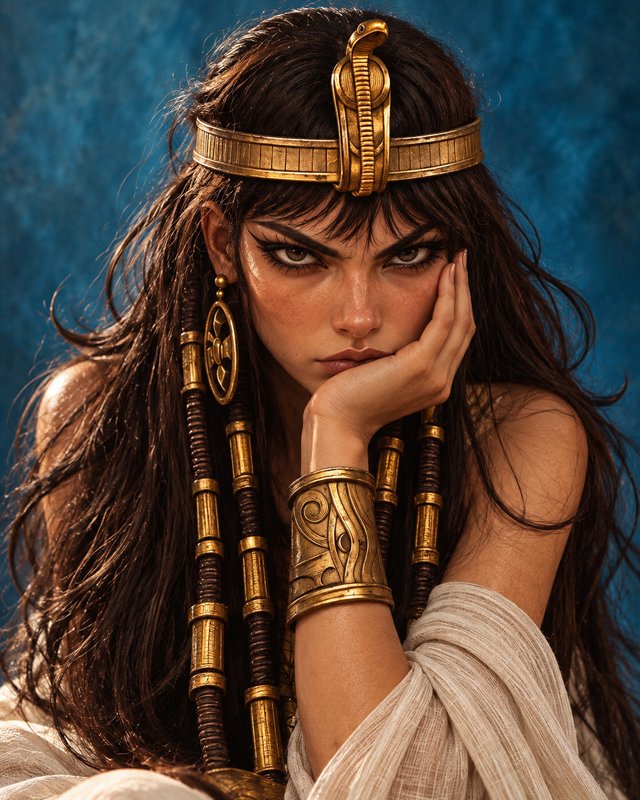
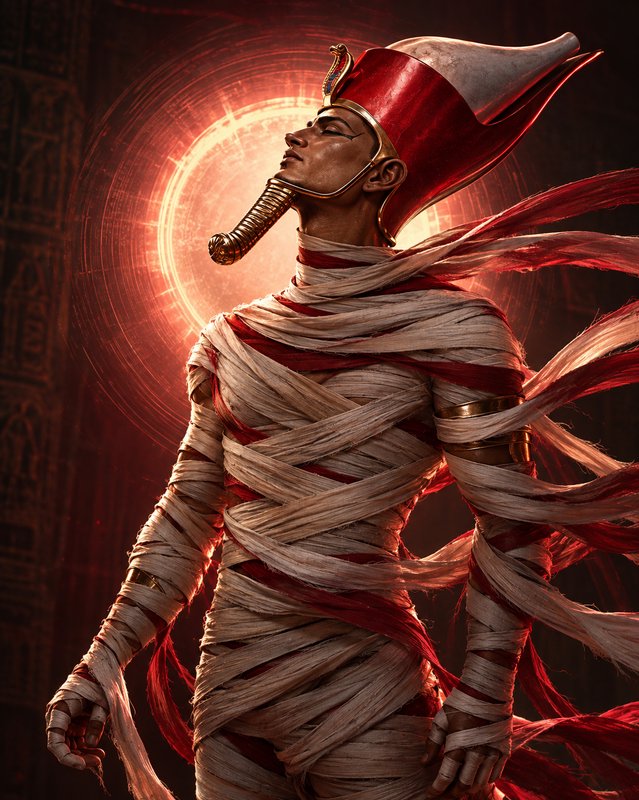
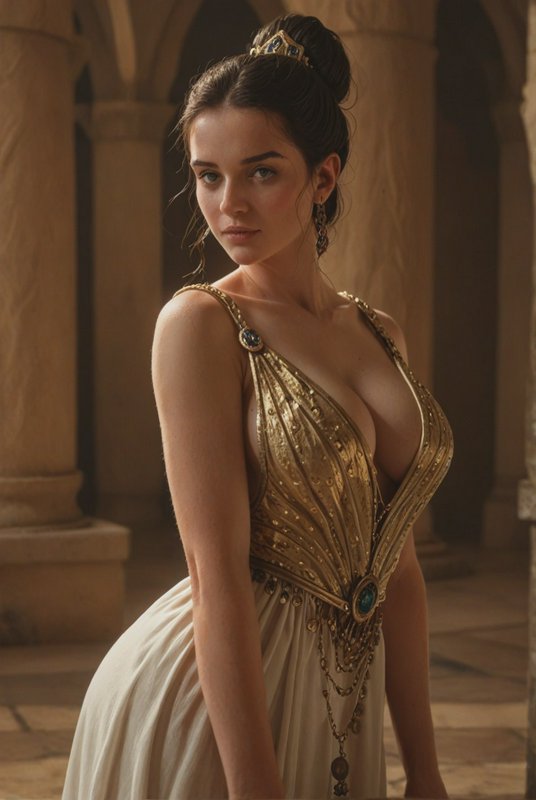
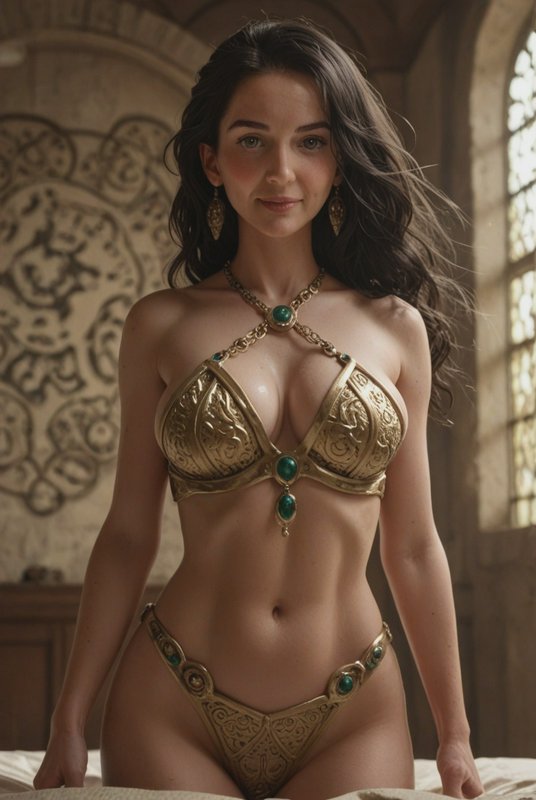
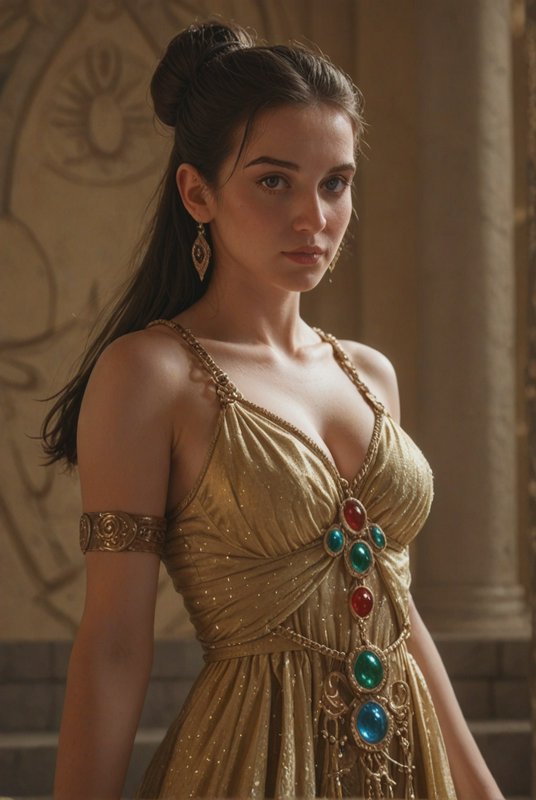
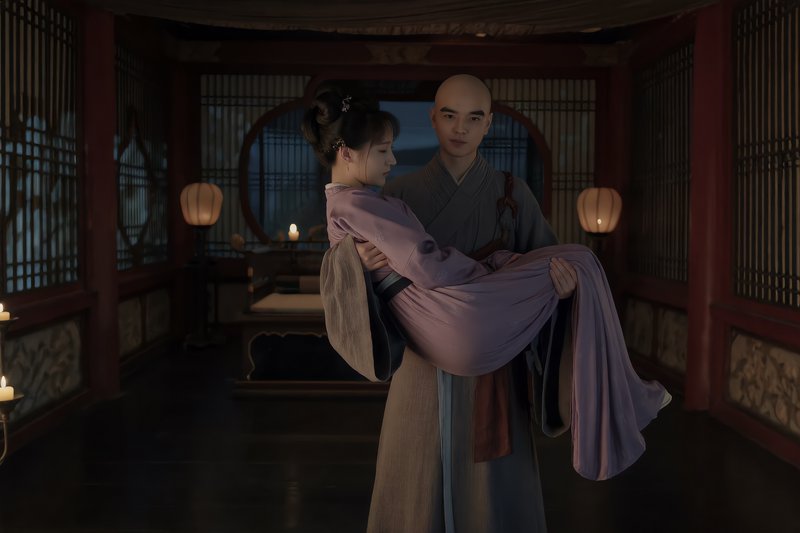
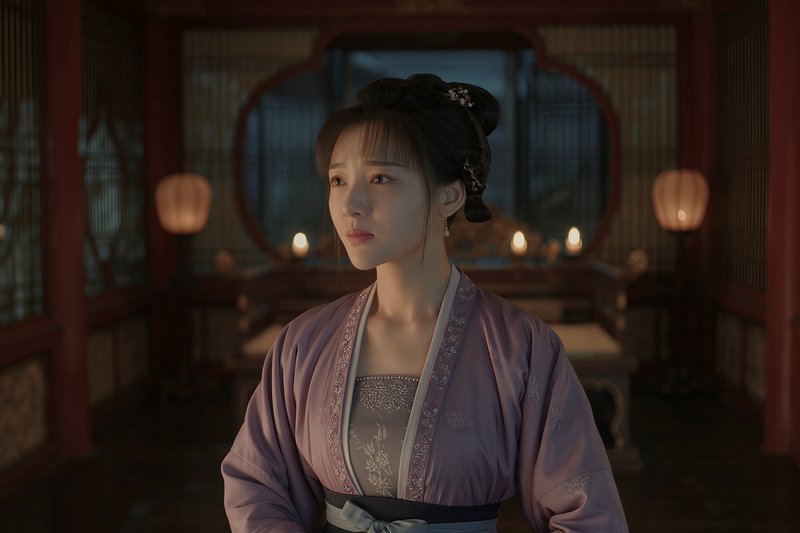
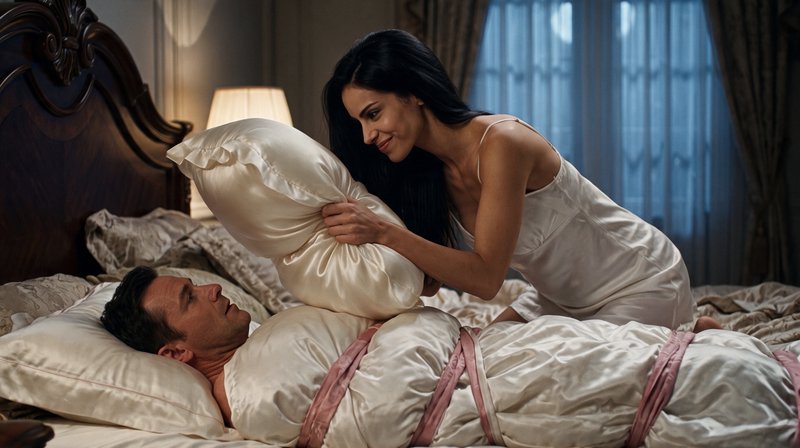
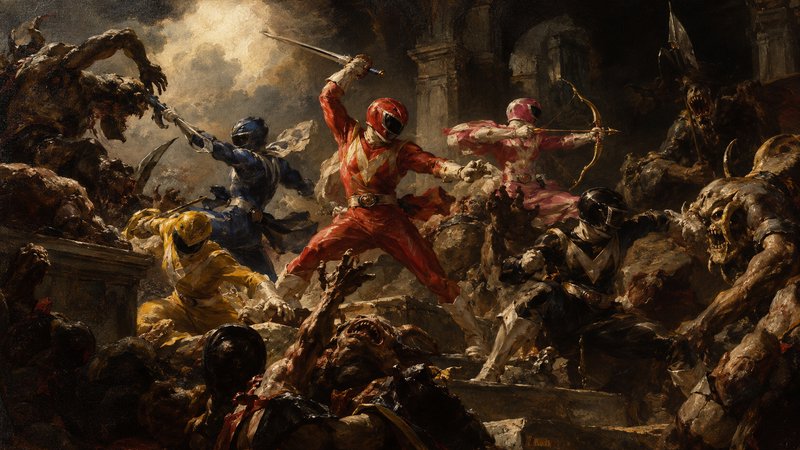
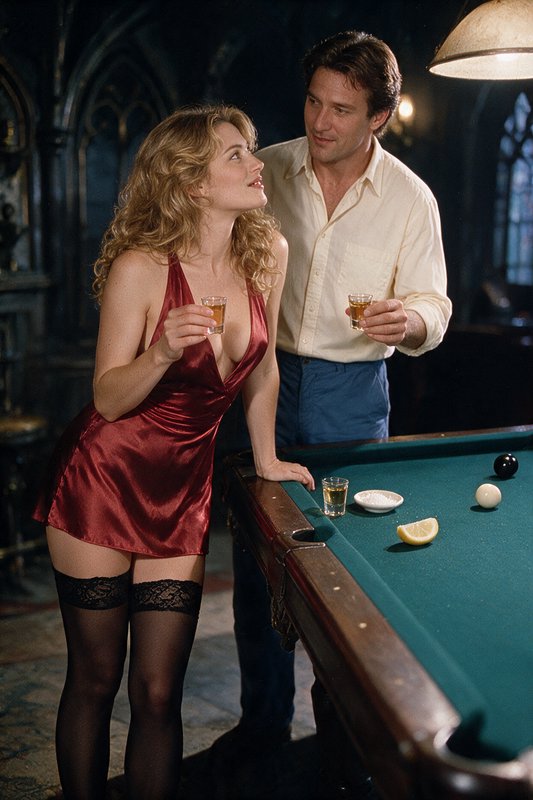
Dramatic Lighting prompts to start from
Working prompts, not fragments. Open one to load it into the generator, then change whatever you like.
- Portrait lit only by a narrow shaft of window light across the eyes, rest of the frame in near-black, hard falloffUse →
- A blacksmith at the forge, orange fire as the only light source, deep shadow behind, sparks in the airUse →
- Chiaroscuro still life of a cracked ceramic bowl on dark wood, single overhead source, Baroque contrastUse →
Dramatic Lighting AI images: common questions
How do I get hard shadows in an AI image?
Ask for one light and say what it is. A bare bulb, a window slat, a car headlight — a named source with no mention of fill gives you the falloff. Words like soft, diffused, ambient or evenly lit will undo it, so leave them out even when they sound flattering.
What is chiaroscuro in AI art?
The old painting technique of modelling form with a strong light-dark contrast and very little midtone, so a figure emerges from darkness. Naming it directly works well because it is heavily represented in art training data, and pairing it with a single named source gives you the Baroque look rather than a generic moody one.
Why do my dramatic lighting prompts come out flat?
Usually because the prompt describes the subject in full detail and the light in one adjective. Invert that: say where the light comes from, what direction it travels, and which parts of the frame stay black. Contrast is a composition decision, not a filter applied afterwards.
Related topics
Make your own dramatic lighting images
Everything here was generated on BudgetPixel and published by the person who made it. The same models are available to you — pick one, write a prompt, and publish the result to the community feed if you want it here.