
Close-Up AI images
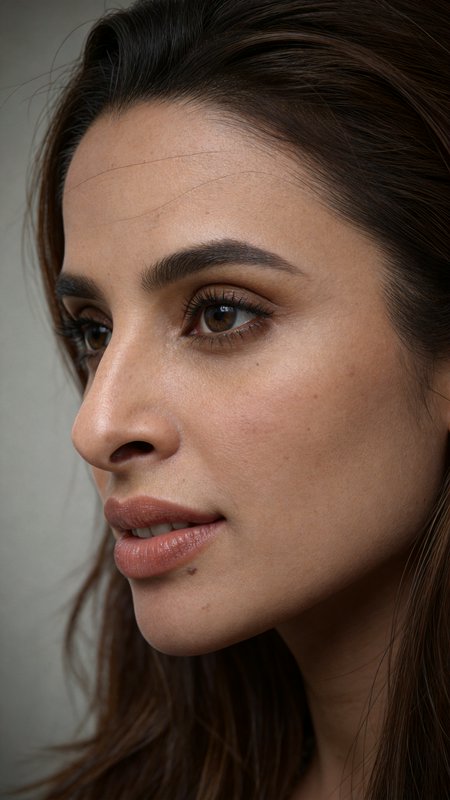
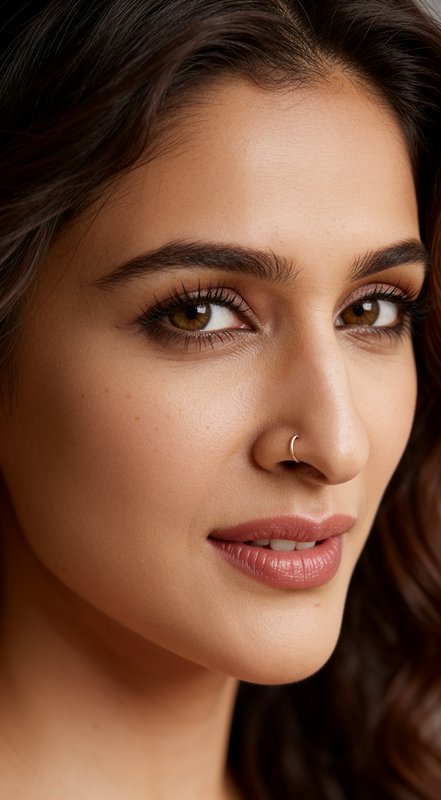
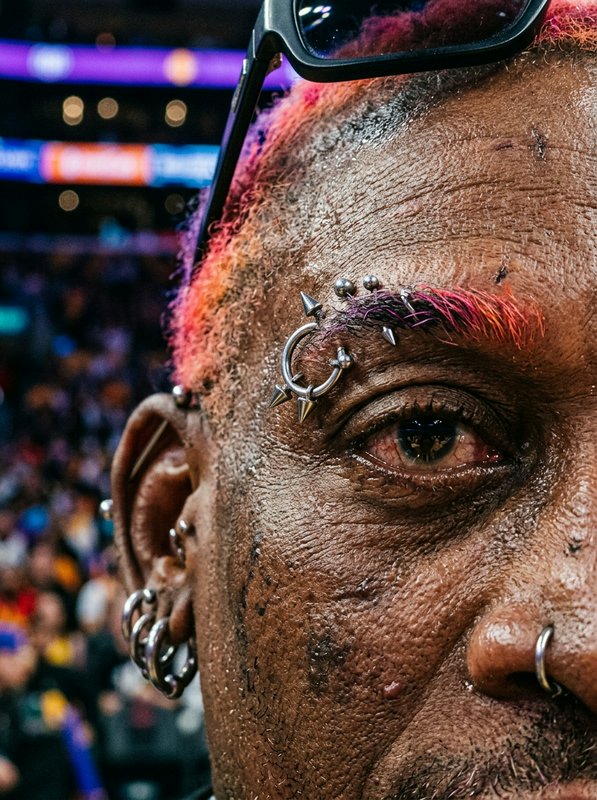
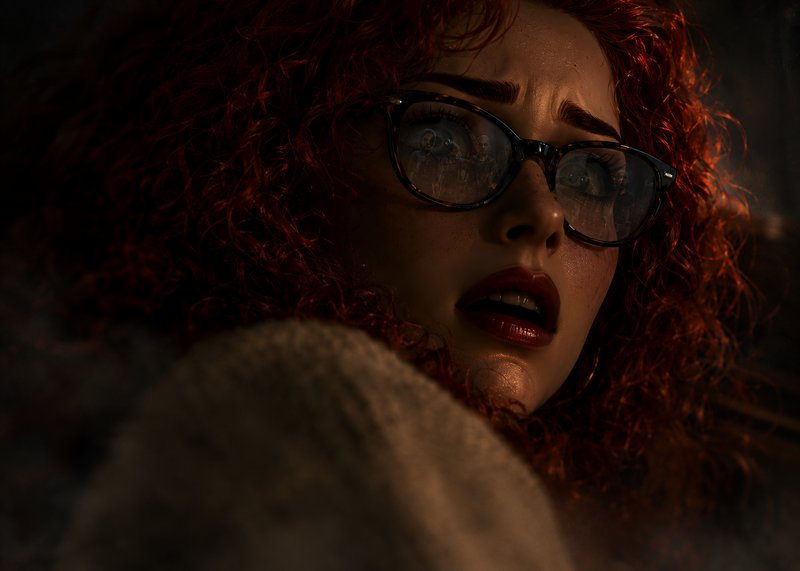
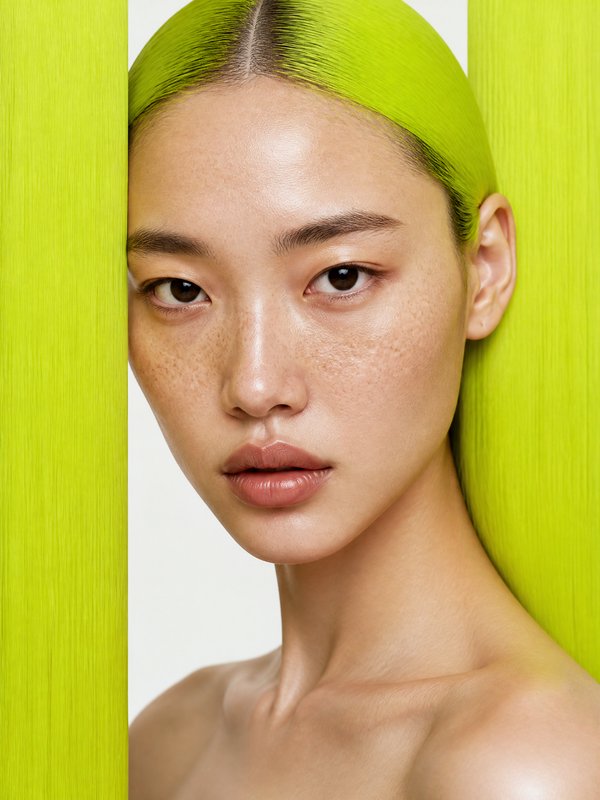
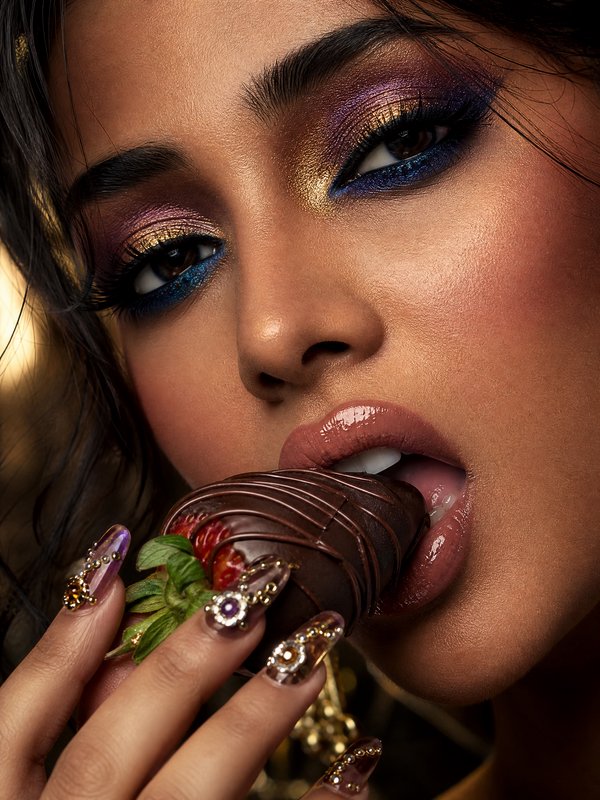
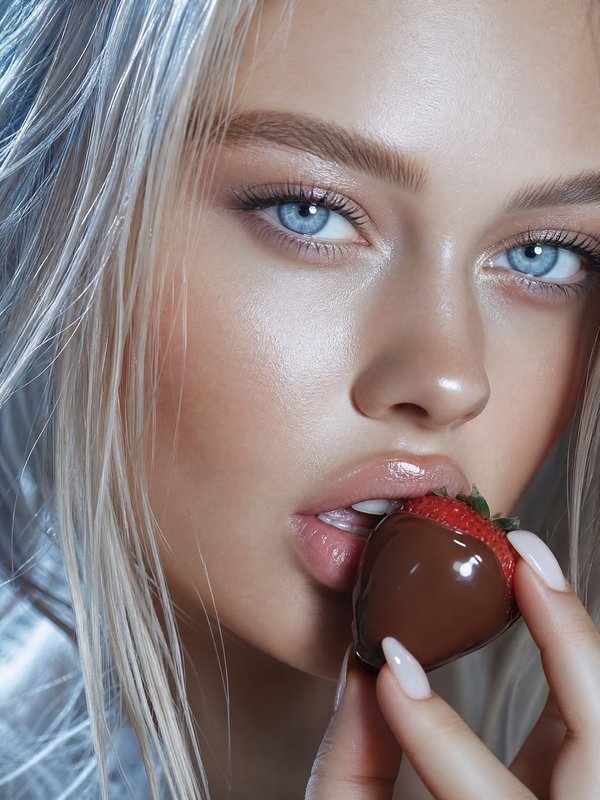
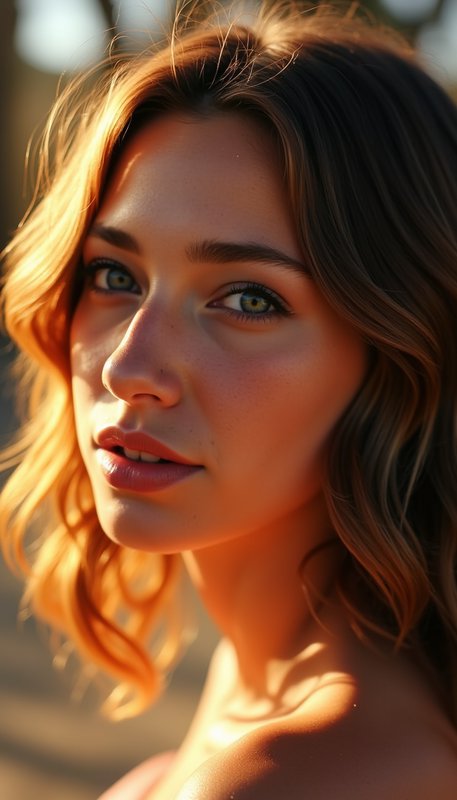
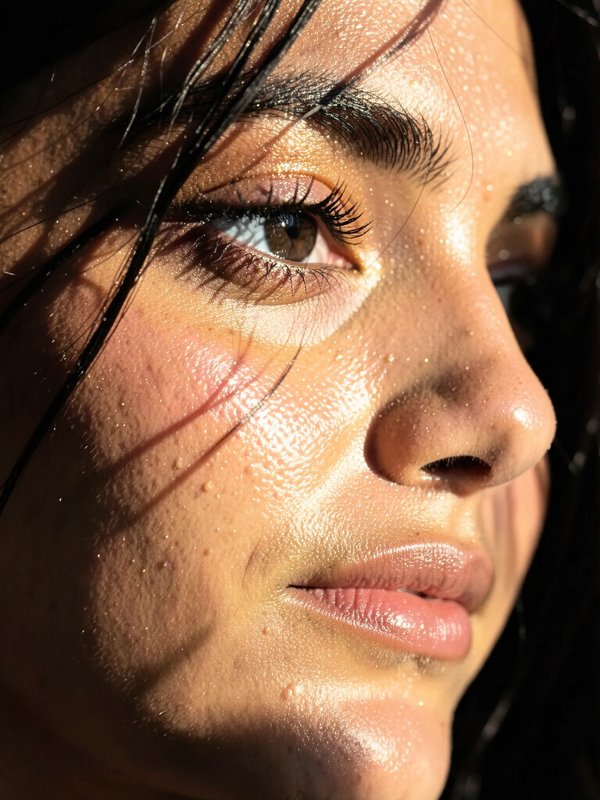
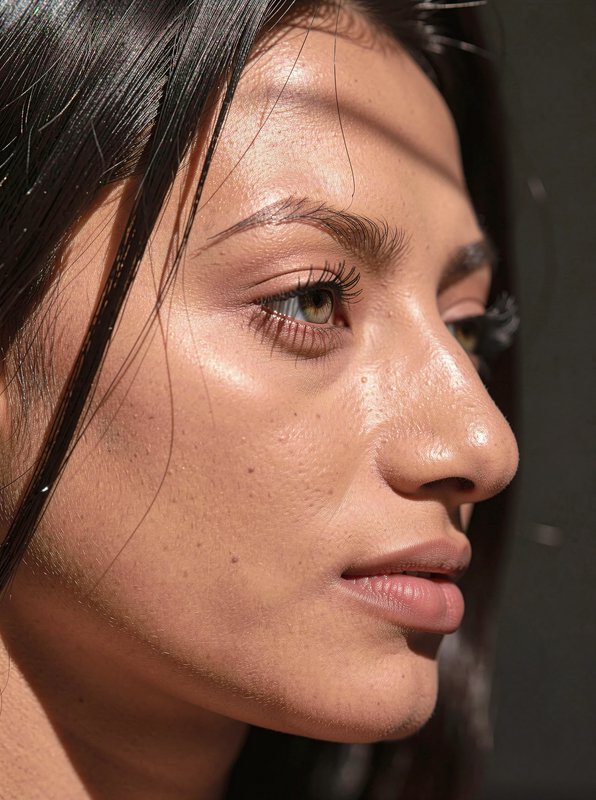
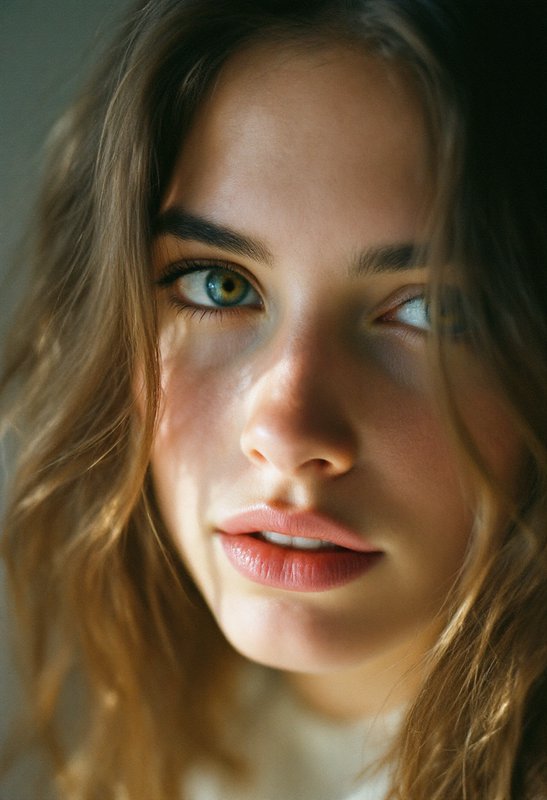
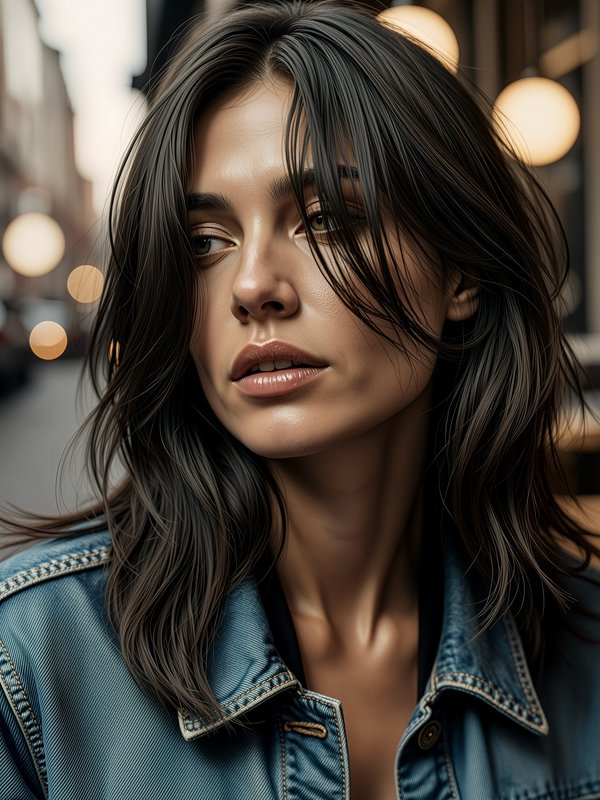
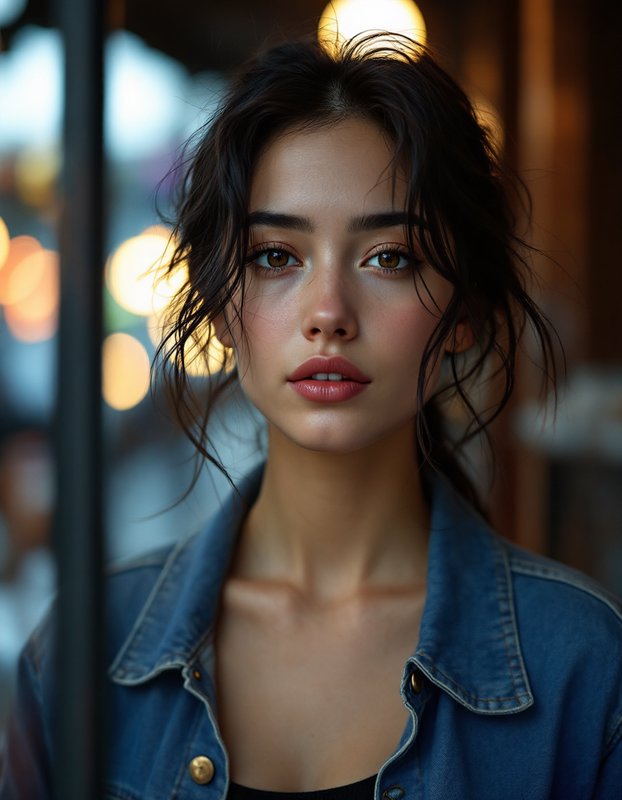
Tight framing where texture and detail carry the image.
567 published by the BudgetPixel community
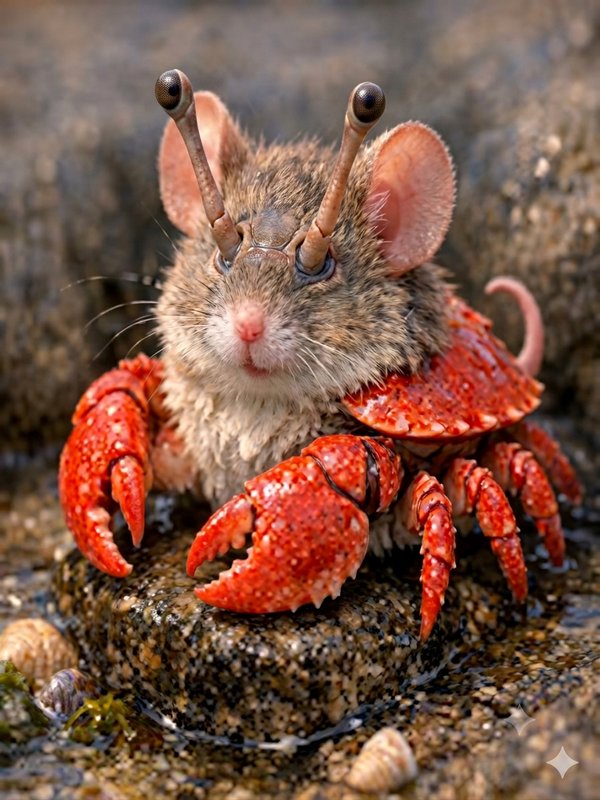
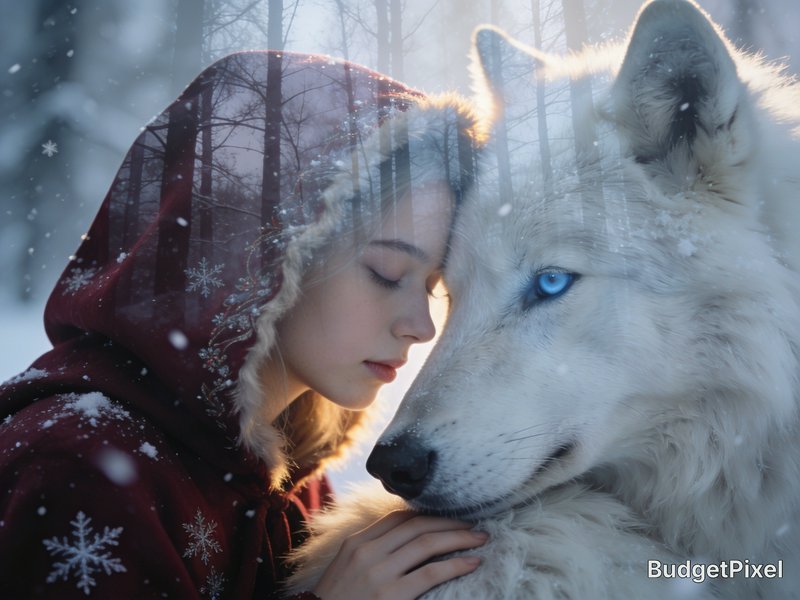
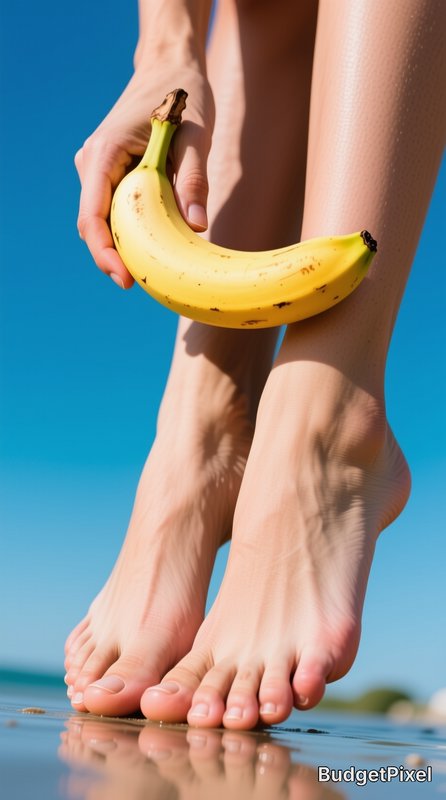
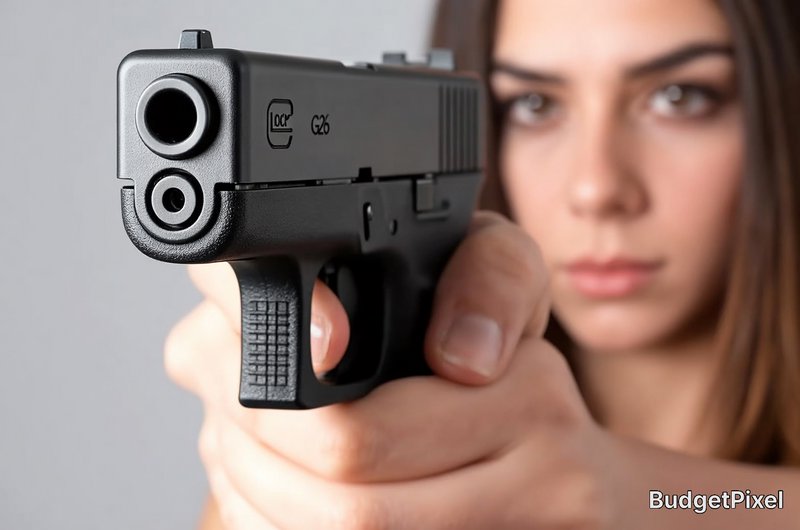
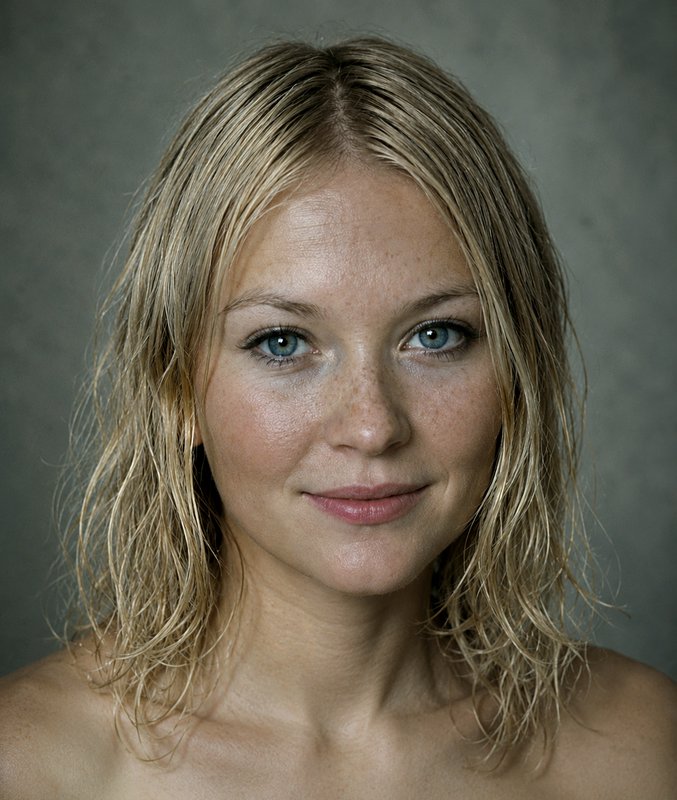
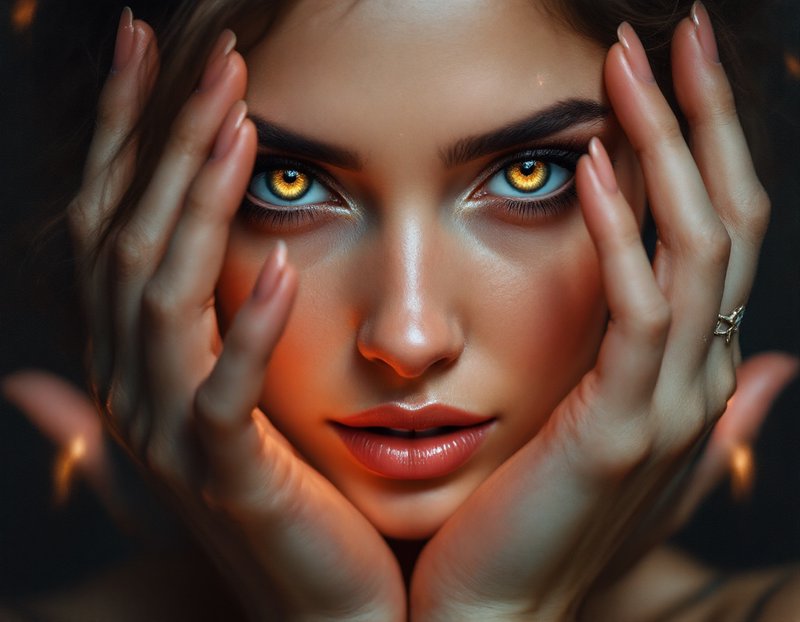
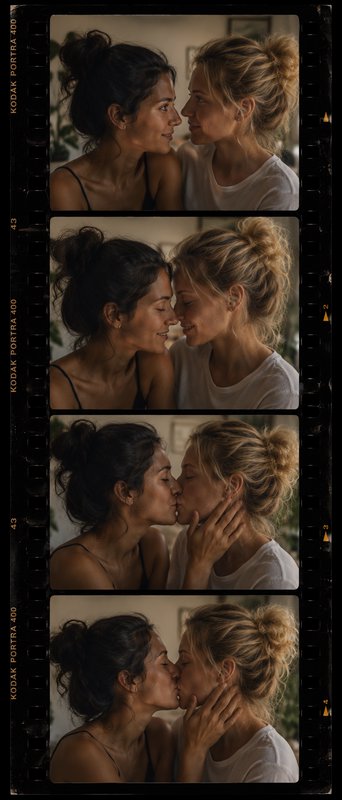
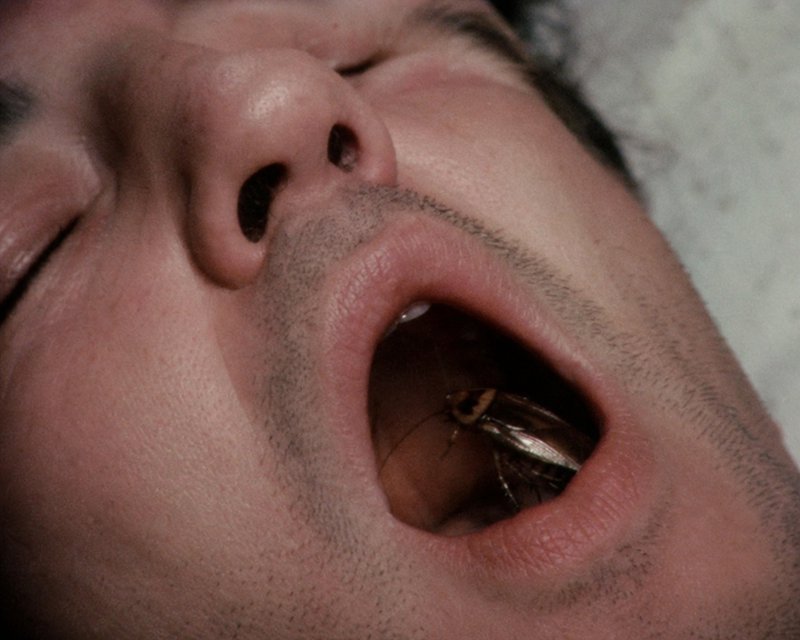
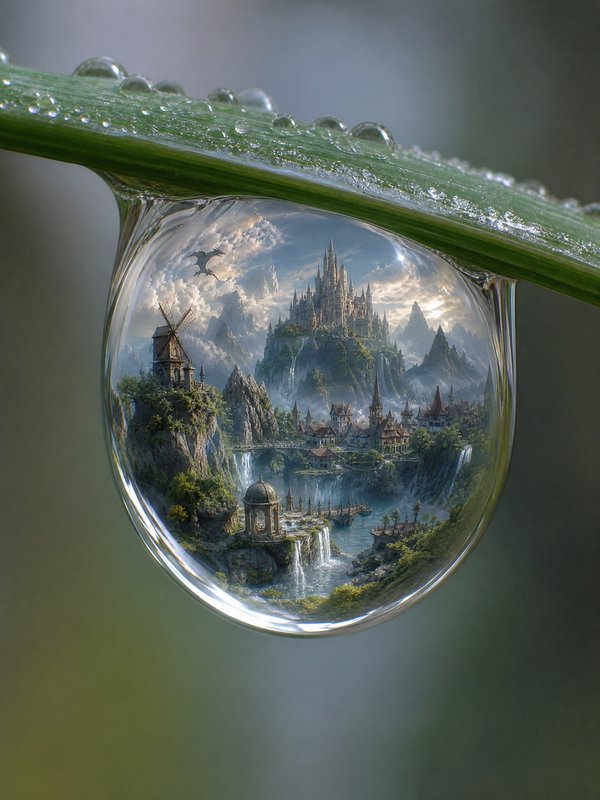
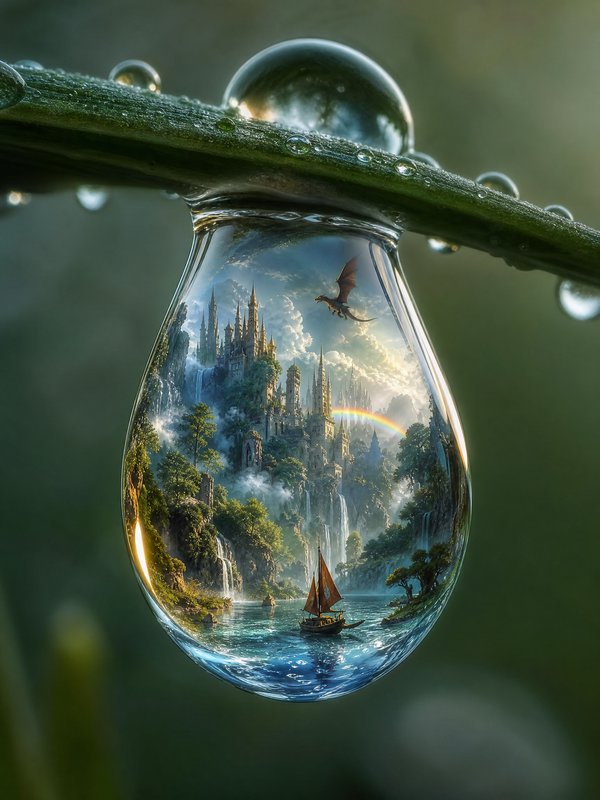
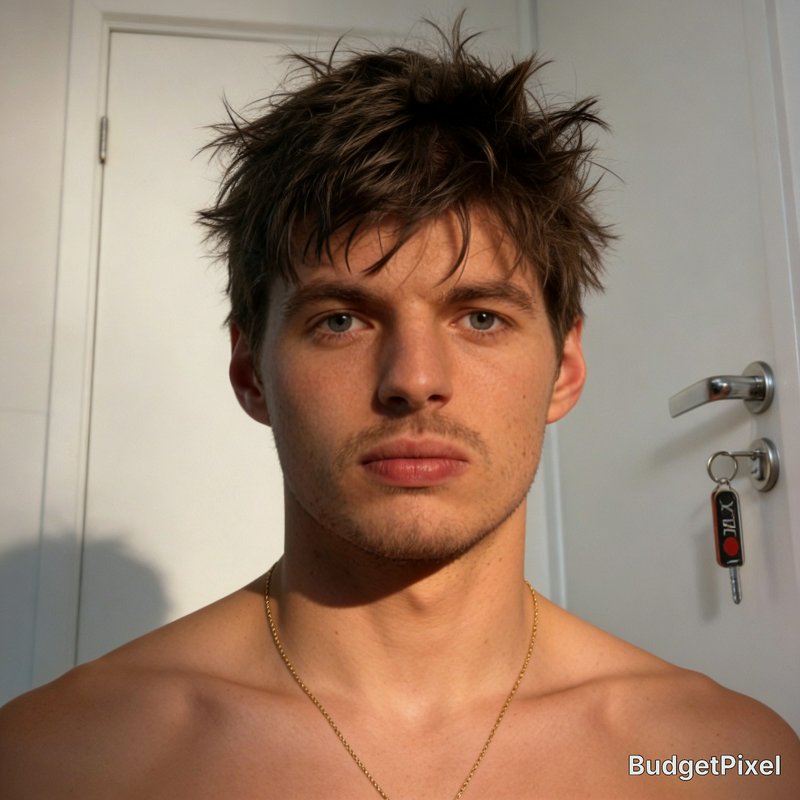
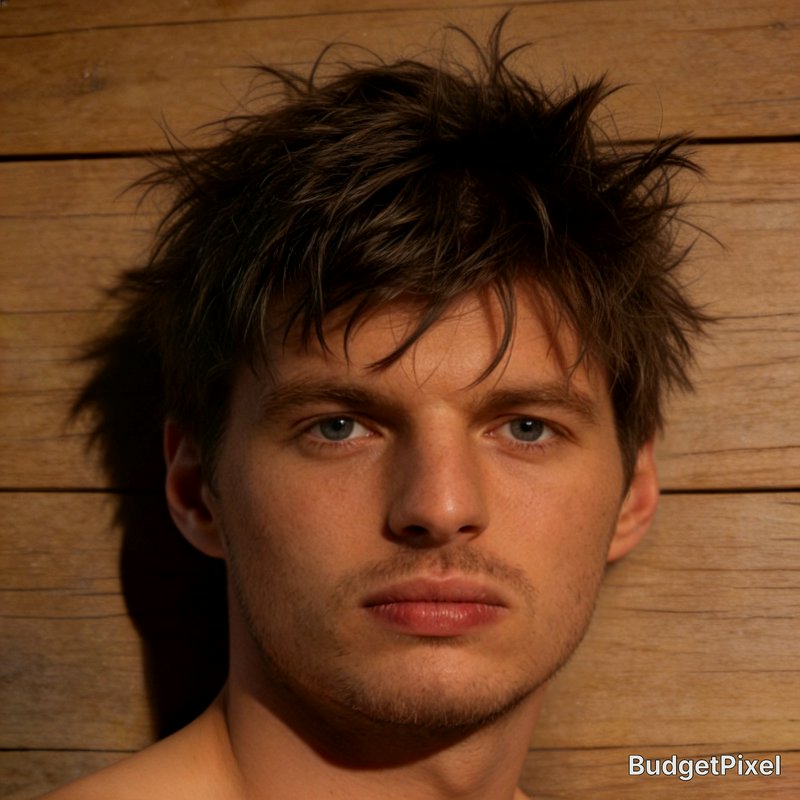
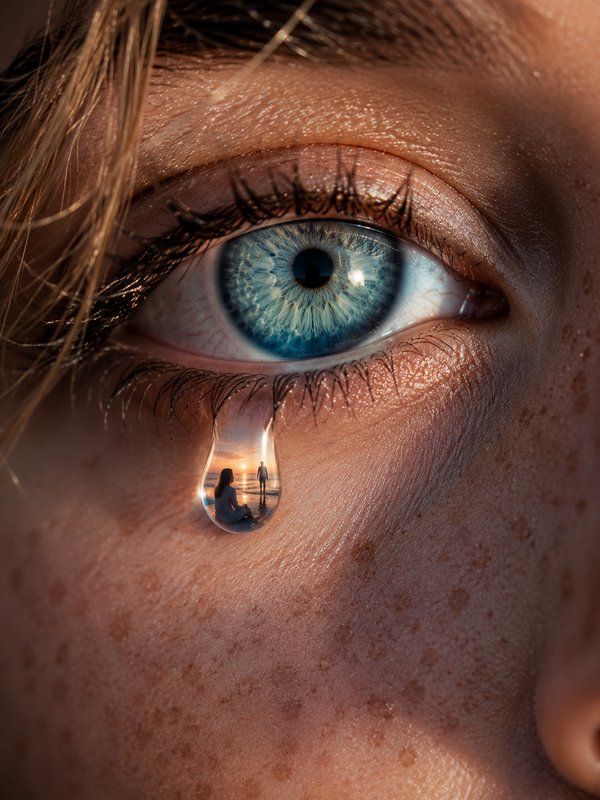
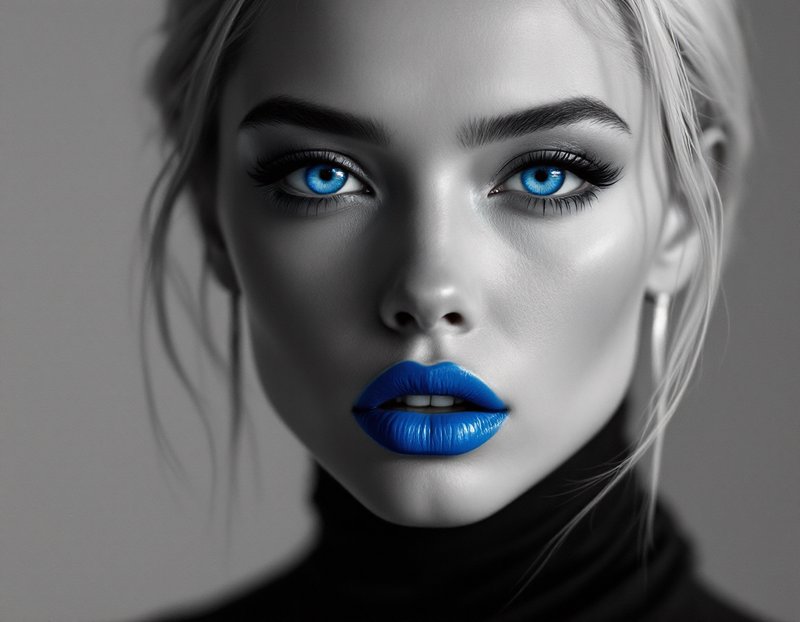
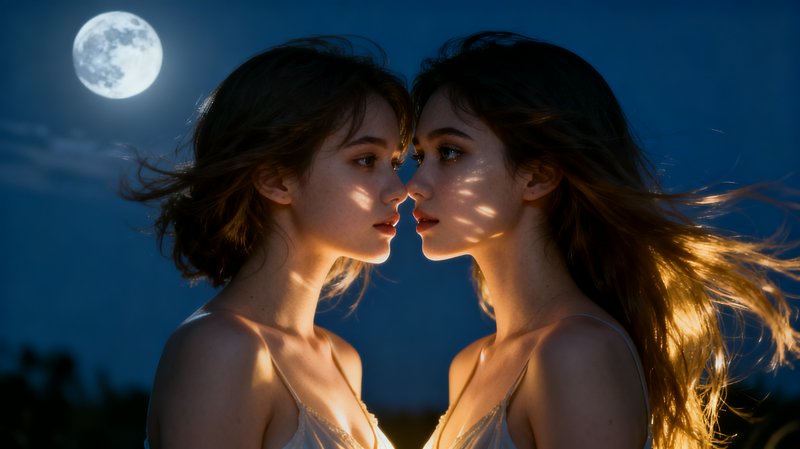
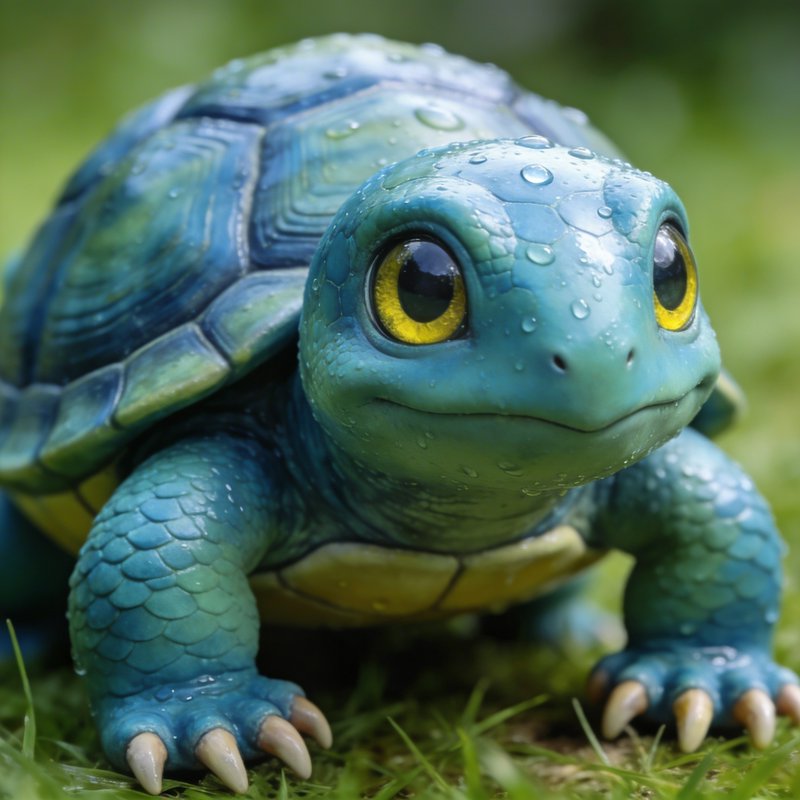
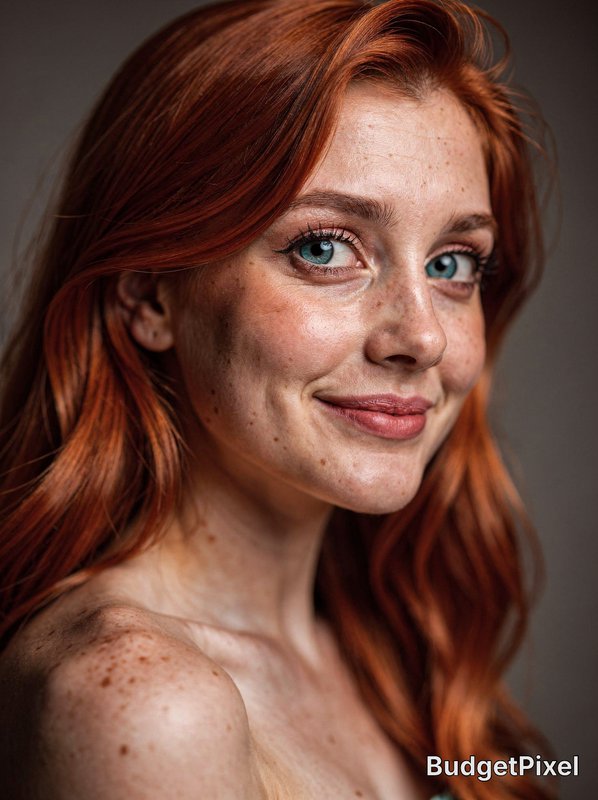
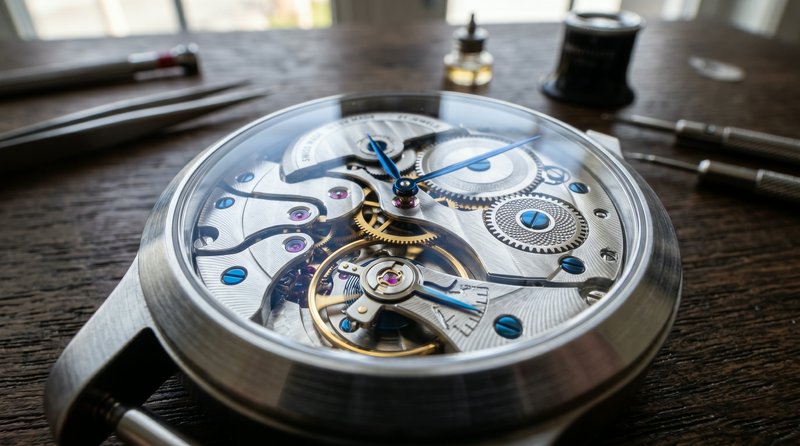
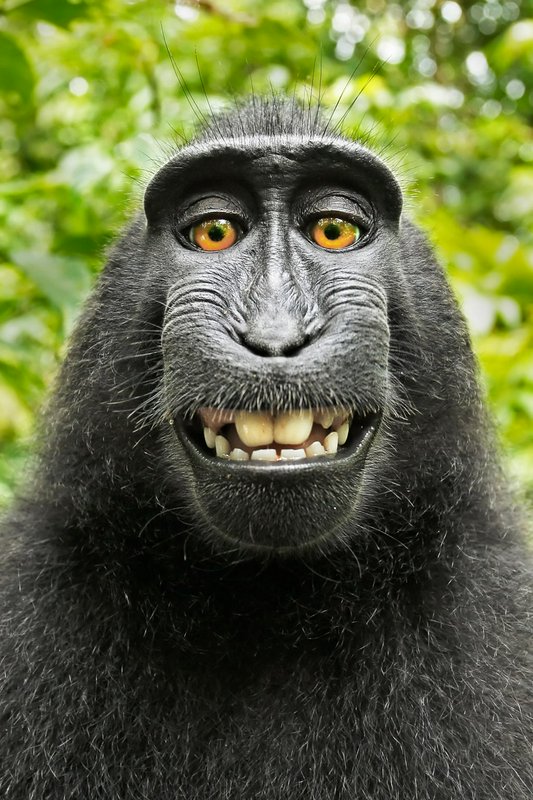
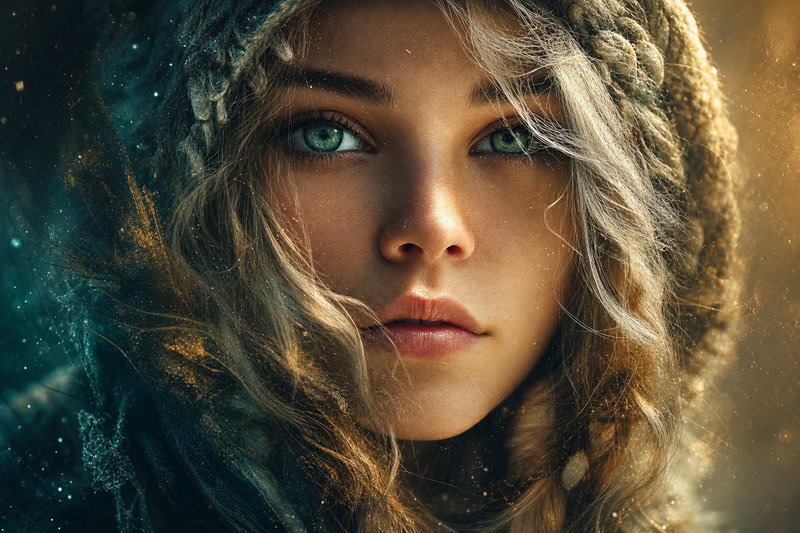
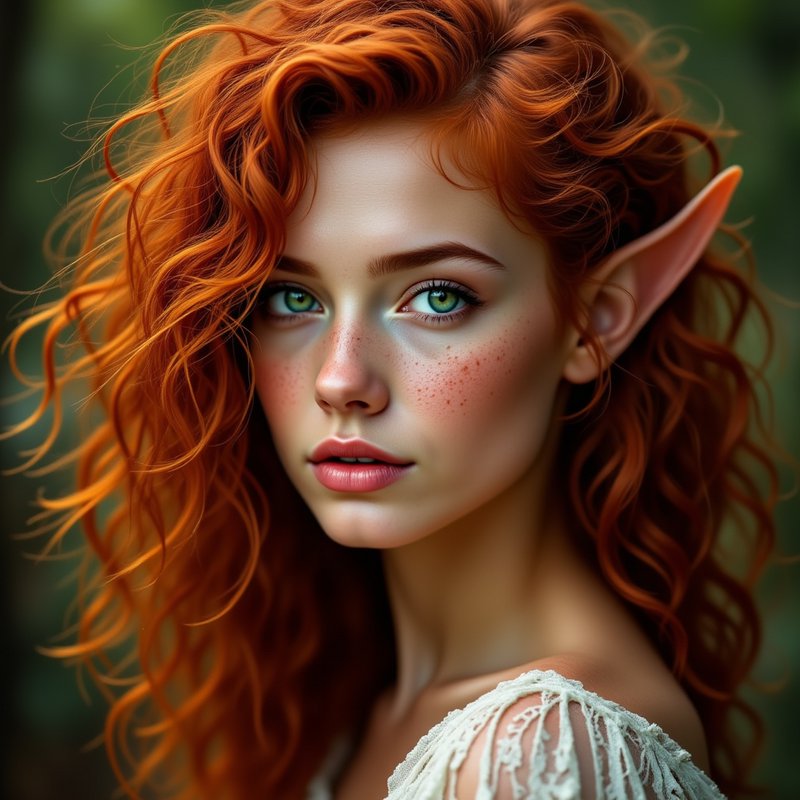
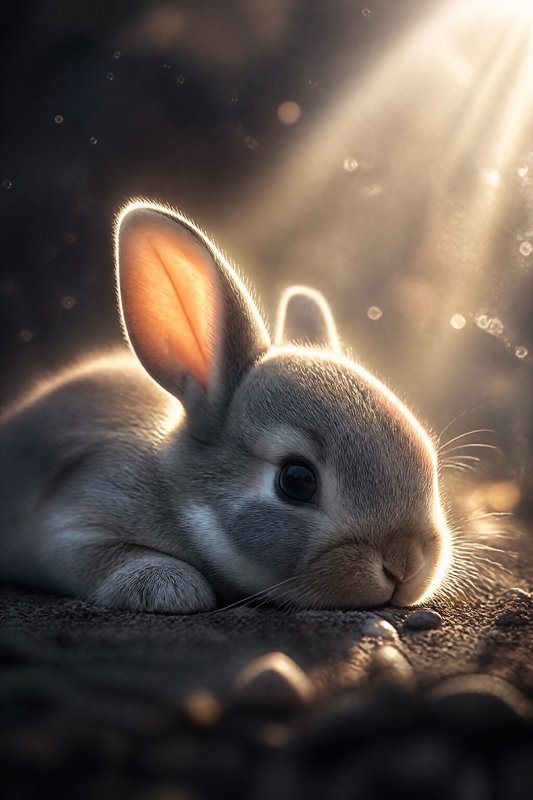
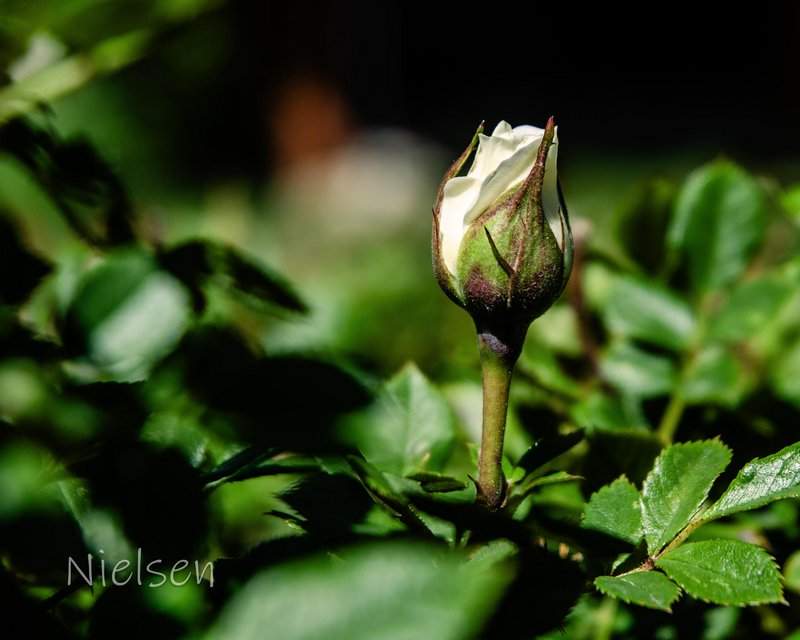
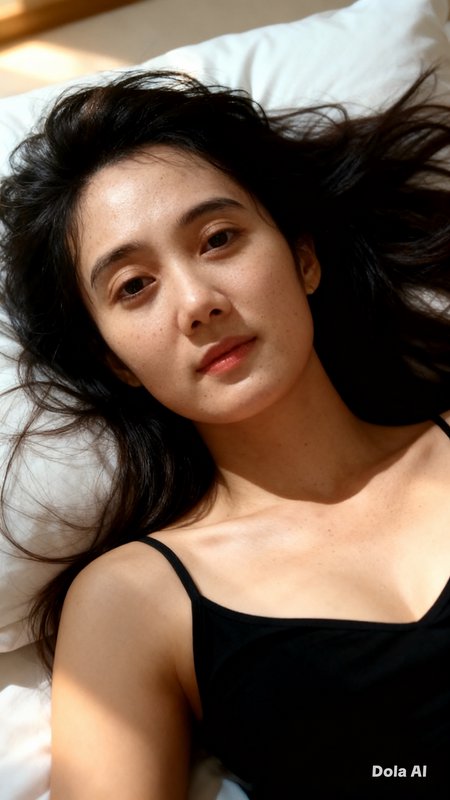
A close-up fills the frame with a small part of a larger subject, removing context so that texture, pattern and form become the content. The technical consequences are real ones: depth of field narrows sharply, so focus placement matters more than anything else, and lighting has to reveal surface rather than shape because there is no longer a whole object to model.
Make your own close-up image
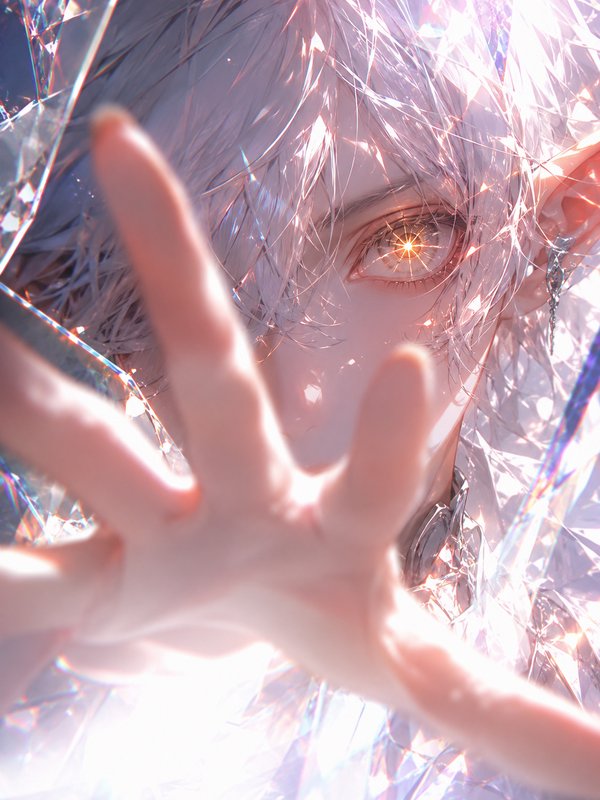
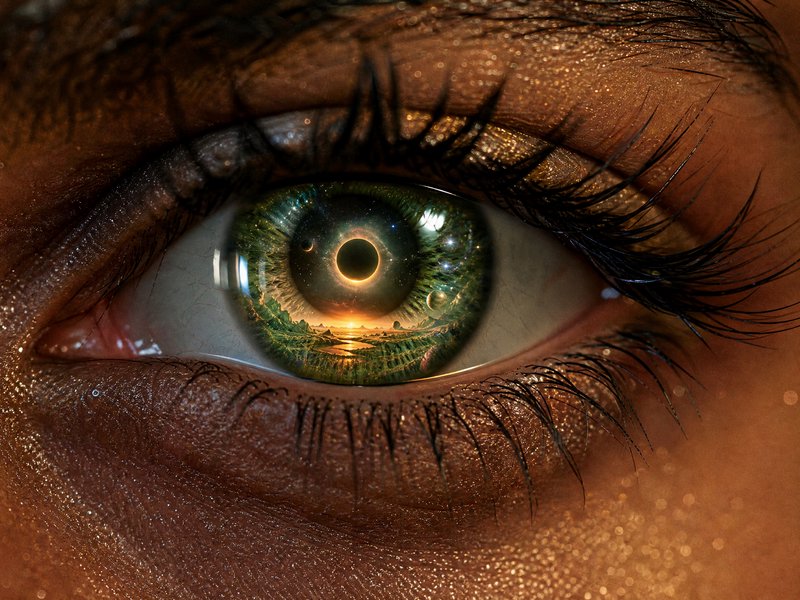
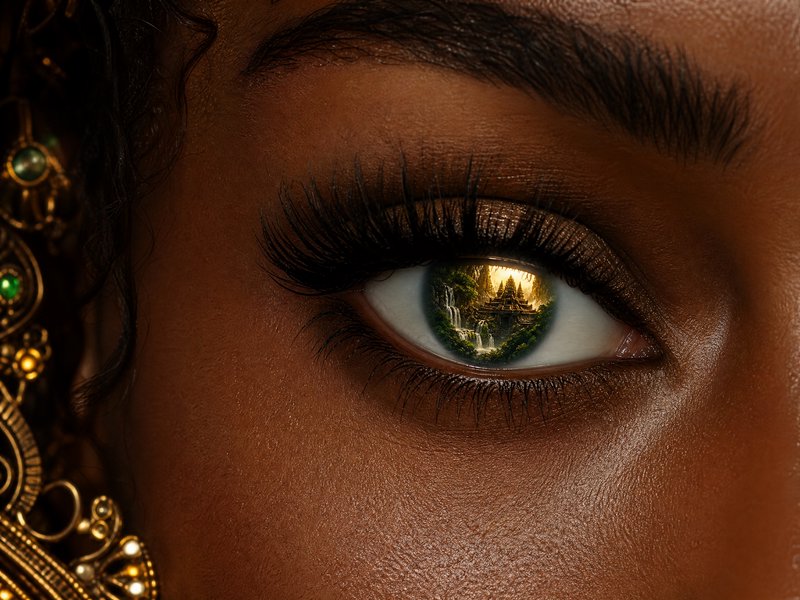
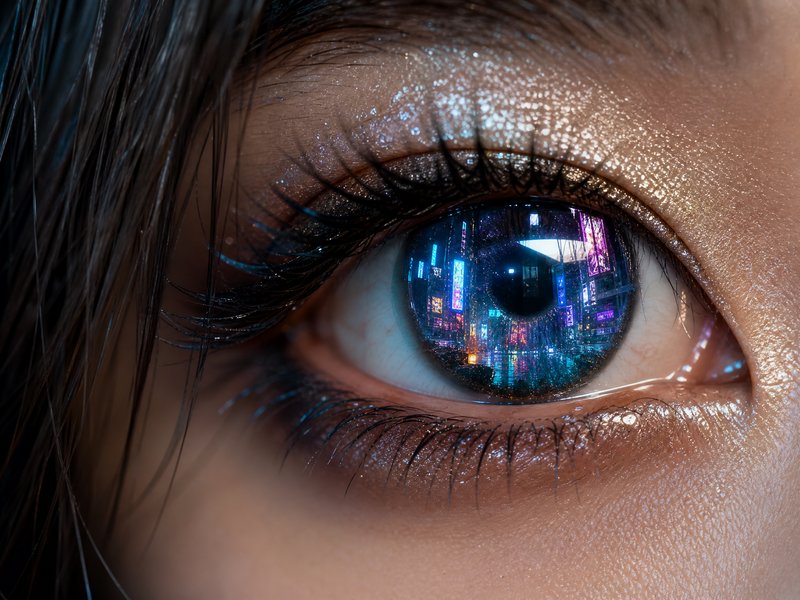
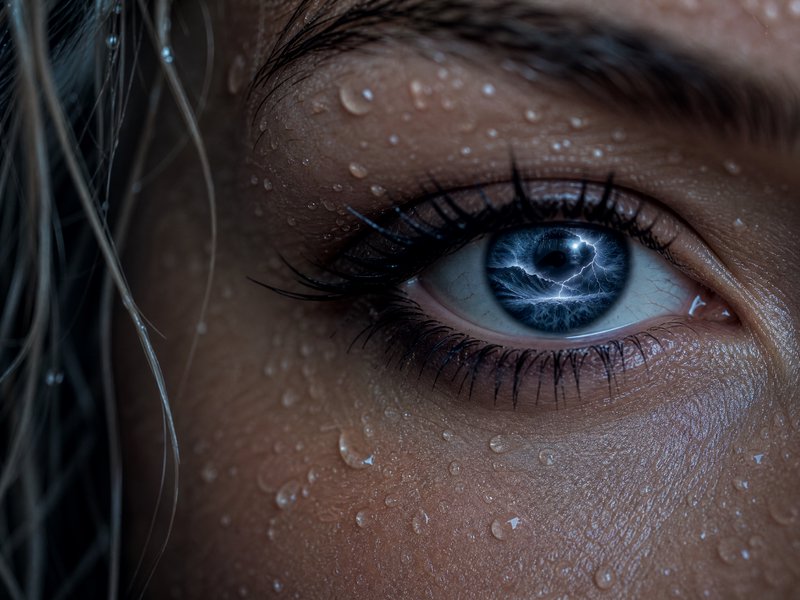
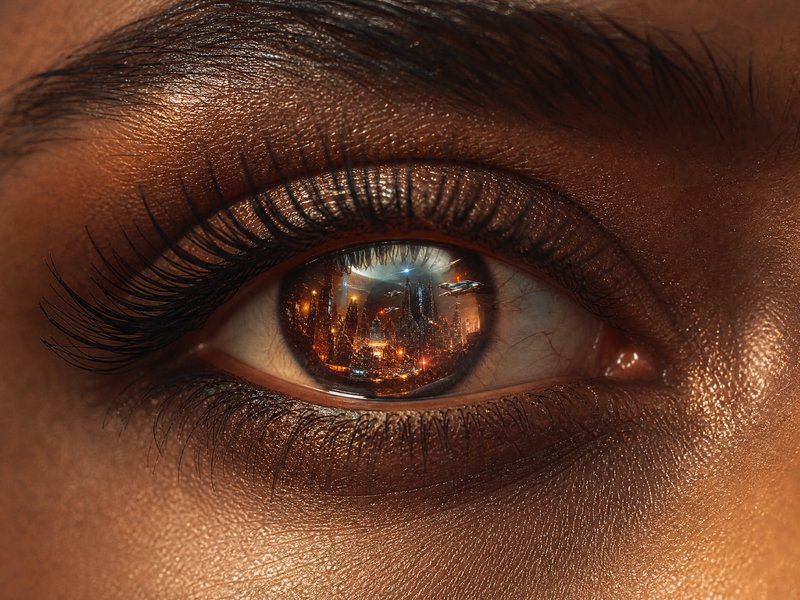
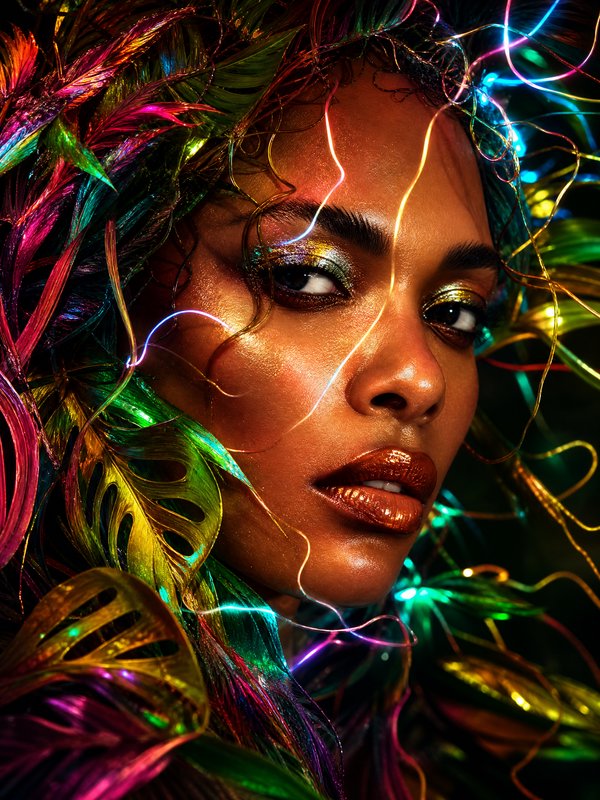
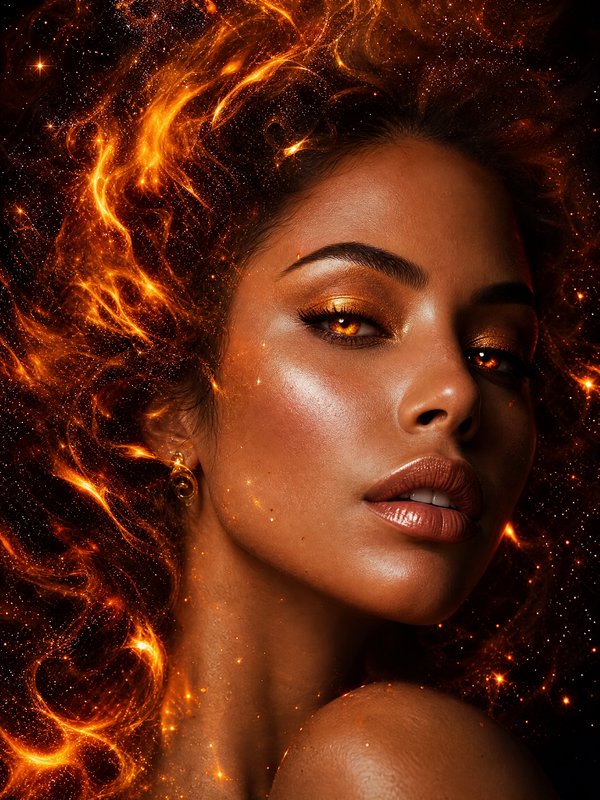
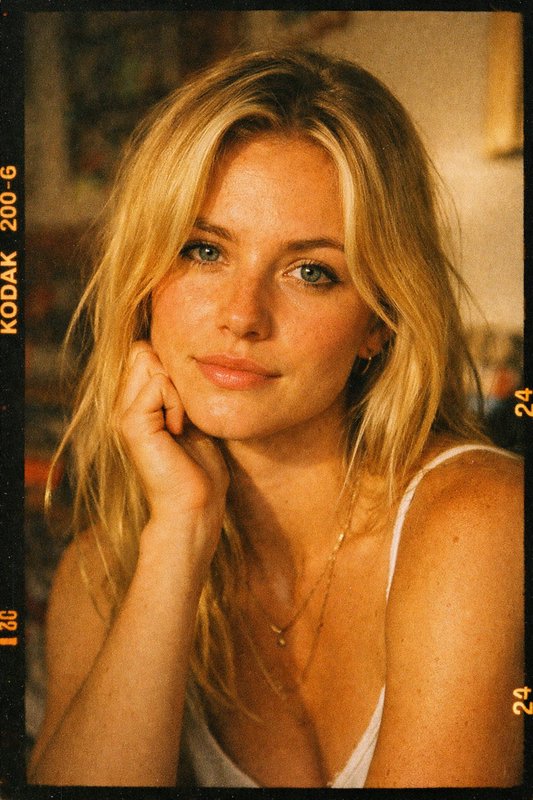
Everything in this grid was generated on BudgetPixel. Describe what you want and the same models will make it.
Start creatingMake your own close-up image
Everything in this grid was generated on BudgetPixel. Describe what you want and the same models will make it.
Start creating
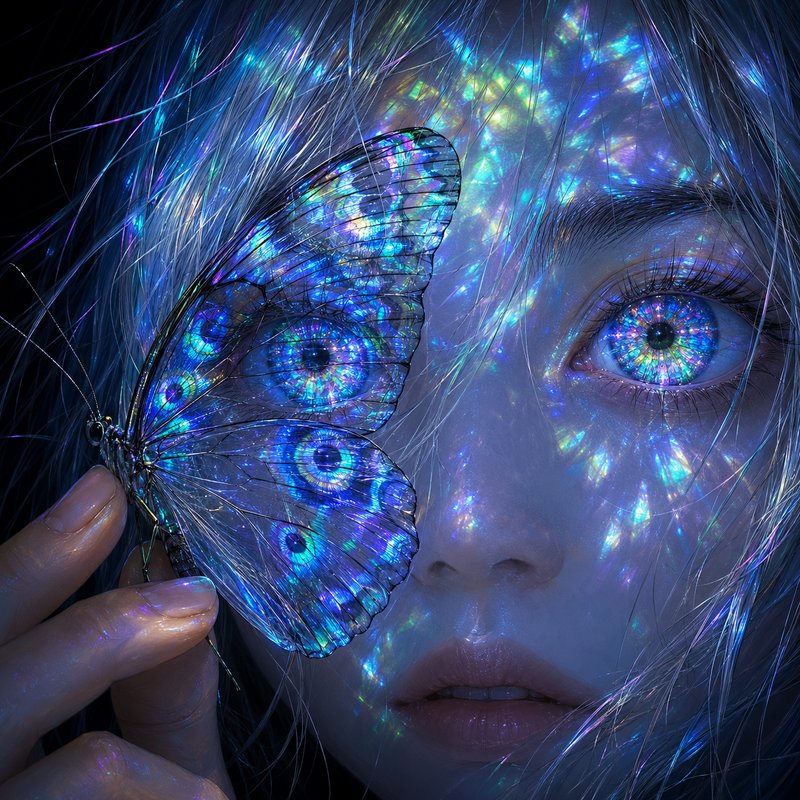

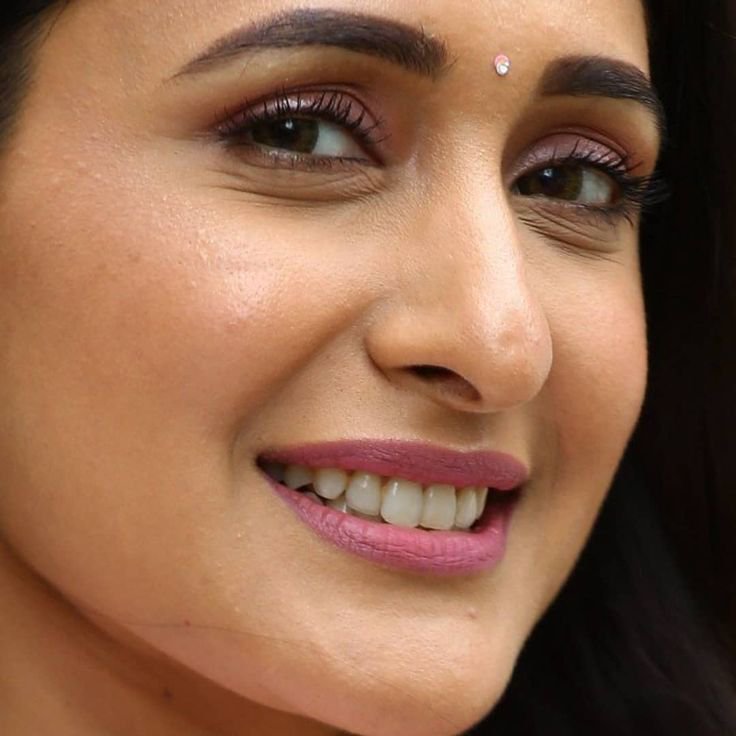
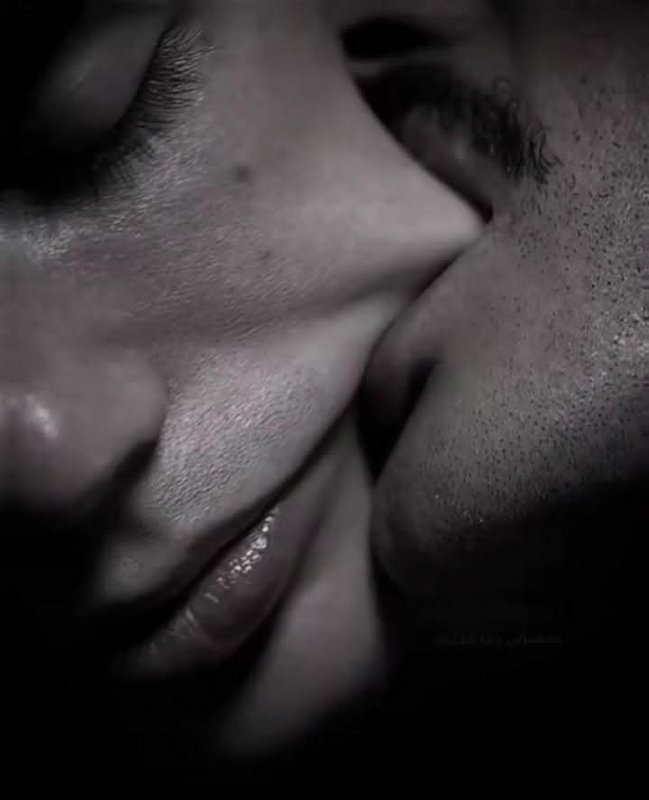
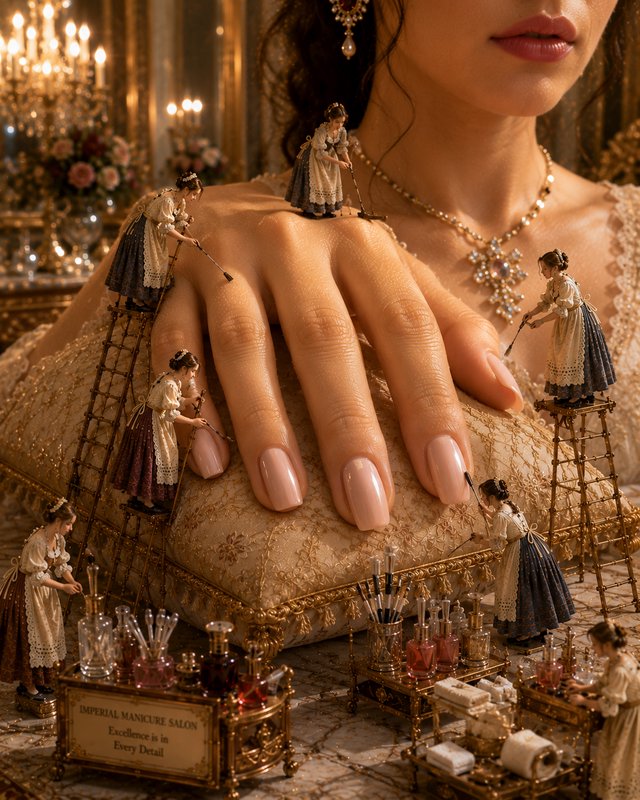



Close-Up prompts to start from
Working prompts, not fragments. Open one to load it into the generator, then change whatever you like.
- Extreme close-up of an iris, sharp on the texture, everything beyond falling away, raking side lightUse →
- Macro of a water droplet on a leaf vein, life-size reproduction, shallow plane of focus, cool morning lightUse →
- Close detail of weathered paint lifting from timber, hard raking light revealing every ridge, flat framingUse →
Close-Up AI images: common questions
How do I prompt for a good close-up?
Name the exact area and the surface quality. The corner of an eye with visible lashes and skin texture is a brief; a close-up portrait is not. Adding where the focus plane sits — sharp on the iris, everything else falling away — controls the one variable that defines the shot.
What lighting suits close-up work?
Raking light across the surface. When light crosses texture at a shallow angle it casts tiny shadows that make the texture visible; frontal light flattens it completely. This is why macro and detail work almost always uses side light, and saying so gets you there directly.
Is close-up the same as macro?
Not quite. Macro means reproduction at or near life size — the domain of insects, water droplets and fabric weave — while close-up just means tight framing. Asking for macro brings the extremely shallow focus and optical characteristics of that kind of lens, which you may or may not want.
Related topics
Make your own close-up images
Everything here was generated on BudgetPixel and published by the person who made it. The same models are available to you — pick one, write a prompt, and publish the result to the community feed if you want it here.