
Black and White AI images
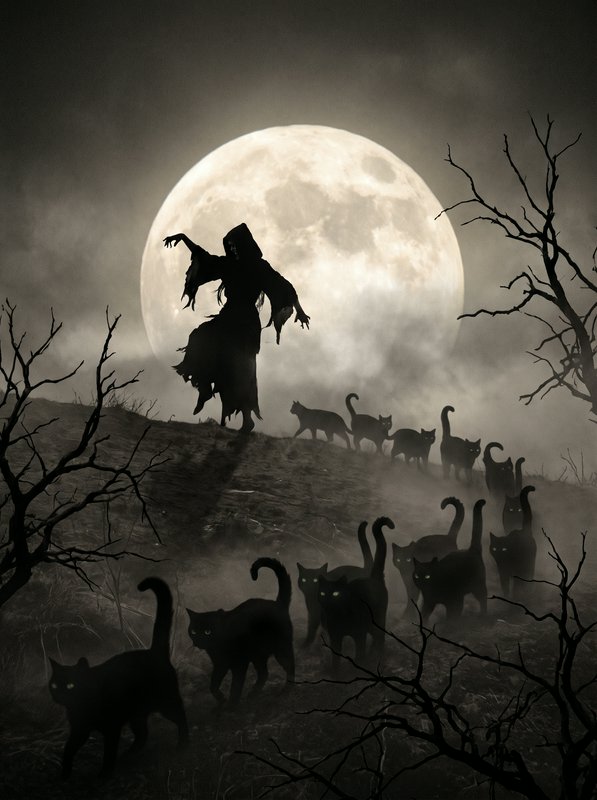
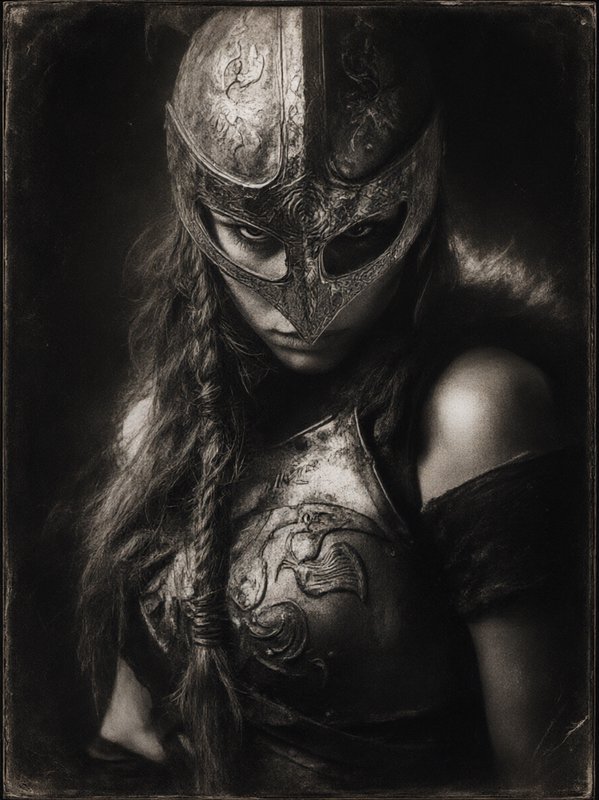
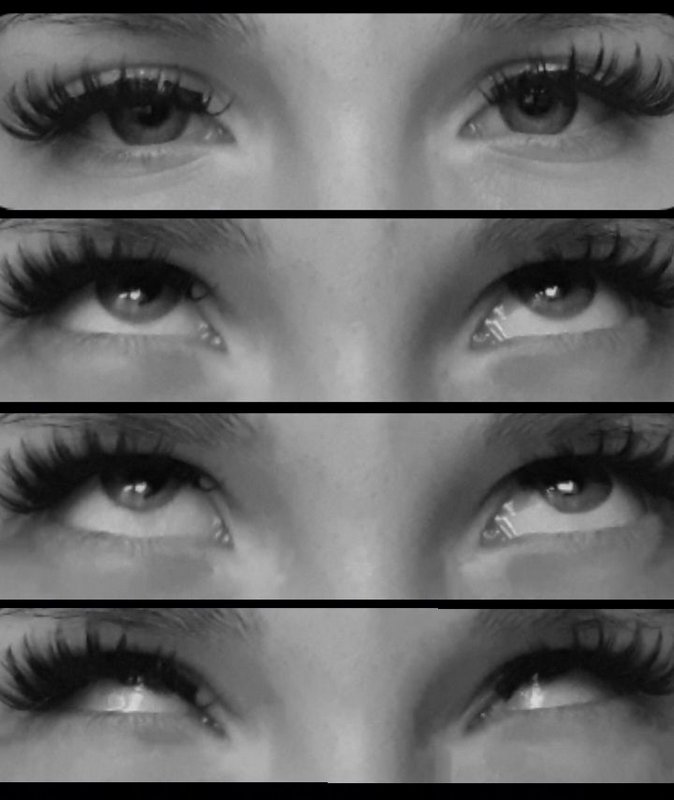
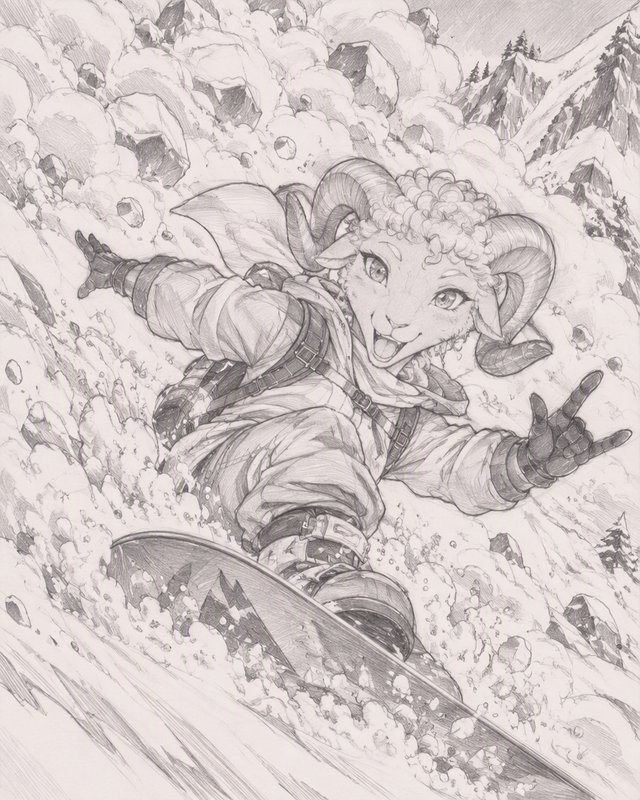
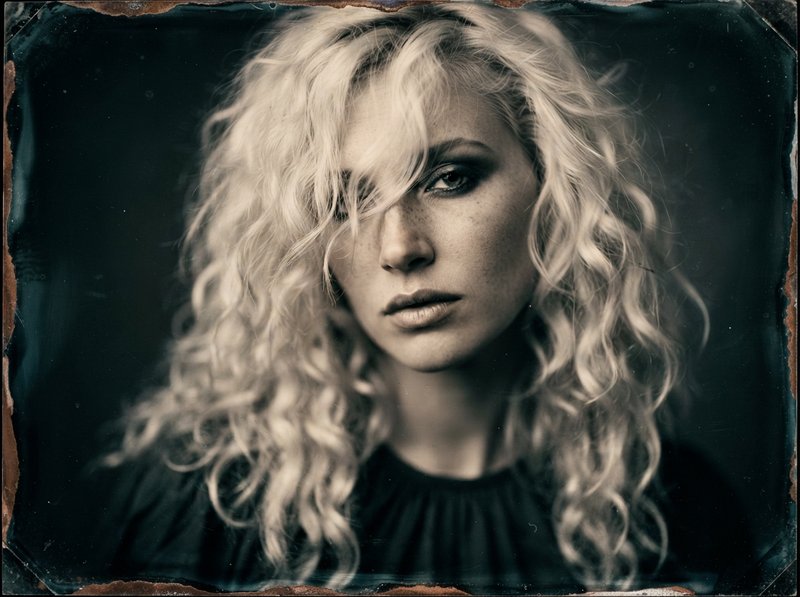
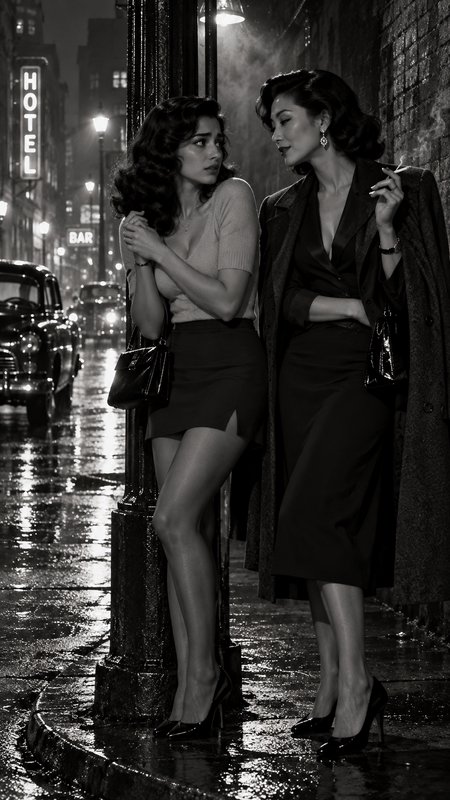
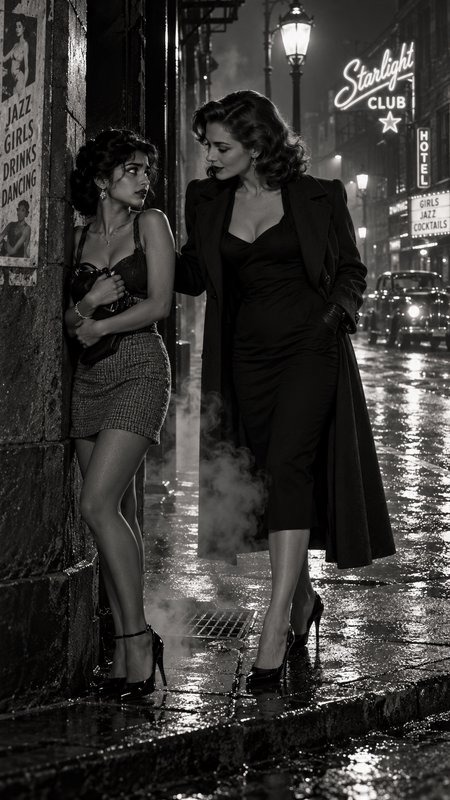
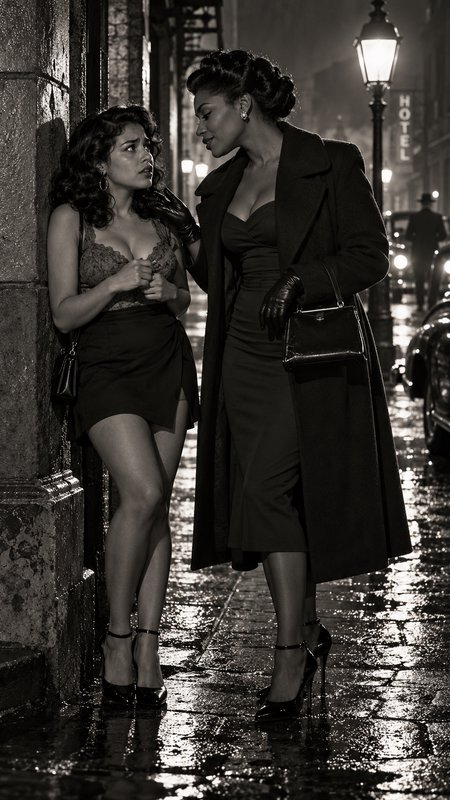
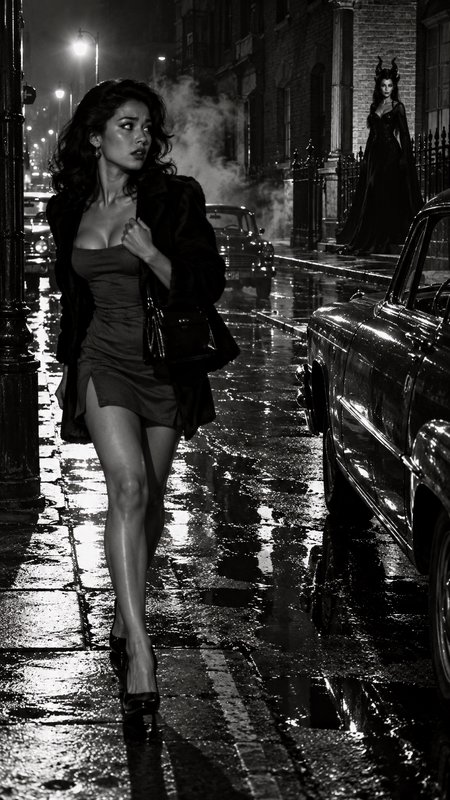
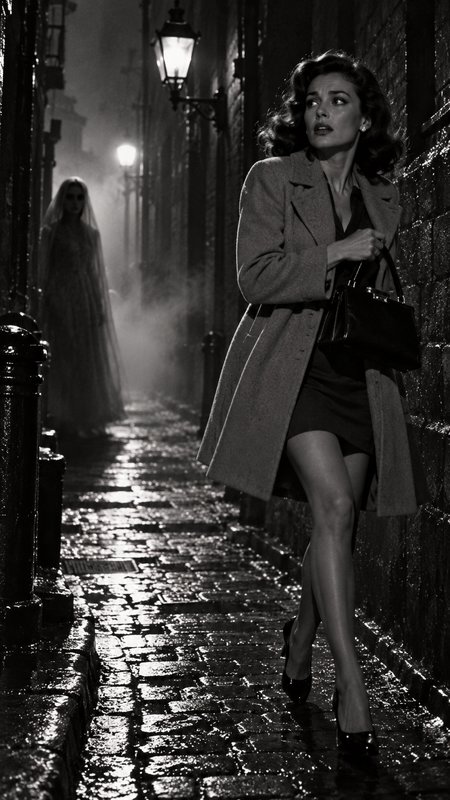
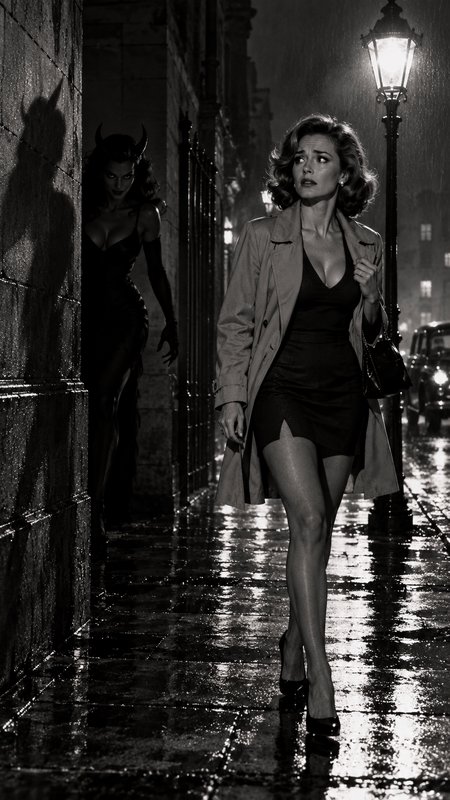
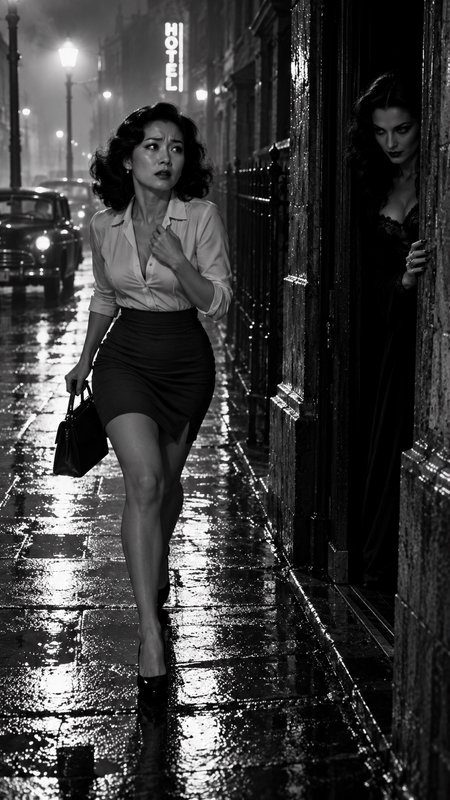
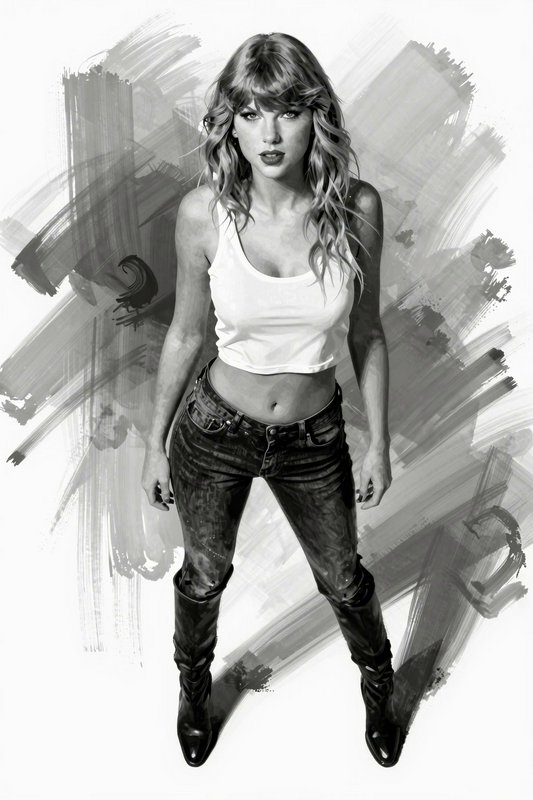
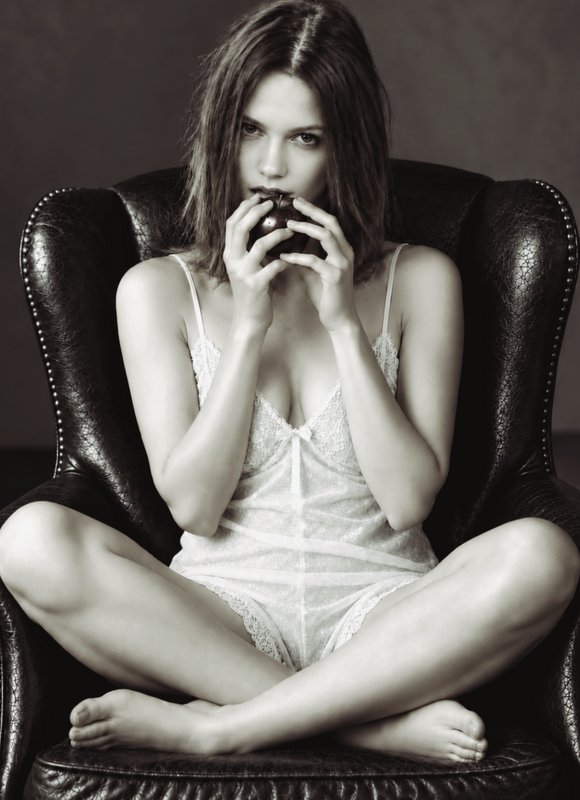
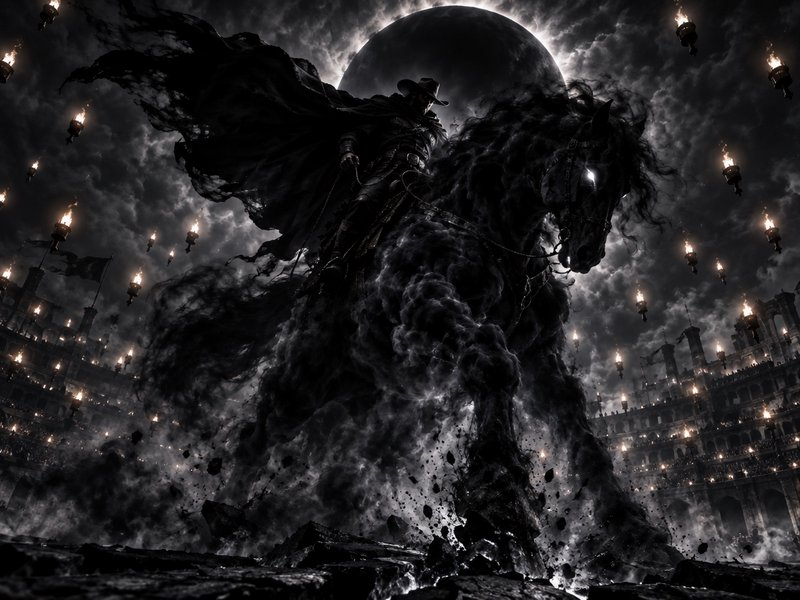
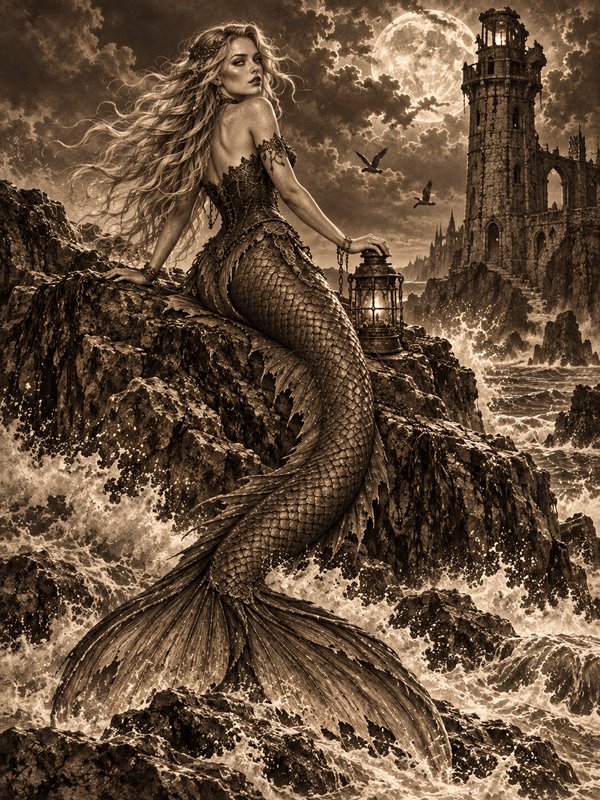
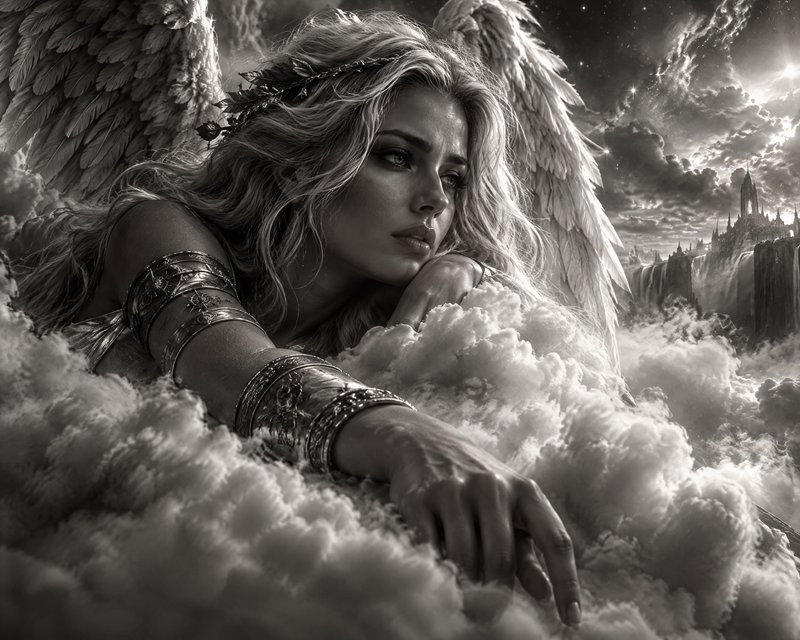
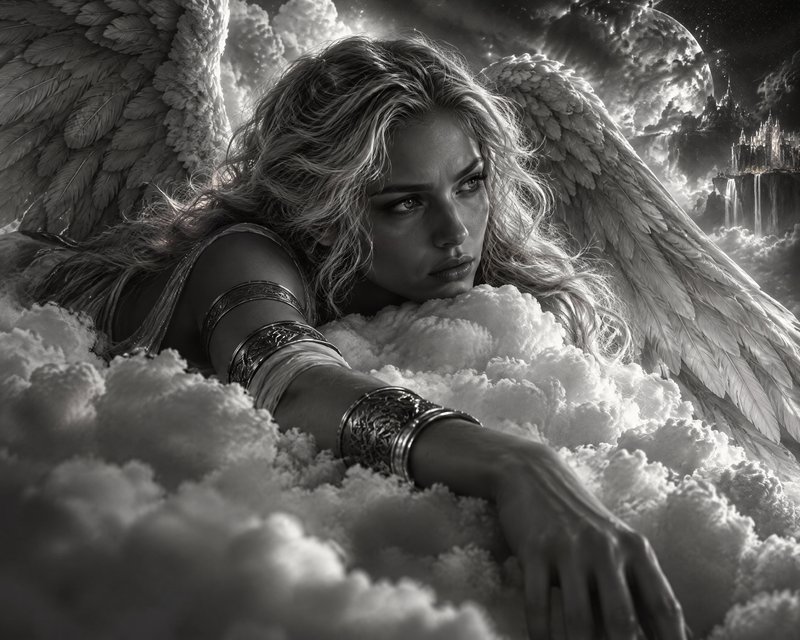
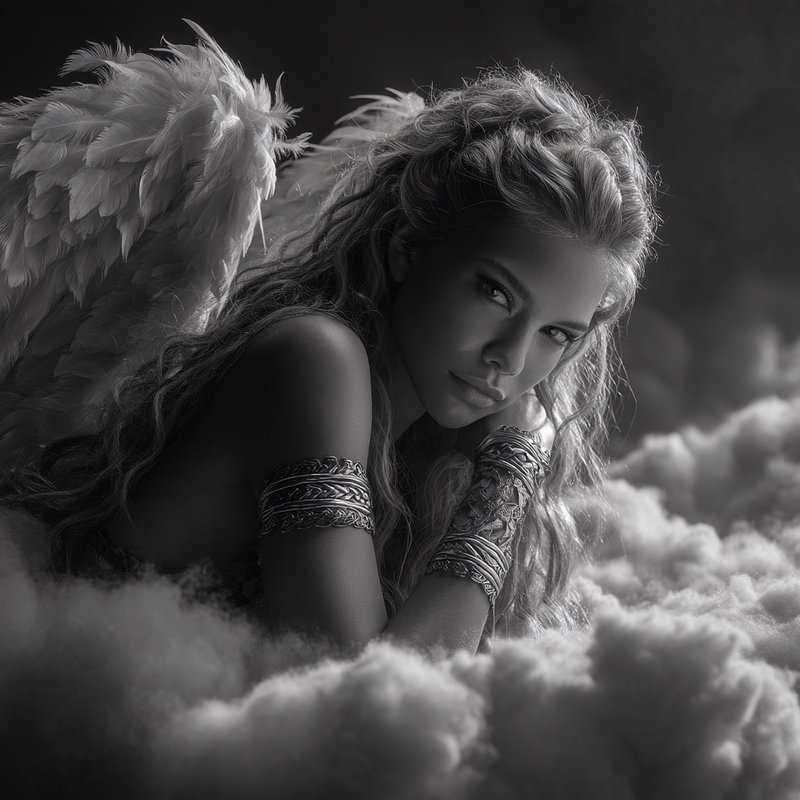
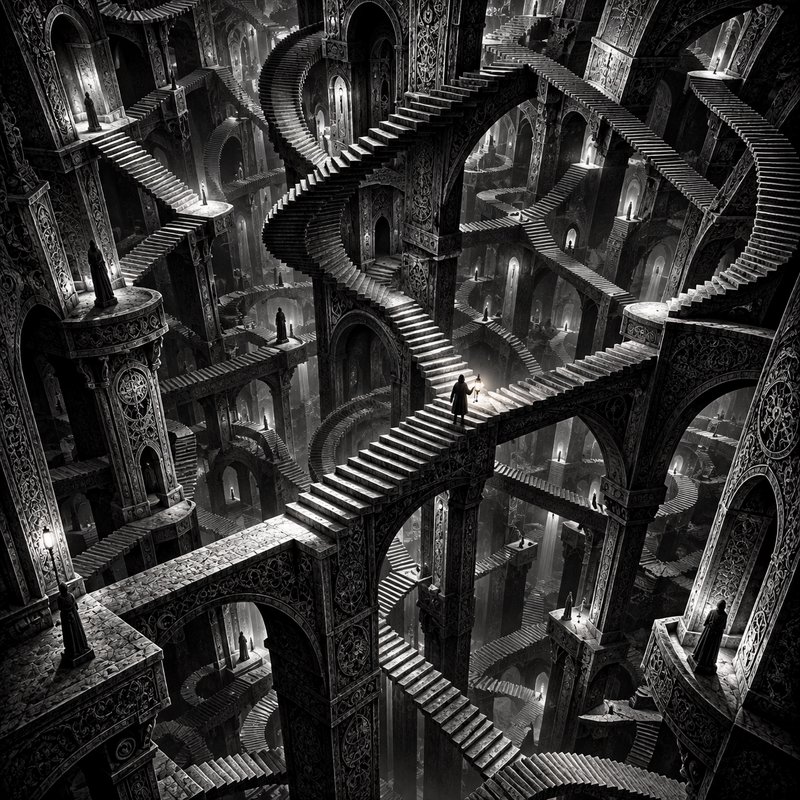
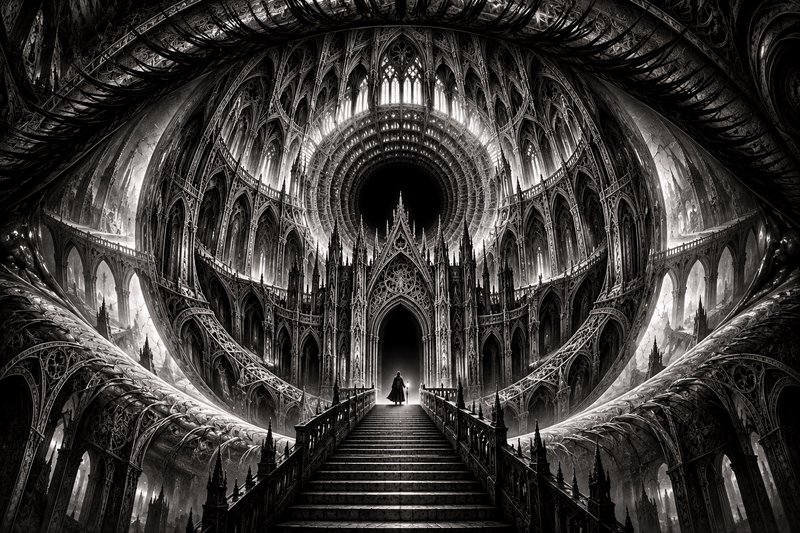
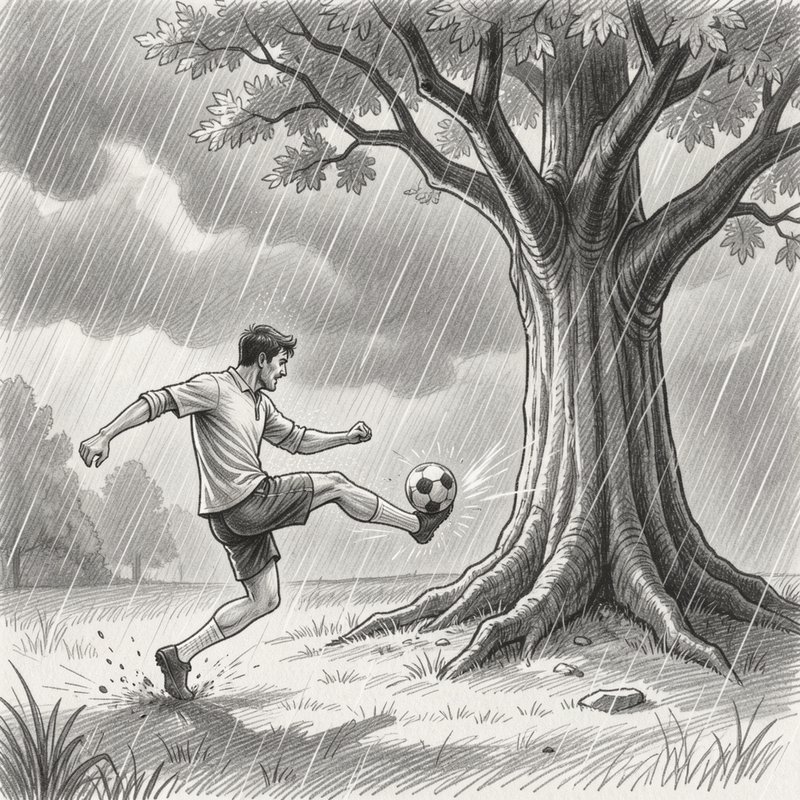
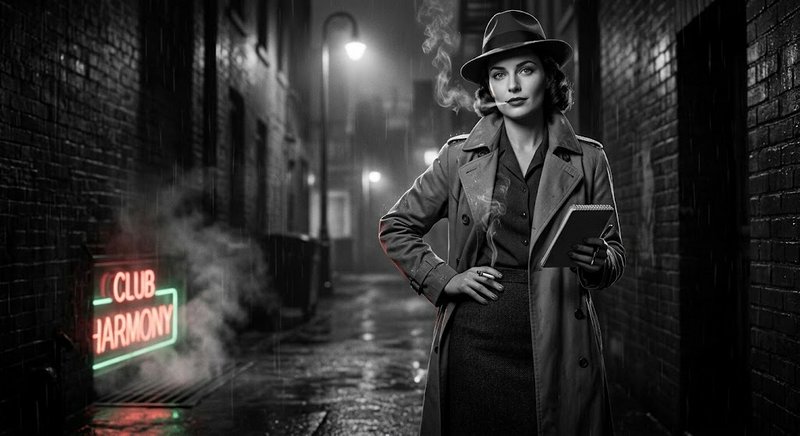
Monochrome, where tone and contrast do the work colour usually does.
958 published by the BudgetPixel community
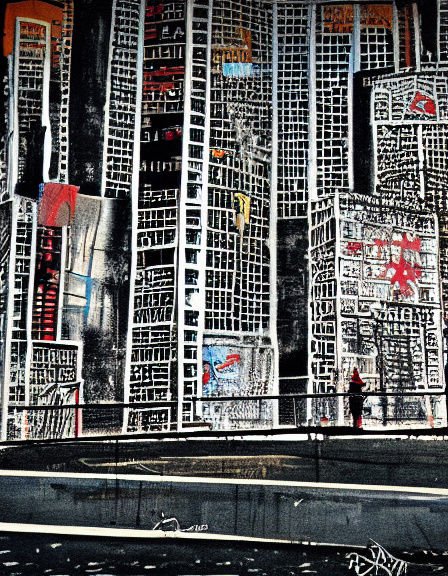
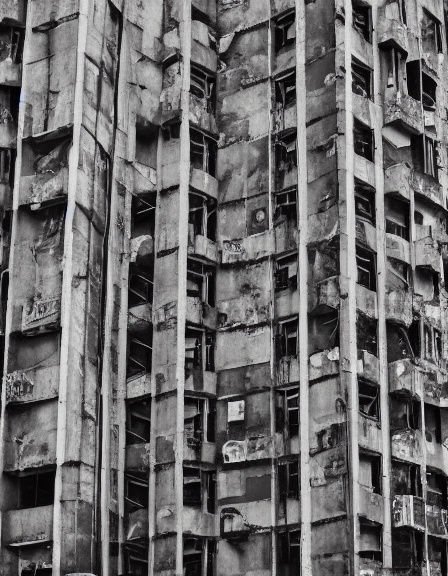
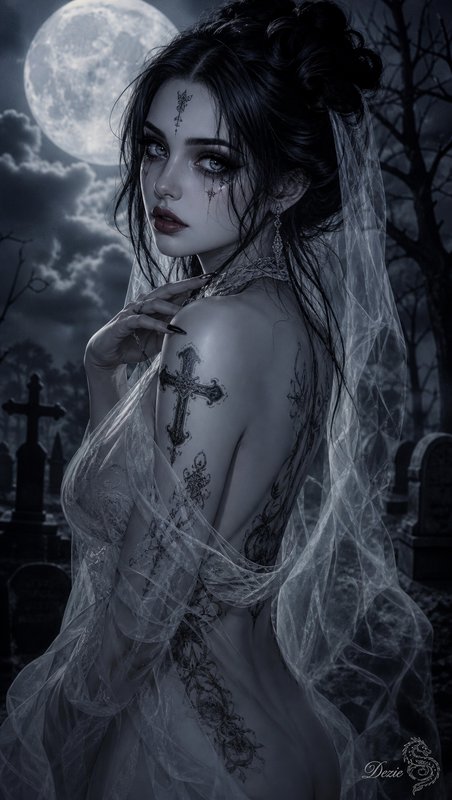
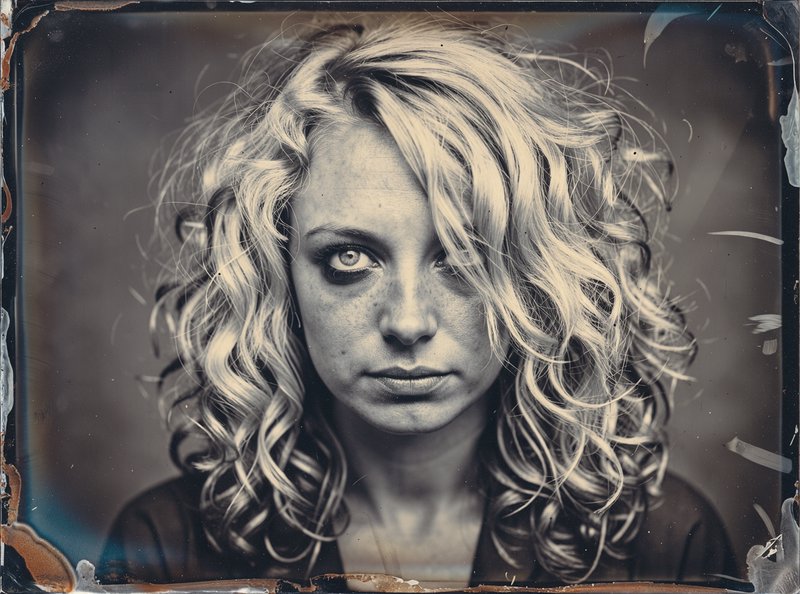
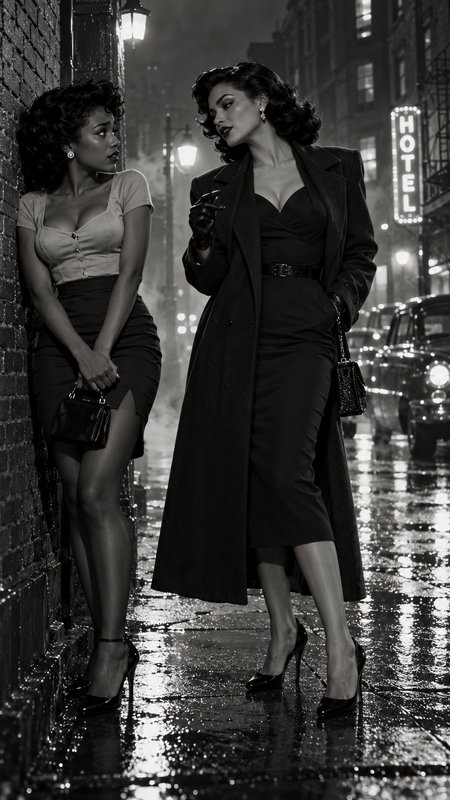
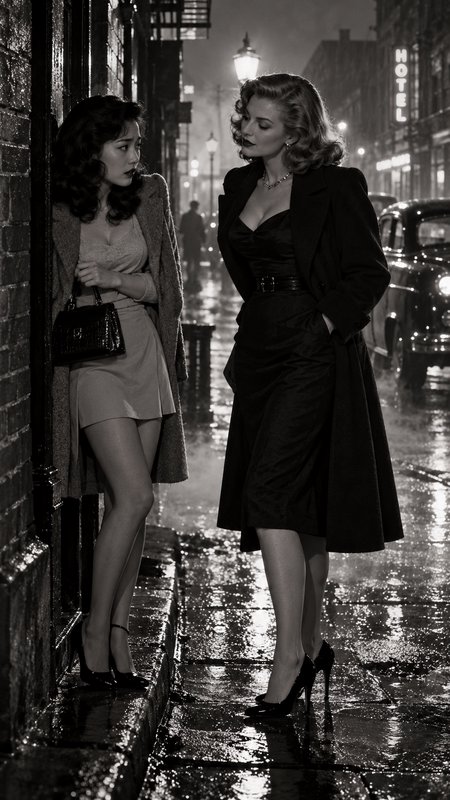
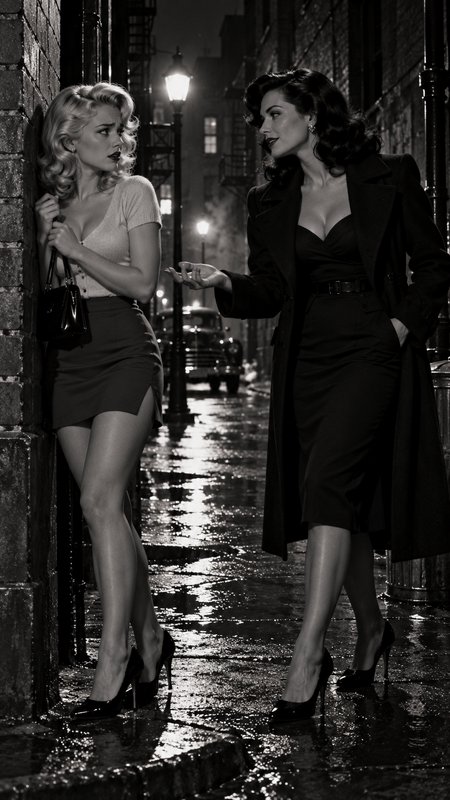
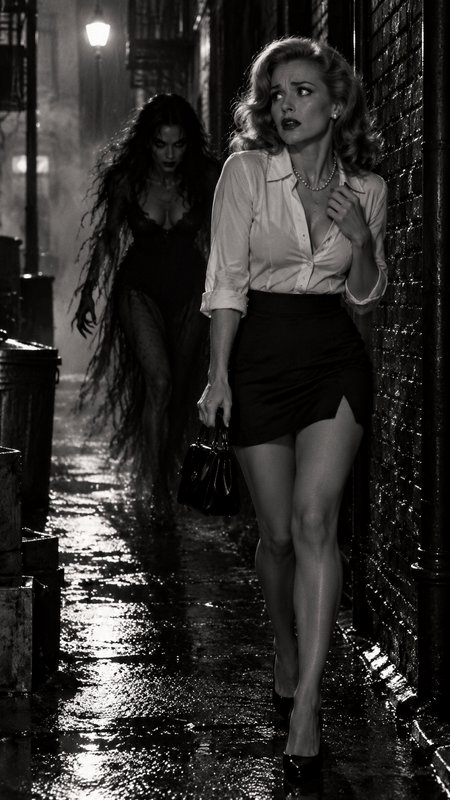
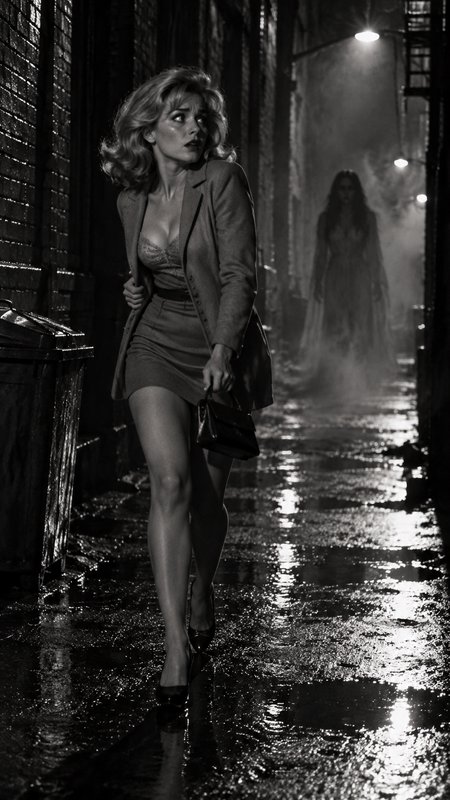
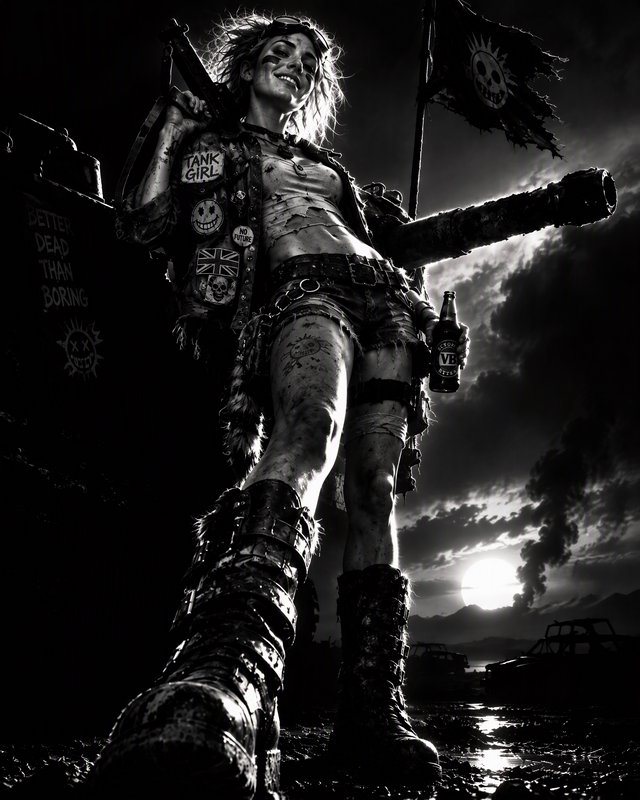
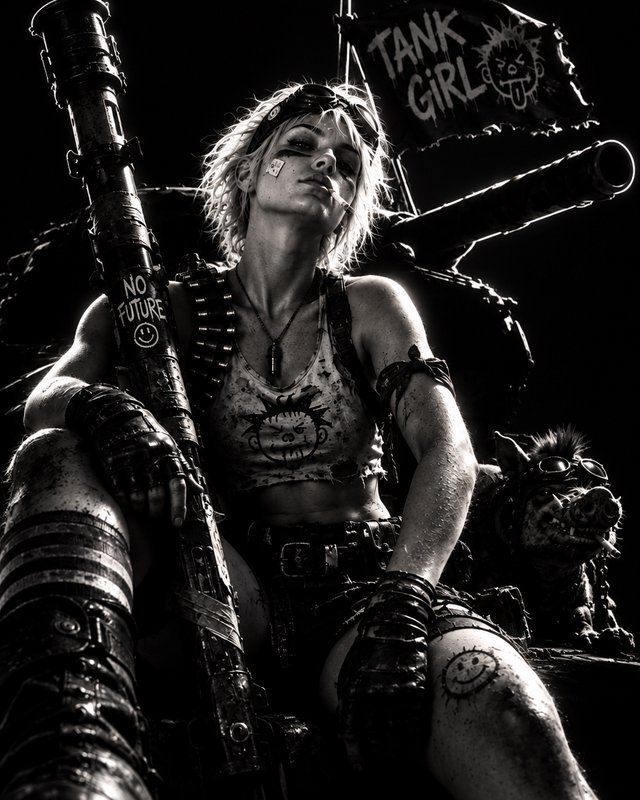
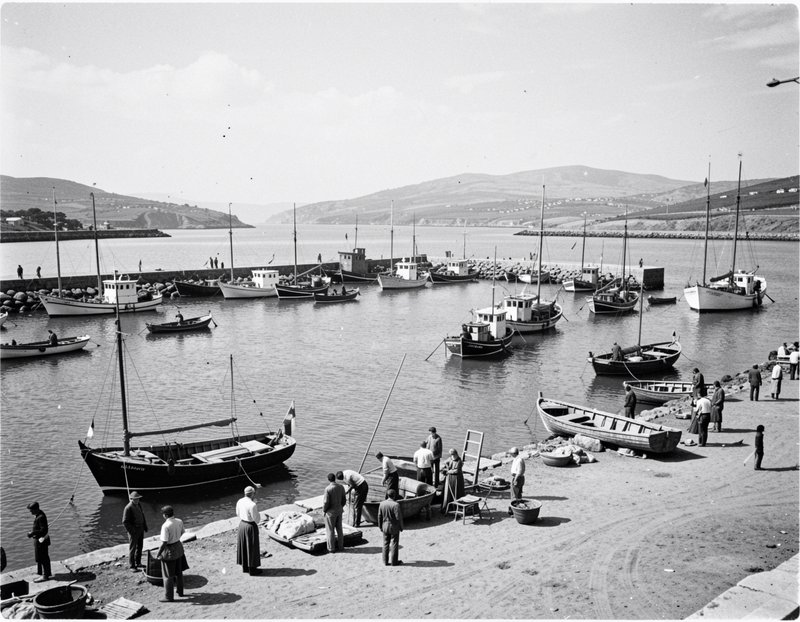
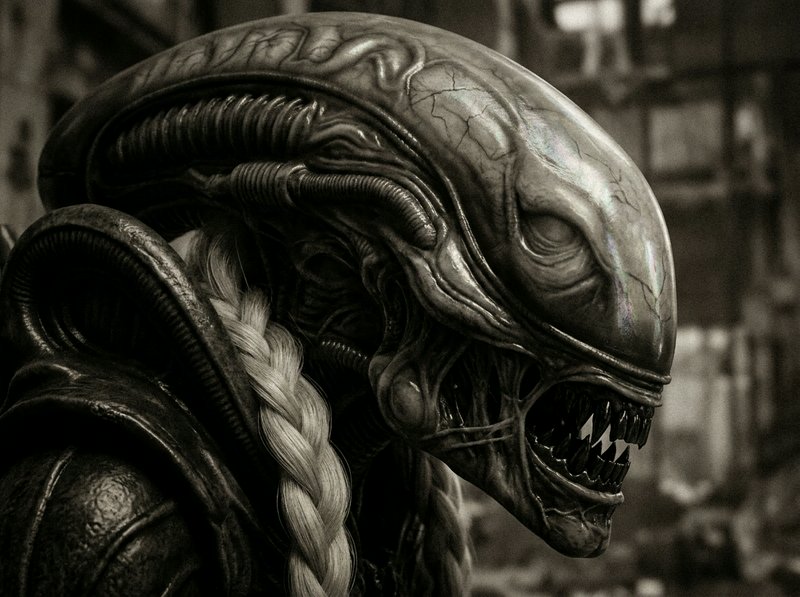
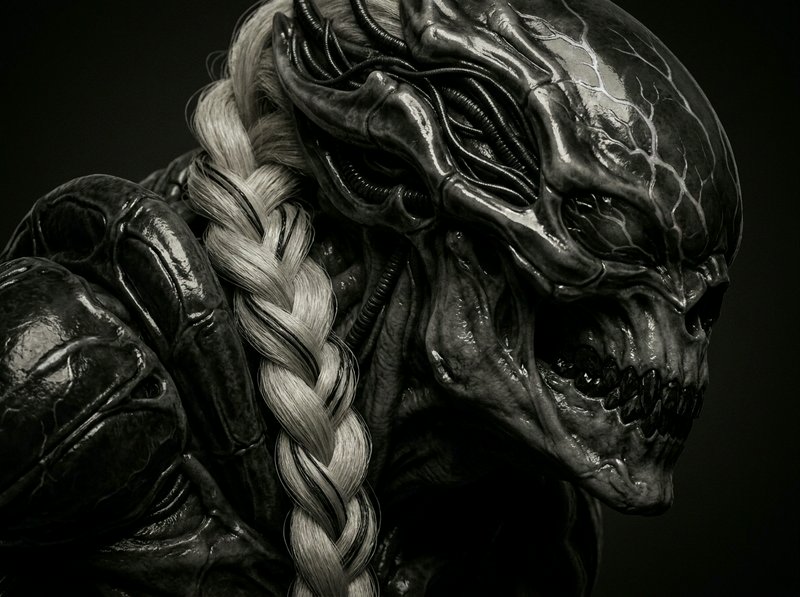
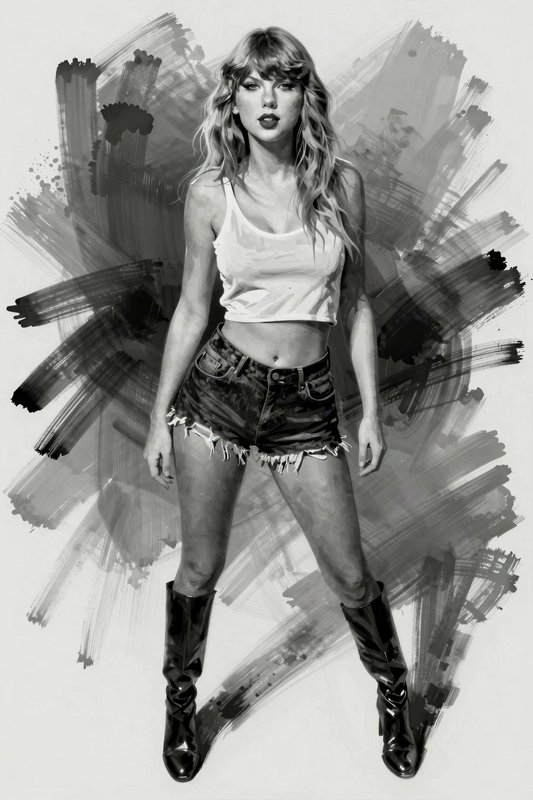
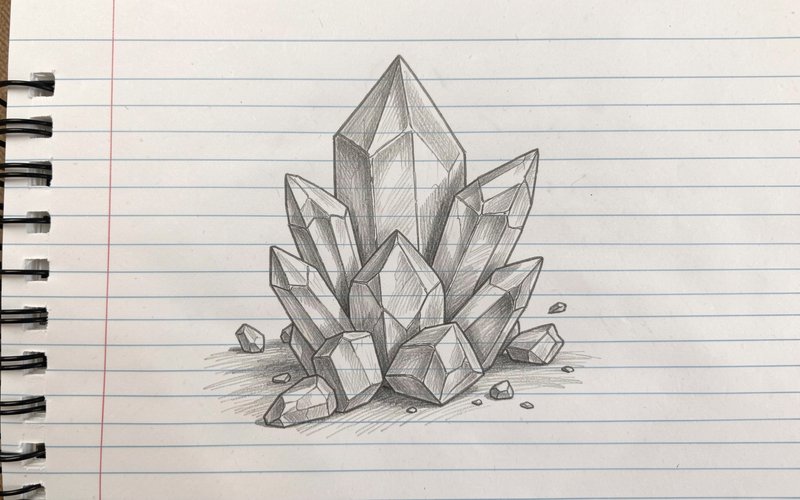
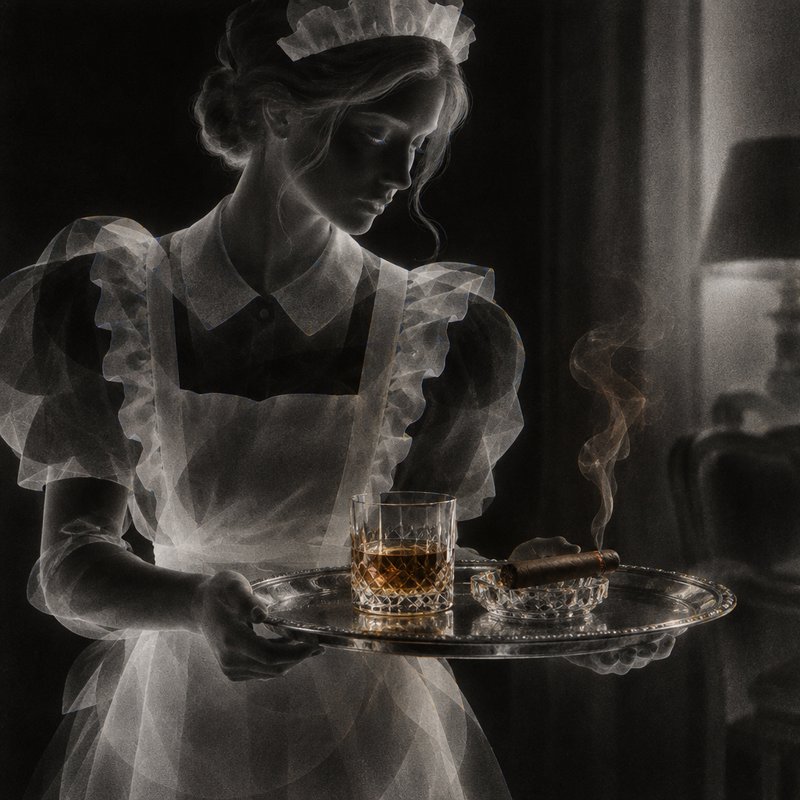
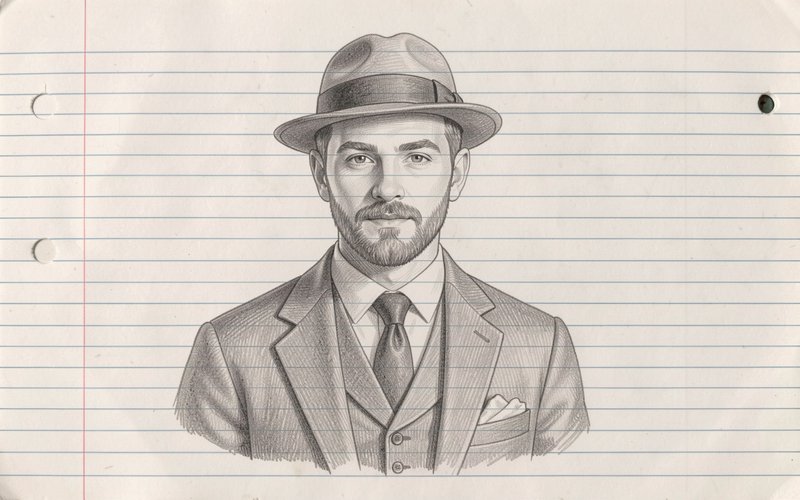
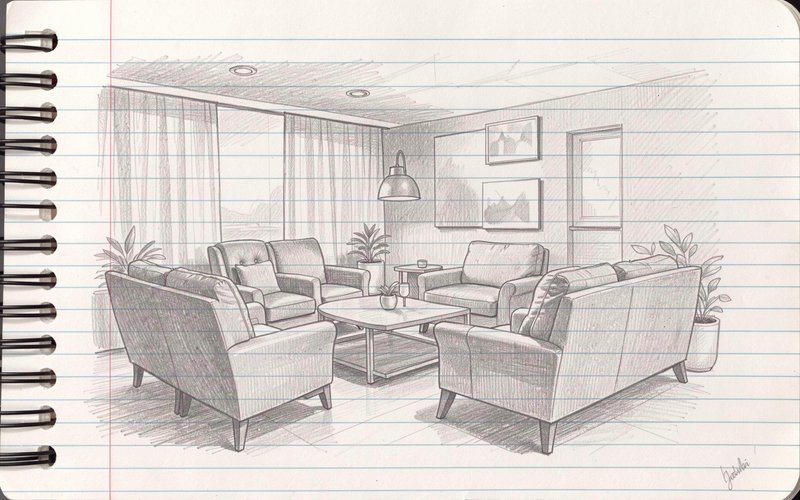
Black and white photography removes colour so that tone, contrast, texture and shape carry the image alone. Because hue no longer separates one object from another, monochrome work depends on tonal separation — a light subject against a dark ground, or texture catching directional light. The tag set here folds in monochrome and its variants, which the vision model writes as separate labels.
2 images on this page are published under Creative Commons licences — free to use and adapt, including commercially, if you credit the creator. Look for the licence badge on a tile, or open it to see the exact credit line. How licensing works
Make your own black and white image
Everything in this grid was generated on BudgetPixel. Describe what you want and the same models will make it.
Start creatingMake your own black and white image
Everything in this grid was generated on BudgetPixel. Describe what you want and the same models will make it.
Start creating


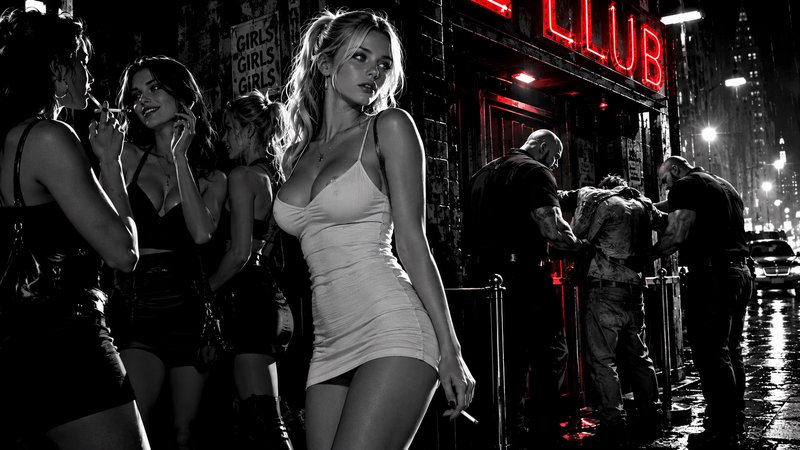
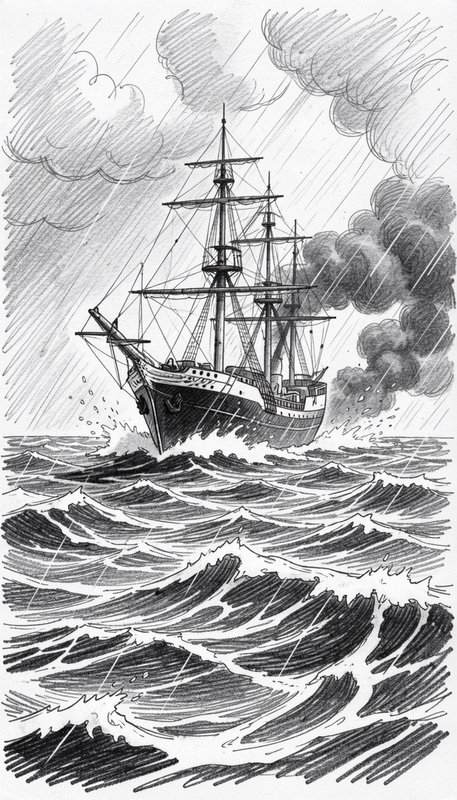
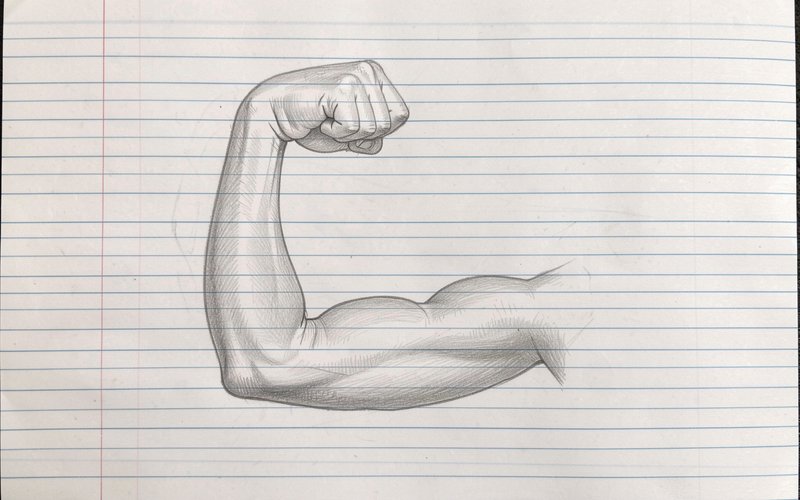
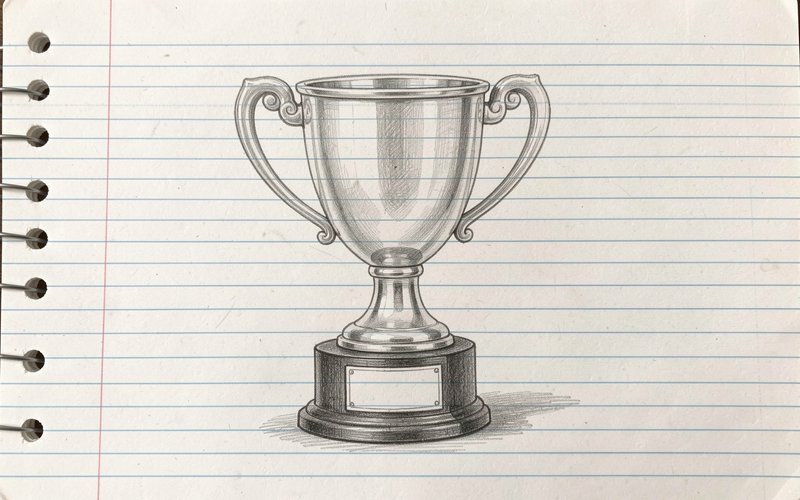
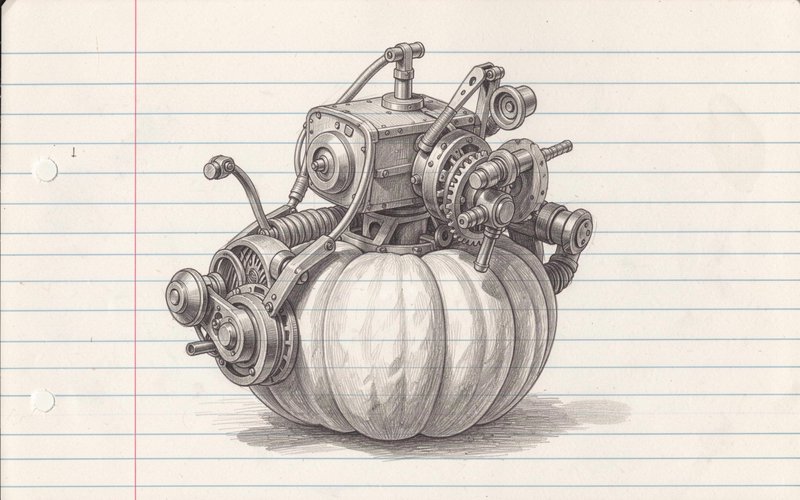
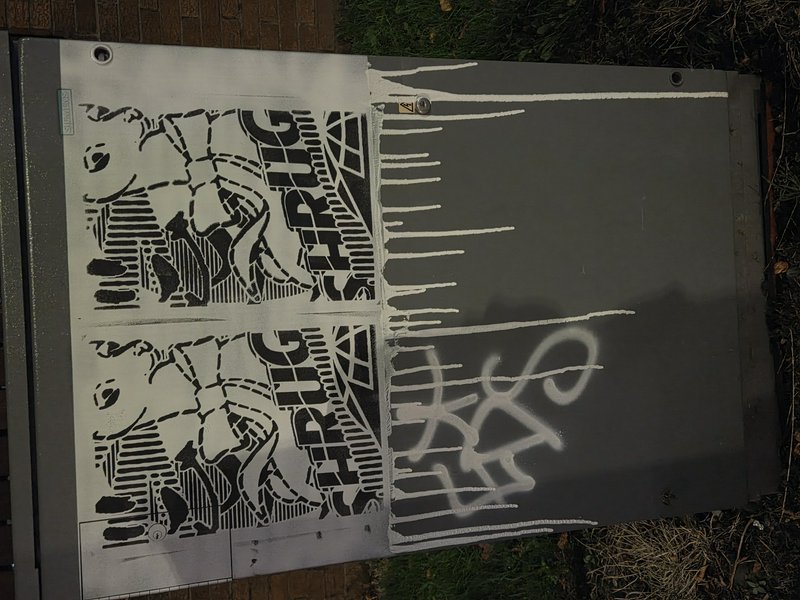
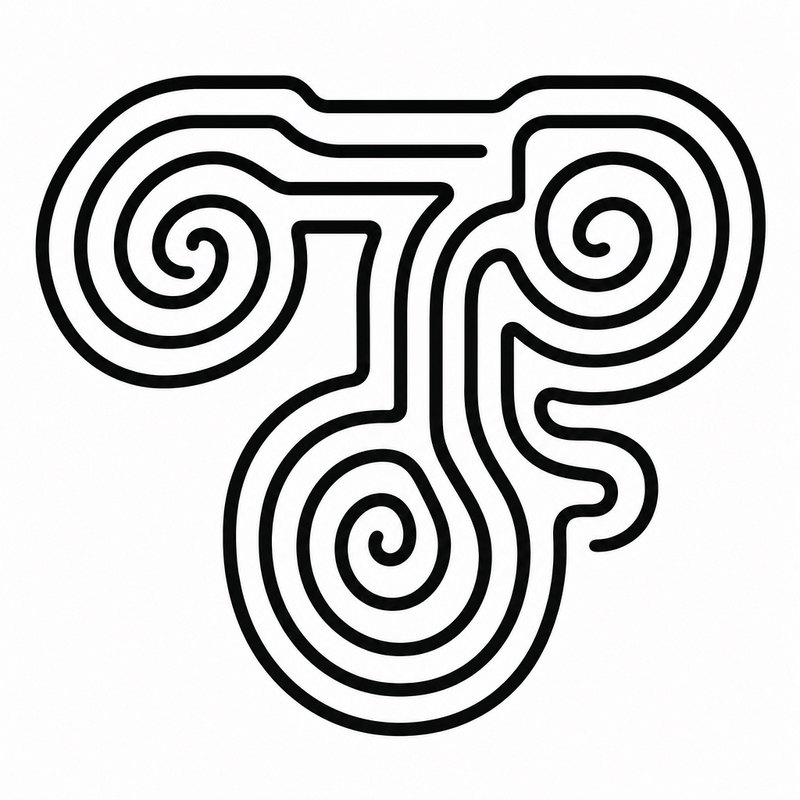
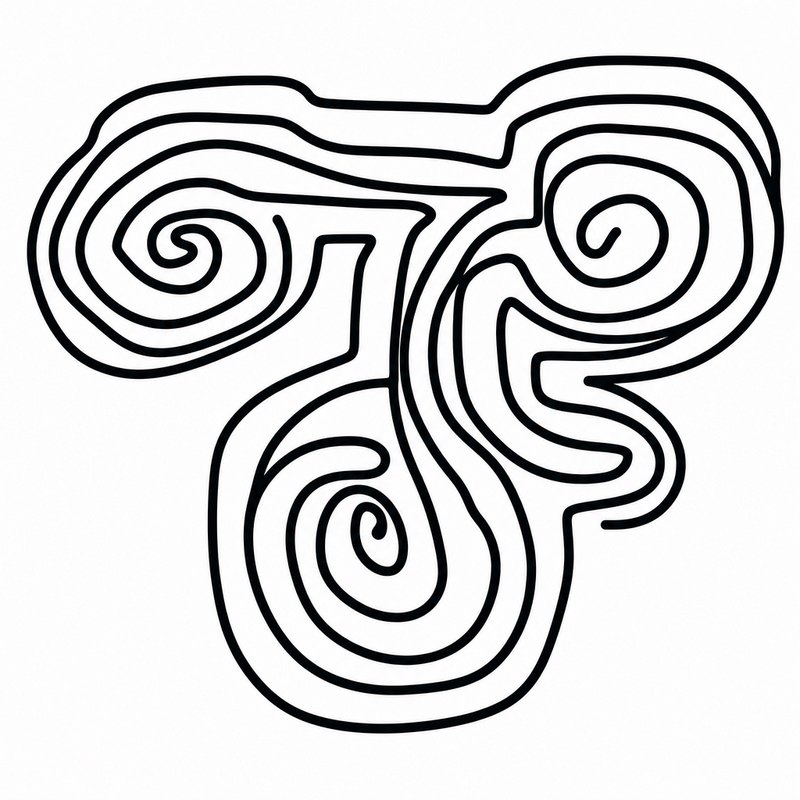

Black and White prompts to start from
Working prompts, not fragments. Open one to load it into the generator, then change whatever you like.
- High-contrast monochrome portrait, single hard key from the side, deep blacks, visible skin texture, Tri-X grainUse →
- Architectural study of a concrete stairwell, strong diagonal shadow, full tonal range from paper white to blackUse →
- Rain on a window with a blurred figure beyond, soft grey scale, no true black, fine grainUse →
Black and White AI images: common questions
How do I prompt for good black and white images?
Describe the tones, not the absence of colour. Say which areas are bright and which fall to black, and name the contrast — high contrast with deep blacks, or a soft grey scale with no true black. Writing only black and white gives a desaturated colour image, which is a different and weaker thing.
What subjects work best in monochrome?
Anything where shape, texture or gesture matters more than hue: architecture with strong geometry, faces in directional light, weather, and street scenes. Subjects whose whole point is colour — a market of spices, autumn foliage — lose their structure without it and tend to flatten into grey.
How do I get film-like grain and tonality?
Name a film stock and a development habit. Tri-X pushed, HP5 at box speed, or fine-grain sheet film all have distinct grain structure and tonal curves that models reproduce recognisably. Adding whether highlights roll off gently or clip hard gets you closer than asking for a film look.
Related topics
Make your own black and white images
Everything here was generated on BudgetPixel and published by the person who made it. The same models are available to you — pick one, write a prompt, and publish the result to the community feed if you want it here.