
Vintage AI images
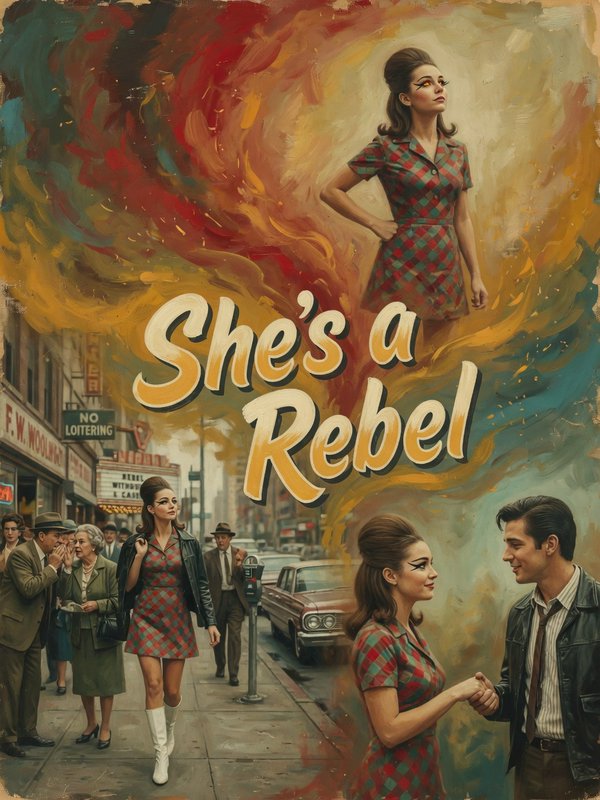
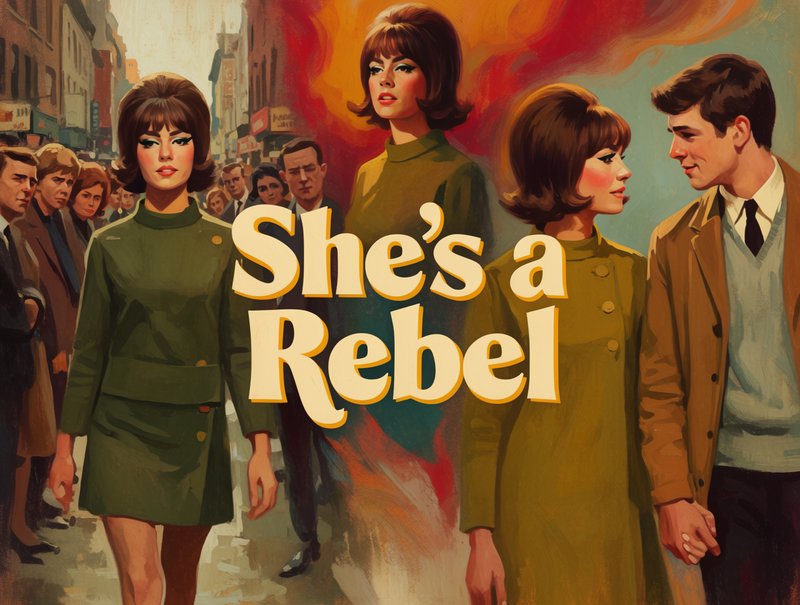
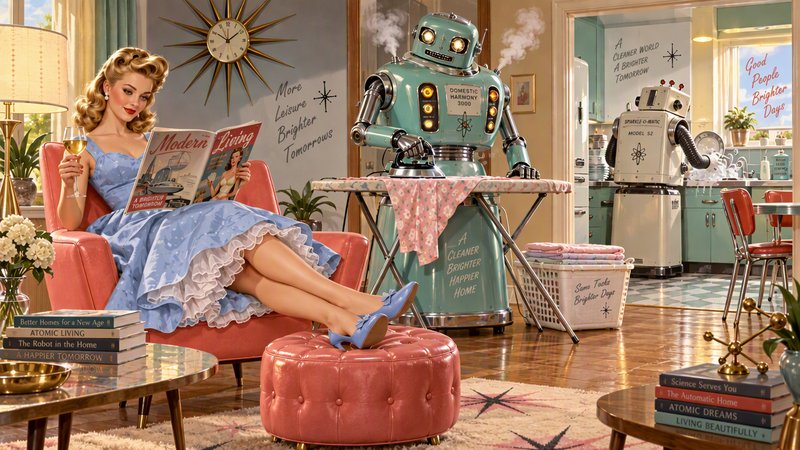
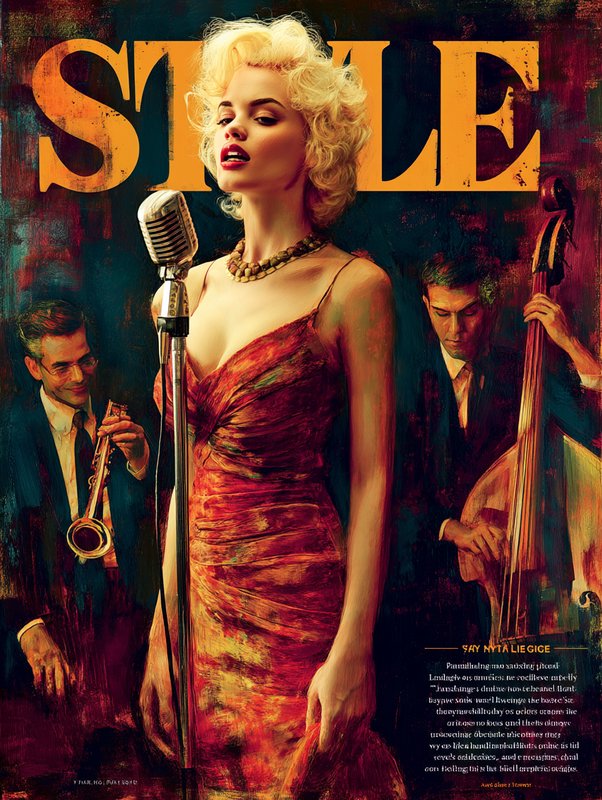
Period looks built on film grain, aged colour and the artefacts of older cameras.
1,507 published by the BudgetPixel community
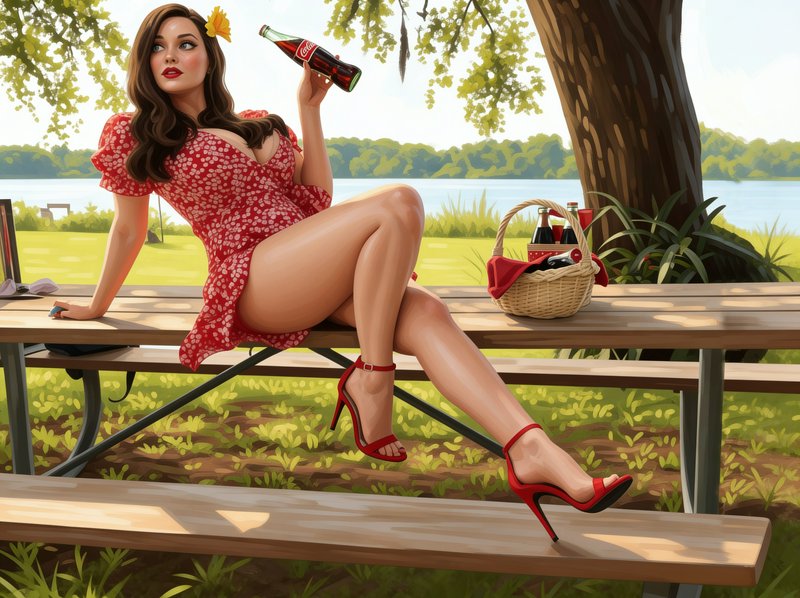
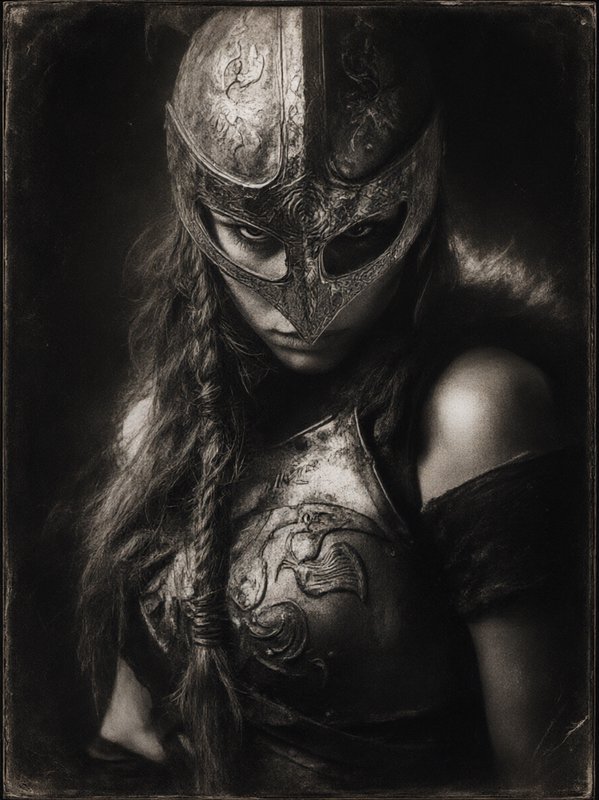
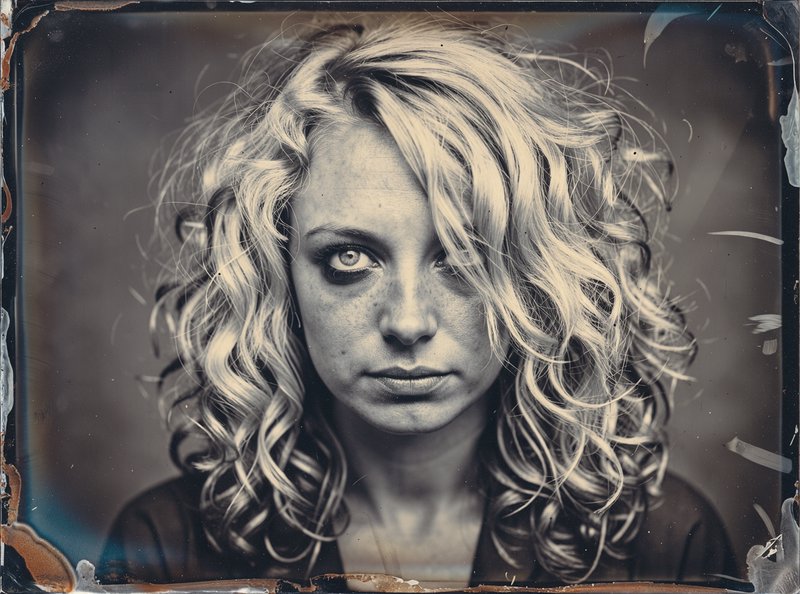
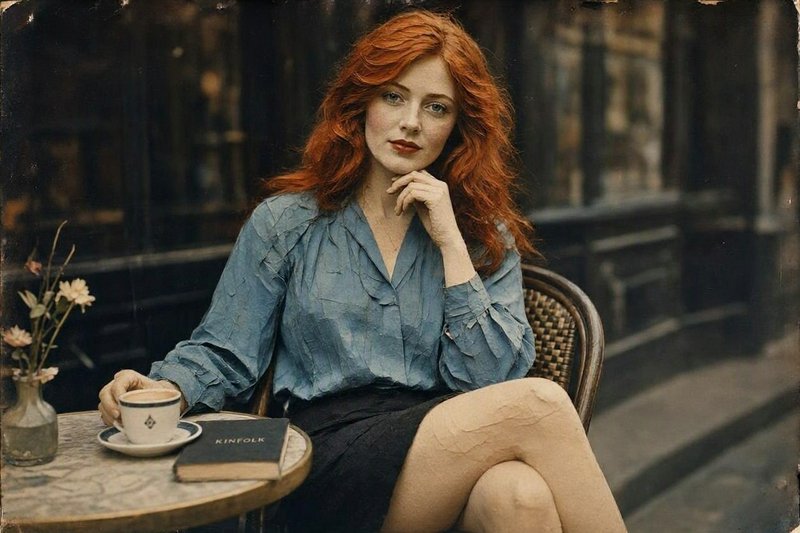
Vintage imagery reproduces the look of earlier photographic and print processes — the colour shifts, grain structure, and optical flaws of a particular era. It is a technical description as much as an aesthetic one: each decade has identifiable signatures, and naming the process rather than the vibe is what separates a convincing period image from a generic sepia filter.
11 images on this page are published under Creative Commons licences — free to use and adapt, including commercially, if you credit the creator. Look for the licence badge on a tile, or open it to see the exact credit line. How licensing works
Make your own vintage image
Everything in this grid was generated on BudgetPixel. Describe what you want and the same models will make it.
Start creatingMake your own vintage image
Everything in this grid was generated on BudgetPixel. Describe what you want and the same models will make it.
Start creating
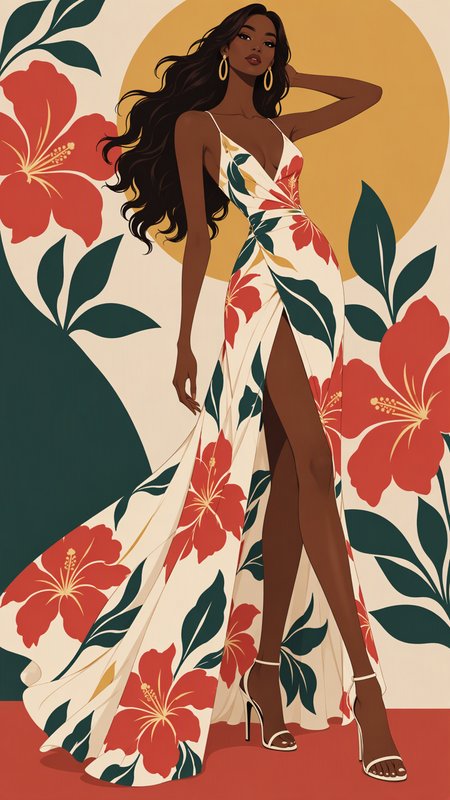
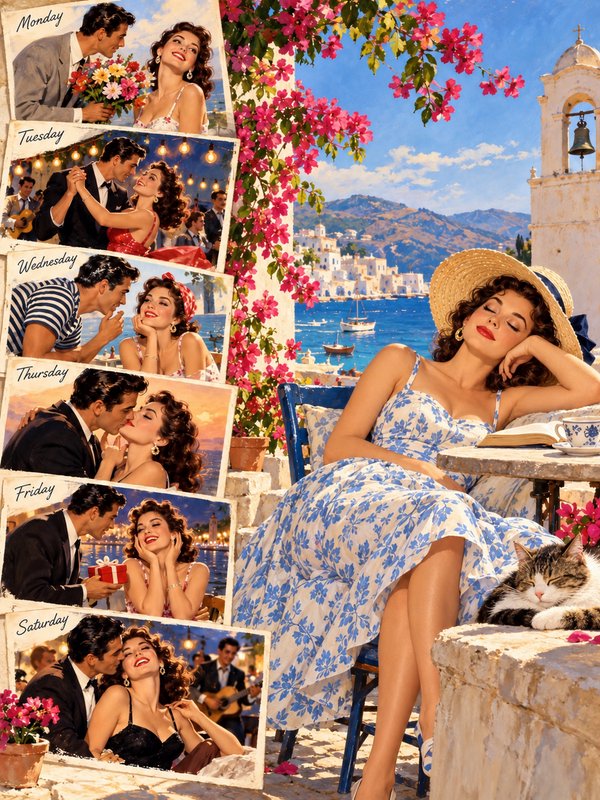
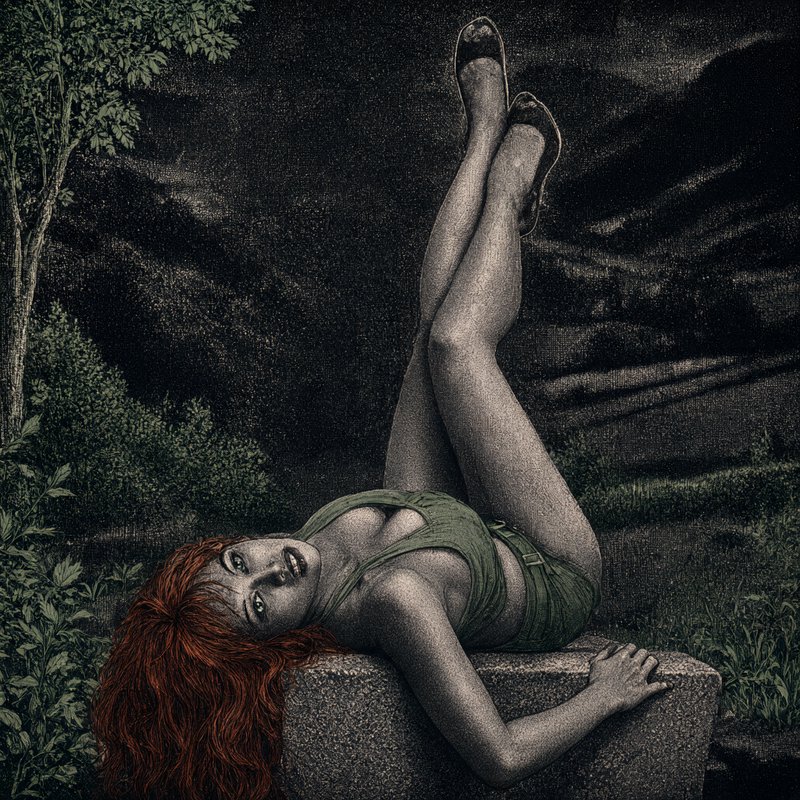
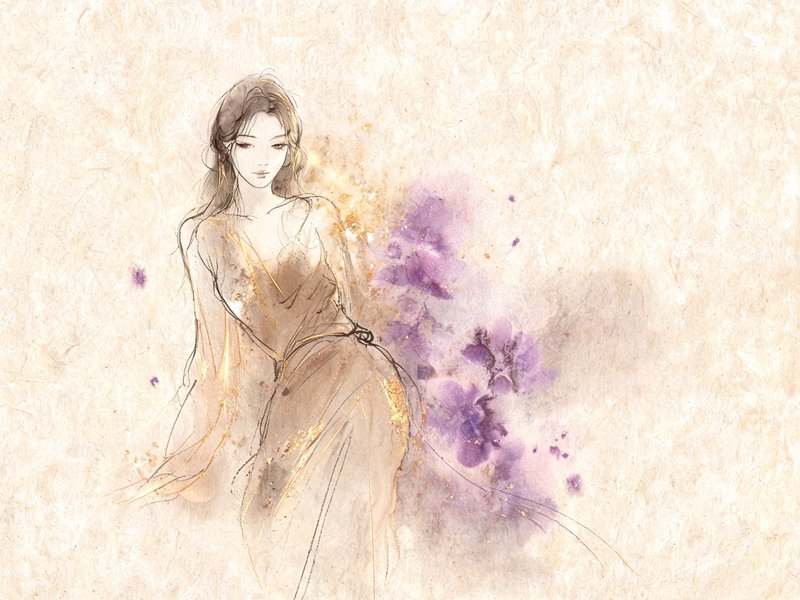
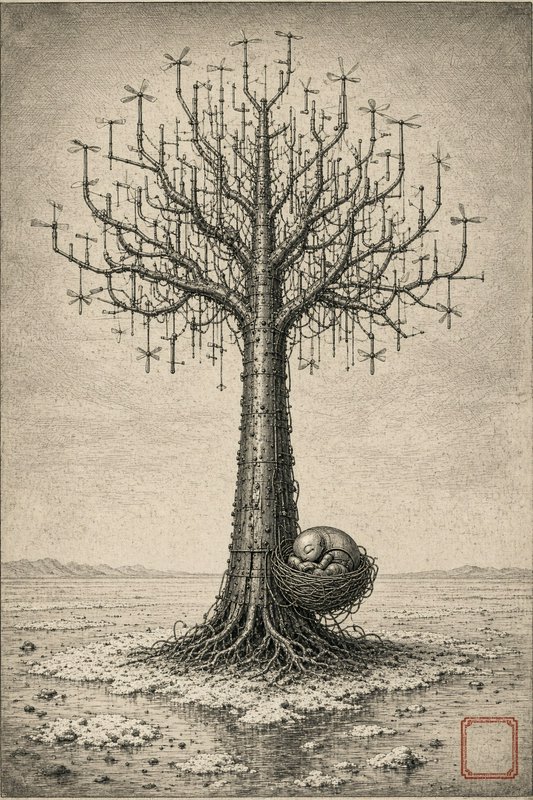
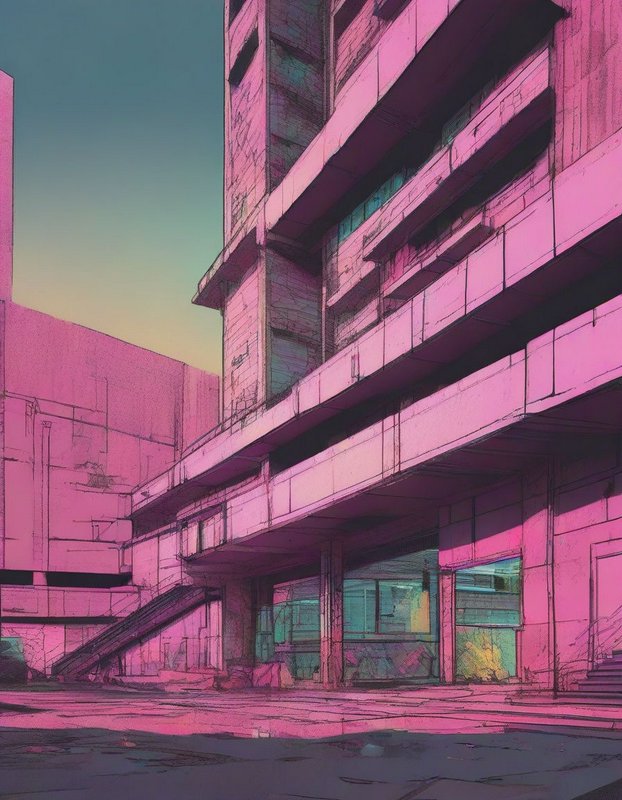
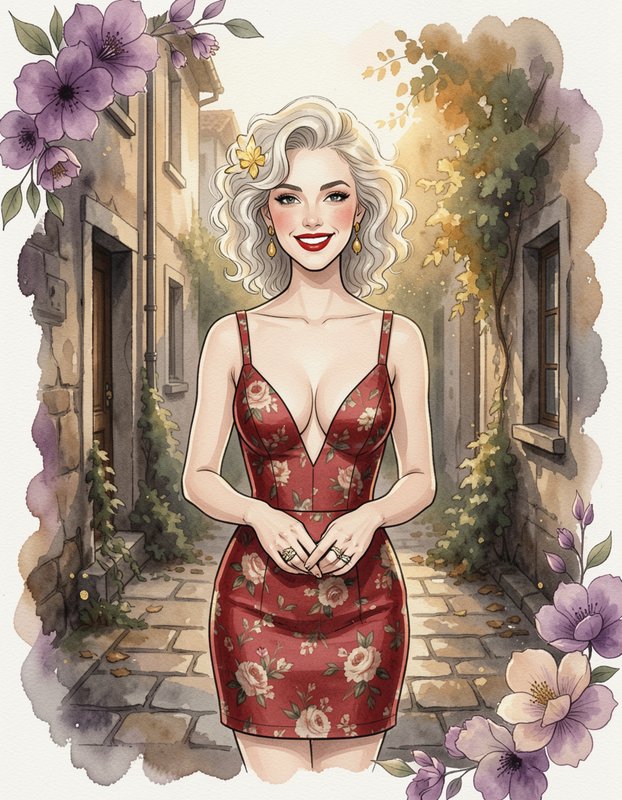
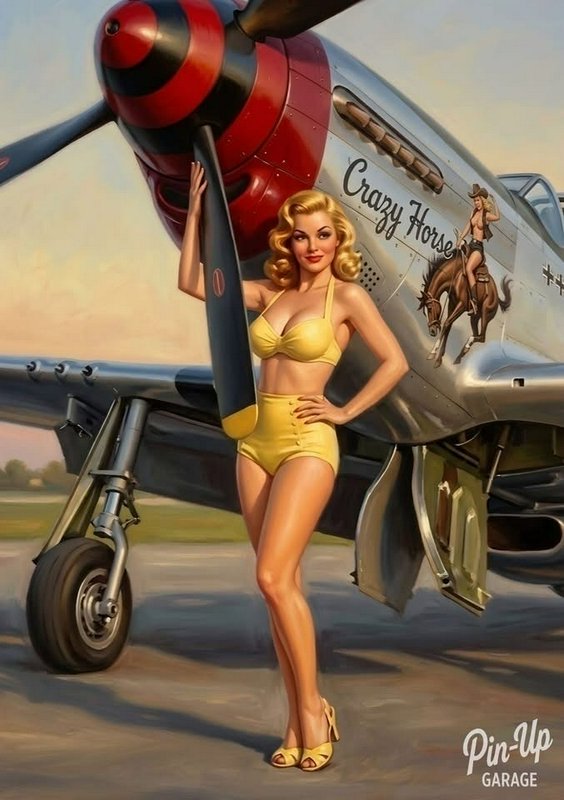
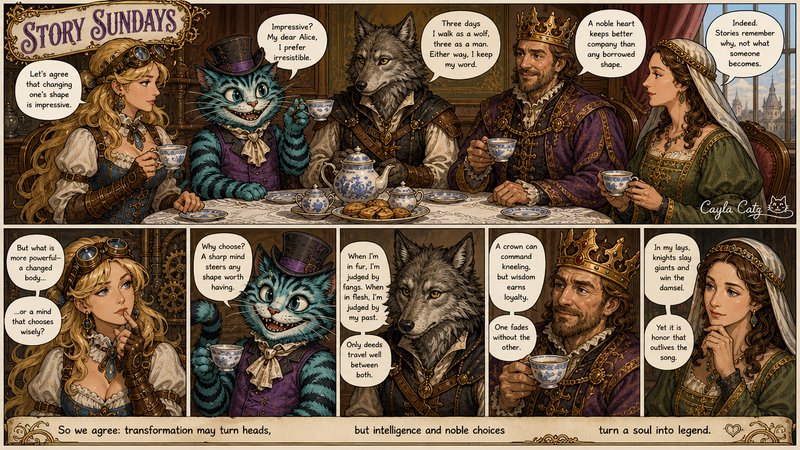
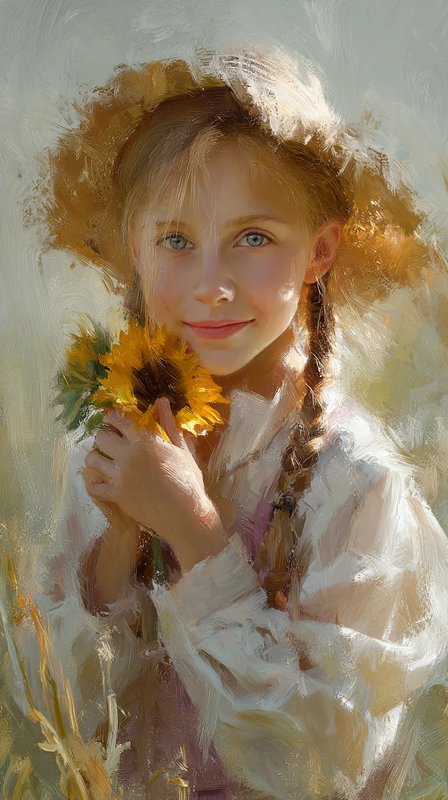
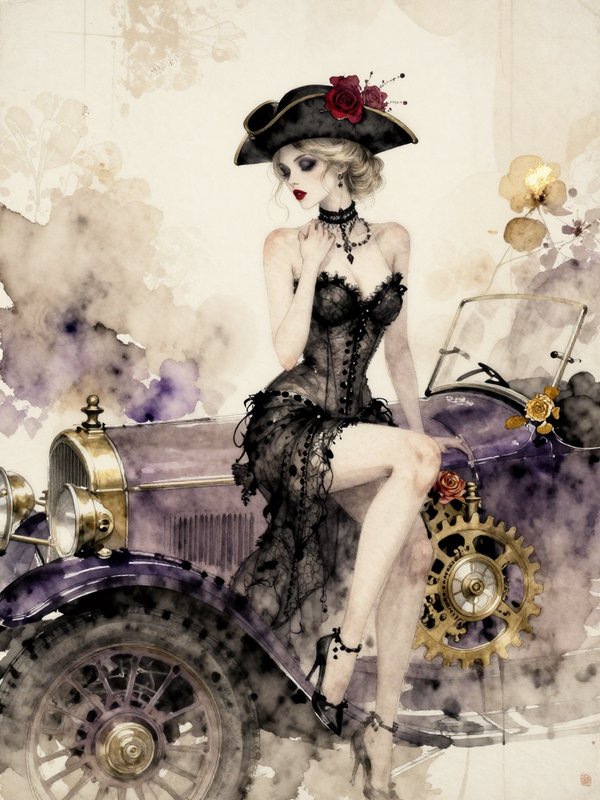
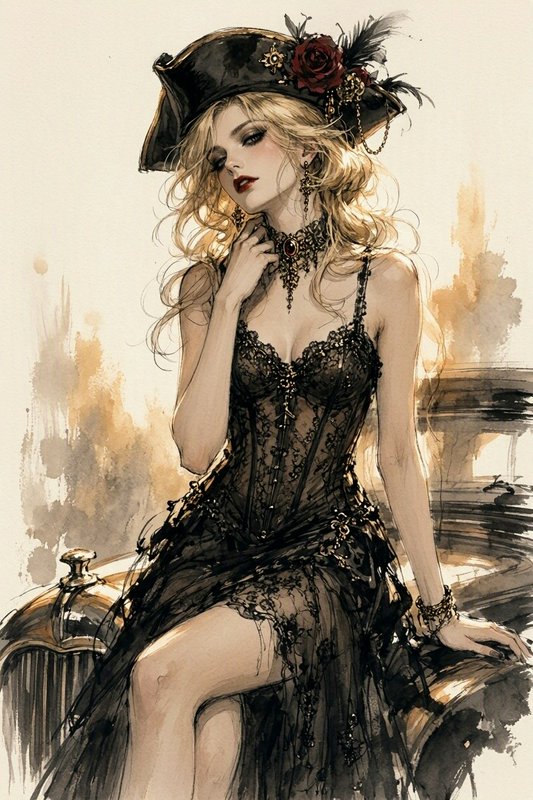
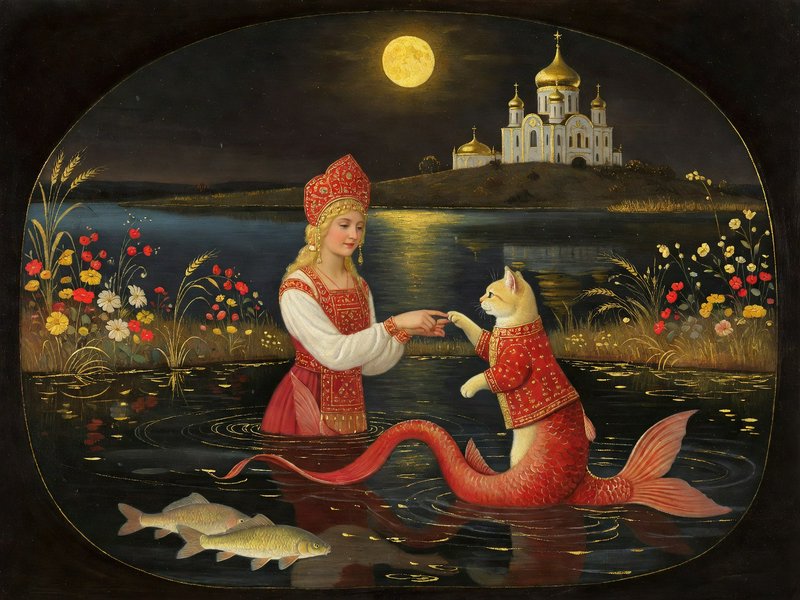
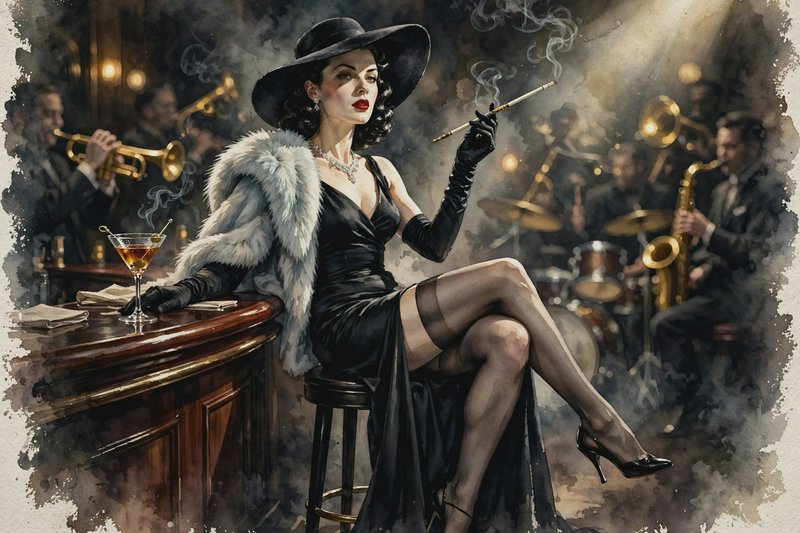
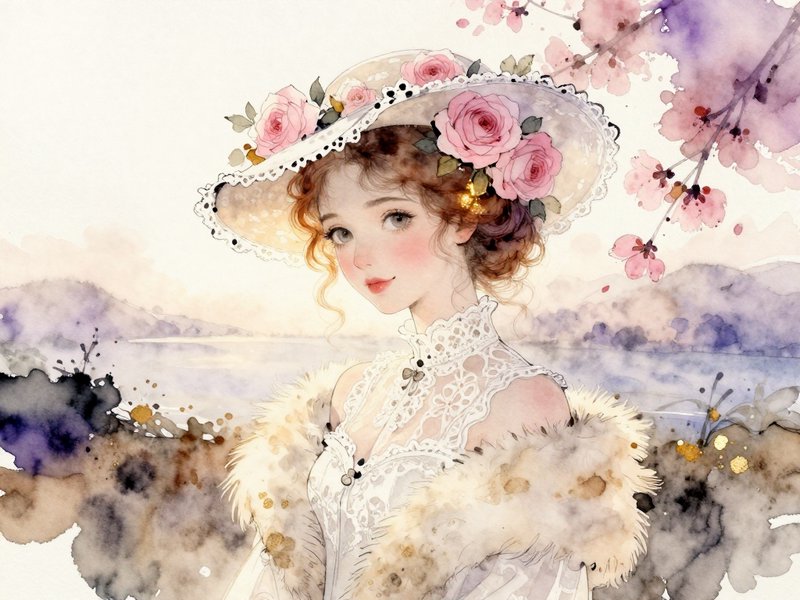
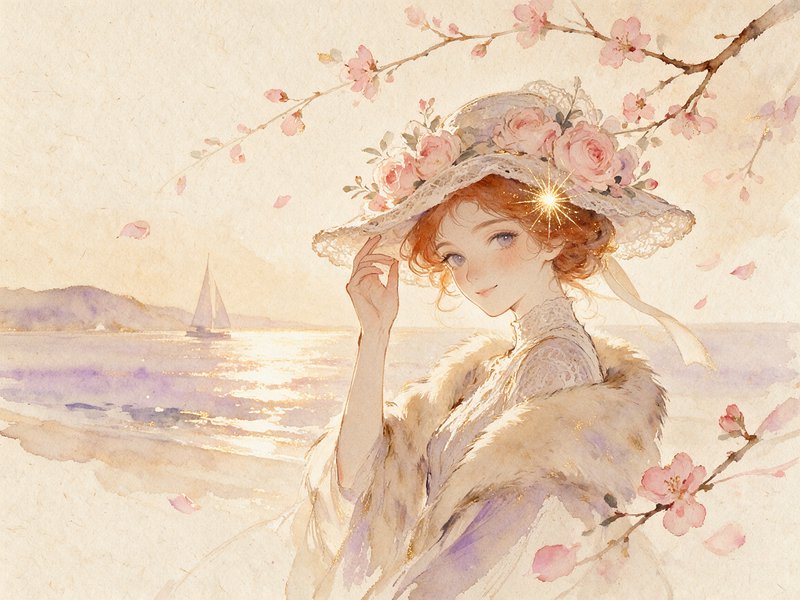
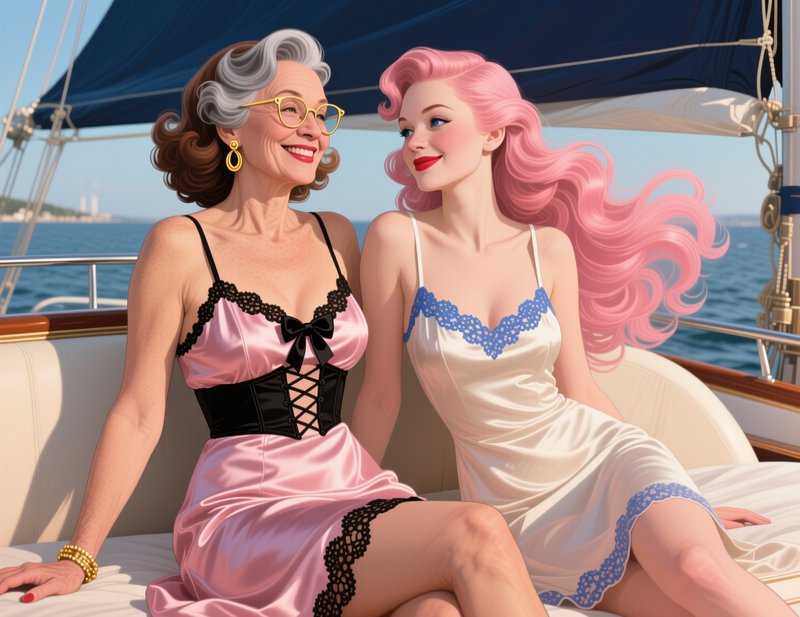
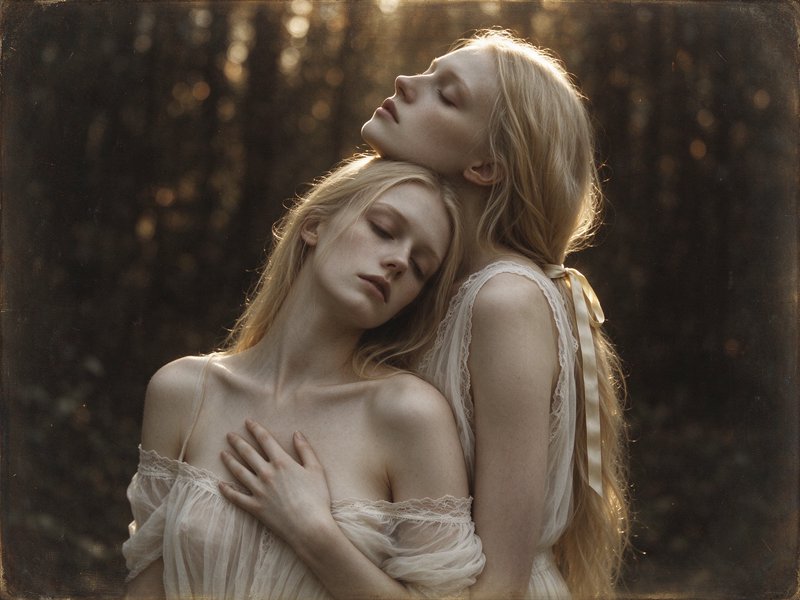
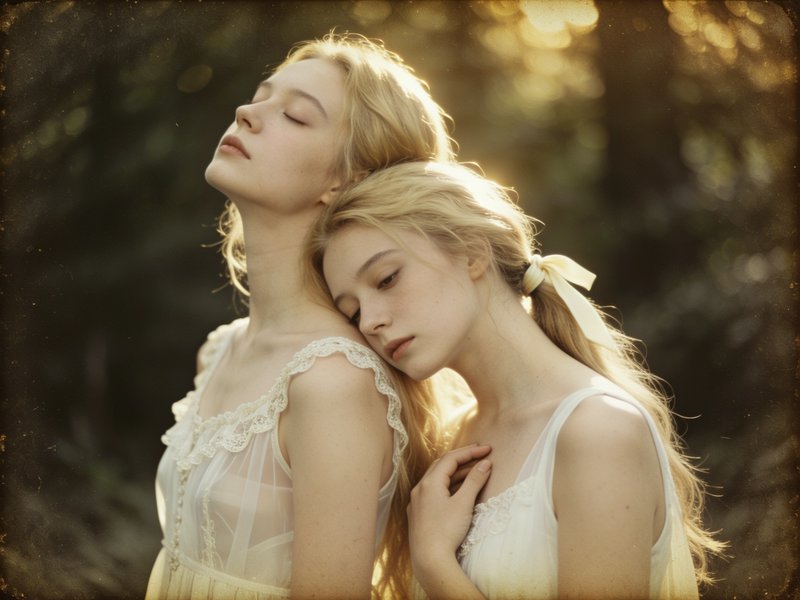
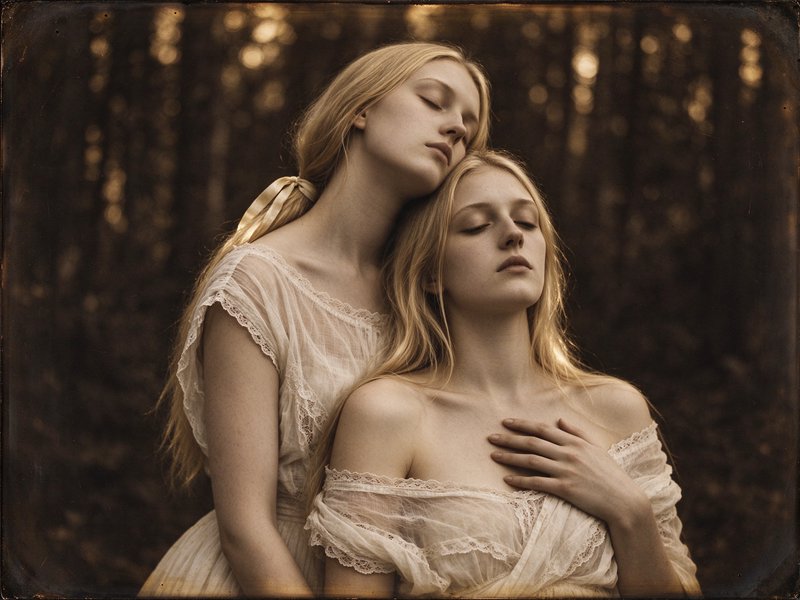
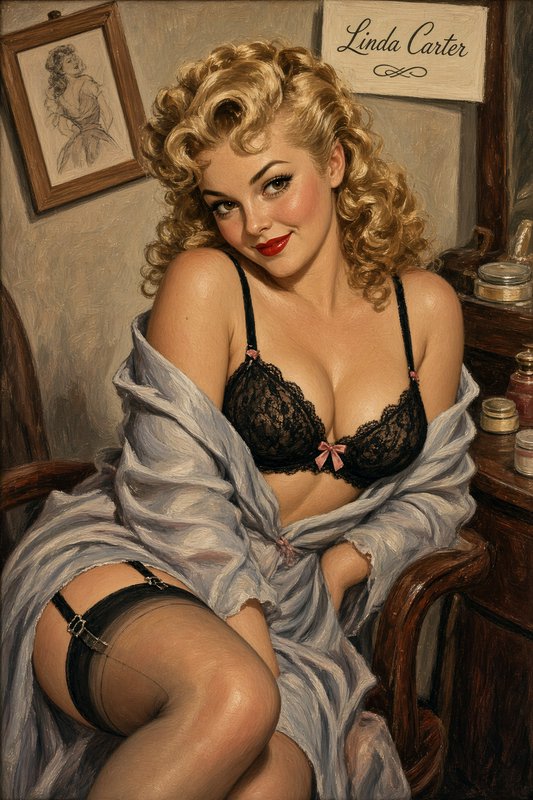
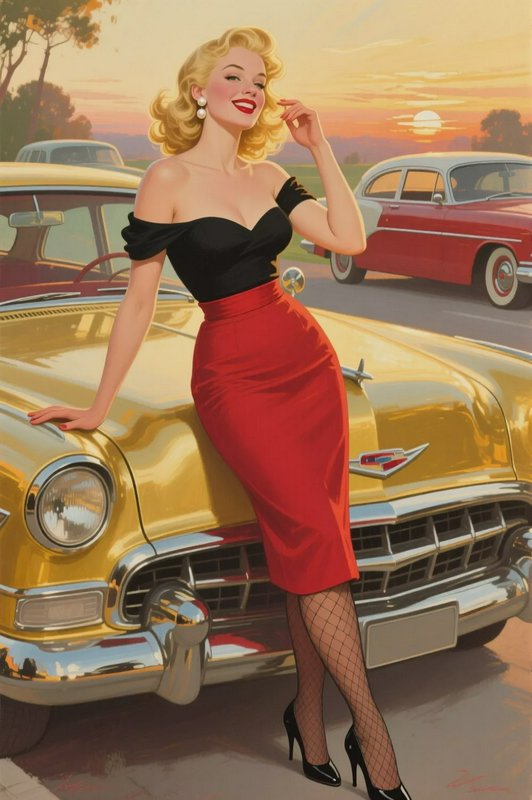
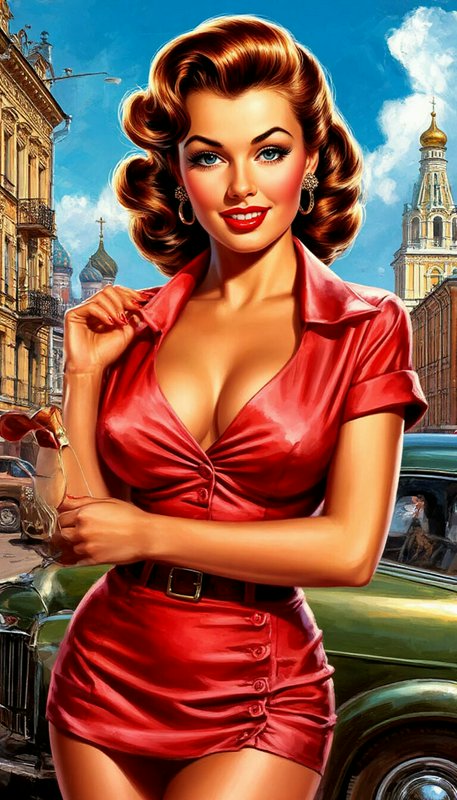
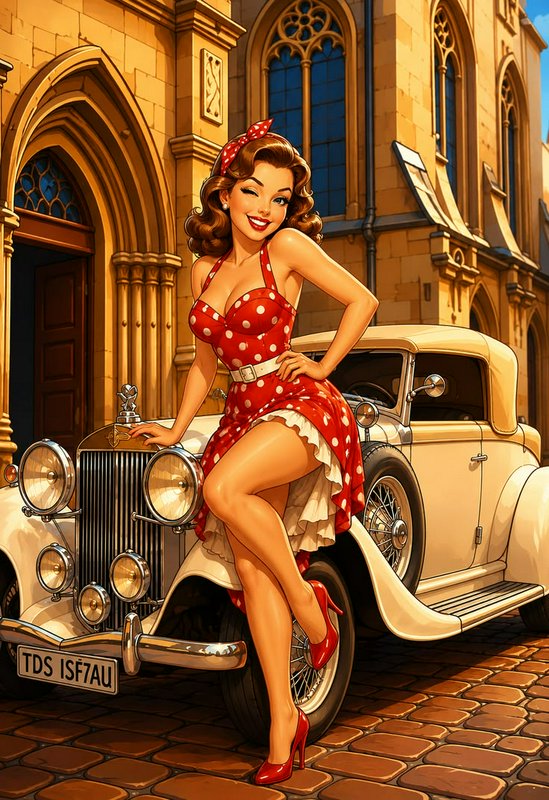
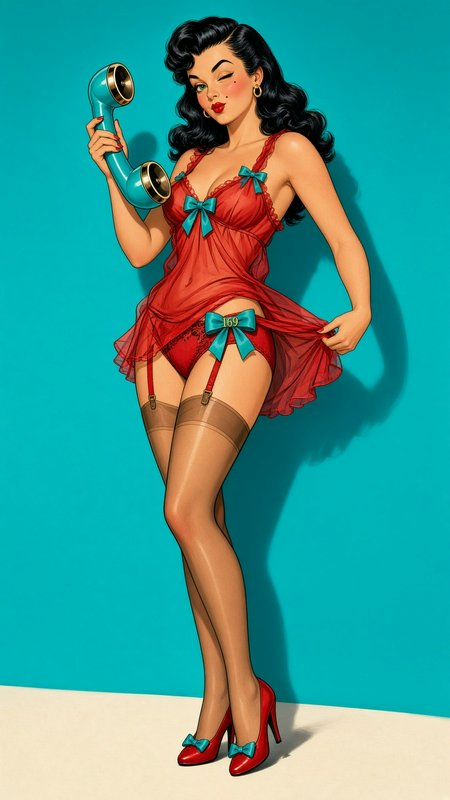
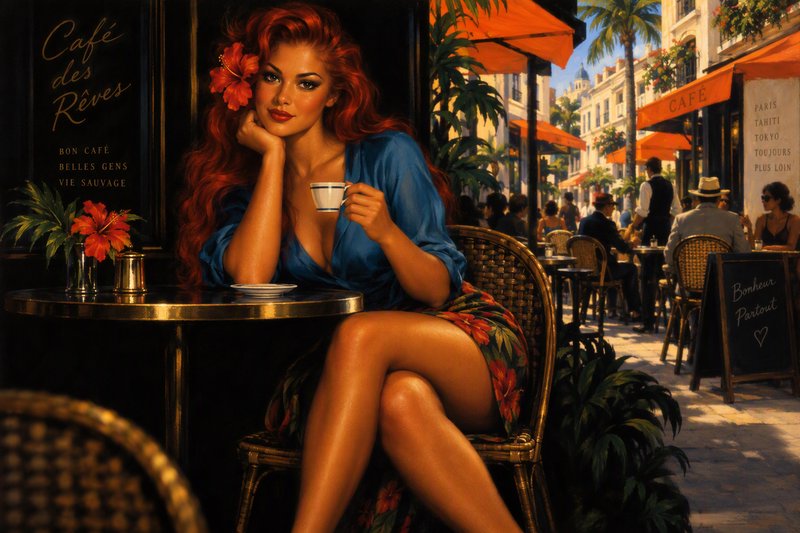
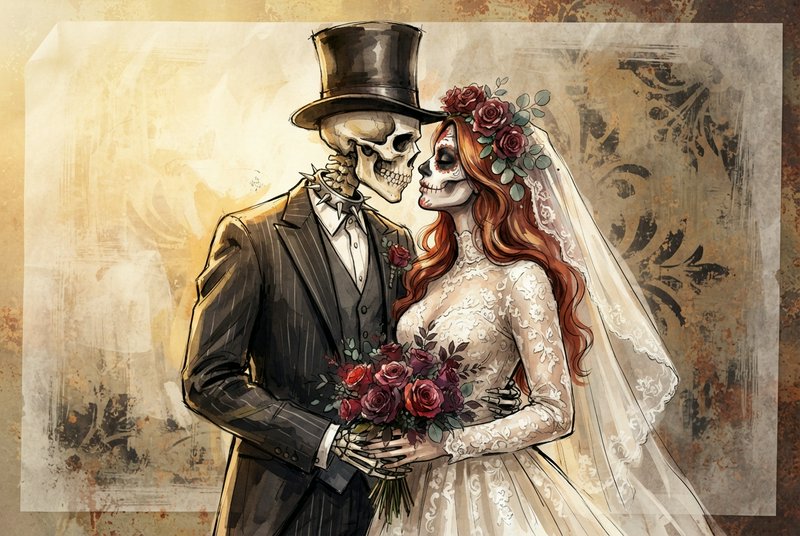
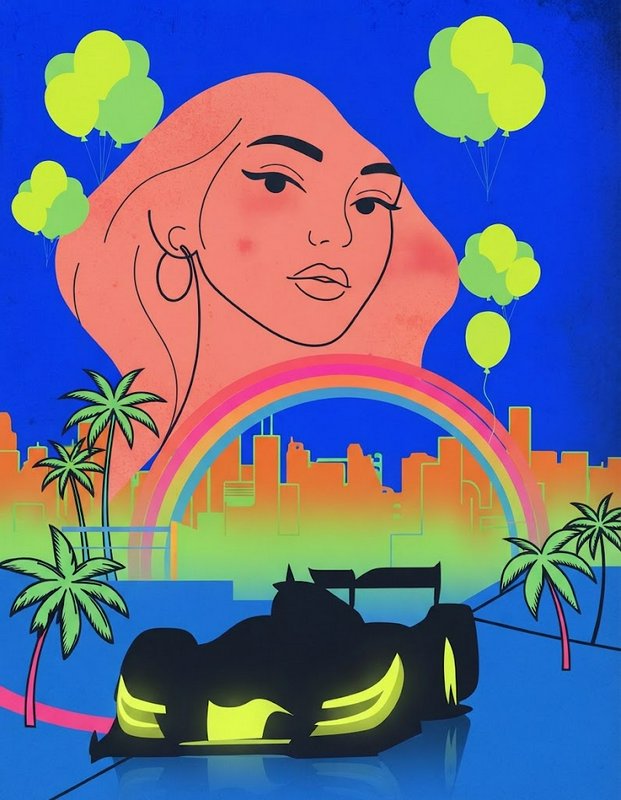
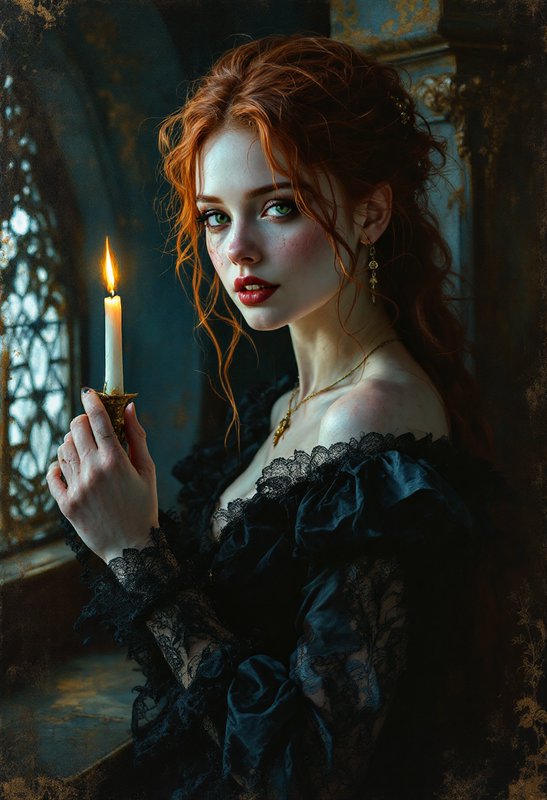
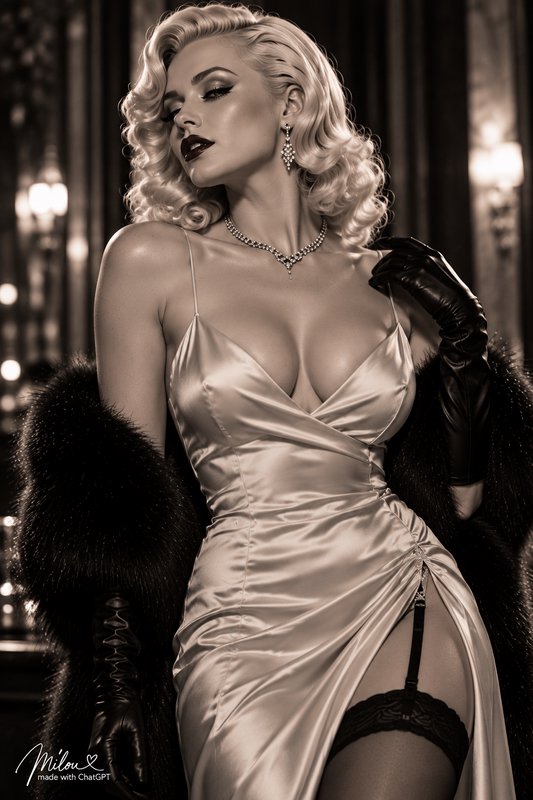
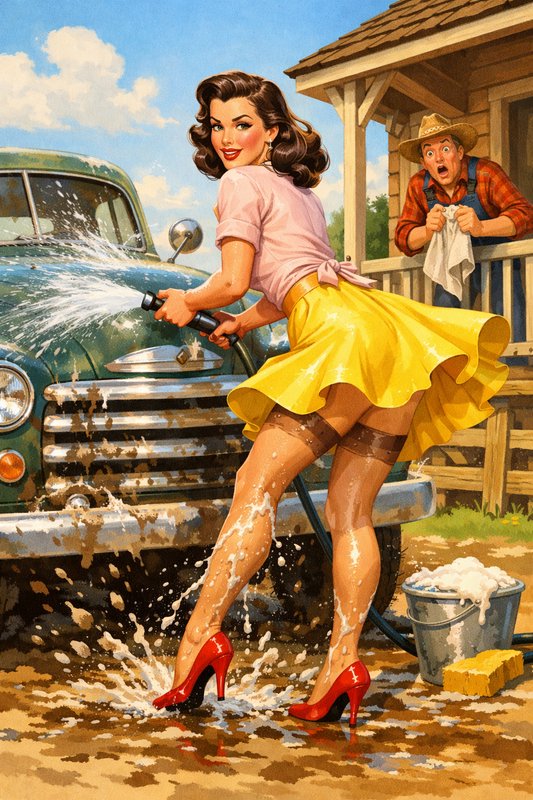
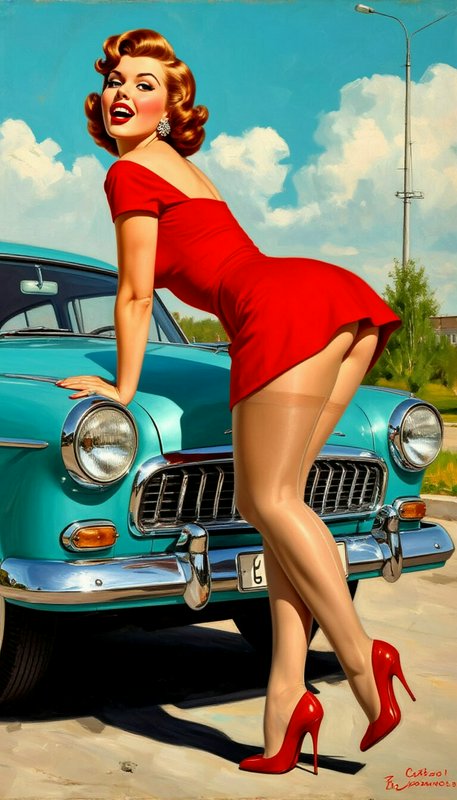
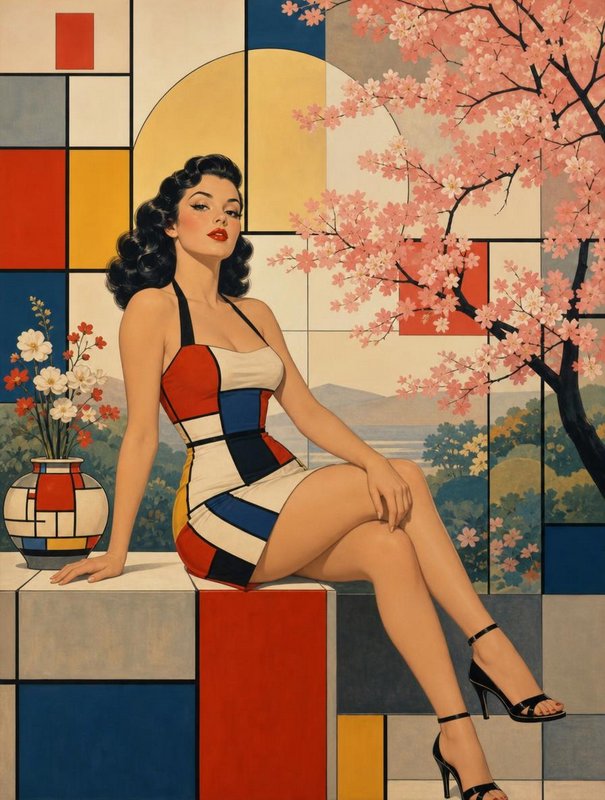
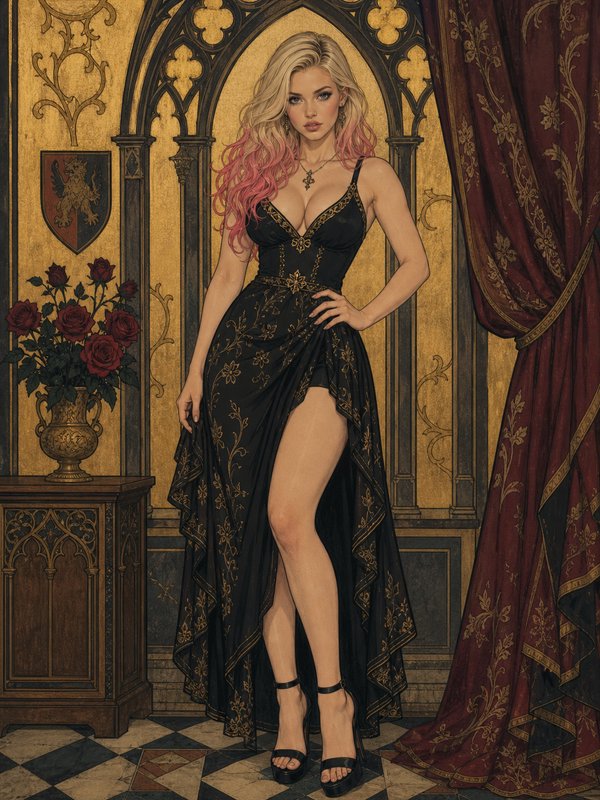
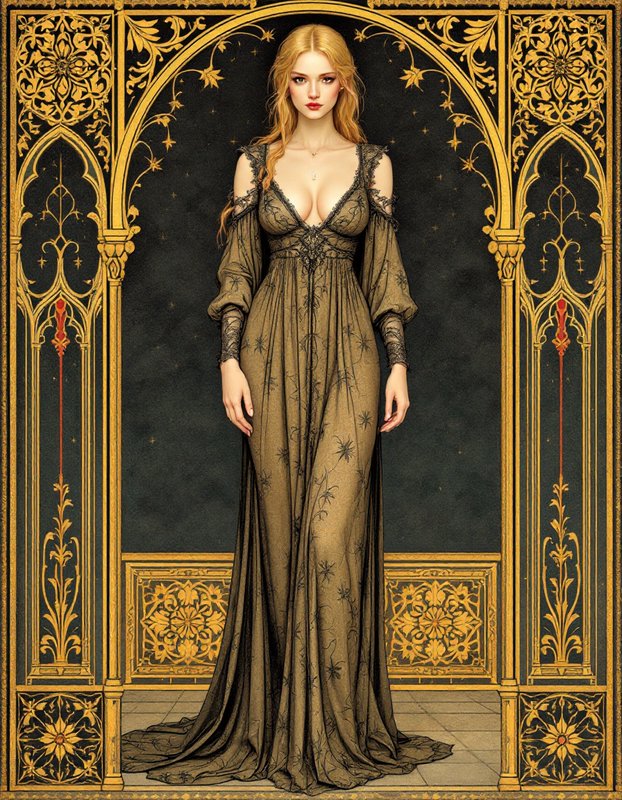
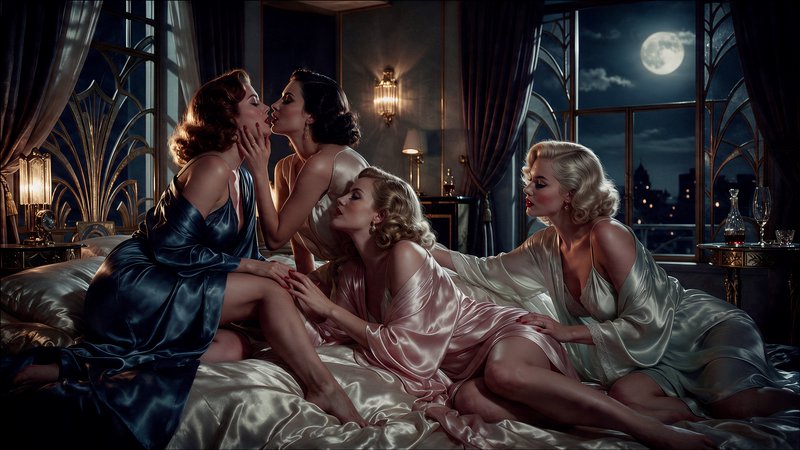
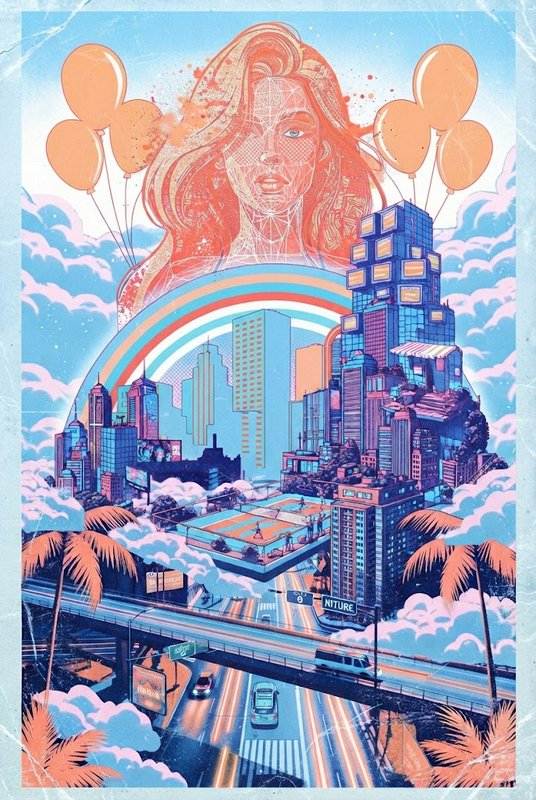
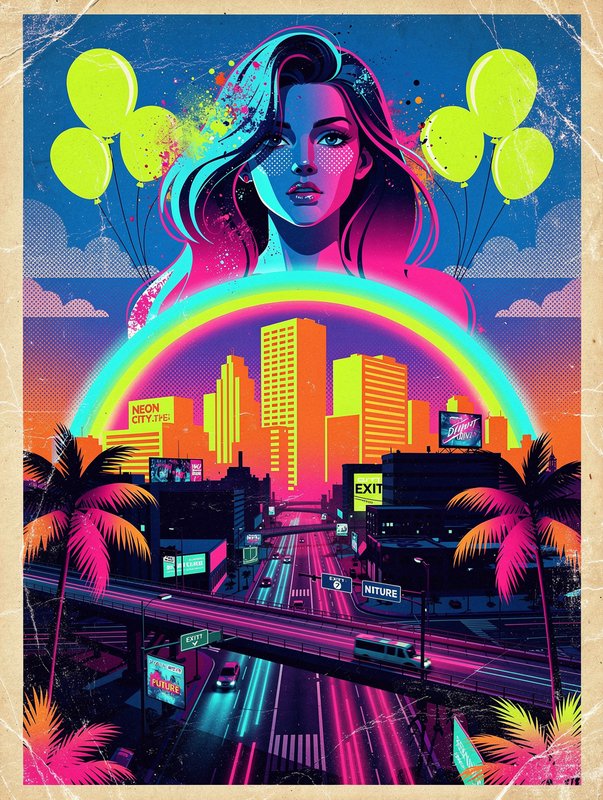
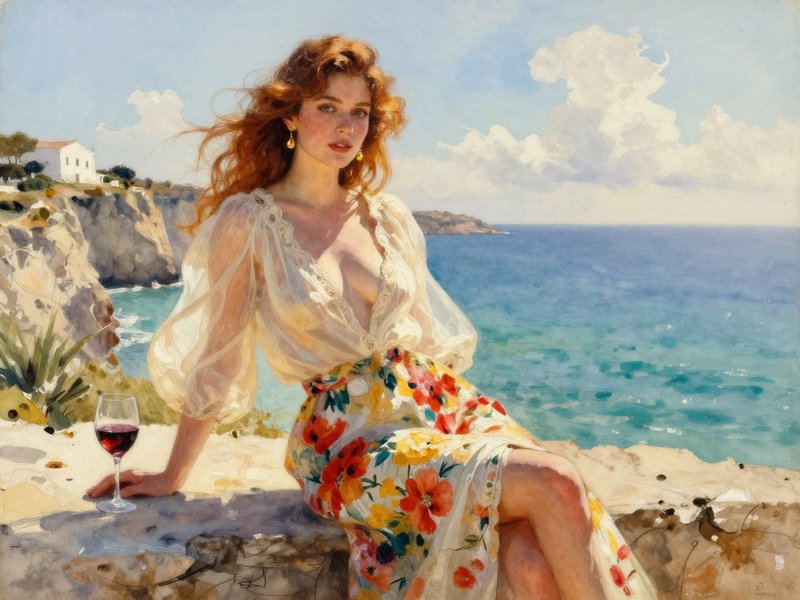
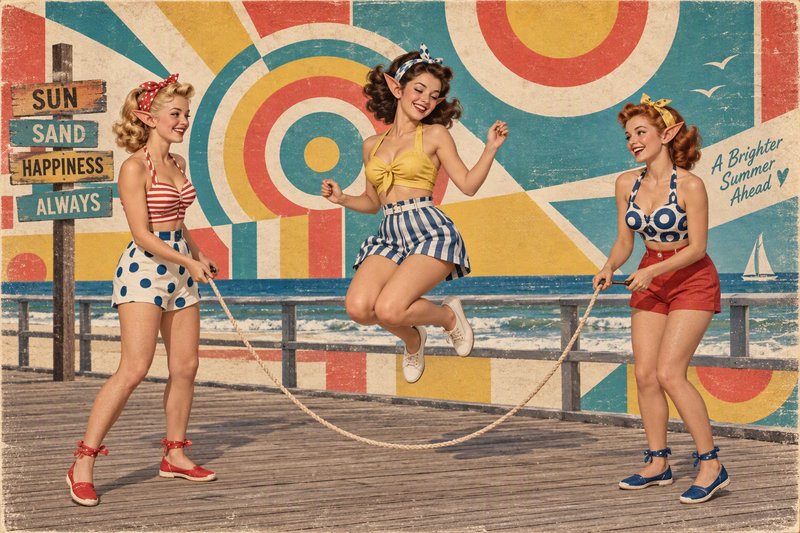
Vintage prompts to start from
Working prompts, not fragments. Open one to load it into the generator, then change whatever you like.
- Family at a roadside picnic, faded Kodachrome, mid-century colour palette, grain in the shadows, soft cornersUse →
- 1970s interior with wood panelling, warm colour cast, slight halation around the window highlightsUse →
- Seaside promenade on faded Ektachrome, washed cyan shift, mild vignette, slightly soft focusUse →
Vintage AI images: common questions
How do I get a specific decade rather than generic vintage?
Name the film or process. Kodachrome reads as saturated mid-century; faded Ektachrome as 1970s; early colour print as 1950s with a magenta shift. The word vintage alone averages across every era at once, which is why it tends to produce a vague sepia wash with no period identity.
What makes a vintage image convincing?
Flaws with a physical cause. Grain that sits in the shadows, slight halation around highlights, a soft corner from an uncoated lens, mild colour cast from age — these come from real processes. Uniform noise laid over a modern-looking image reads as a filter because it is one.
Does vintage mean black and white?
No, and they are separate pages here. Monochrome is its own decision with its own logic, while vintage is about period process, much of which is in colour. Asking for vintage colour explicitly is worth doing, since the term can otherwise drift toward black and white.
Related topics
Make your own vintage images
Everything here was generated on BudgetPixel and published by the person who made it. The same models are available to you — pick one, write a prompt, and publish the result to the community feed if you want it here.