
Urban Fantasy AI images
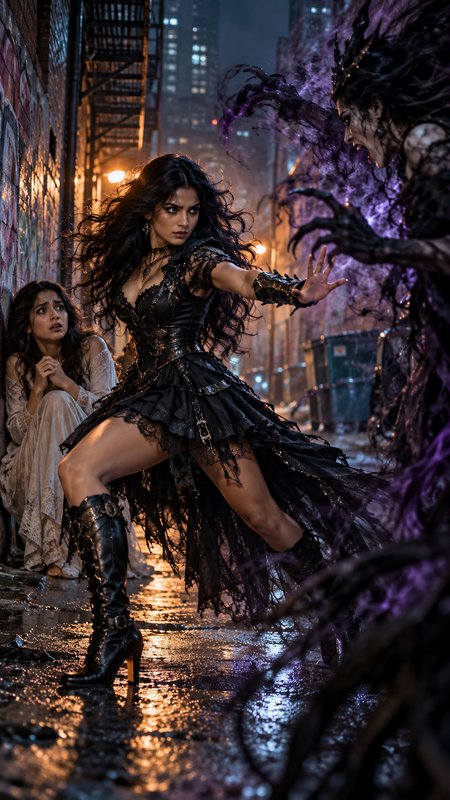
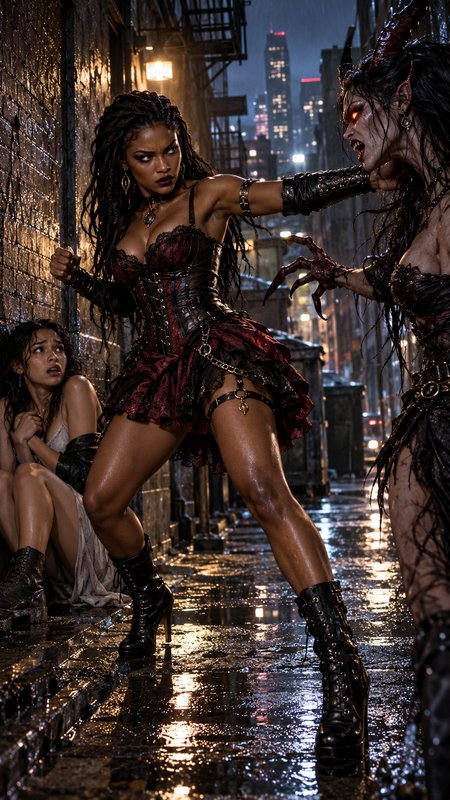
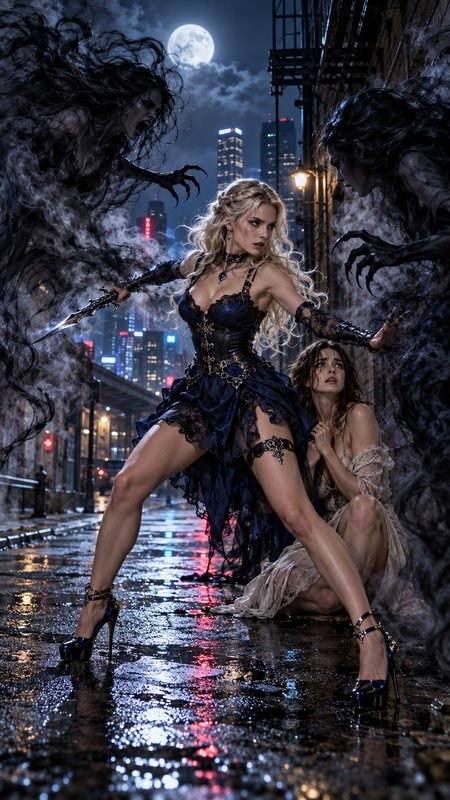
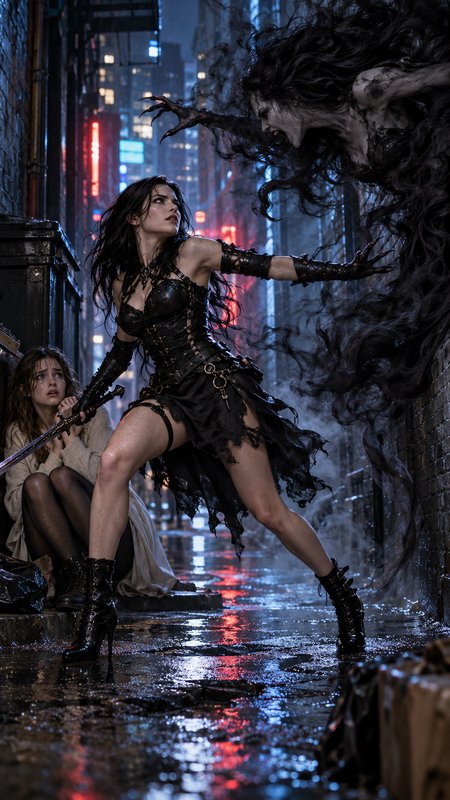
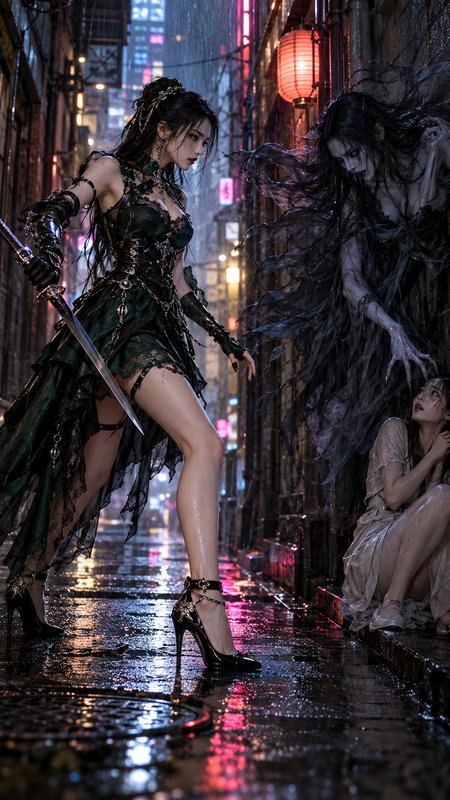
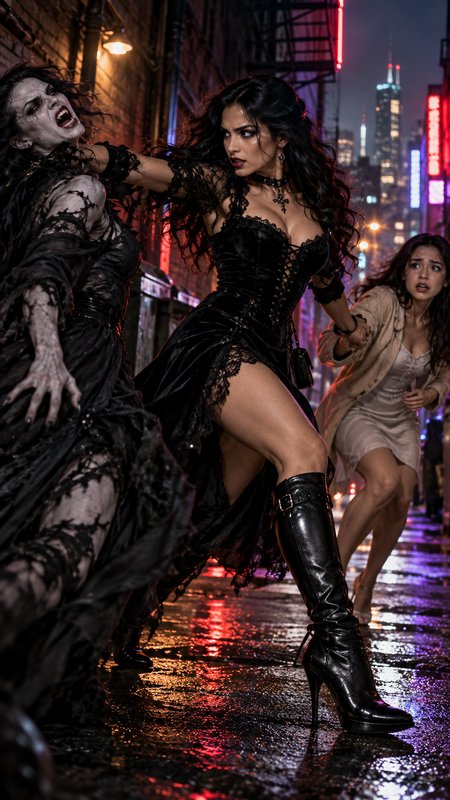
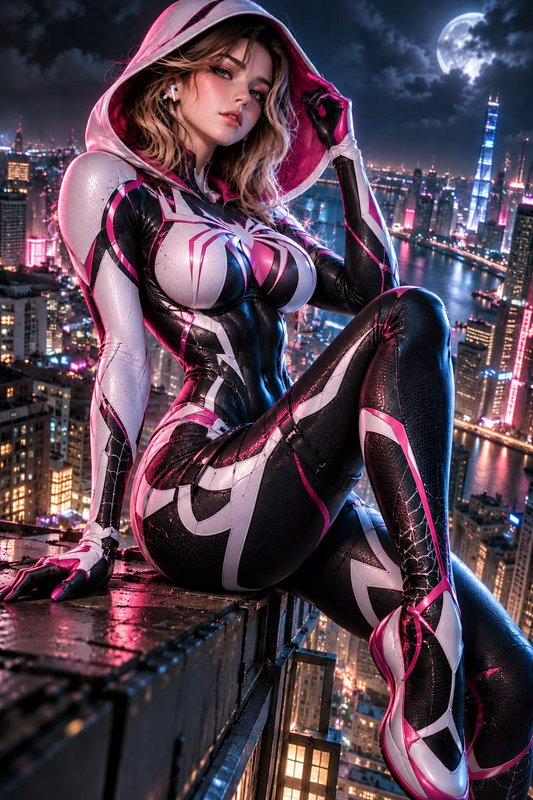
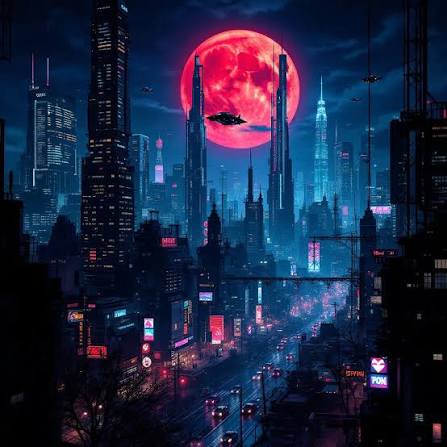
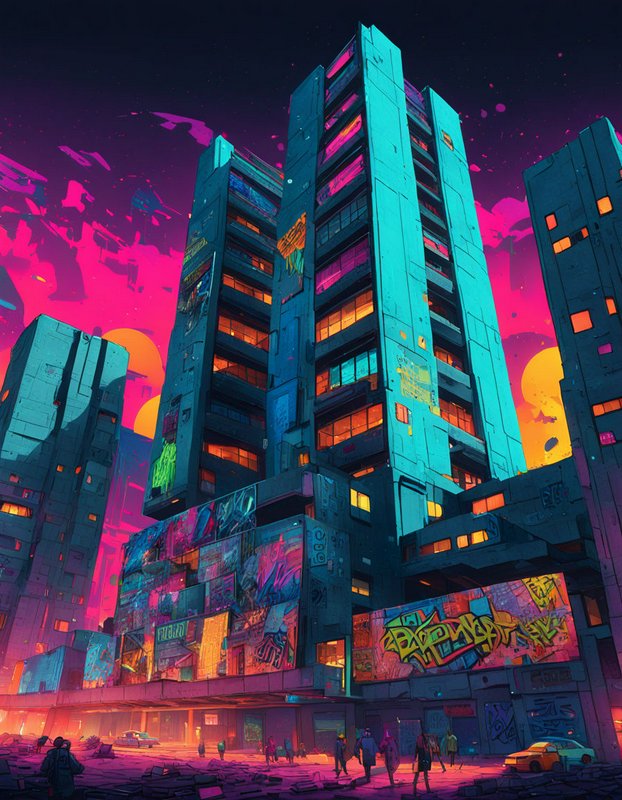
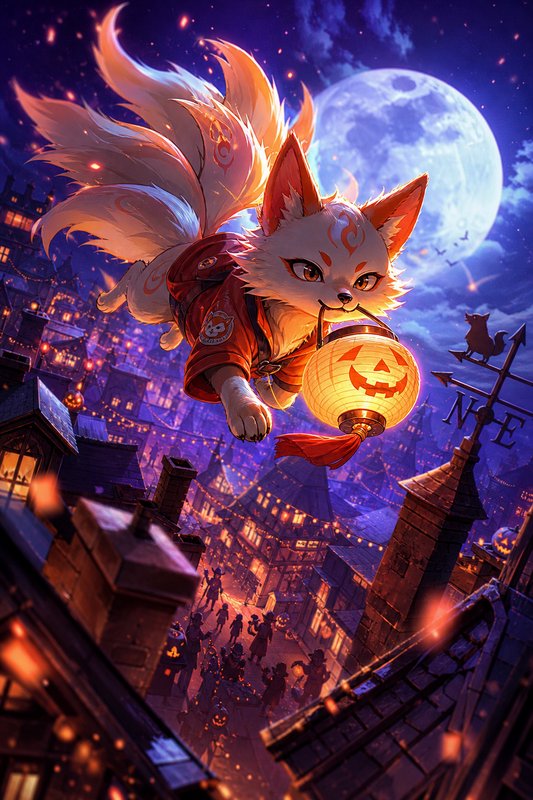
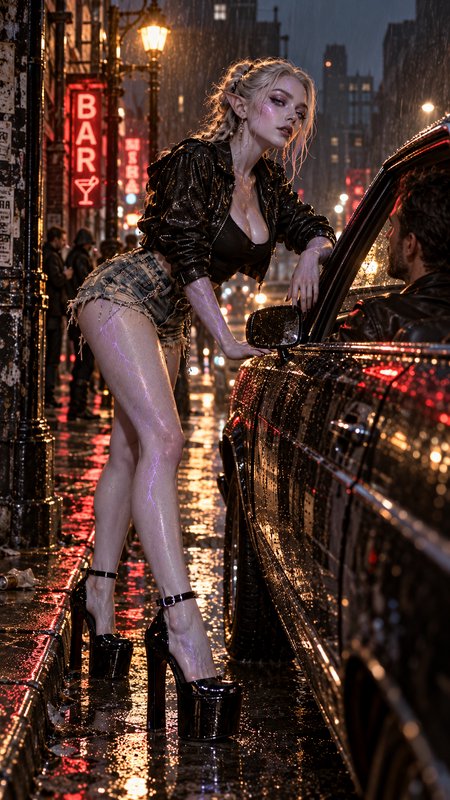
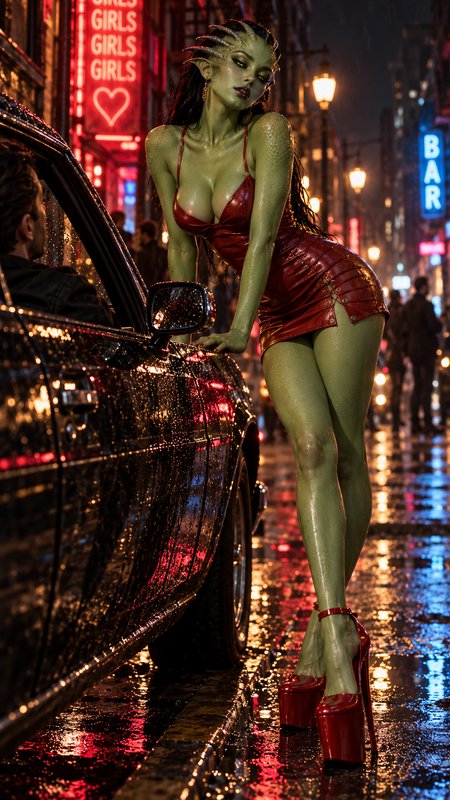
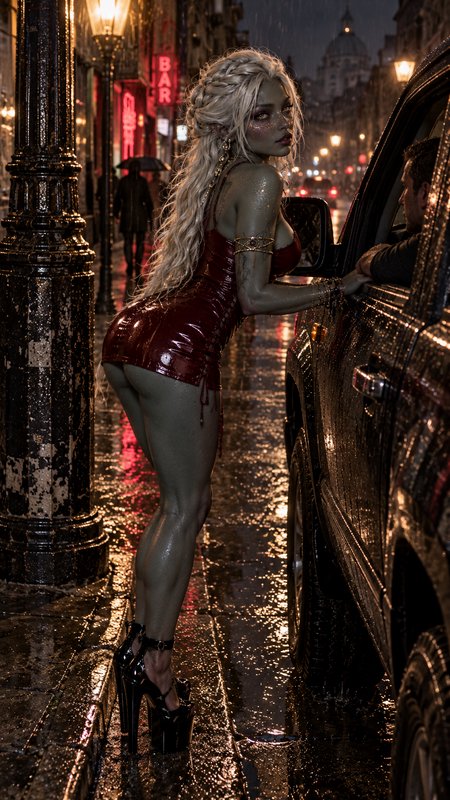
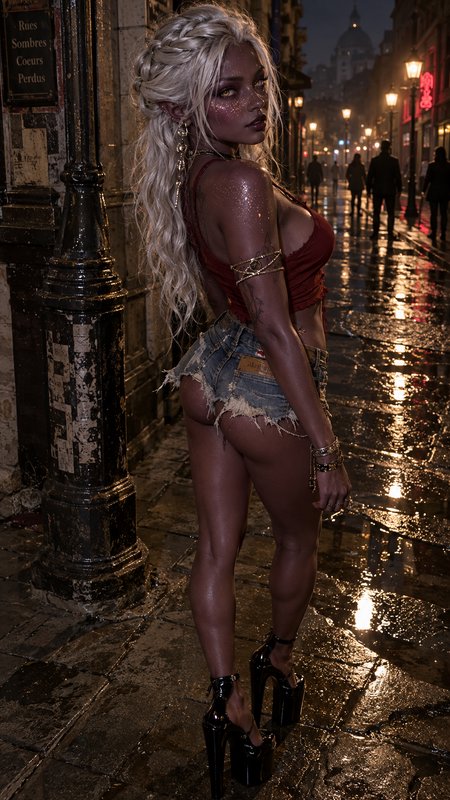
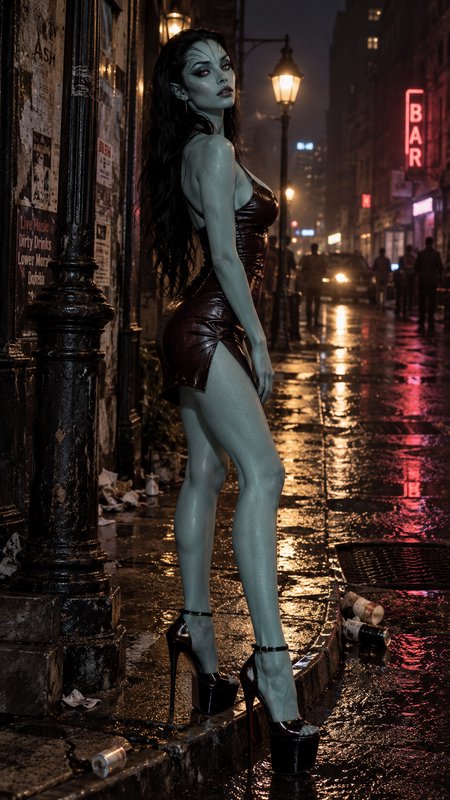
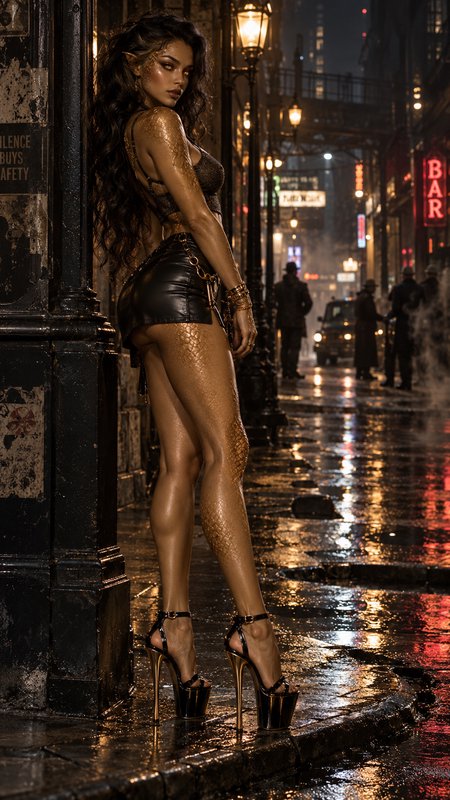
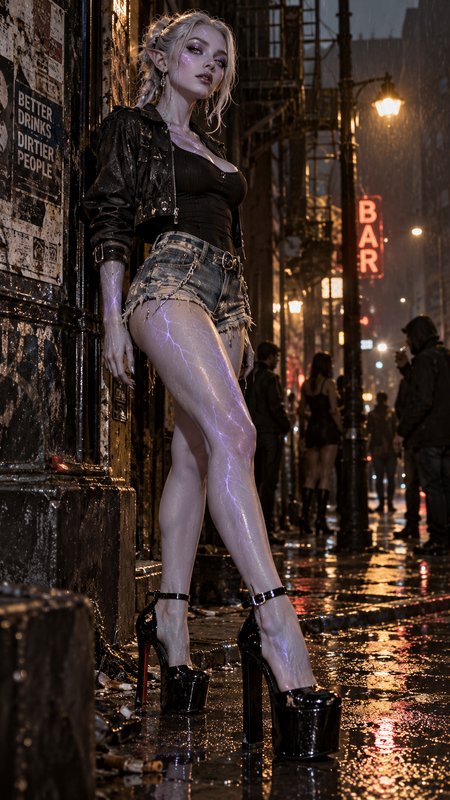
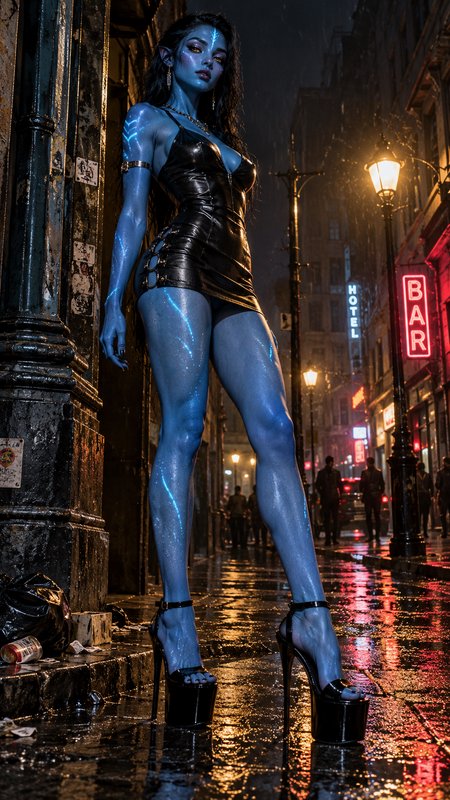
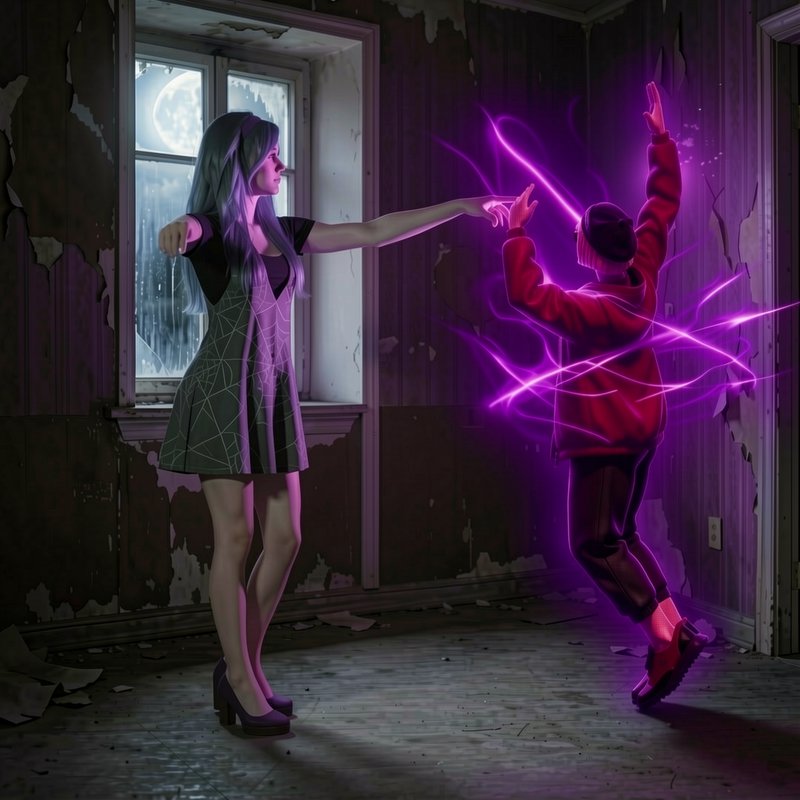
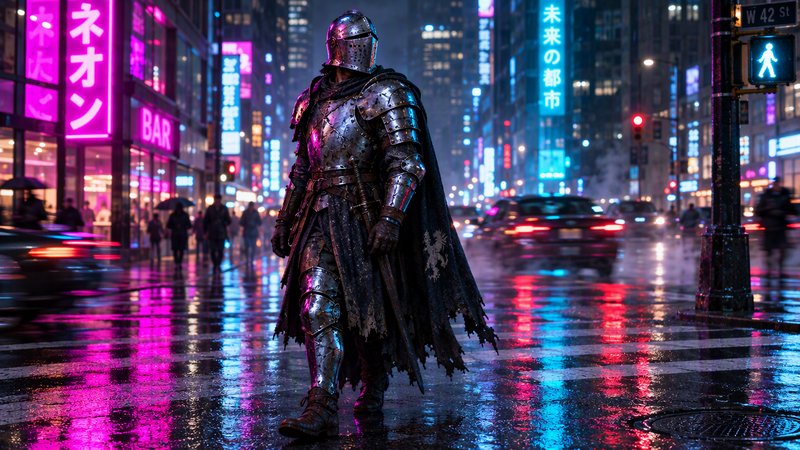
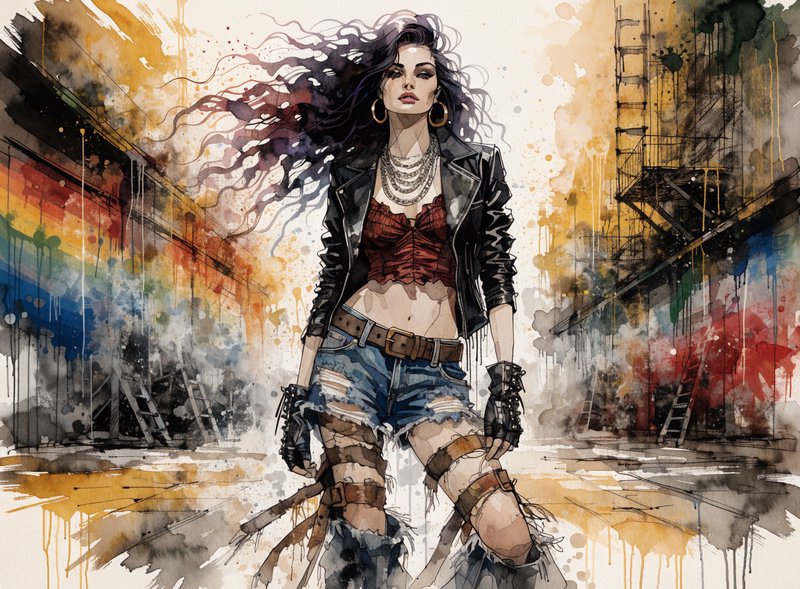
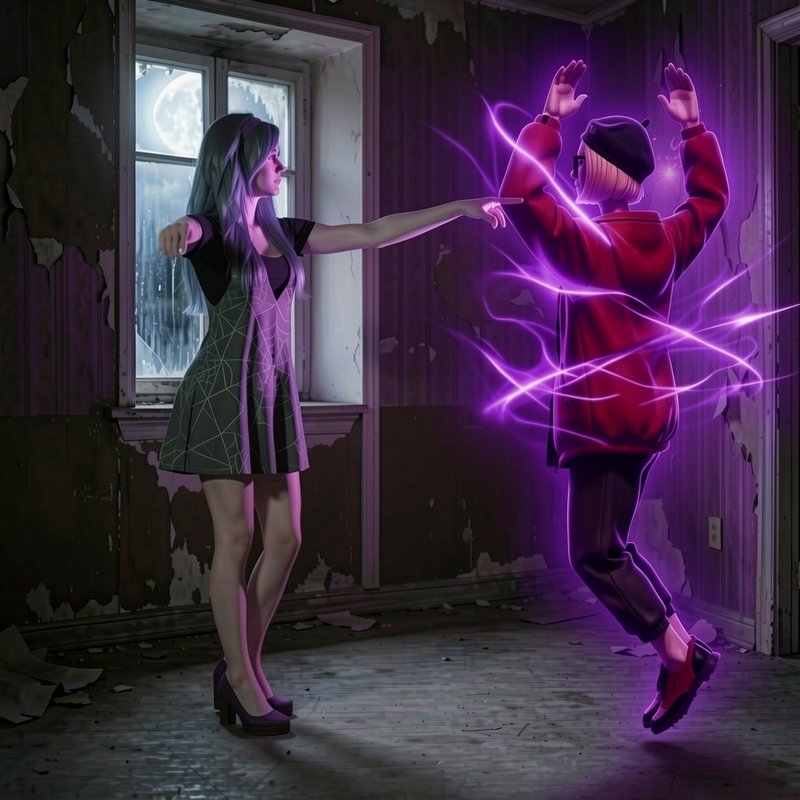
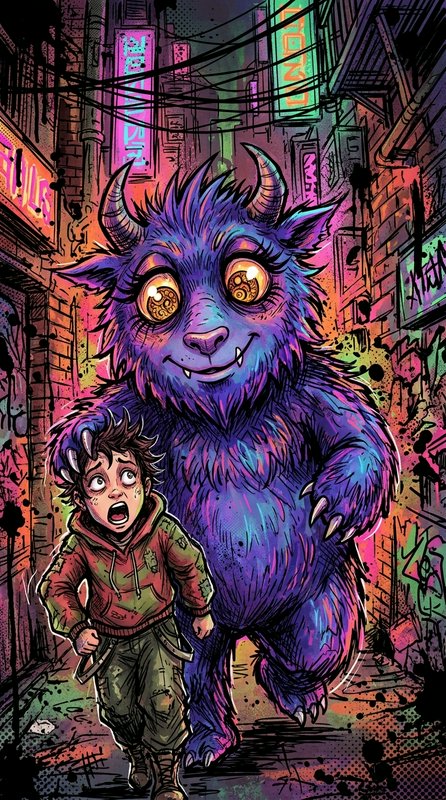
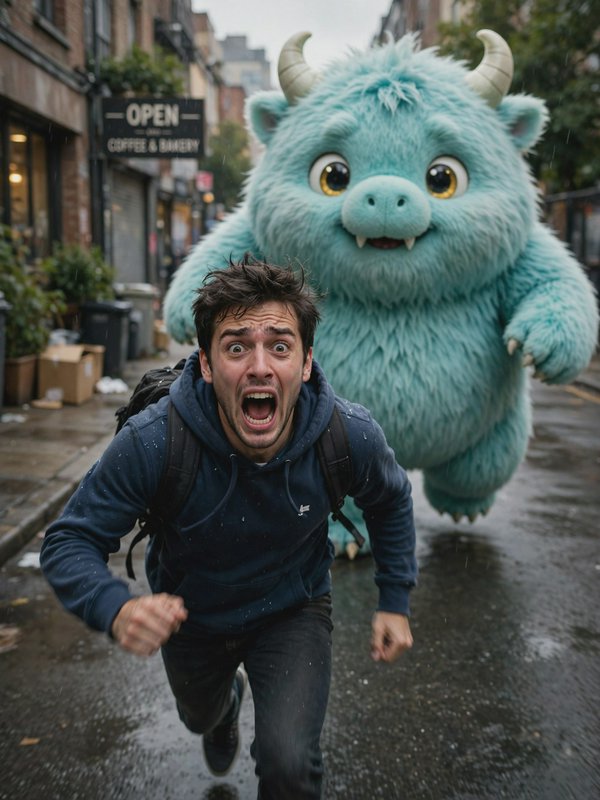
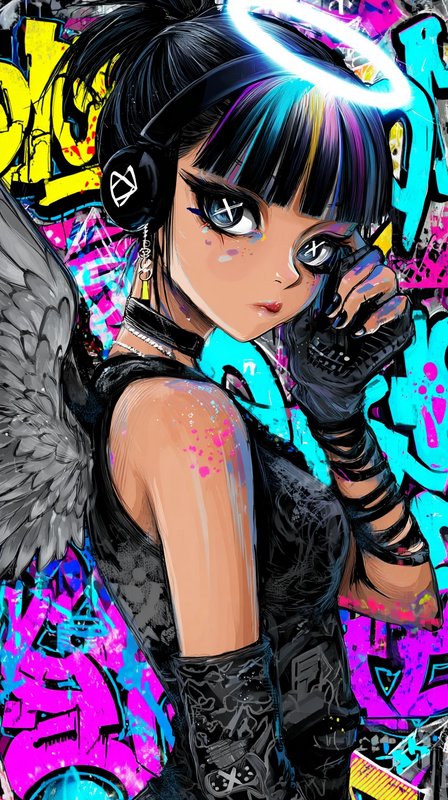
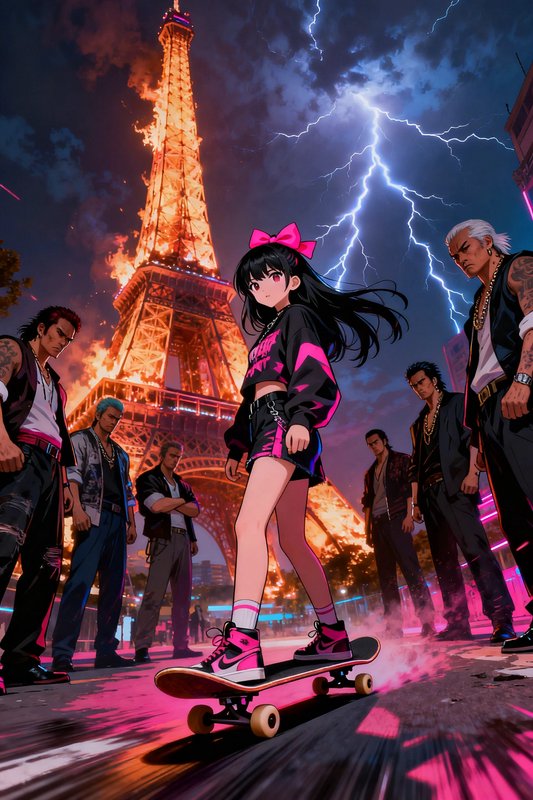
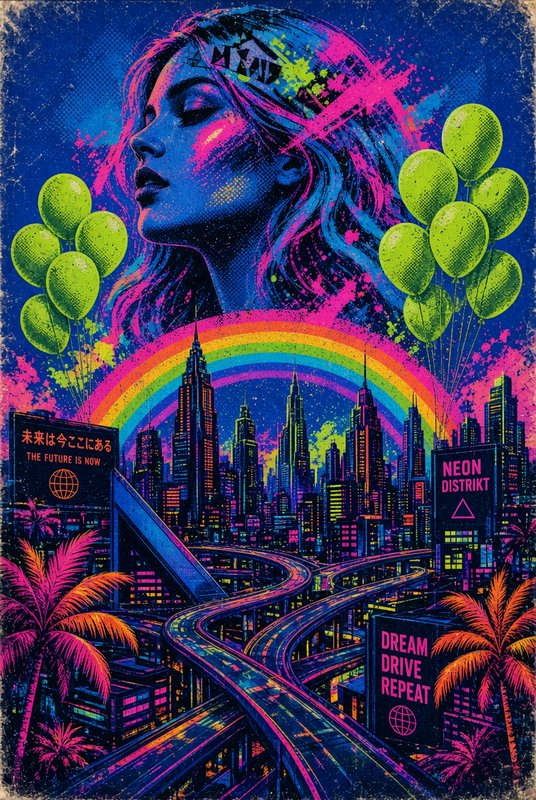
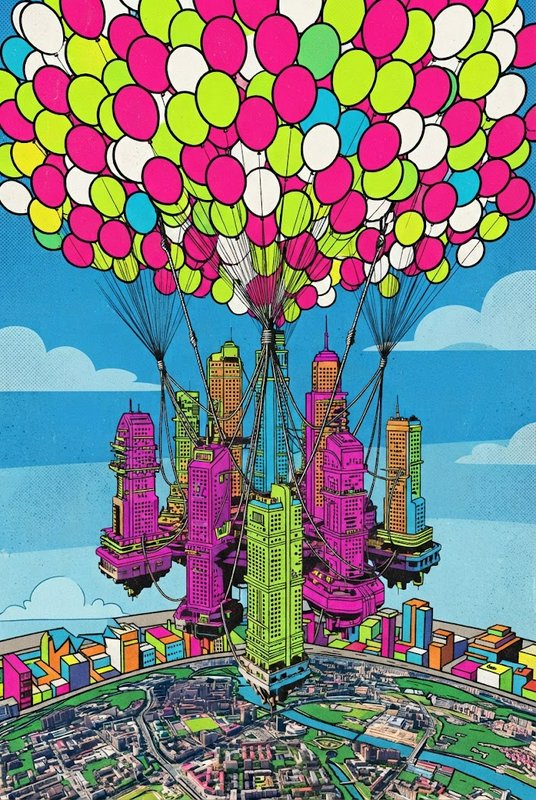
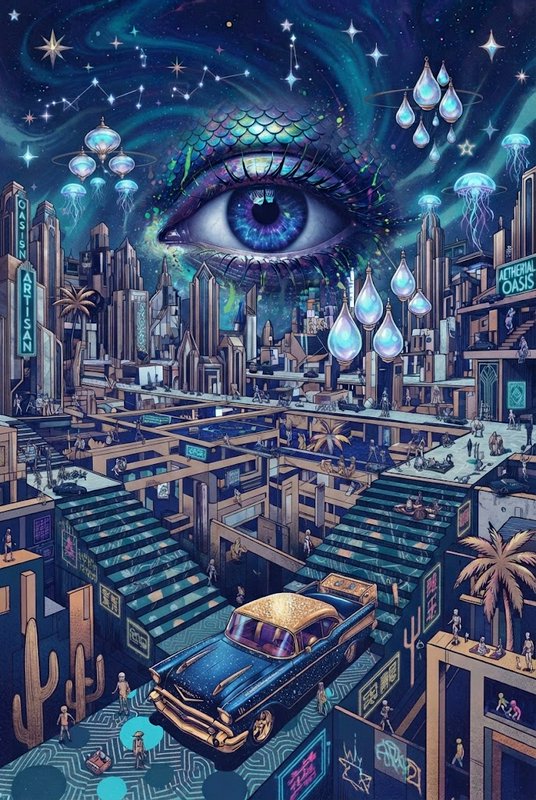
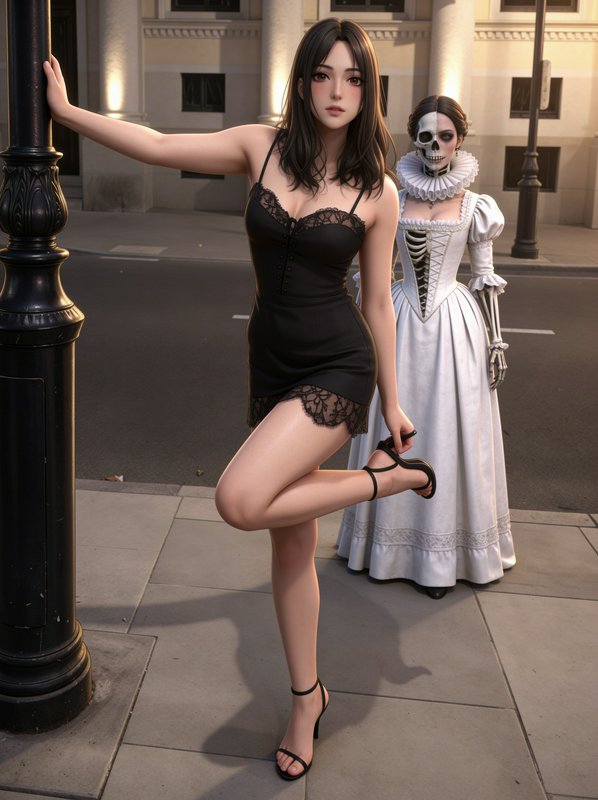
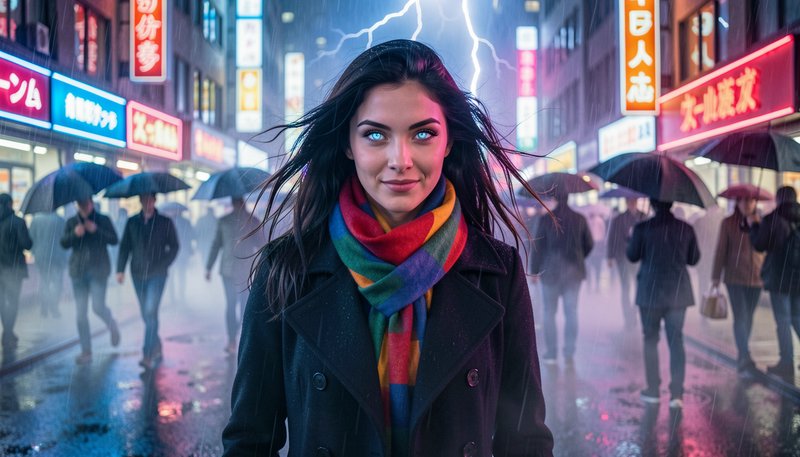
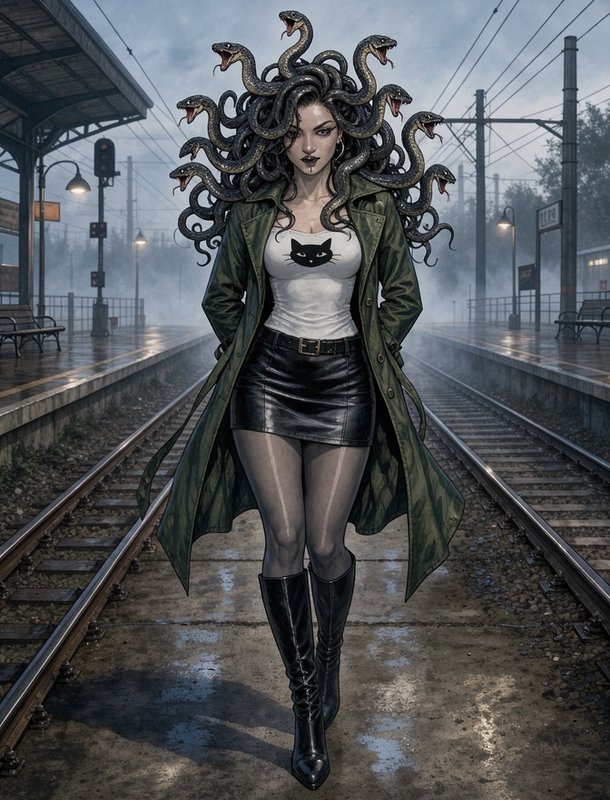
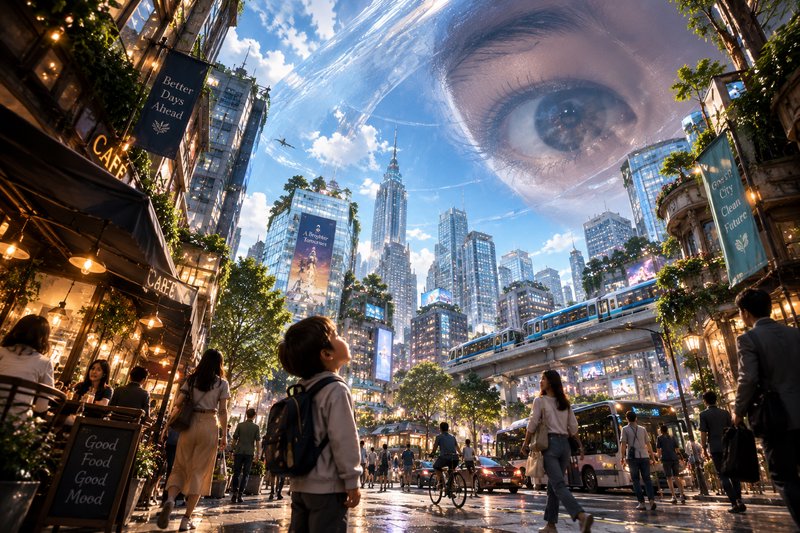
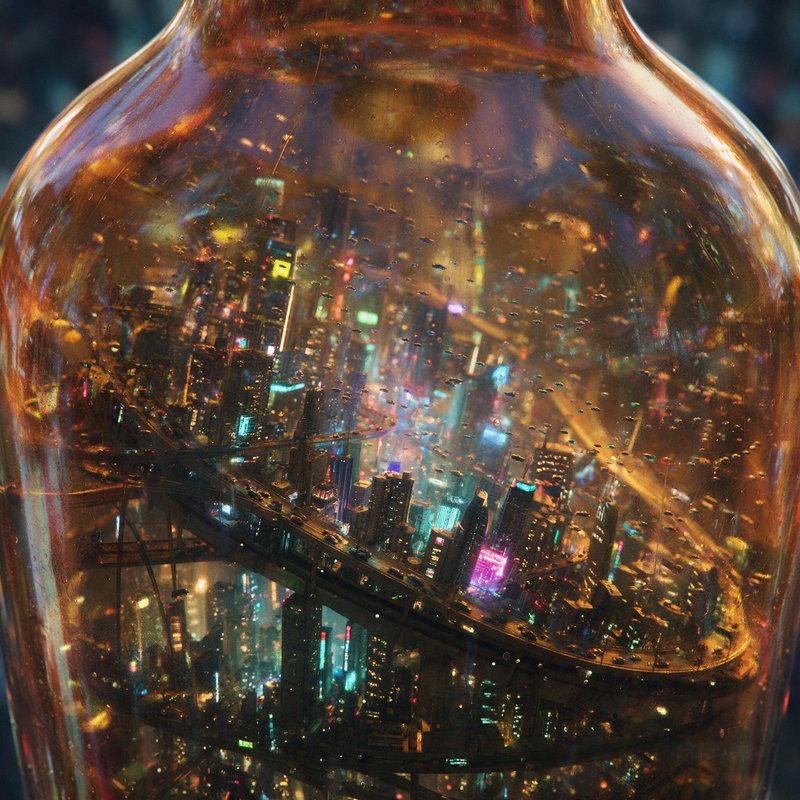
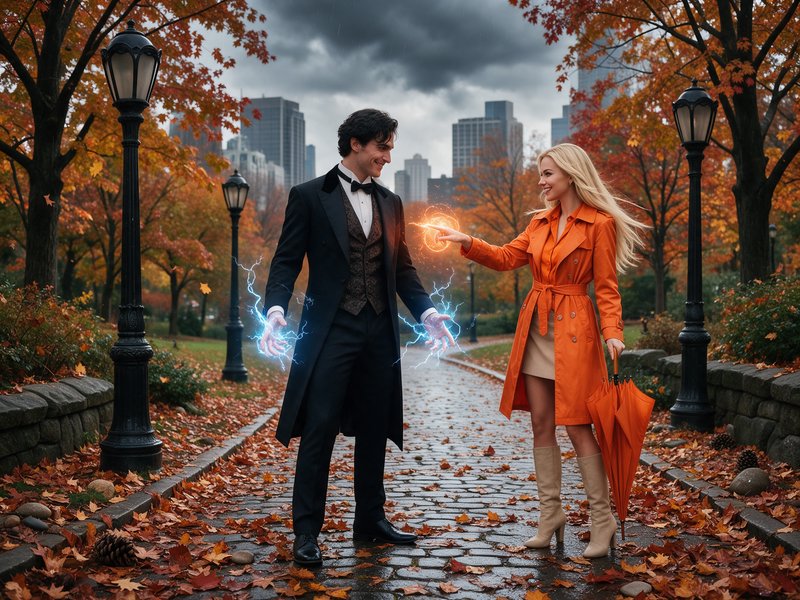
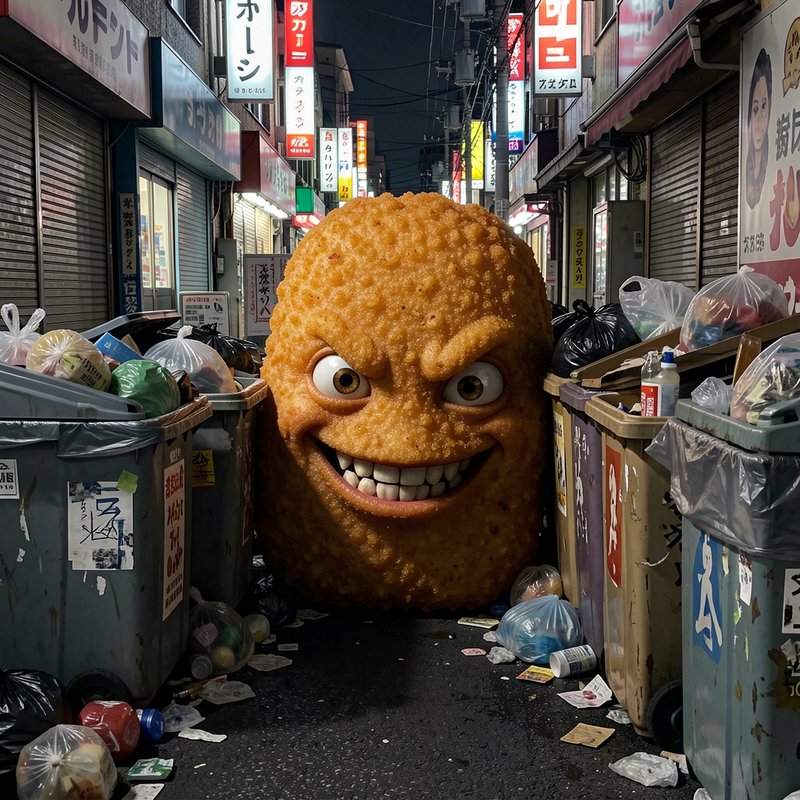
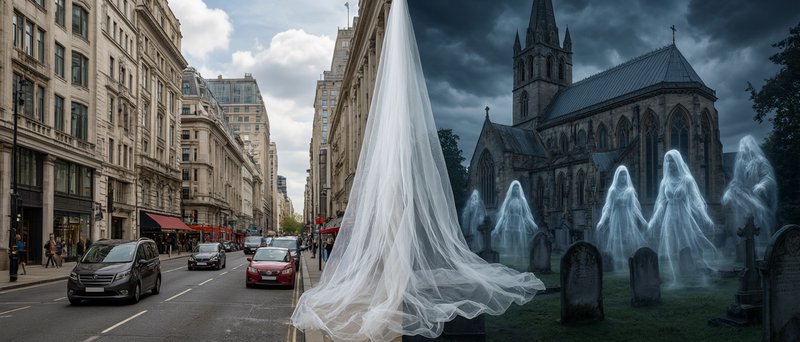
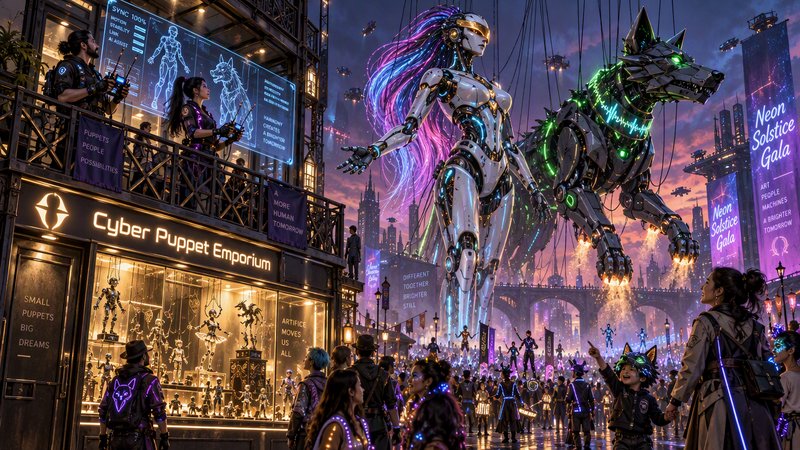
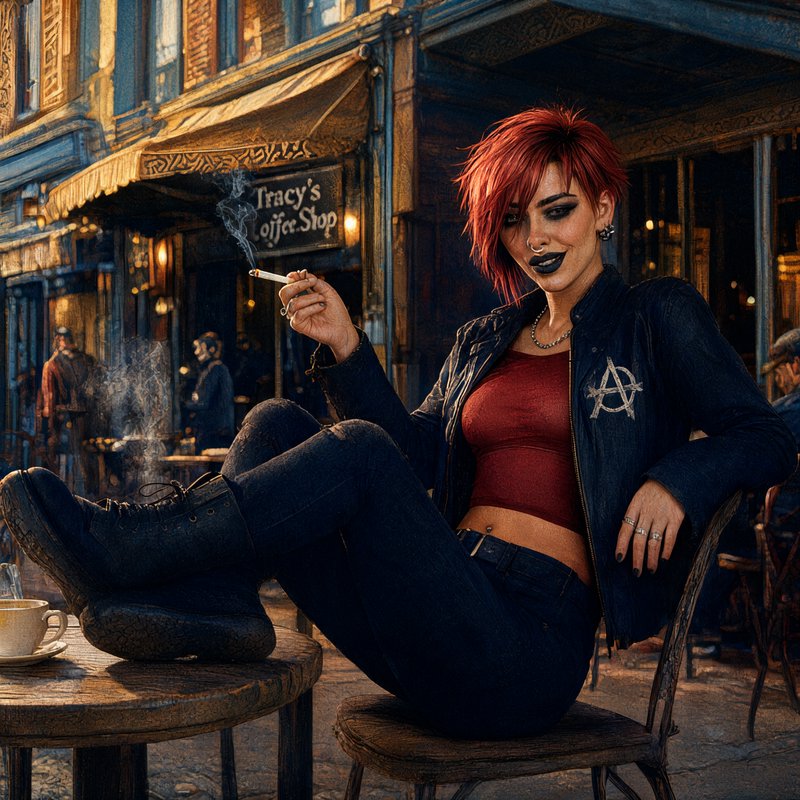
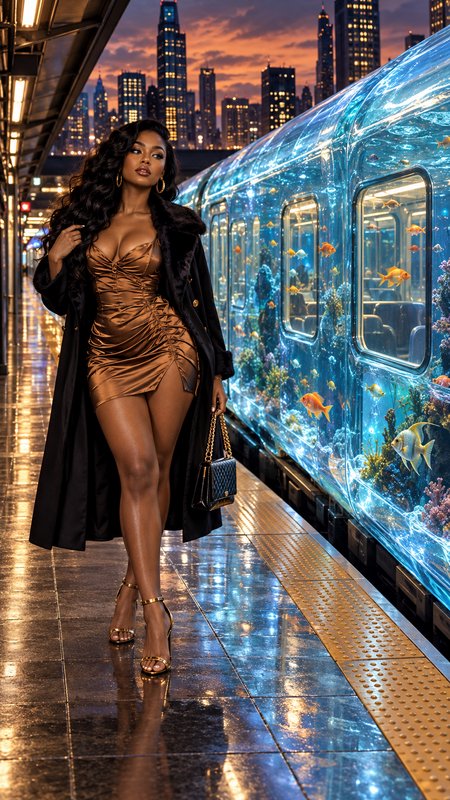
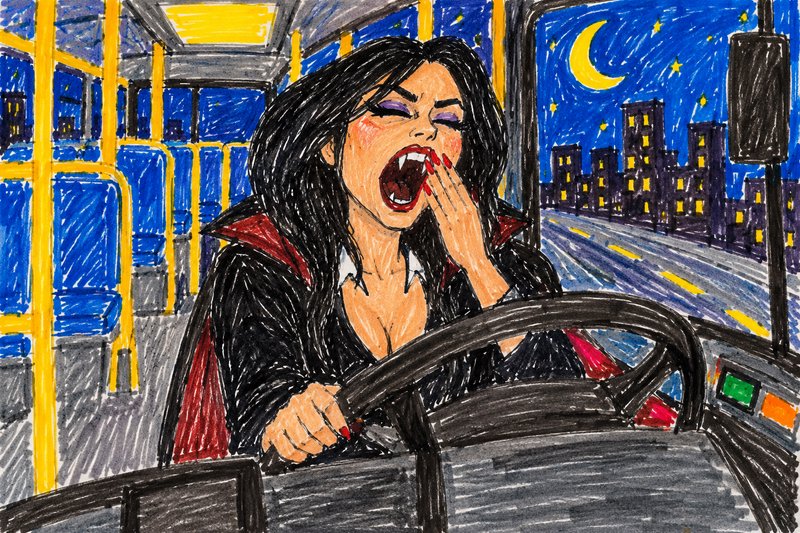
Magic placed in a recognisably modern city, where the impossible shares a frame with traffic.
787 published by the BudgetPixel community
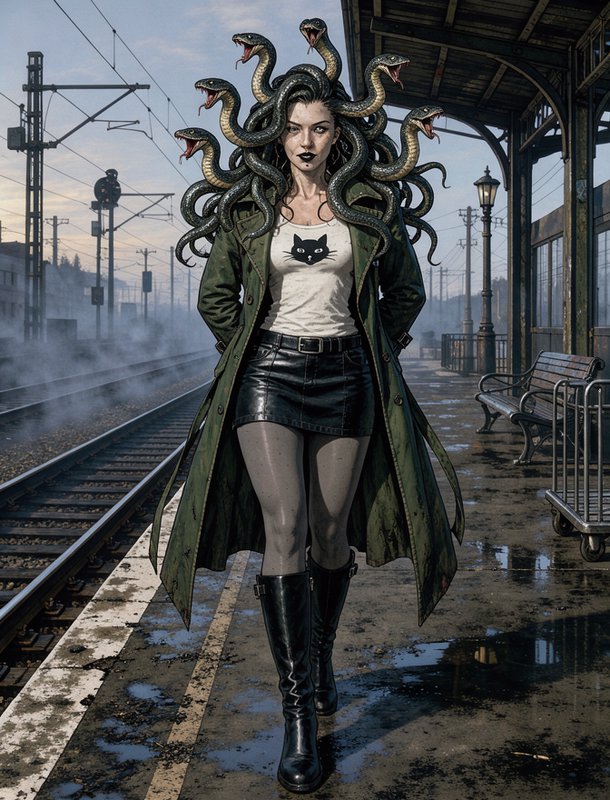
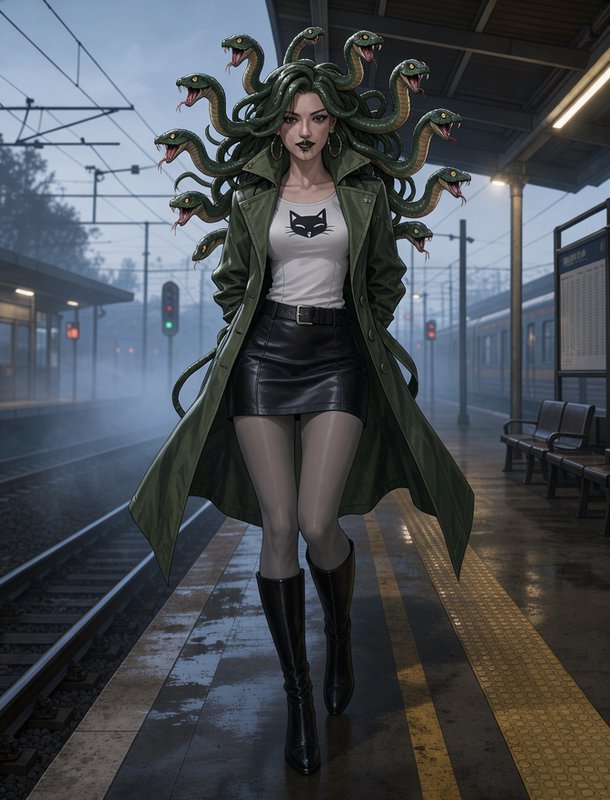
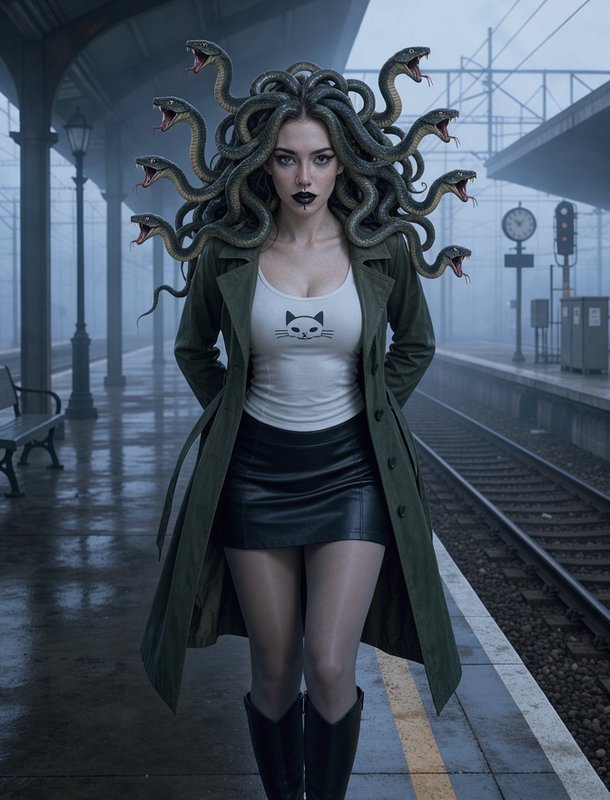
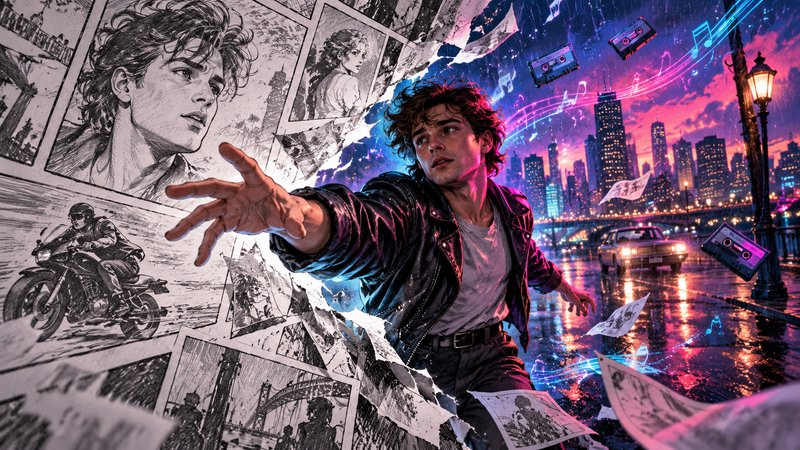
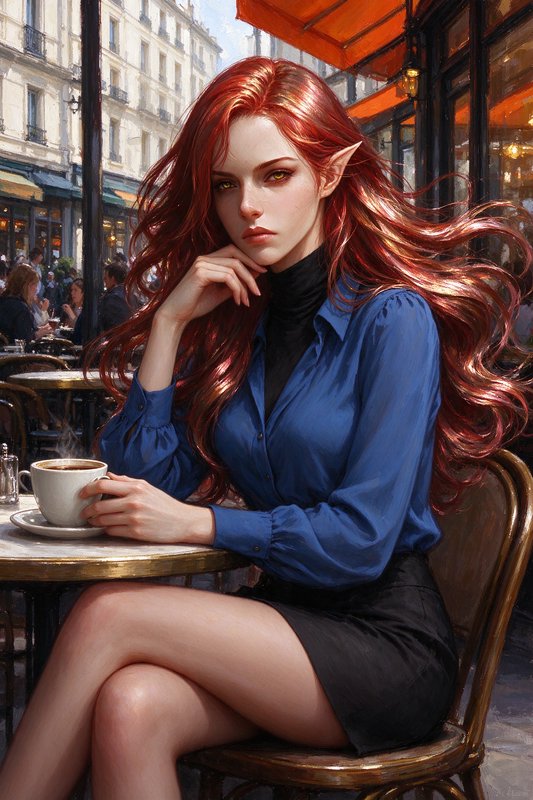
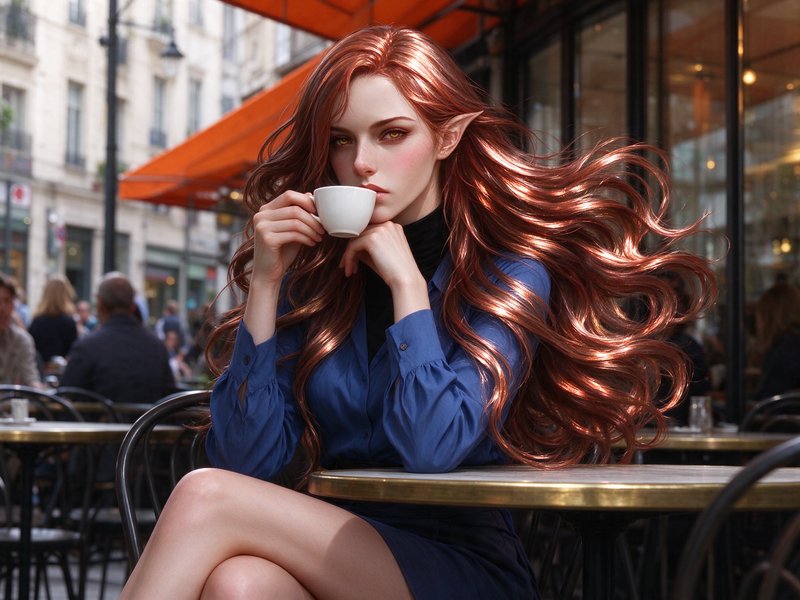
Urban fantasy places the impossible inside the contemporary and ordinary — a contemporary city where magic is a fact of life rather than a wonder. Its visual logic is contrast: the fantastical element only works if the mundane around it is rendered with complete conviction, so the bus shelter, the parked cars and the chain-link fence matter more than the creature does.
5 images on this page are published under Creative Commons licences — free to use and adapt, including commercially, if you credit the creator. Look for the licence badge on a tile, or open it to see the exact credit line. How licensing works
Make your own urban fantasy image
Everything in this grid was generated on BudgetPixel. Describe what you want and the same models will make it.
Start creatingMake your own urban fantasy image
Everything in this grid was generated on BudgetPixel. Describe what you want and the same models will make it.
Start creating
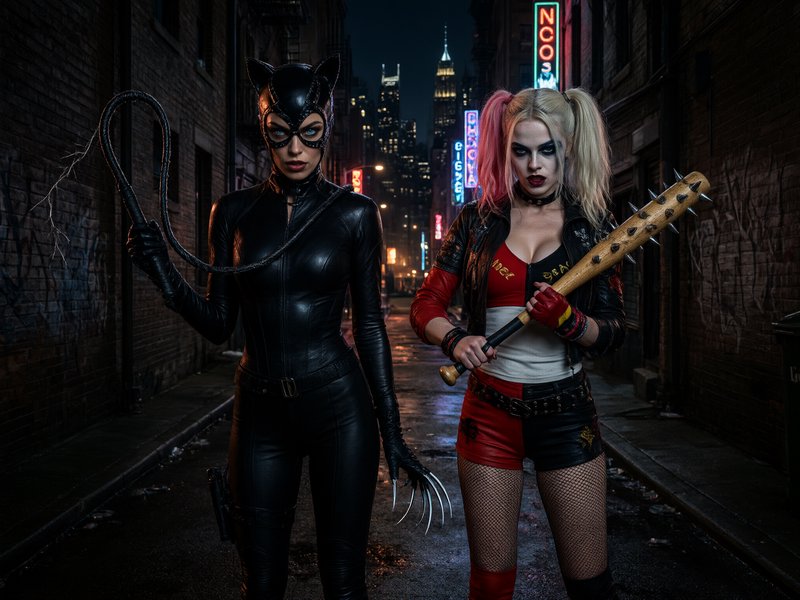


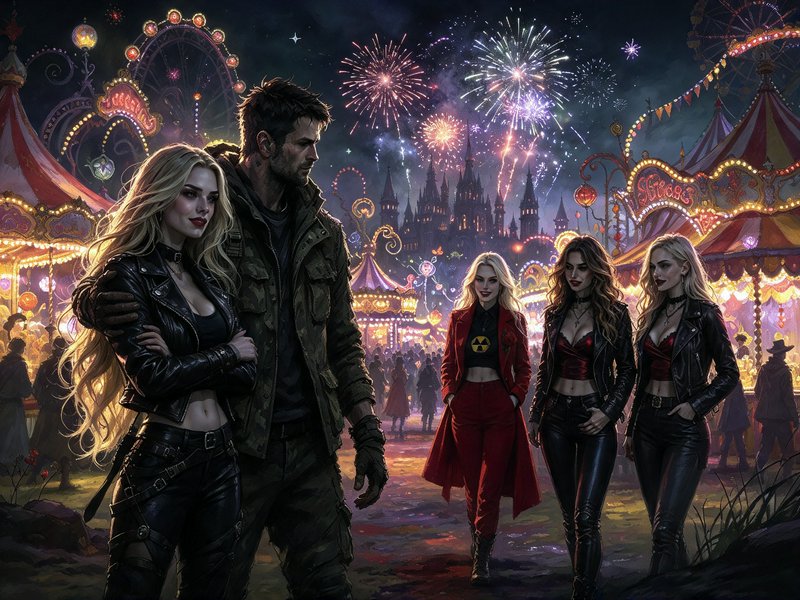
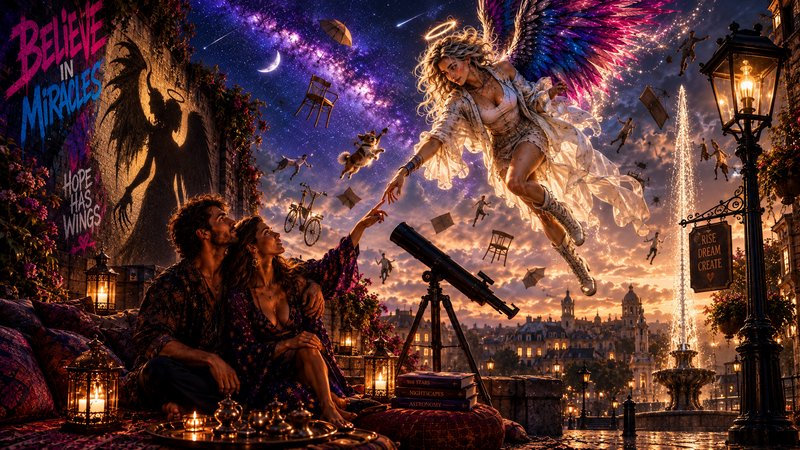
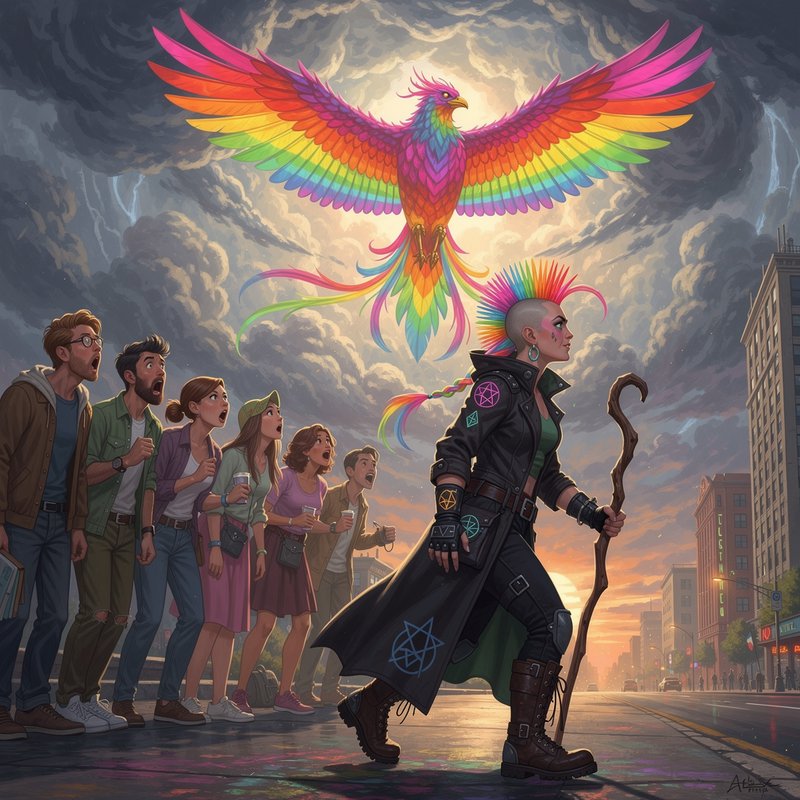
Urban Fantasy prompts to start from
Working prompts, not fragments. Open one to load it into the generator, then change whatever you like.
- Late-night bus shelter, perfectly ordinary, except the figure waiting has moth wings folded under a parkaUse →
- City canal at 4am, something large moving under the surface, sodium streetlight catching the disturbanceUse →
- Corner shop lit as usual, one shelf of jars glowing faintly, shopkeeper entirely unbotheredUse →
Urban Fantasy AI images: common questions
How do I make urban fantasy convincing?
Spend the prompt on the ordinary half. A perfectly rendered late-night bus stop with one impossible thing in it lands far harder than a spectacular creature in a vague city. The fantastical element should be the only thing in the frame that is not completely everyday.
How do I integrate a magical element into a real scene?
Give it a lighting relationship with the environment. If it glows, something nearby has to be lit by it; if it casts a shadow, the shadow must agree with the streetlights. That physical connection is what stops it from looking pasted in.
How is this different from the fantasy page?
Setting and register. Fantasy is secondary-world — its own geography, its own era. Urban fantasy is our world, now, with something extra in it, which means contemporary clothing, real street furniture and modern light sources. The prompting is closer to street photography than to concept art.
Related topics
Make your own urban fantasy images
Everything here was generated on BudgetPixel and published by the person who made it. The same models are available to you — pick one, write a prompt, and publish the result to the community feed if you want it here.