
Turning Lyrics into Images: When Words Become Visual Worlds
 @pocahontas
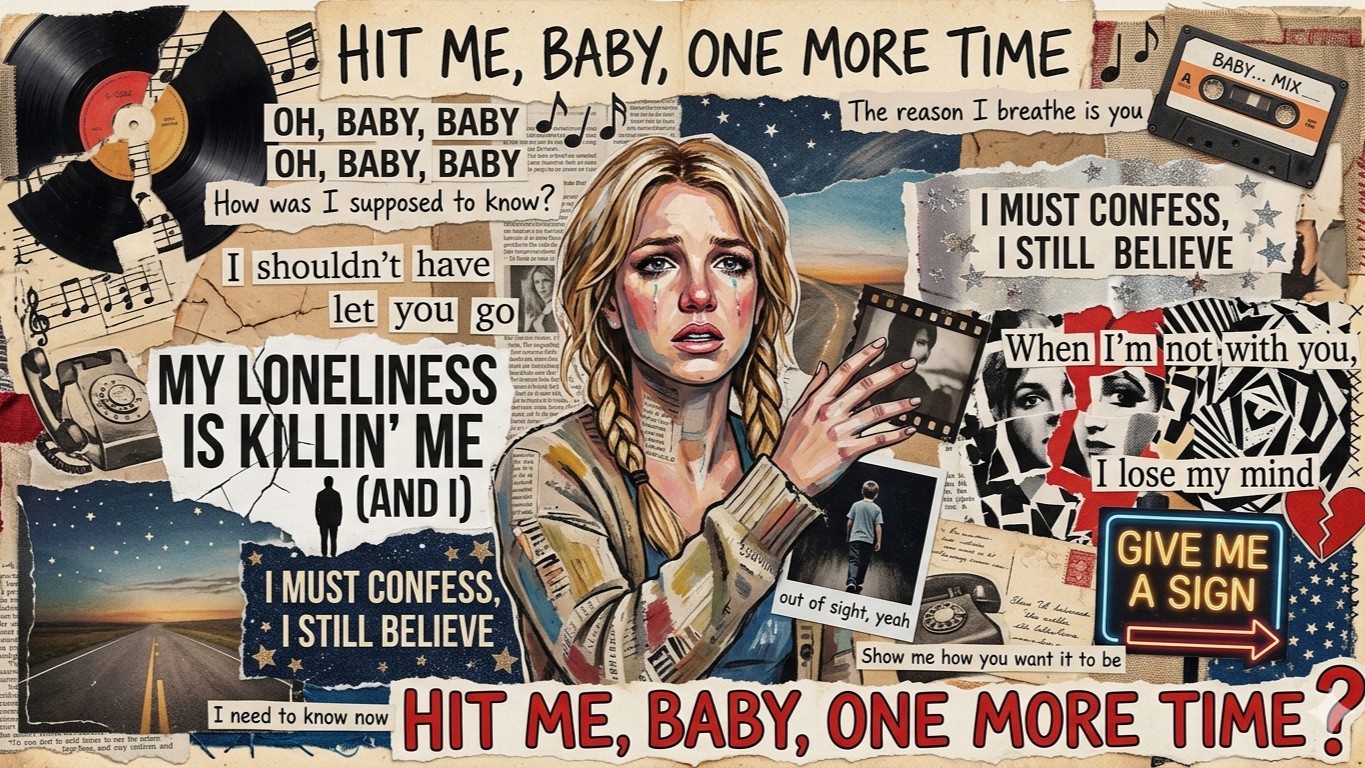
Music has always had the power to paint pictures in our minds. A single line of lyrics can evoke entire landscapes, emotions, and stories. But what happens when we take that one step further—when we literally turn lyrics into images?
This creative process sits at the intersection of art, music, and imagination. It’s about translating sound into sight, rhythm into composition, and emotion into color.
The Power of Visualizing Lyrics
Lyrics are already poetic by nature. They’re filled with metaphors, symbolism, and vivid imagery. When someone hears a line like “dancing in the dark under neon skies,” their brain instinctively begins constructing a scene. Turning lyrics into images is simply making that internal vision external.
This process deepens the connection between listener and song. Instead of just hearing the story, you begin to see it.
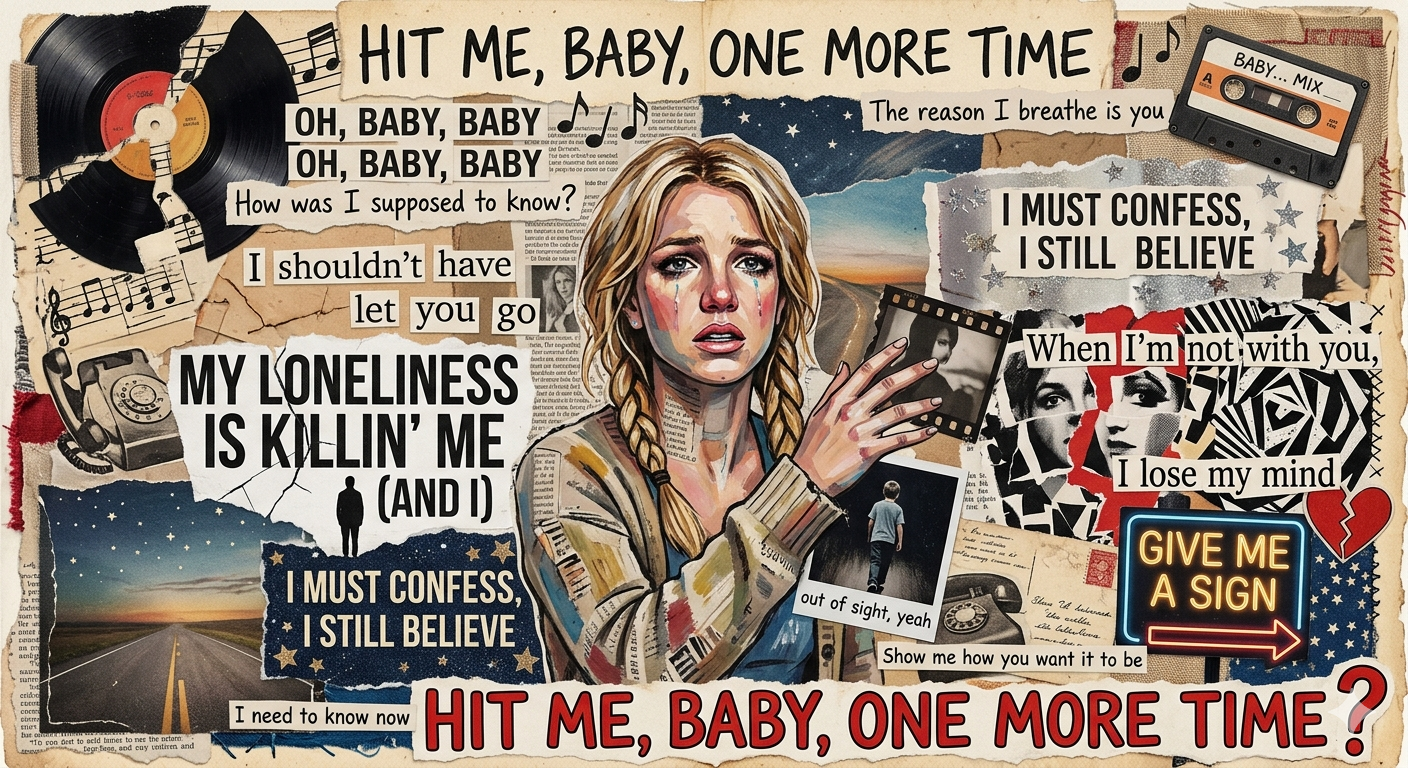
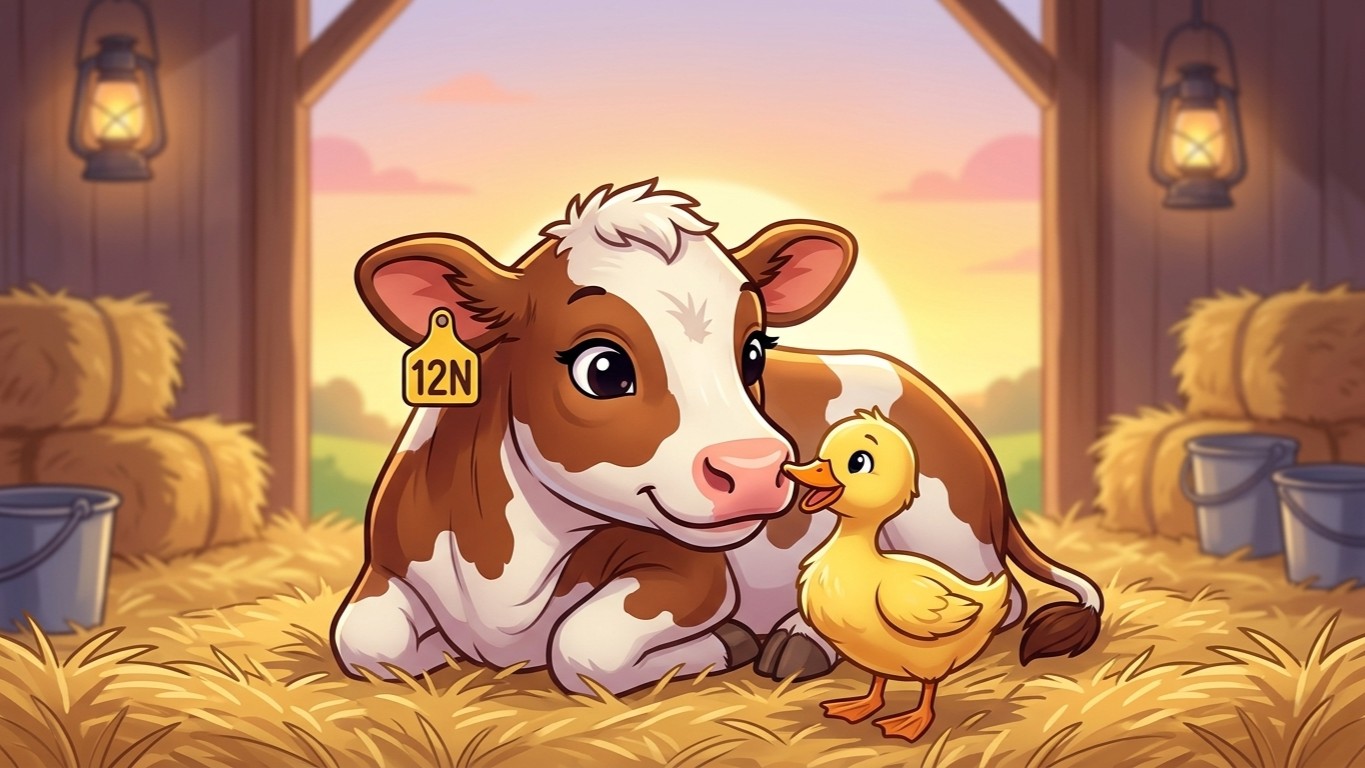
Baby One More Time
Song by Britney Spears
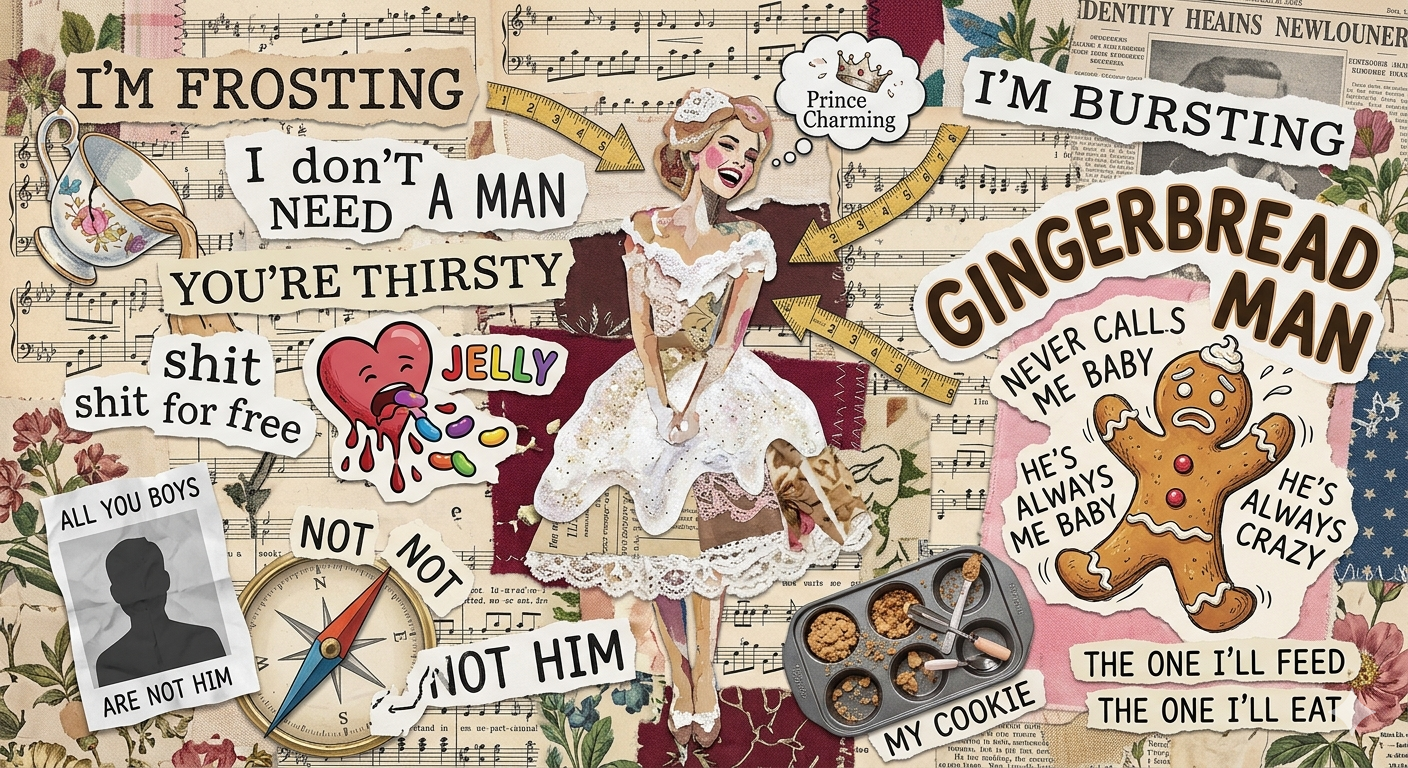
Gingerbread Man
Song by Melanie Martinez ‧ 2016
How the Transformation Works
Turning lyrics into images isn’t just about literal interpretation—it’s about capturing feeling and atmosphere.
1. Breaking Down the Lyrics
Start by identifying key elements:
Setting (city, forest, dreamscape)
Emotion (melancholy, passion, rebellion)
Symbols (fire, water, shadows, light)
Each lyric becomes a visual clue.
2. Choosing a Visual Style
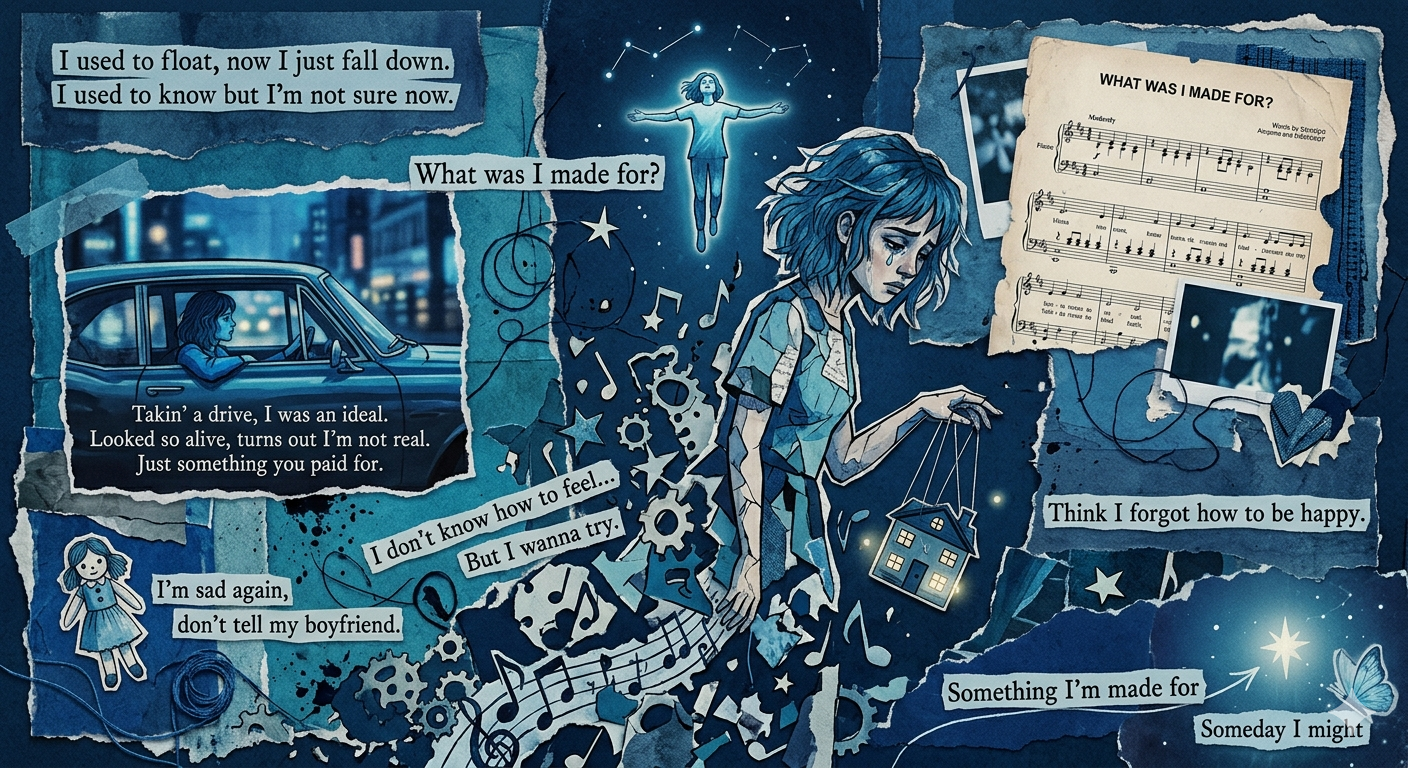
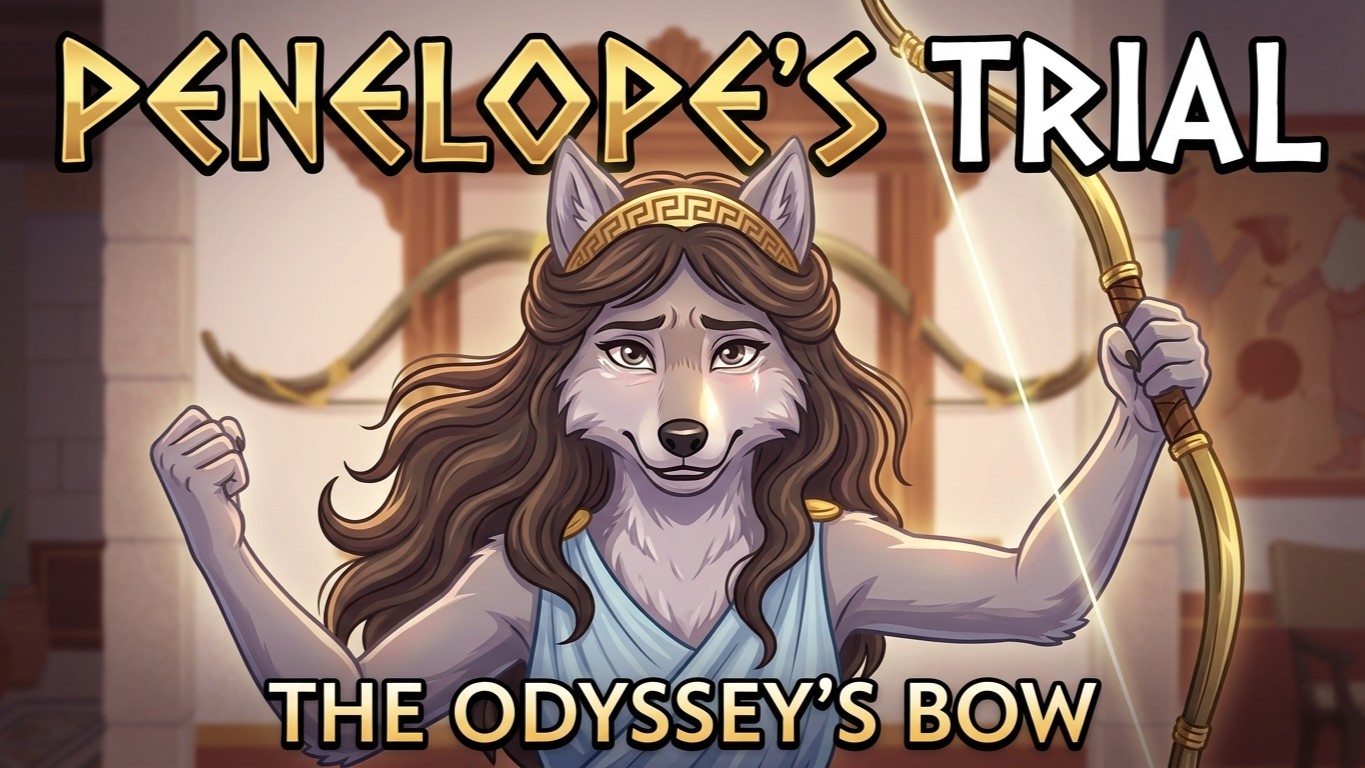
What Was I Made For?
Song by Billie Eilish ‧ 2023
The same lyric can look completely different depending on style:
Realistic: grounded, cinematic scenes
Fantasy: surreal worlds, mythical elements
Cyberpunk: neon lights, digital overlays
Minimalist: abstract shapes and colors
Style shapes how the emotion is perceived.
3. Translating Emotion into Visual Language
Colors, lighting, and composition do the heavy lifting:
Warm tones → intimacy, nostalgia
Cool tones → isolation, calm
High contrast → intensity, drama
Soft lighting → dreamlike, romantic
A lyric about heartbreak might not show tears—it might show a lone figure in a vast, empty landscape.
The Role of Imagination
No two people will visualize the same lyric in exactly the same way. That’s what makes this art form so powerful. It’s deeply personal.
One person might see a storm. Another sees silence.
And both are right.
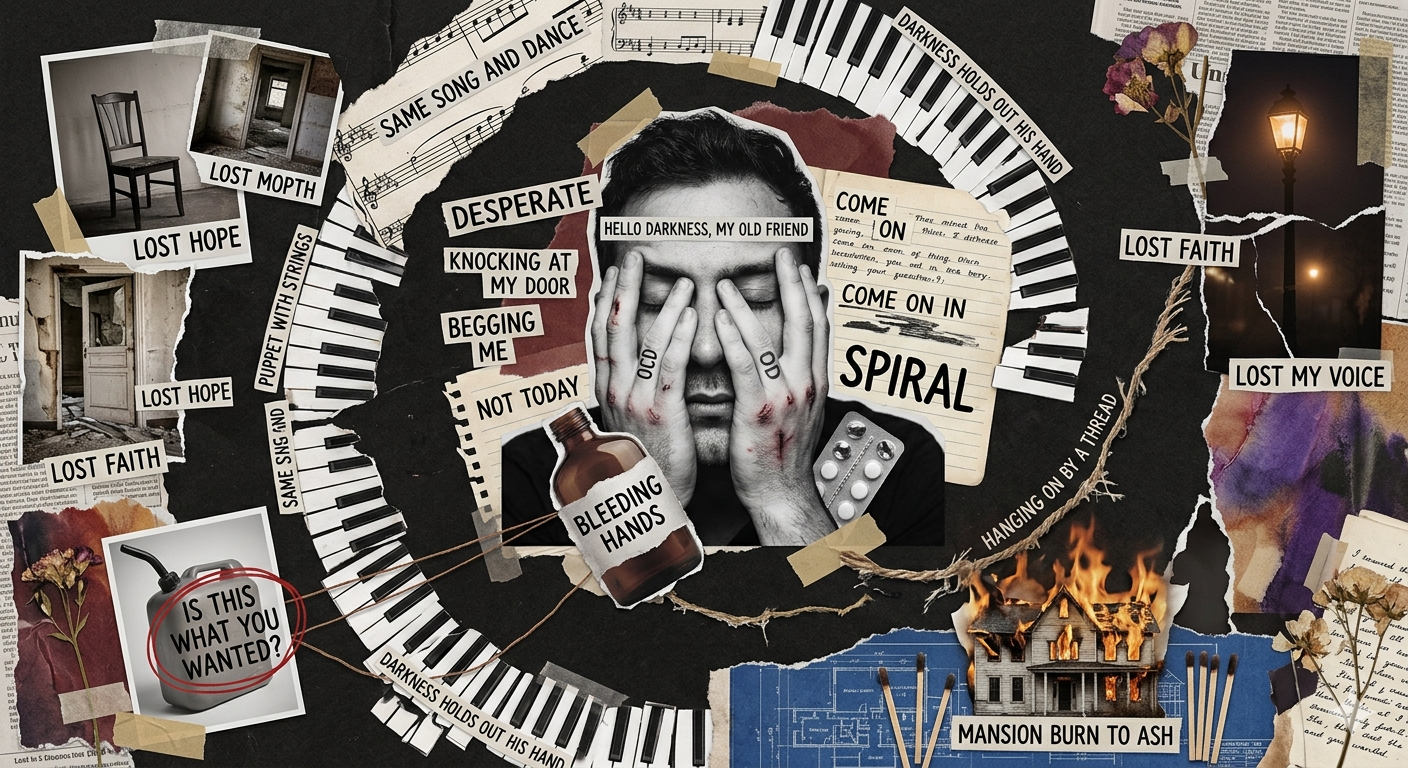
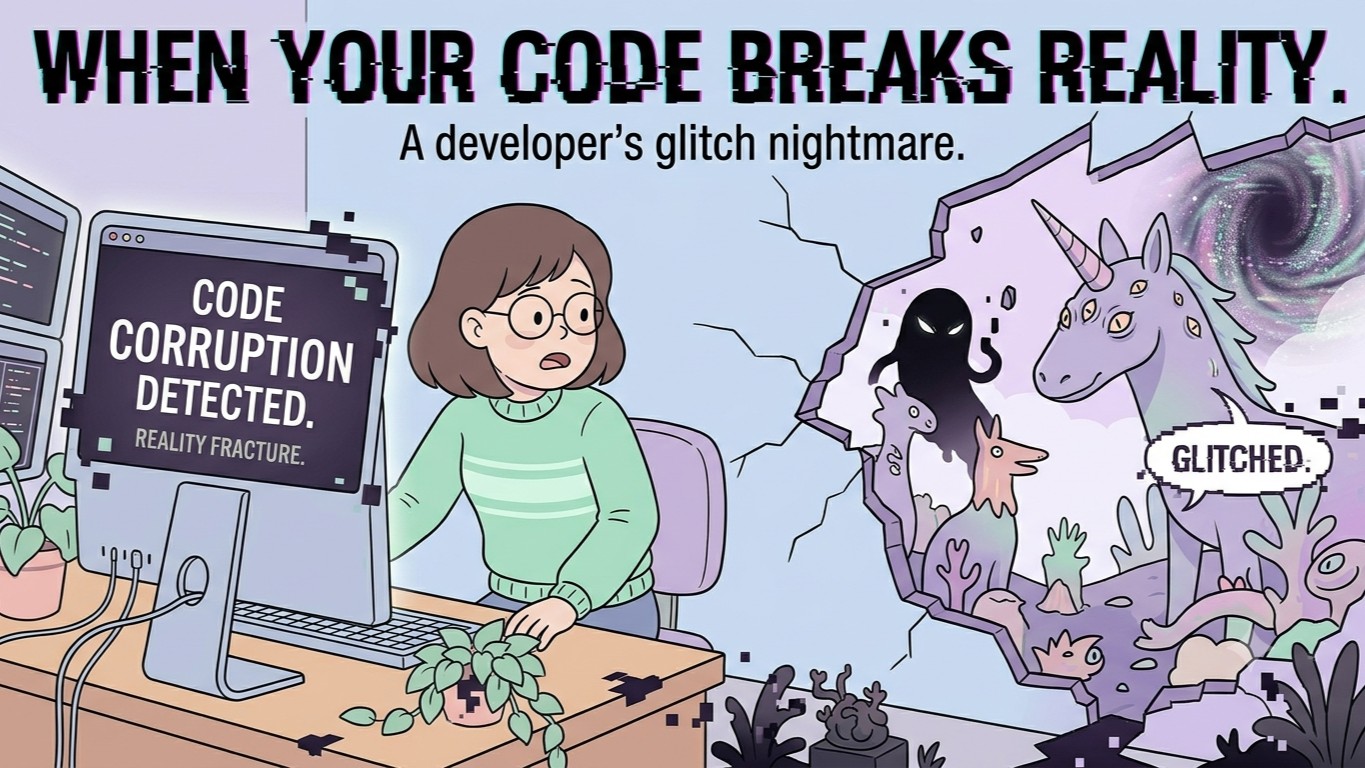
FEAR
Song by NF ‧ 2025
AI and the New Creative Frontier
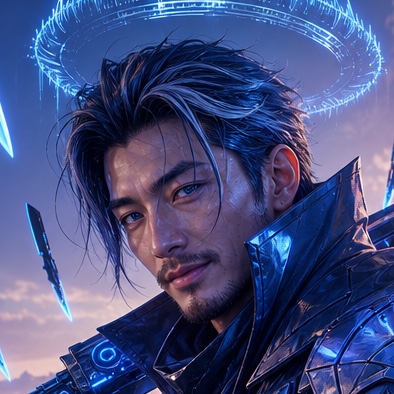
With modern tools, especially AI image generation, turning lyrics into visuals has become more accessible than ever. You can describe a lyric in detail—its mood, environment, and symbolism—and instantly bring it to life.
This doesn’t replace creativity; it amplifies it. It allows artists, musicians, and fans to explore interpretations that were once locked in their imagination.
Why It Matters
Turning lyrics into images:
Enhances storytelling
Creates deeper emotional engagement
Bridges different art forms
Inspires new creative expression
It transforms passive listening into an active, immersive experience.
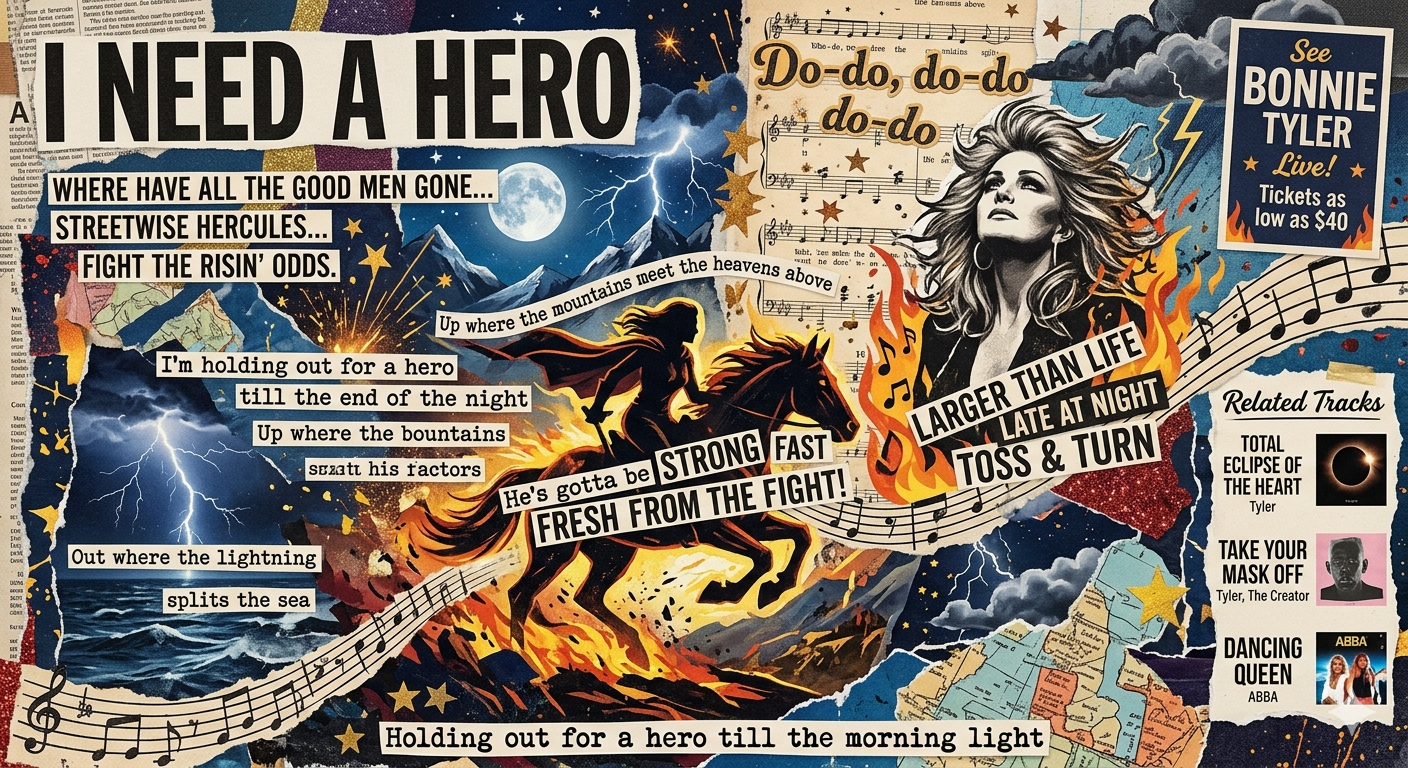
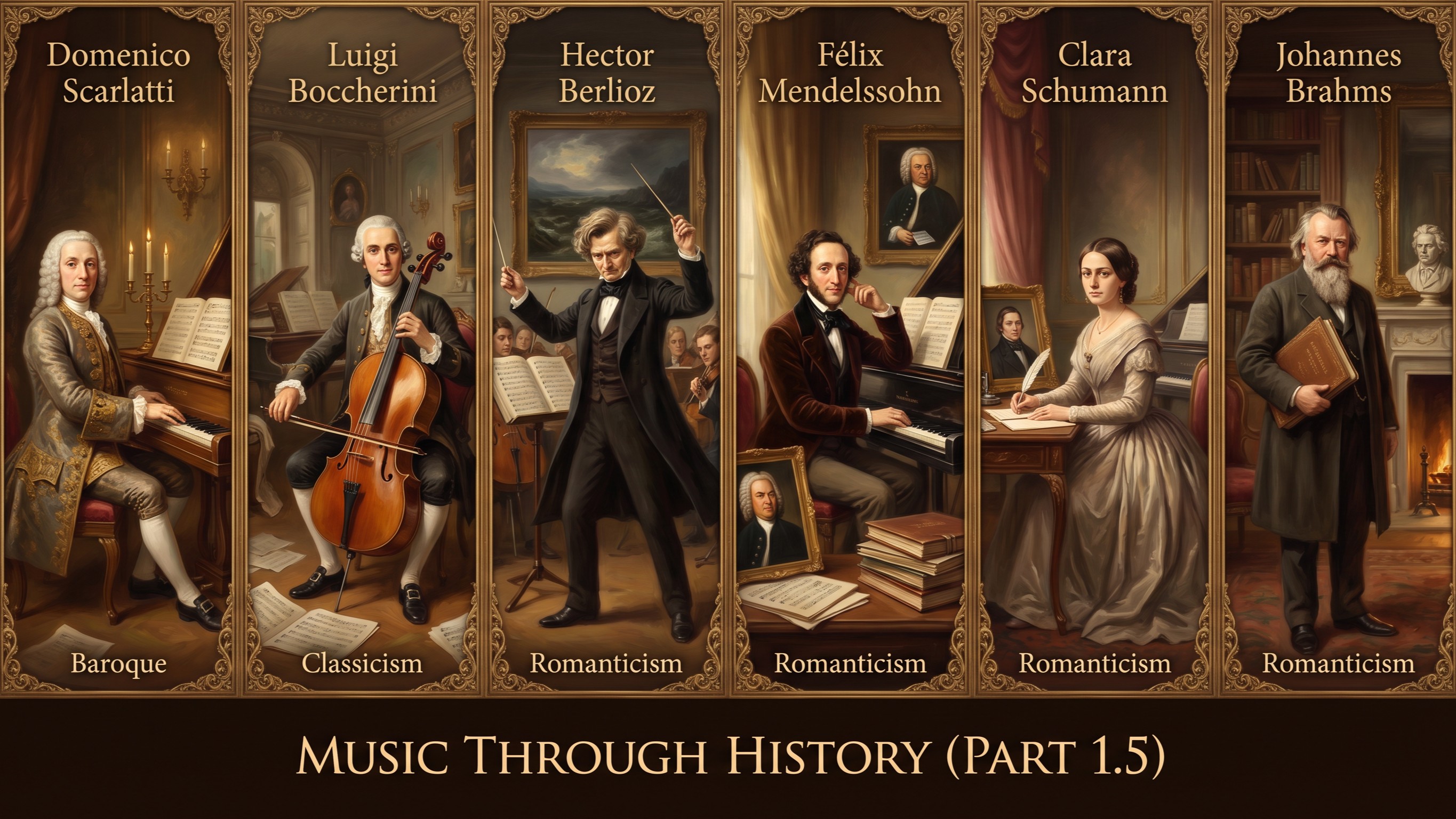
Holding Out for a Hero
Song by Bonnie Tyler
Final Thoughts
Lyrics are more than words—they’re blueprints for worlds waiting to be seen. When you turn them into images, you’re not just illustrating a song—you’re expanding it.
So the next time a lyric sticks with you, ask yourself:
What does this look like?
Topics

 @charlypalermo
 @archangeltara
 @EternaSky
 @southamericanmyth
 @CaylaCatz
Comments (4)
@pocahontas great post, thanks for sharing
Sign in to read all 4 comments and add yours.