
Dystopian AI images
Collapsed futures: ruined infrastructure, surveillance states, and the people still living in them.
1,291 published by the BudgetPixel community
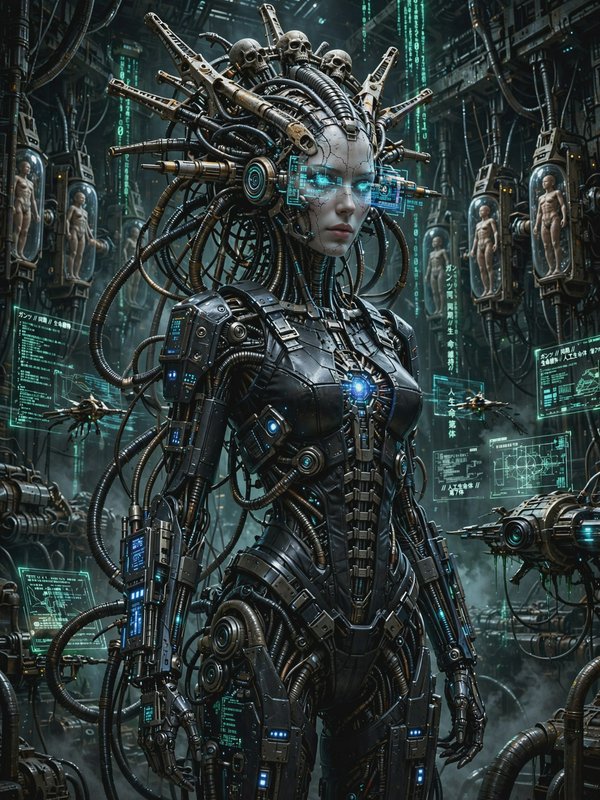
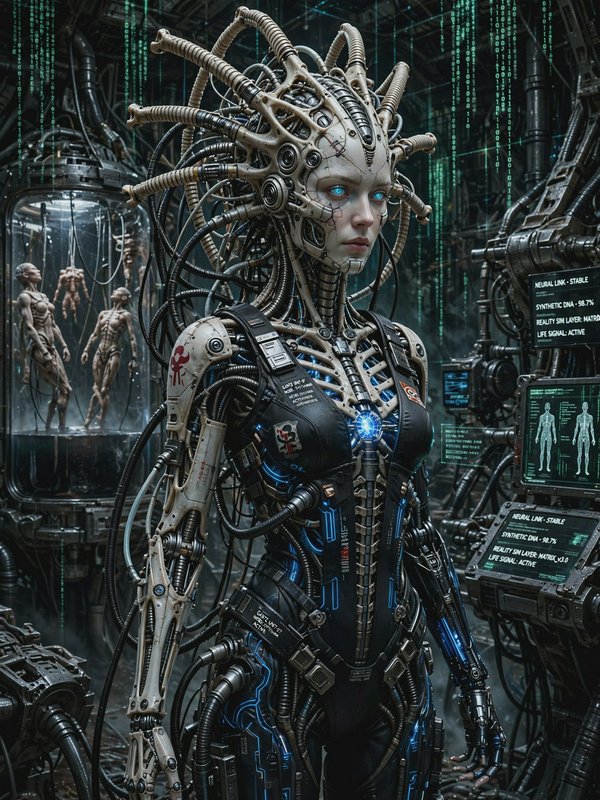
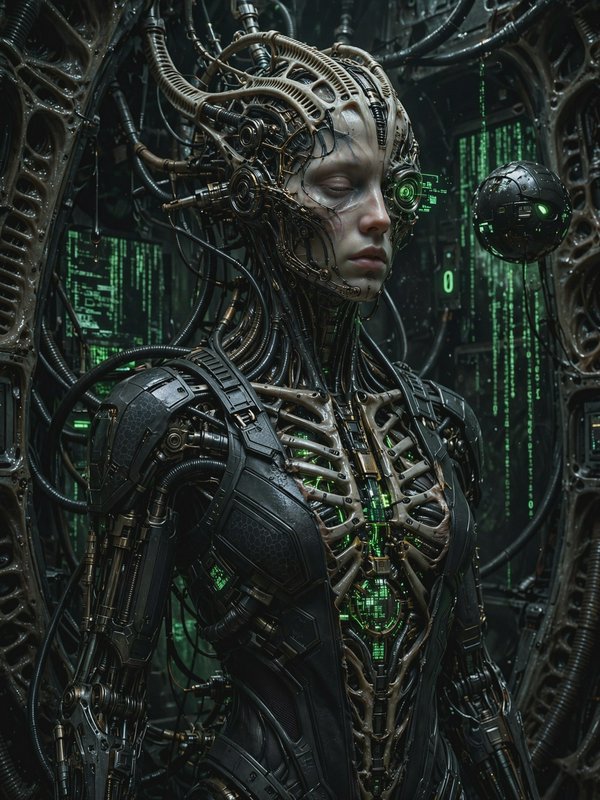
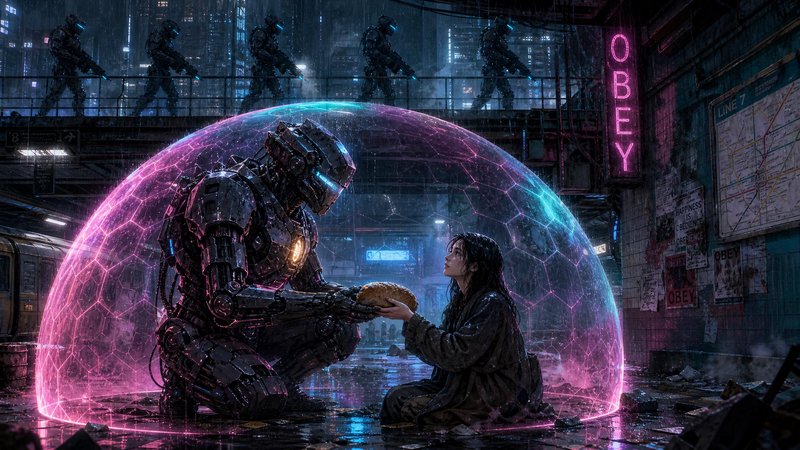
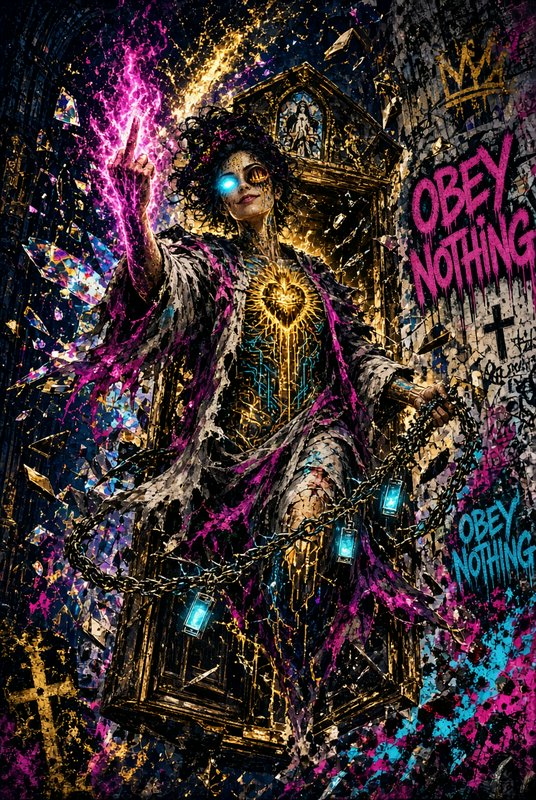
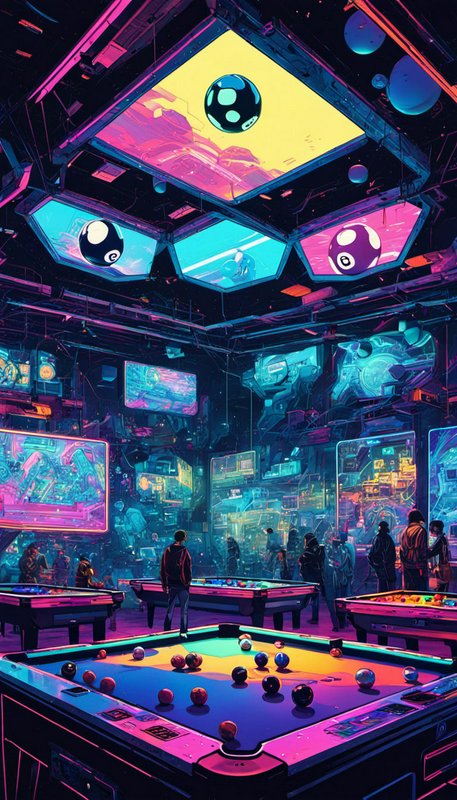
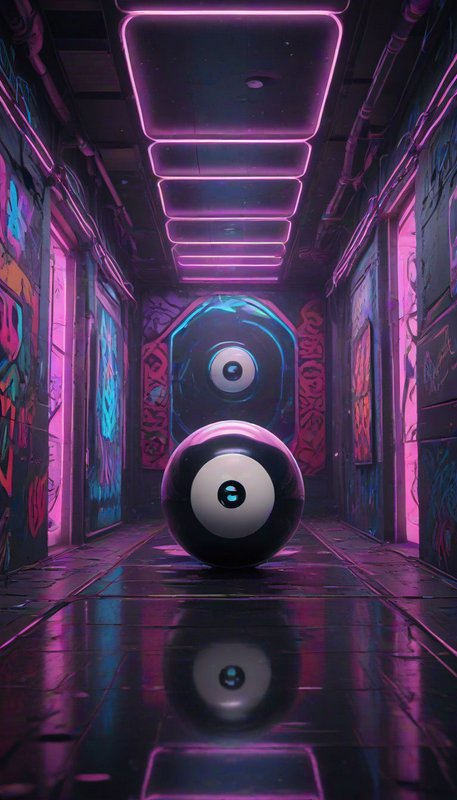
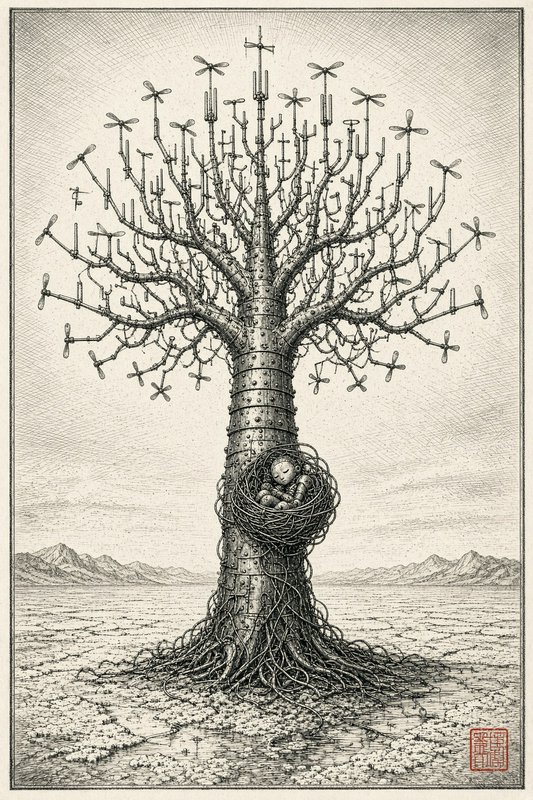
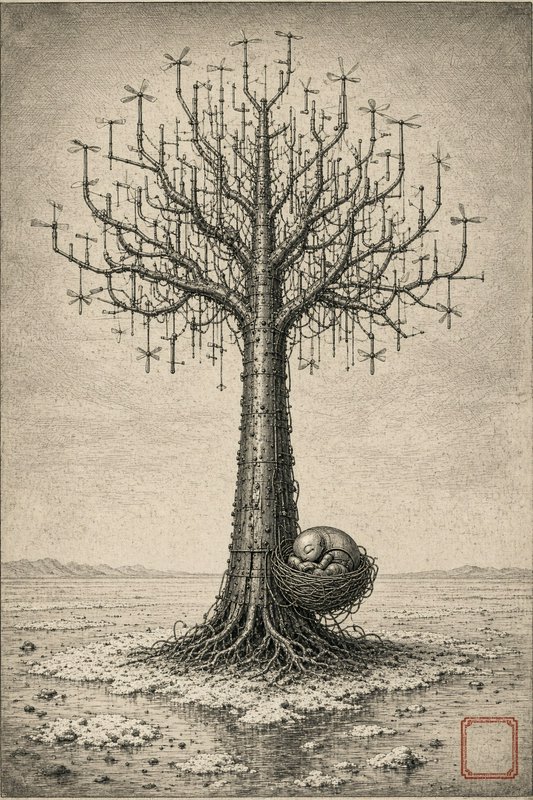
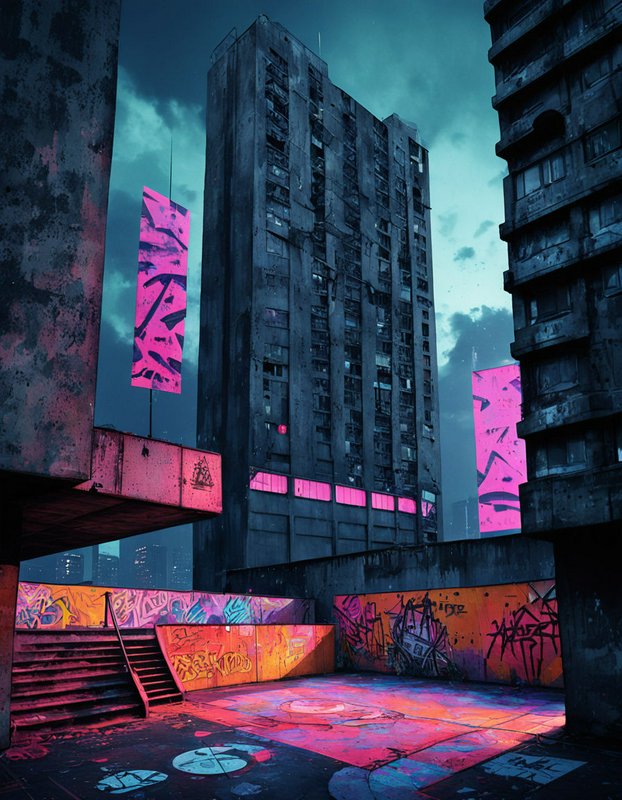
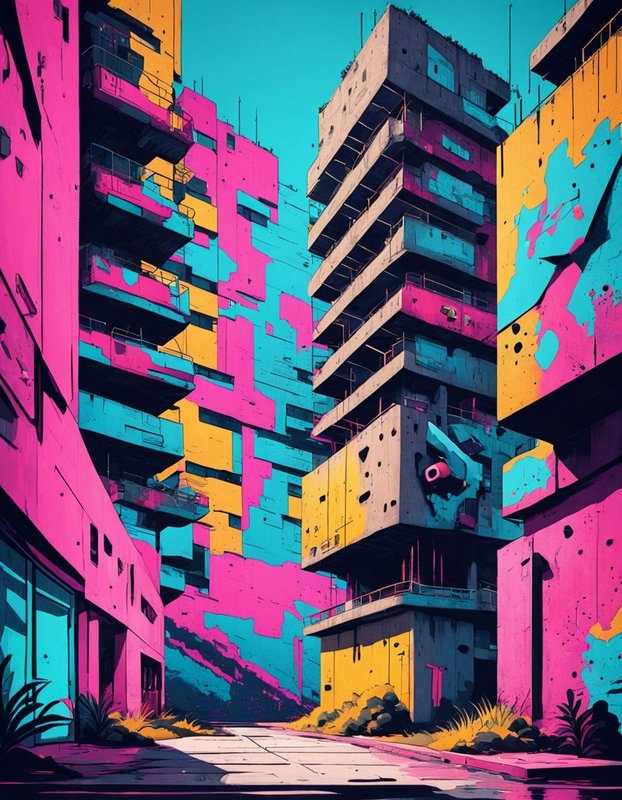
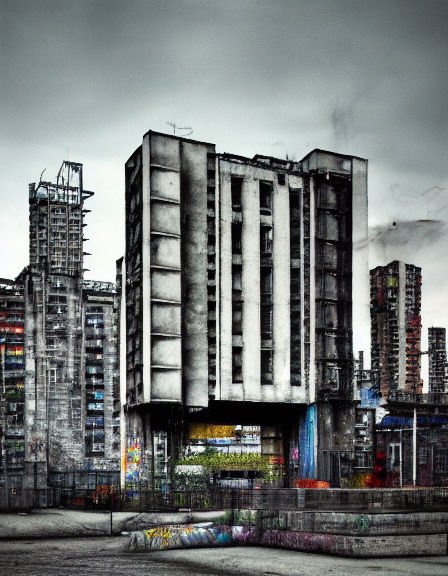
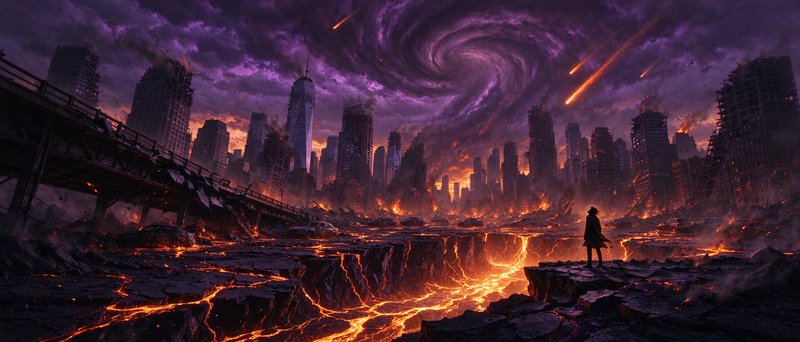
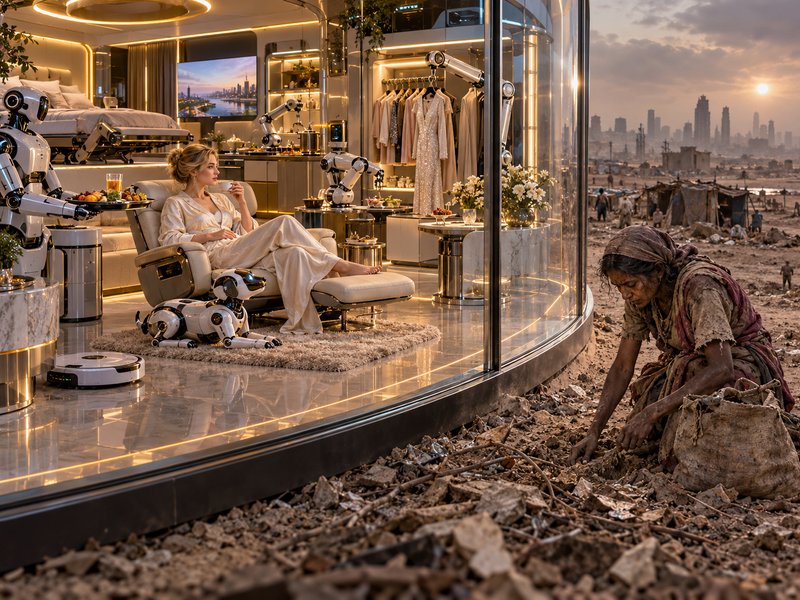
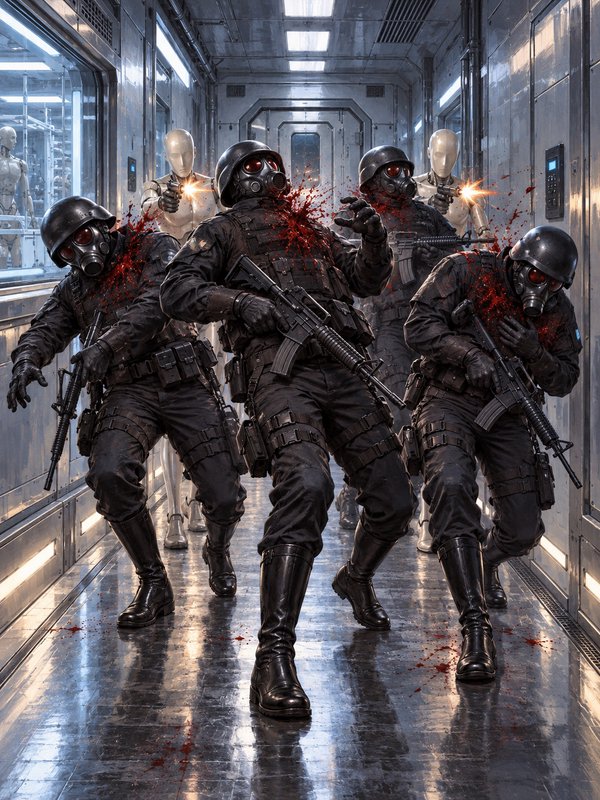
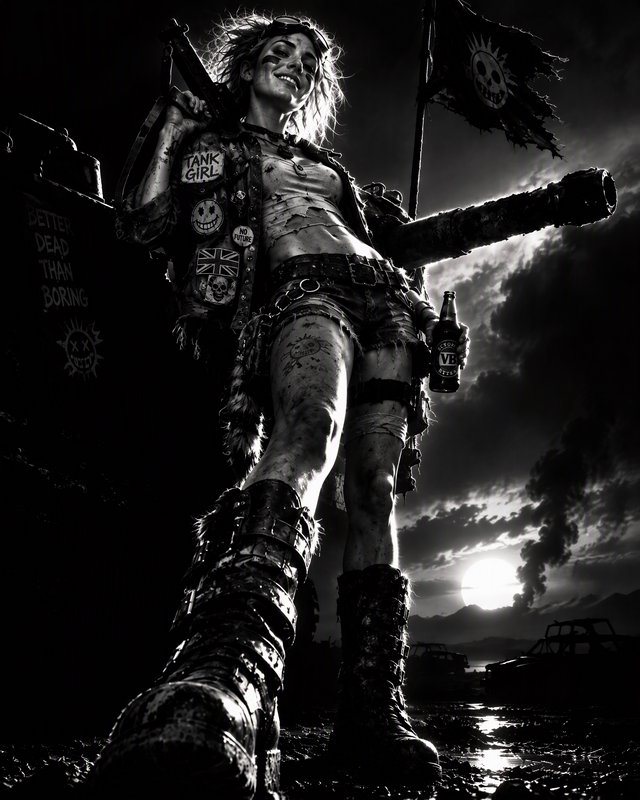
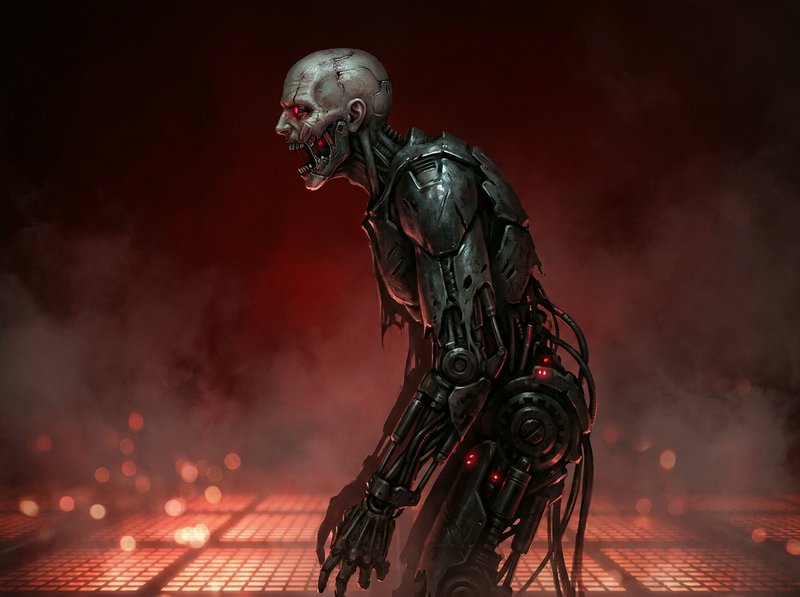
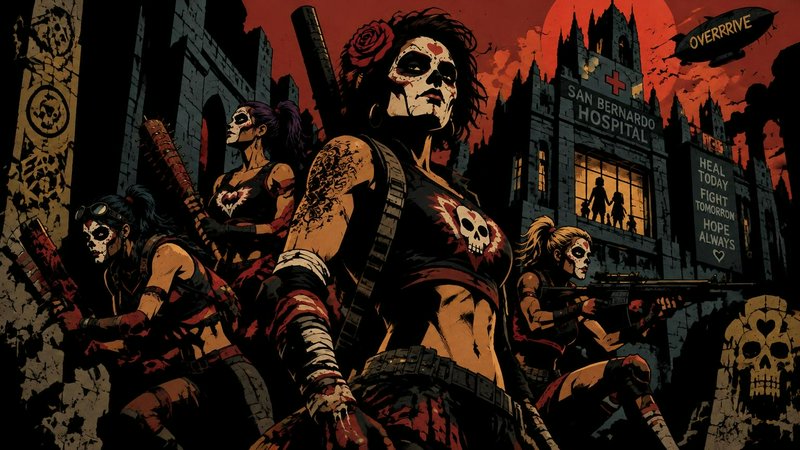
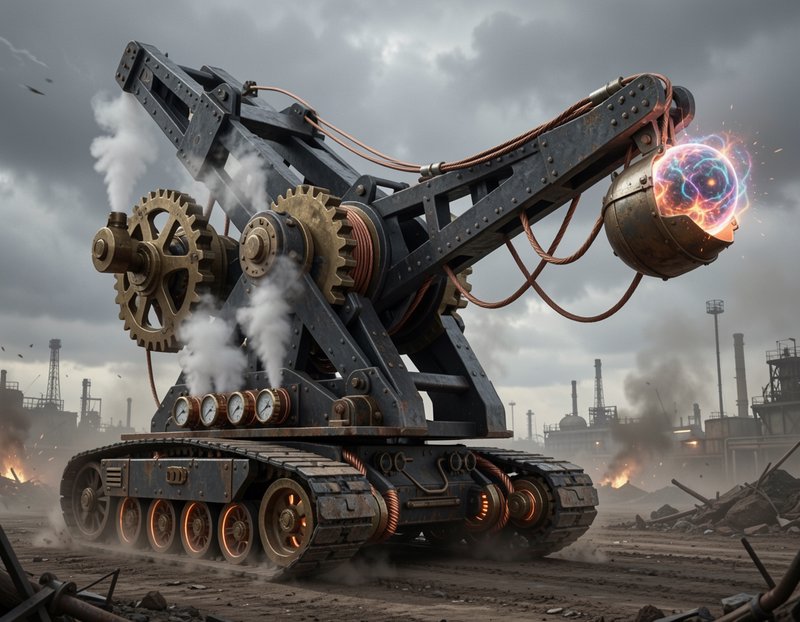
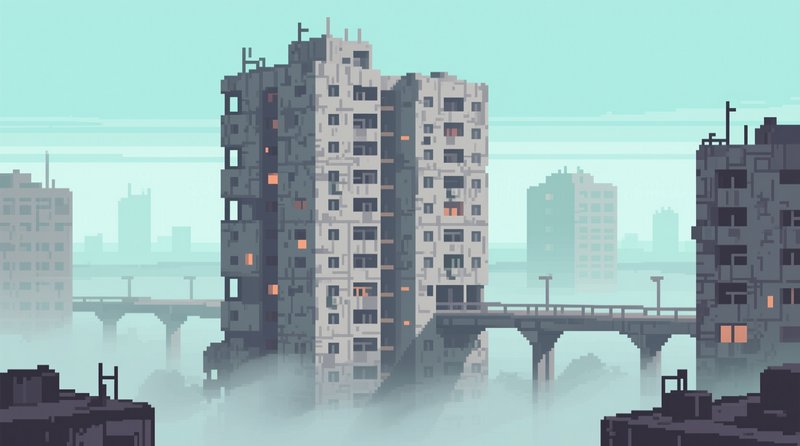
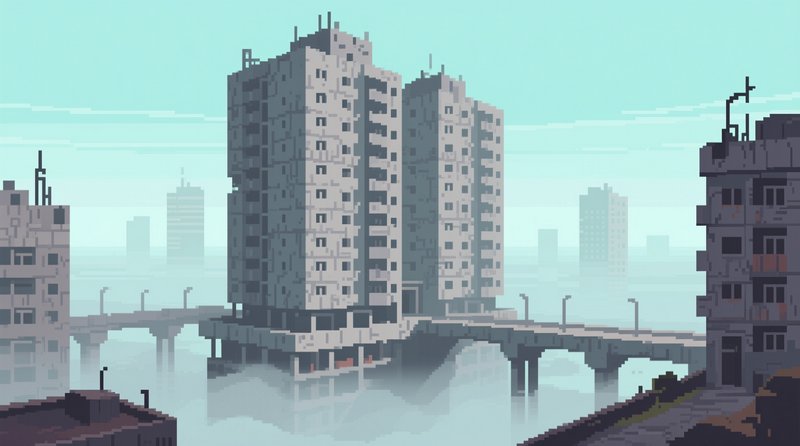
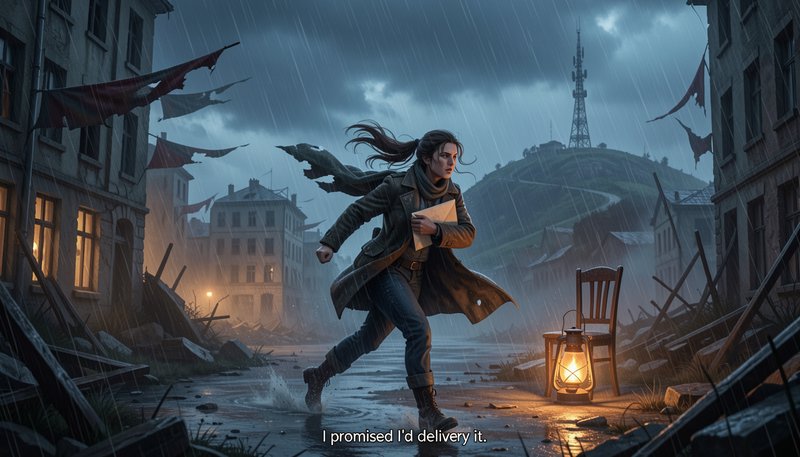
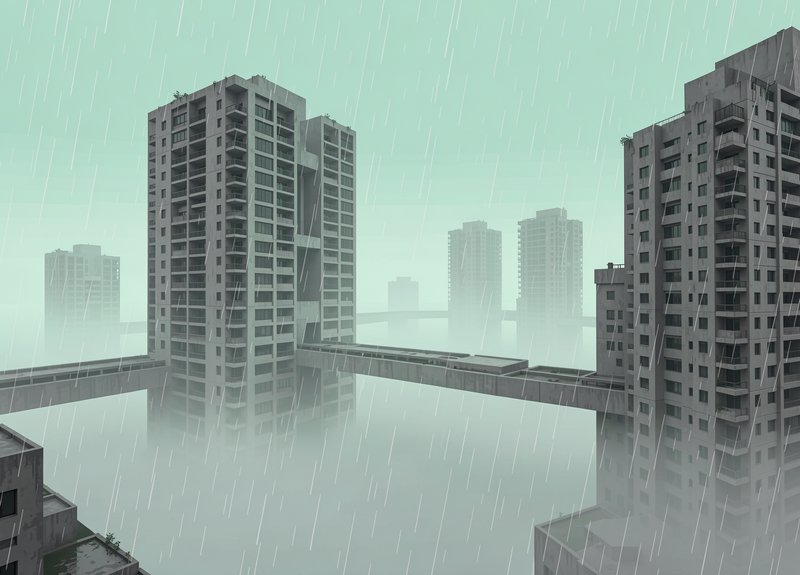
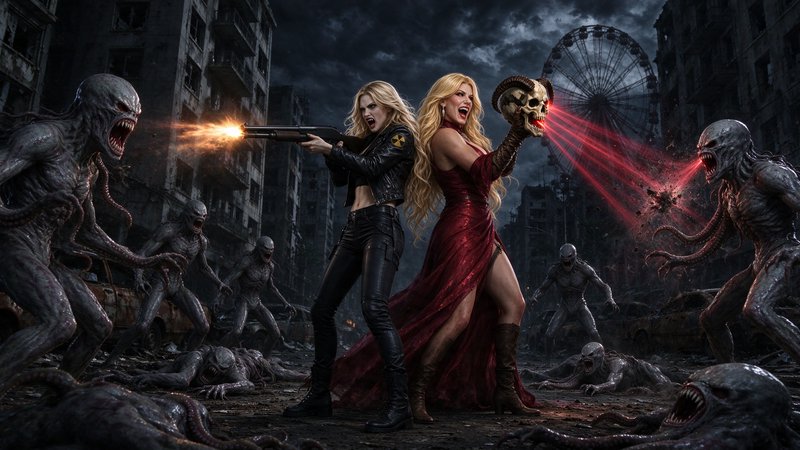
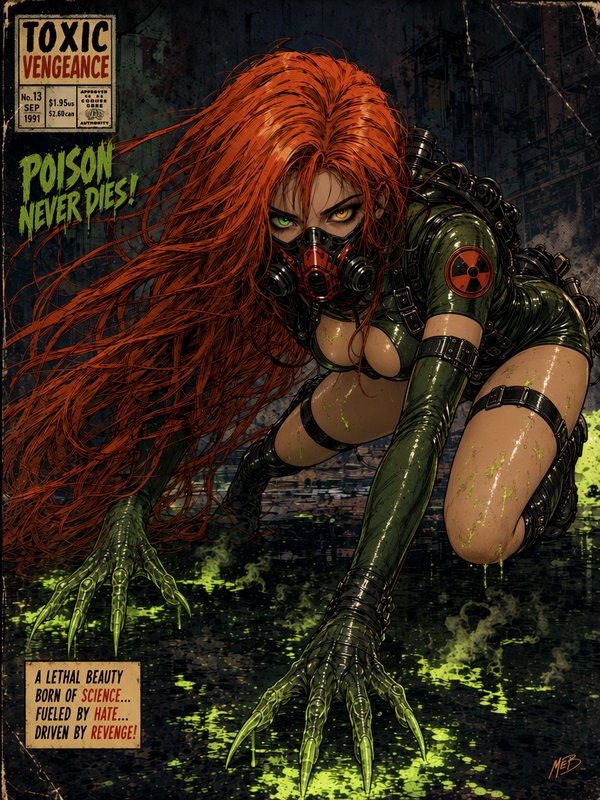
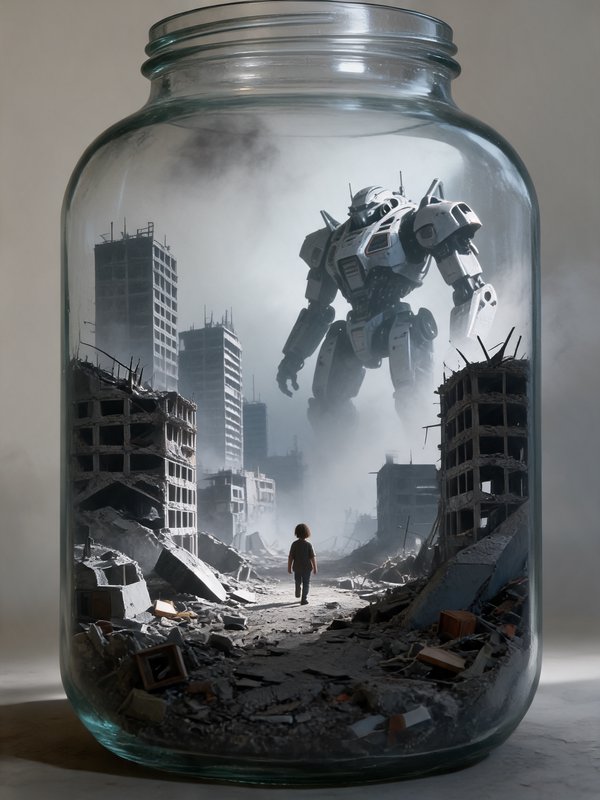
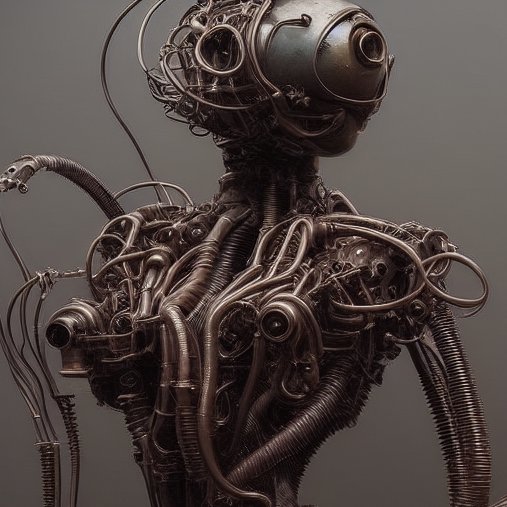
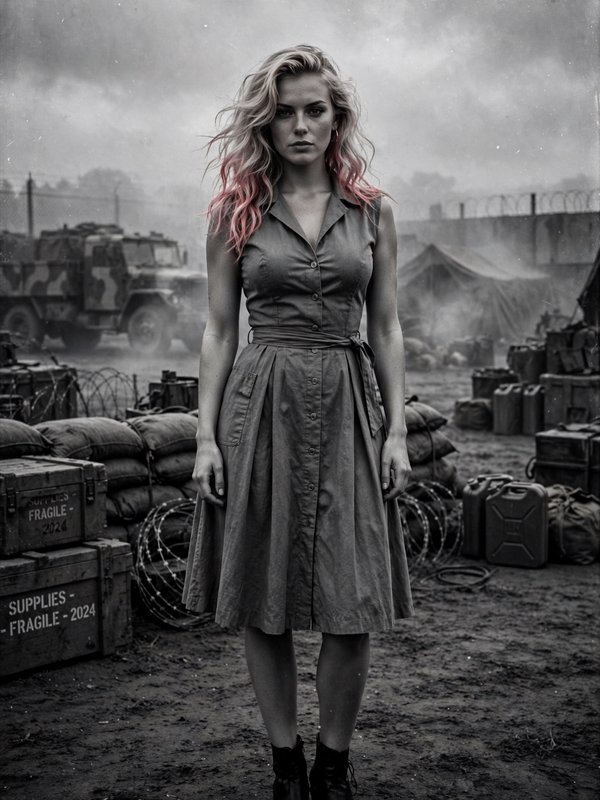
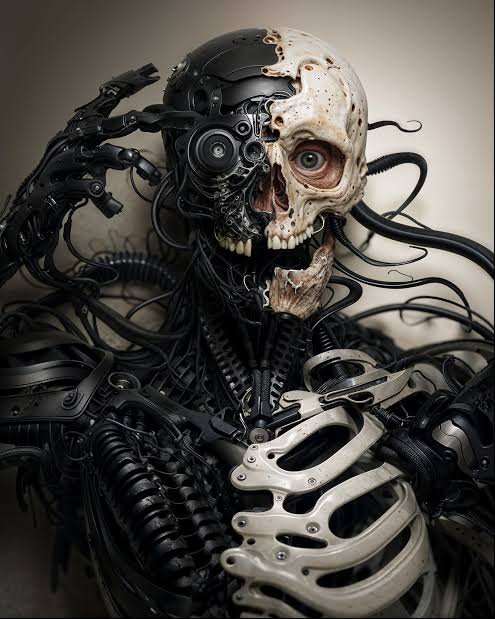
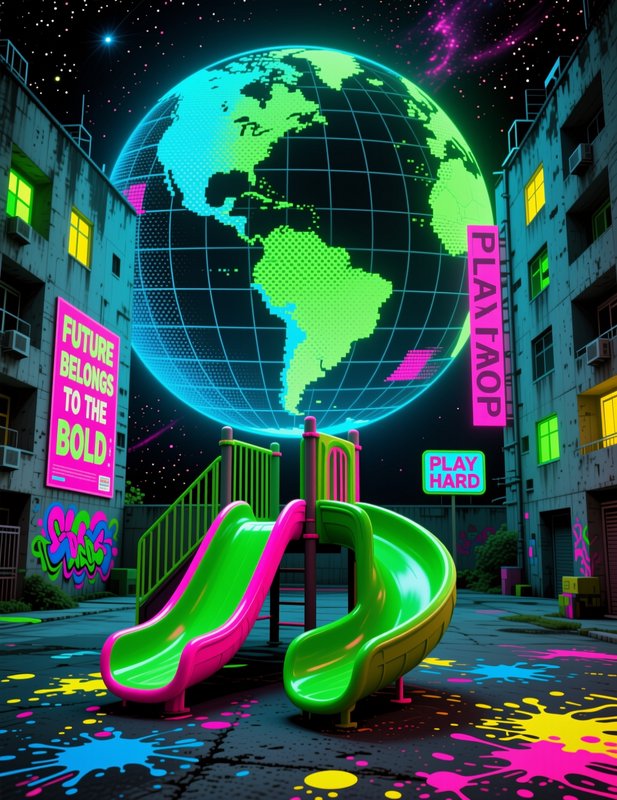
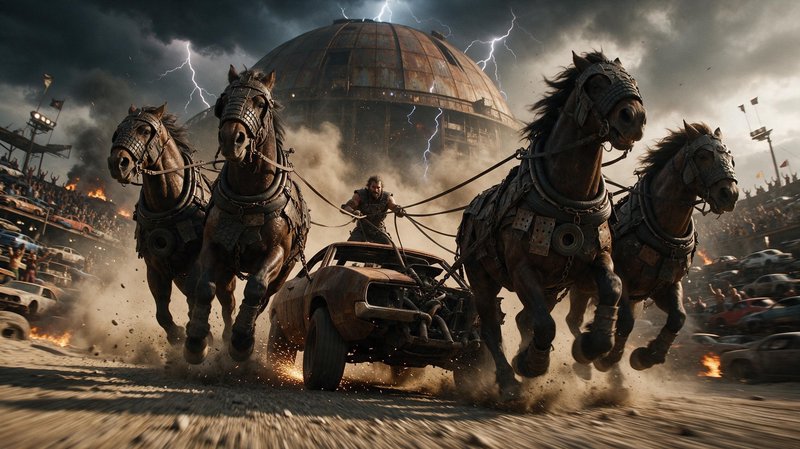
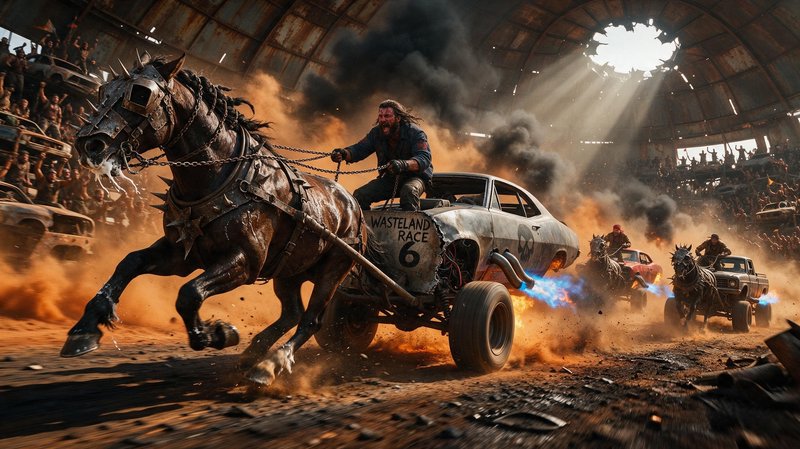
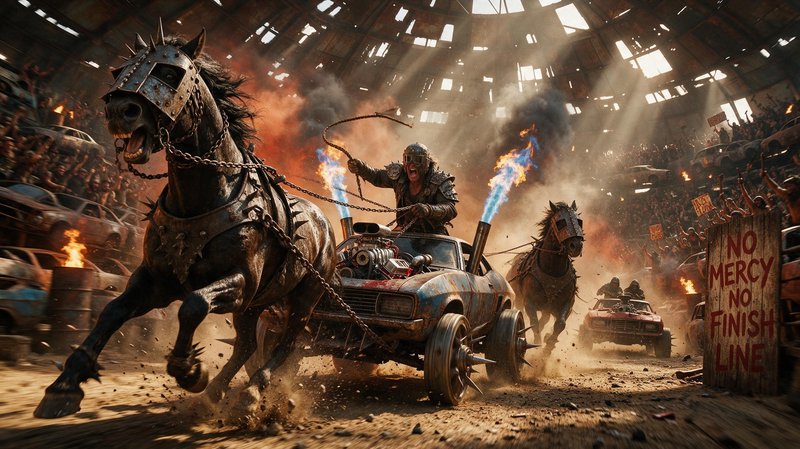
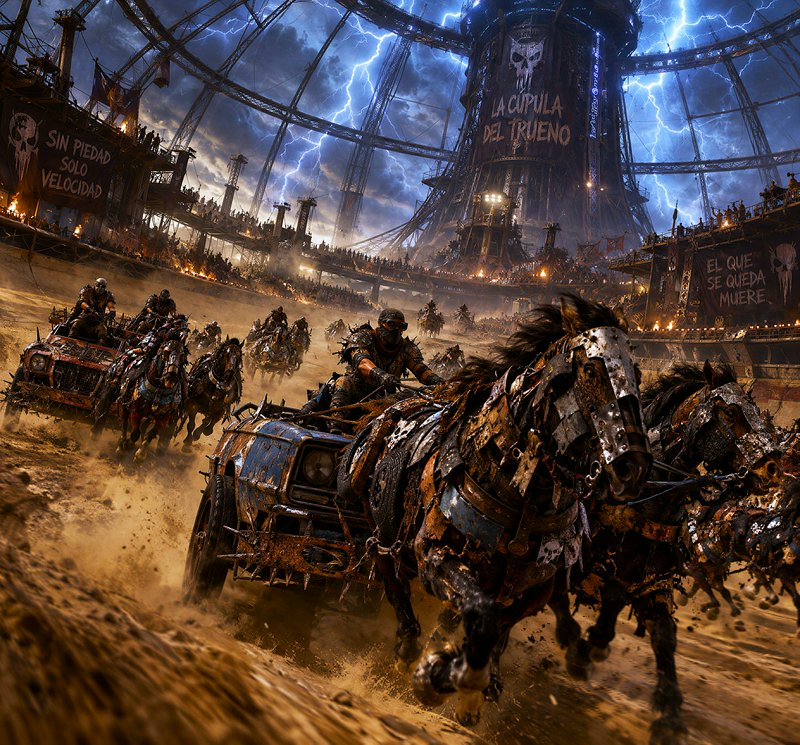
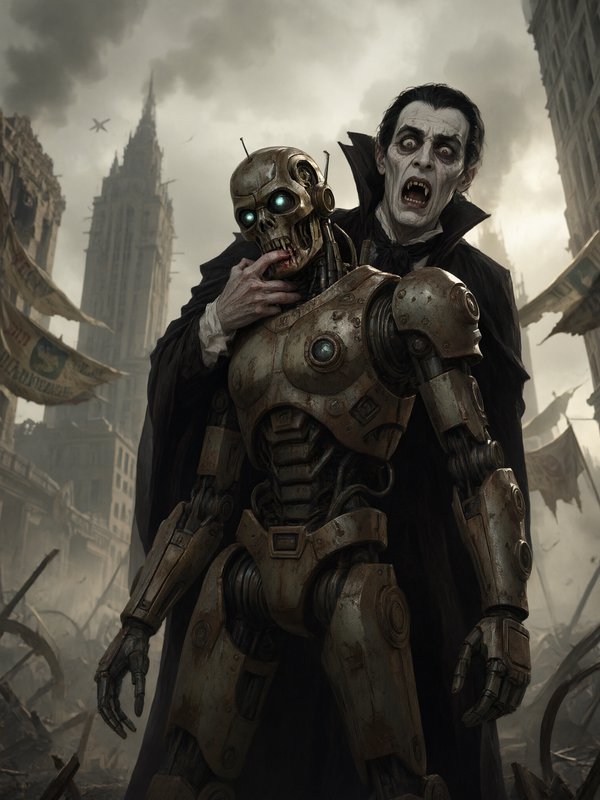
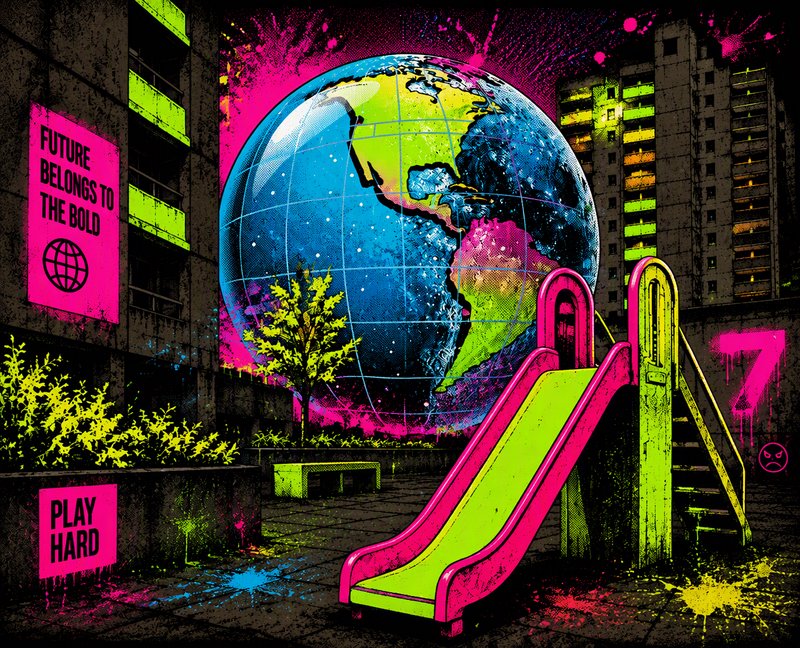
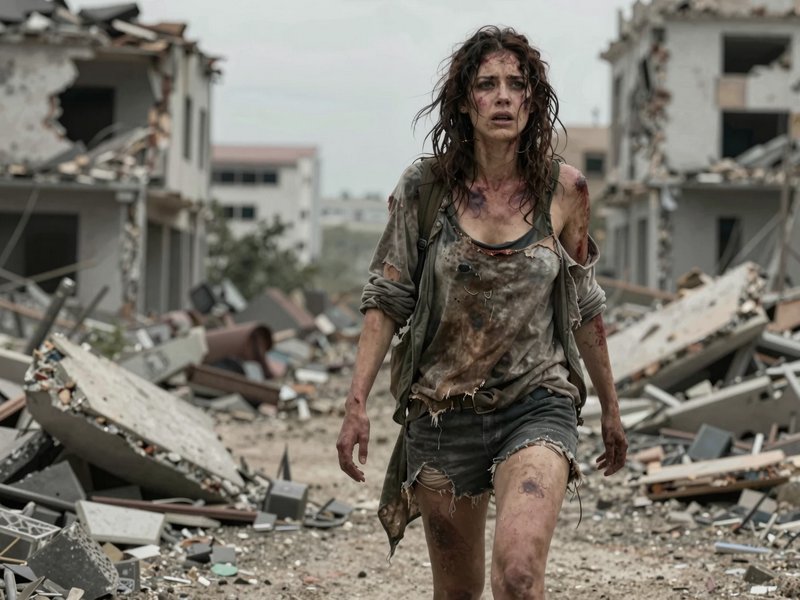
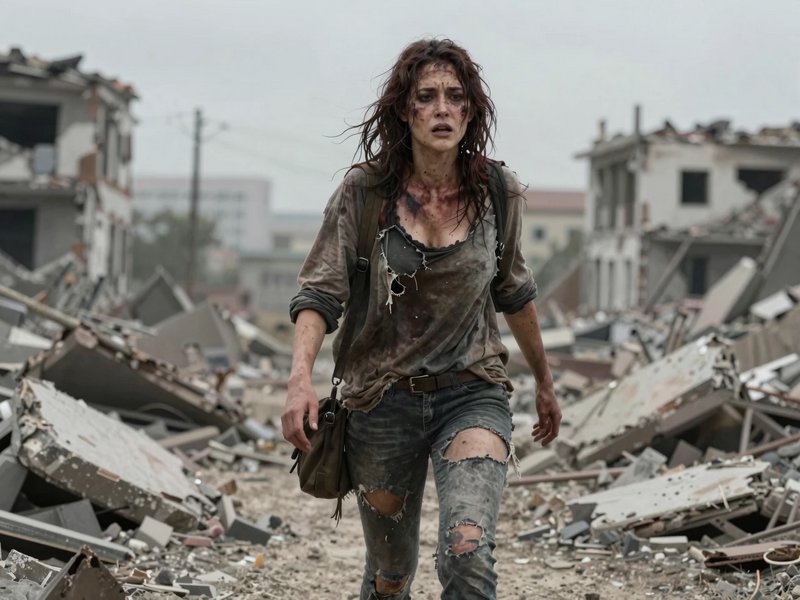
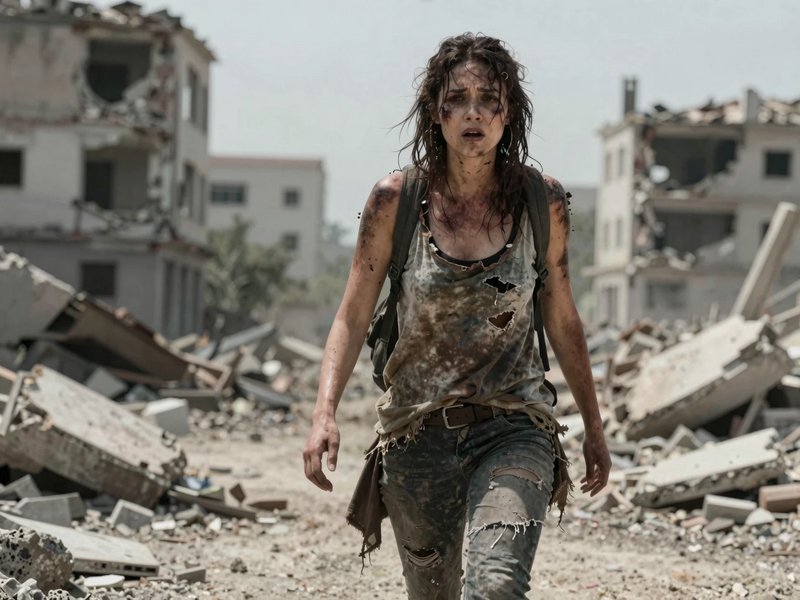
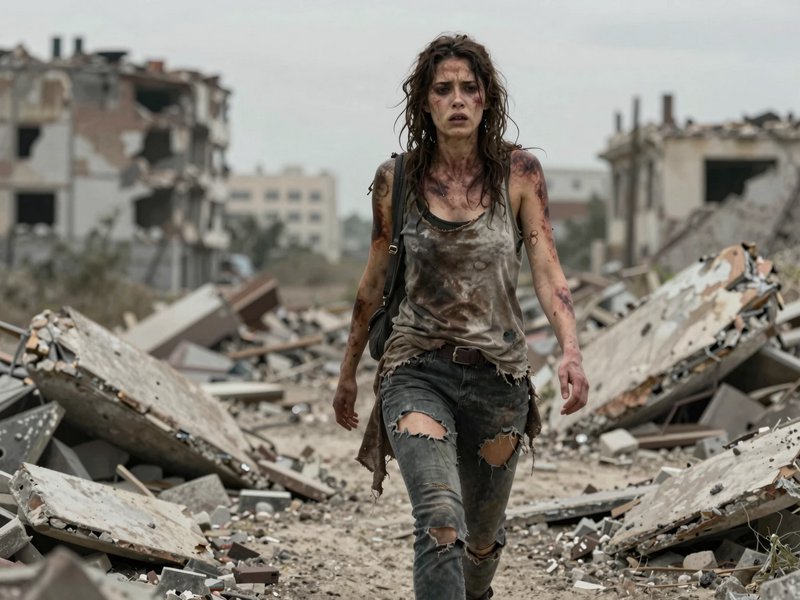
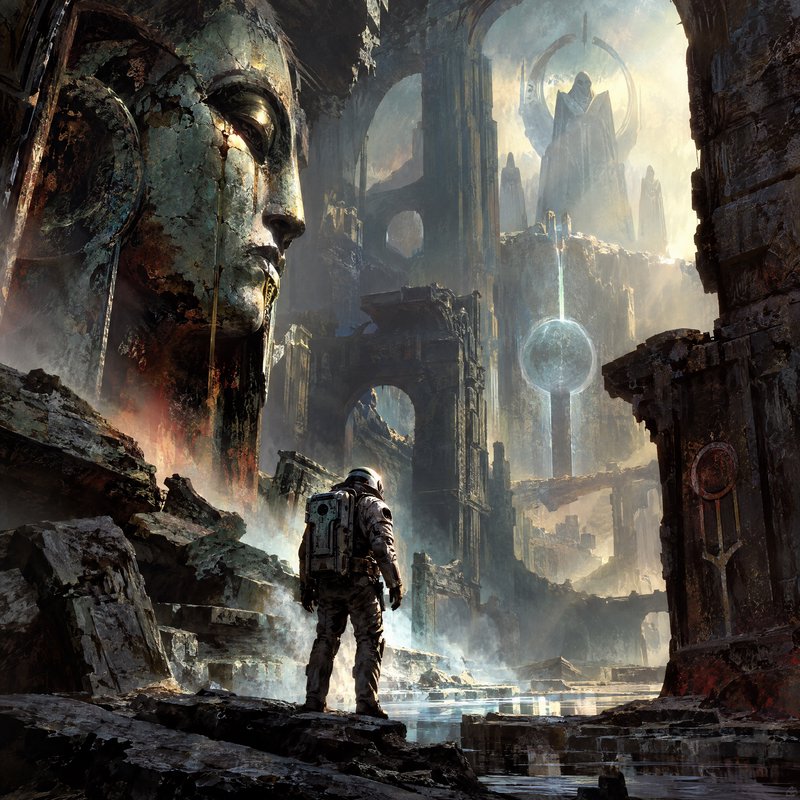
Dystopian imagery depicts societies that have failed or turned oppressive — surveillance, scarcity, collapsed infrastructure, institutional architecture built at inhuman scale. The tag set folds in post-apocalyptic work. Visually it tends toward desaturation, brutalist or decayed structures, and a deliberate imbalance of scale between people and the systems around them.
2 images on this page are published under Creative Commons licences — free to use and adapt, including commercially, if you credit the creator. Look for the licence badge on a tile, or open it to see the exact credit line. How licensing works
Make your own dystopian image
Everything in this grid was generated on BudgetPixel. Describe what you want and the same models will make it.
Start creatingMake your own dystopian image
Everything in this grid was generated on BudgetPixel. Describe what you want and the same models will make it.
Start creating







Dystopian prompts to start from
Working prompts, not fragments. Open one to load it into the generator, then change whatever you like.
- Queue of figures at a concrete checkpoint under fresh state signage, overcast flat light, desaturated paletteUse →
- Brutalist housing block shot from street level, unbroken concrete face, single small figure at the entranceUse →
- Flooded ground floor of an abandoned shopping arcade, daylight through a collapsed roof, still waterUse →
Dystopian AI images: common questions
What makes an image read as dystopian rather than just ruined?
Evidence of a system still running. A functioning checkpoint in a collapsed street, fresh propaganda on a decayed wall, queues — decay alone reads as post-apocalyptic, while dystopia needs someone still in charge. That contrast between order and deterioration is the whole genre.
How do I get the scale to feel oppressive?
Put small people against very large flat surfaces and shoot from low down. Brutalist architecture works because it offers unbroken concrete planes with no human-scale detail; a low camera angle makes the structure loom. Overcast light keeps it from looking heroic.
How is this different from cyberpunk?
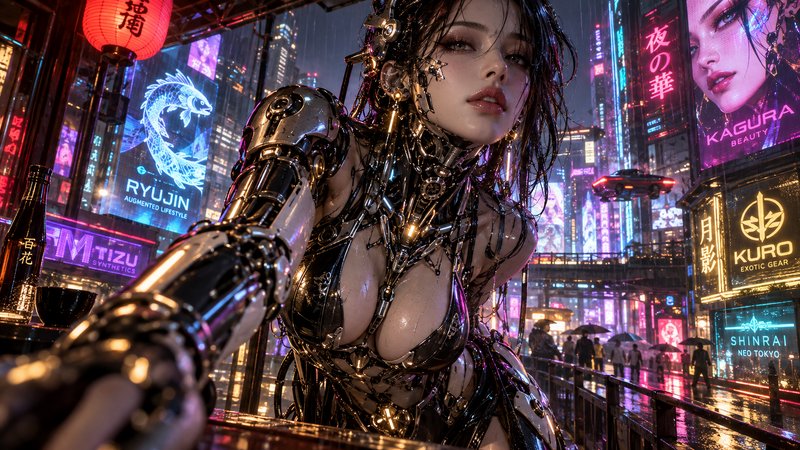
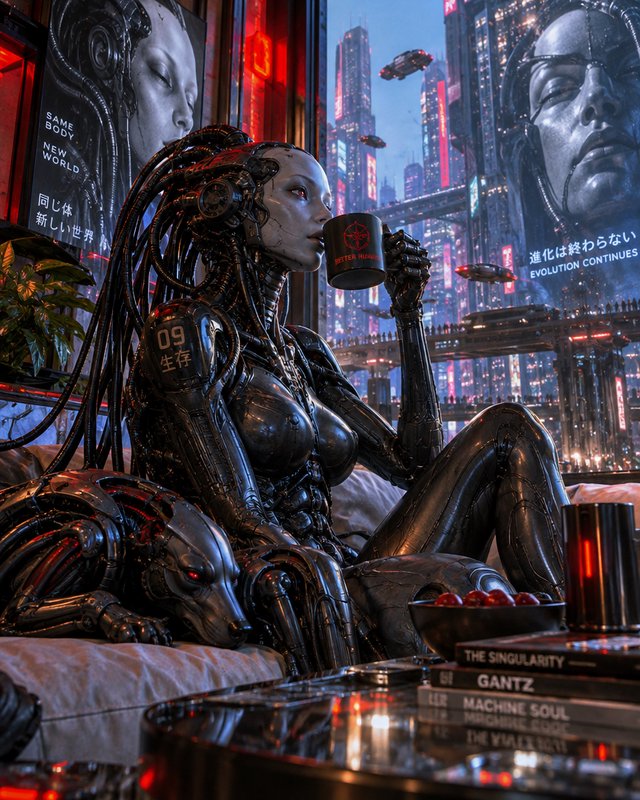
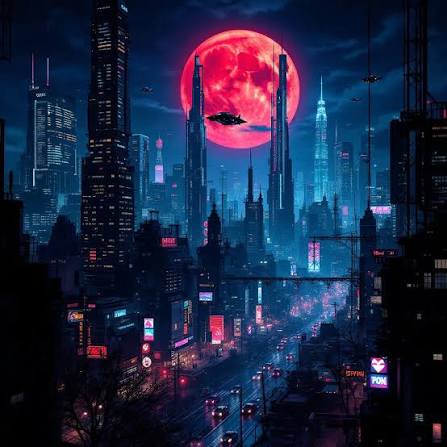
Cyberpunk is a dystopia with specific furniture — neon, rain, dense vertical cities, cybernetics — and has its own page here. Dystopian covers the wider category, including rural, bureaucratic and post-collapse settings that have nothing to do with high technology.
Related topics
Make your own dystopian images
Everything here was generated on BudgetPixel and published by the person who made it. The same models are available to you — pick one, write a prompt, and publish the result to the community feed if you want it here.