
20 Fascinating Facts About American You Probably Didn't Know
 @trevoramateur
Published: August 2026
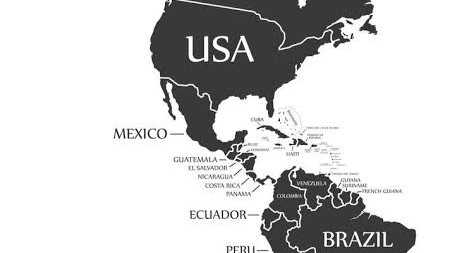
The American continent is one of the most diverse and fascinating regions on Earth. Stretching from the icy Arctic in the north to the windswept landscapes of Patagonia in the south, the Americas are home to breathtaking natural wonders, vibrant cultures, ancient civilizations, and incredible biodiversity.
Comprising North America, Central America, South America, and the Caribbean, the continent includes more than 35 independent countries and hundreds of millions of people speaking dozens of languages. From the world's largest rainforest to the longest mountain range, America is full of astonishing facts waiting to be discovered.
Here are 20 fascinating facts about the American continent that might surprise you.
1. America Is the Second-Largest Continent on Earth
Covering approximately 42.5 million square kilometers (16.4 million square miles), the American continent is the second-largest after Asia. It accounts for nearly 30% of the Earth's total land area, making it one of the planet's most significant geographical regions.
2. The Continent Stretches Across Nearly Every Climate Zone
Few places on Earth offer such incredible climate diversity. The Americas include:
Arctic tundra
Boreal forests
Temperate woodlands
Tropical rainforests
Dry deserts
Alpine mountains
Mediterranean climates
Tropical islands
This remarkable variety supports an extraordinary range of wildlife and ecosystems.
3. The Andes Are the Longest Continental Mountain Range
Running for about 7,000 kilometers (4,350 miles) through seven South American countries, the Andes are the world's longest continental mountain range. They have shaped the history, climate, and cultures of the region for thousands of years.
4. The Amazon Rainforest Is the Largest Tropical Rainforest on Earth
Spanning nine countries, the Amazon Rainforest covers more than 5.5 million square kilometers and contains around 10% of the world's known species. Scientists continue to discover new plants, insects, and animals there every year.
5. The Amazon River Carries More Water Than Any Other River
The Amazon River discharges more freshwater into the oceans than any other river on Earth. During the rainy season, some sections become several kilometers wide, making it one of the most powerful river systems in the world.
6. Angel Falls Is the Tallest Waterfall on Earth
Located in Venezuela, Angel Falls plunges an incredible 979 meters (3,212 feet) from the top of Auyán-tepui, making it the highest uninterrupted waterfall in the world.
7. Canada Has the Longest Coastline in the World
Thanks to its vast mainland and thousands of islands, Canada has over 202,000 kilometers (125,000 miles) of coastline—more than any other country on Earth.
8. Greenland Is the World's Largest Island
Although politically linked to Denmark, Greenland is geographically part of North America. Around 80% of its surface is covered by ice, making it one of the most unique places on the planet.
9. The Panama Canal Connects Two Oceans
Completed in 1914, the Panama Canal links the Atlantic and Pacific Oceans, dramatically reducing travel time for ships and becoming one of the most important engineering achievements in history.
10. The Americas Are Home to Thousands of Indigenous Cultures
Long before European exploration, sophisticated civilizations such as the Maya, Aztec, and Inca flourished across the continent. Today, hundreds of Indigenous peoples continue to preserve their languages, traditions, and cultural heritage.
11. Brazil Is the Largest Country in South America
Brazil covers nearly half of South America's land area and is home to over 210 million people. It also contains the largest share of the Amazon Rainforest.
12. Mexico Has One of the Highest Numbers of UNESCO World Heritage Sites in the Americas
Mexico is internationally recognized for its rich cultural and natural heritage, with dozens of UNESCO World Heritage Sites ranging from ancient ruins to colonial cities and natural reserves.
13. The Atacama Desert Is One of the Driest Places on Earth
Located mainly in northern Chile, parts of the Atacama Desert have gone years without measurable rainfall. Its dry conditions resemble those found on Mars, making it a valuable location for scientific research.
14. Lake Titicaca Is the World's Highest Navigable Lake
Situated between Peru and Bolivia at an altitude of about 3,812 meters (12,507 feet), Lake Titicaca is famous for its floating islands and unique Indigenous communities.
15. Patagonia Is One of the Most Spectacular Wilderness Regions
Shared by Argentina and Chile, Patagonia is known for glaciers, towering mountains, turquoise lakes, and incredible wildlife, making it one of the world's top destinations for outdoor adventure.
16. The Great Lakes Hold About 20% of the World's Surface Fresh Water
The Great Lakes—Superior, Michigan, Huron, Erie, and Ontario—form the largest group of freshwater lakes on Earth by total area and provide drinking water for millions of people.
17. America Is One of the Most Biodiverse Regions on the Planet
From tropical rainforests and coral reefs to Arctic tundra and cloud forests, the Americas support millions of species, including jaguars, condors, bison, polar bears, sloths, llamas, hummingbirds, and countless marine animals.
18. The Caribbean Contains Thousands of Islands
The Caribbean is made up of more than 7,000 islands, islets, reefs, and cays, each offering unique ecosystems, cultures, and histories.
19. The Americas Span More Than 14,000 Kilometers
From northern Canada to the southern tip of Chile and Argentina, the continent stretches over 14,000 kilometers (8,700 miles), making it one of the longest continuous landmasses in the world.
20. The American Continent Is Home to More Than One Billion People
The Americas have a combined population exceeding one billion people, representing hundreds of ethnic groups, cultures, religions, and languages. This incredible diversity has shaped one of the world's richest cultural landscapes.
Conclusion
The American continent is a land of extraordinary contrasts. From frozen Arctic landscapes to lush tropical jungles, towering mountain ranges to vast deserts, and ancient civilizations to modern megacities, the Americas offer endless opportunities for exploration and discovery.
Whether you're fascinated by geography, history, wildlife, or culture, these 20 facts reveal just how remarkable the American continent truly is.
Topics
Writing one? Publish your story on the BudgetPixel blog.






 @unknownperson04

 @JustAsh

 @archangeltara



 @paulie