
Seedream 4.5 vs Z-Image Turbo: Which One Should You Use (and When)?
 @Cheinia
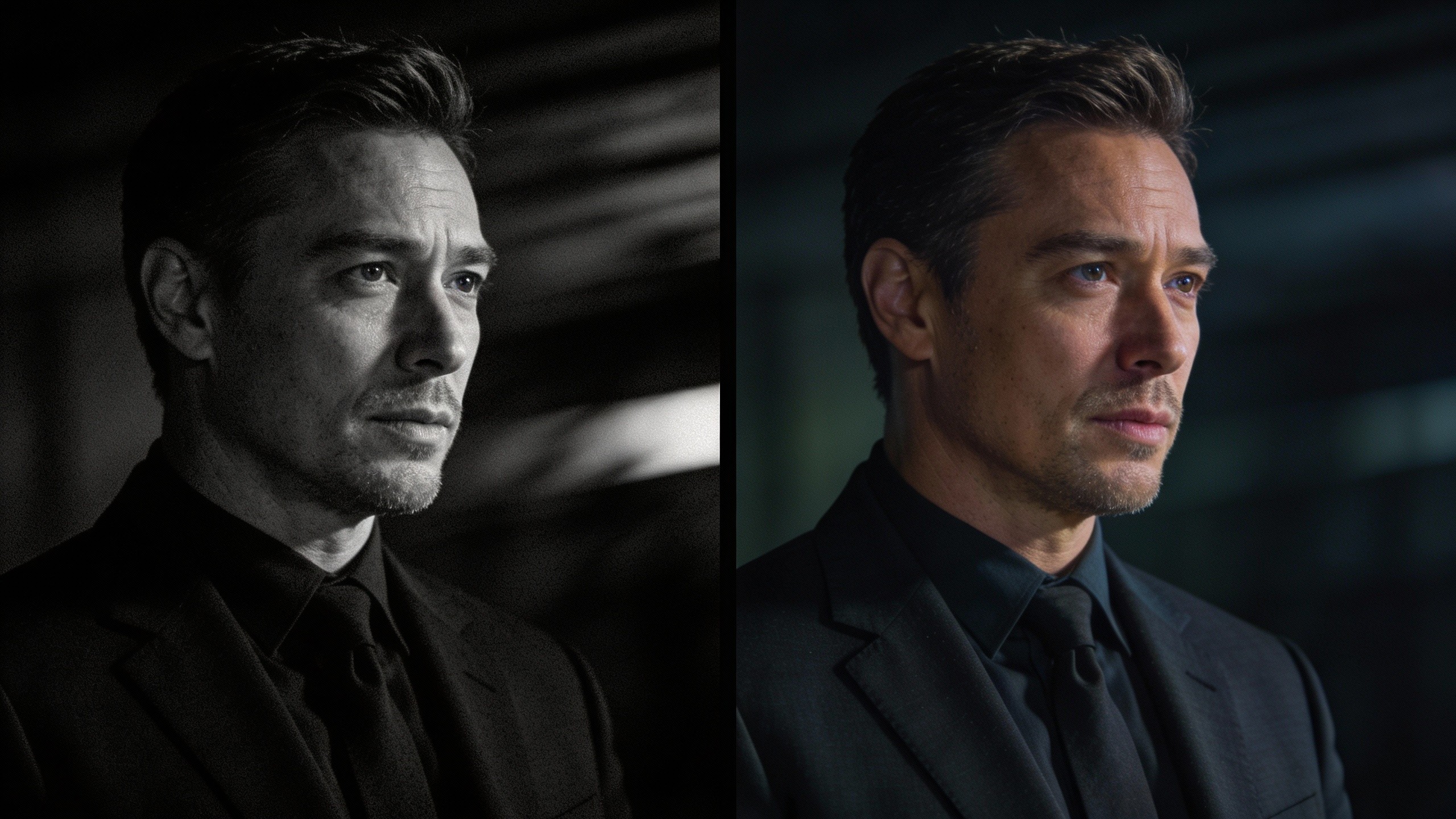
If you’ve spent time generating images recently, you’ve probably noticed something:
Most comparisons focus on quality, but real creators care about fit.
On BudgetPixel.com, two models often come up in the same conversation: Seedream 4.5 and Z-Image Turbo. They’re both powerful, but they behave very differently — and choosing the wrong one for a task can slow you down fast.
This isn’t a “winner vs loser” comparison.
It’s about intent.
Two Models, Two Philosophies
At a high level, the difference is simple:
Seedream 4.5 prioritizes cinematic quality, atmosphere, and refinement
Z-Image Turbo prioritizes speed, responsiveness, and iteration
Both are strong. They just answer different creative questions.
Seedream 4.5: When the Image Needs to Feel Finished
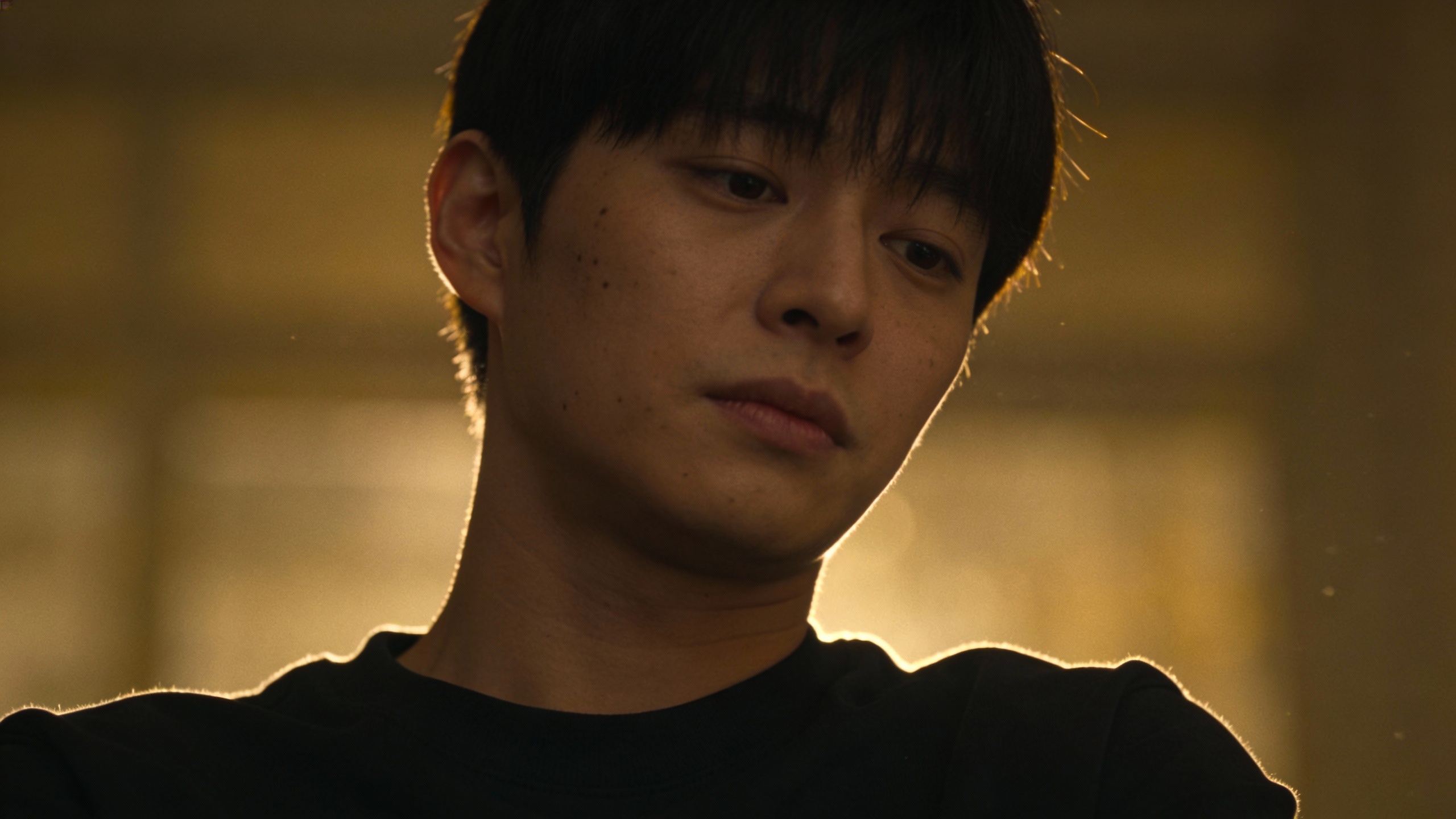
Seedream 4.5 shines when the image needs to hold attention.
This is the model you reach for when:
lighting and mood matter
the image will be looked at, not just scrolled past
you care about subtle atmosphere
the output needs to feel “designed,” not accidental
Seedream tends to reward intentional prompts. When you specify framing, lighting direction, and restraint in emotion, it produces images that feel closer to film stills than raw generations.
Where it excels:
cinematic portraits
fantasy and storytelling images
marketing visuals where mood matters
hero images and thumbnails
The tradeoff?
It’s not the fastest model to iterate with. Seedream 4.5 expects you to think before you generate — and rewards you when you do.
Z-Image Turbo: When Speed and Iteration Matter Most
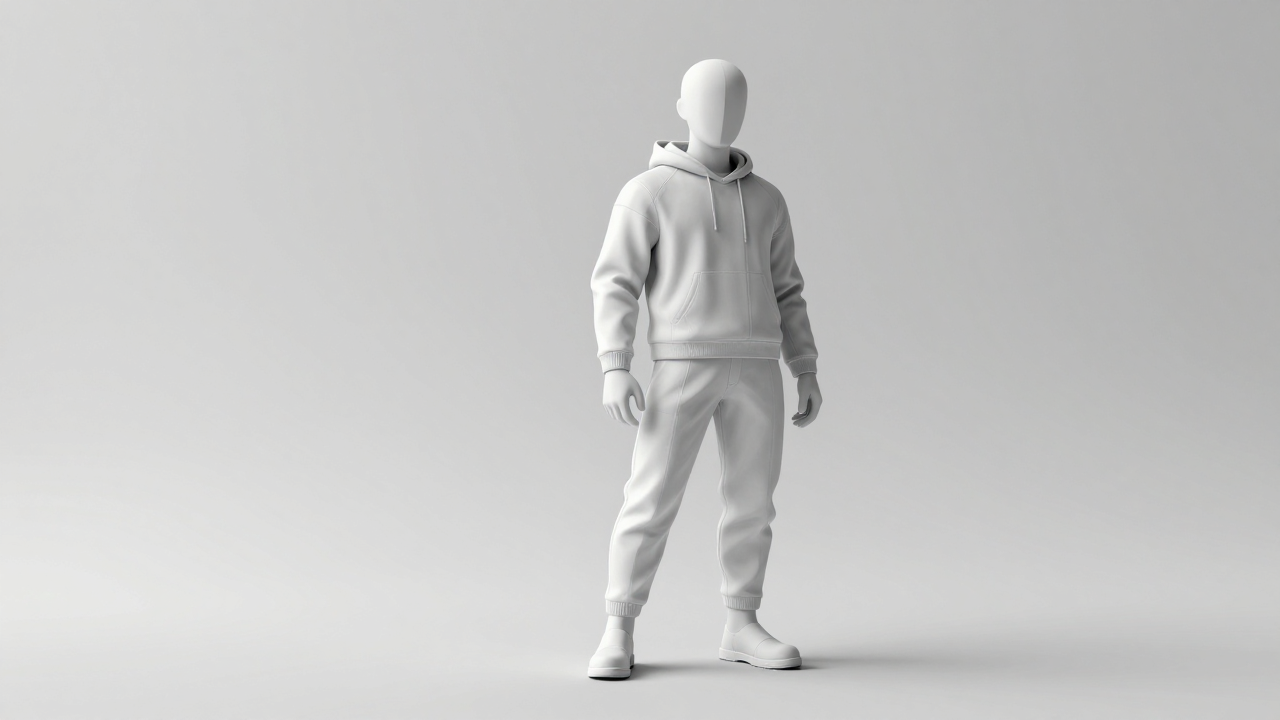
Z-Image Turbo answers a different question:
“How fast can I see ideas?”
This model is built for momentum. It’s ideal when you’re:
exploring concepts
testing prompt structures
generating many variations
working under time pressure
Z-Image Turbo is forgiving. You can throw rough prompts at it and still get usable results. That makes it perfect for early-stage ideation or situations where volume matters more than polish.
Where it excels:
concept exploration
prompt testing
layout and composition experiments
fast social content drafts
The tradeoff?
Results may need refinement. Z-Image Turbo gets you there fast, but not always there finished.
Prompting Feels Different — And That’s Important
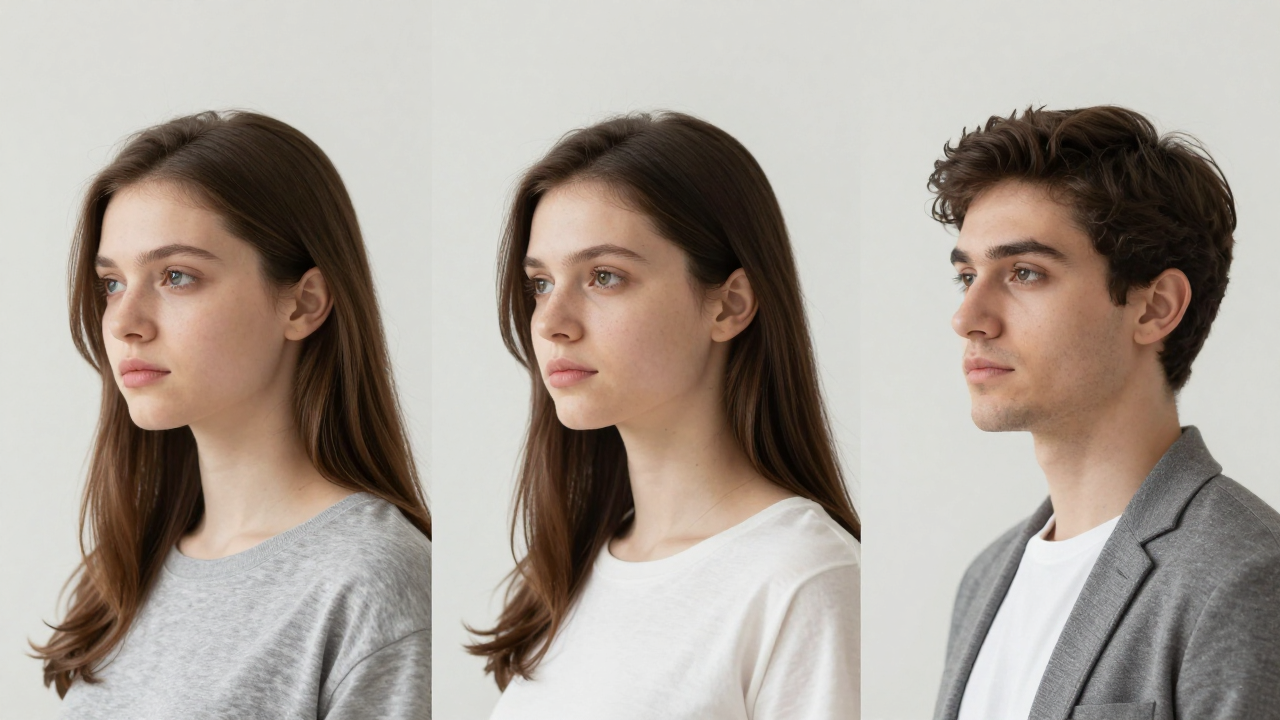
One mistake people make is using the same prompt style for both models.
That usually leads to disappointment.
With Seedream 4.5, prompts work best when they:
define camera and framing clearly
specify lighting behavior
avoid emotional exaggeration
reduce ambiguity
With Z-Image Turbo, prompts work best when they:
focus on subject and layout
stay flexible
allow exploration
prioritize speed over precision
Same words. Different expectations.
The Smart Way to Use Both on BudgetPixel
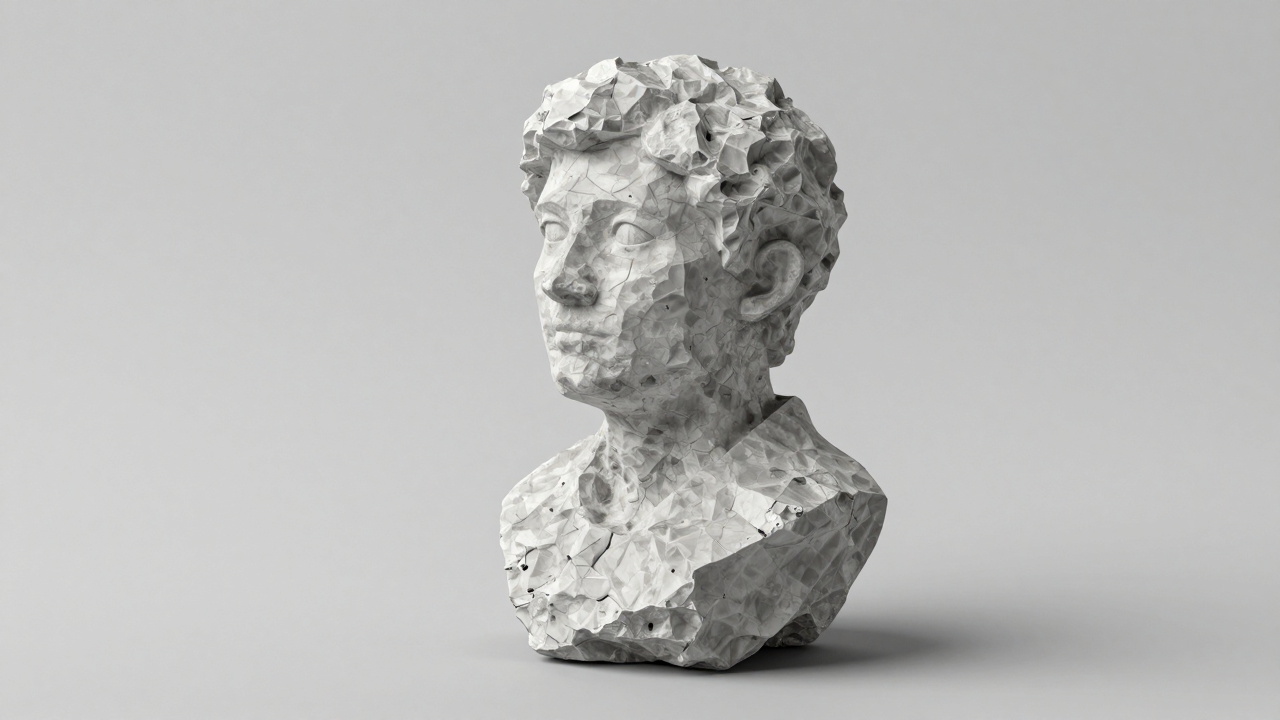
Z-Image-Turbo:
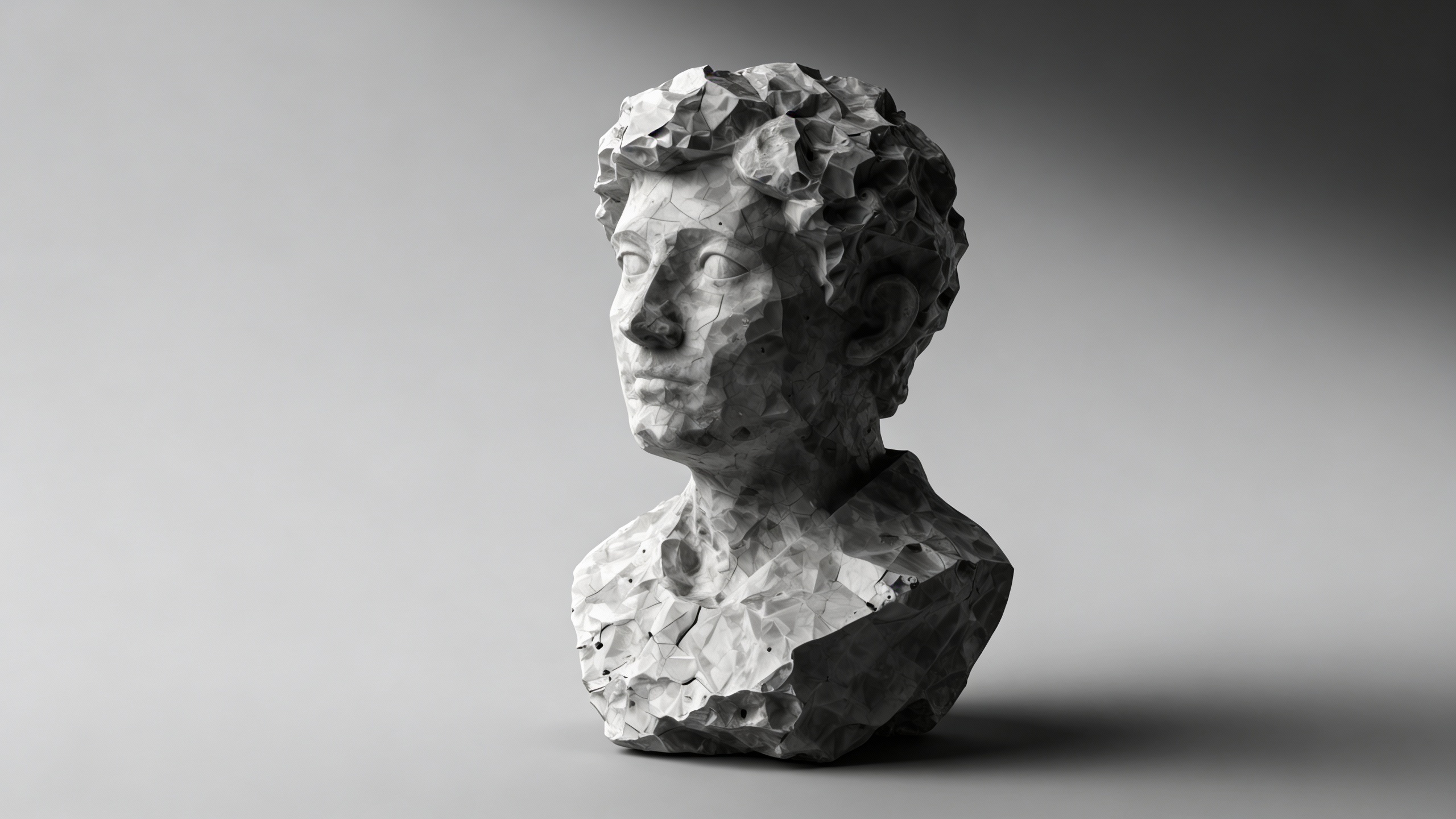
Seedream 4.5:
The most effective creators don’t pick one model and stick to it.
They chain them.
A common workflow on BudgetPixel looks like this:
Start with Z-Image Turbo to explore ideas quickly
Identify a direction that works
Switch to Seedream 4.5 to refine and polish
Use selective editing to protect what works
This approach saves time and improves quality.
Instead of forcing one model to do everything, each model does what it’s best at.
Which Model Is Better for Marketing Images?
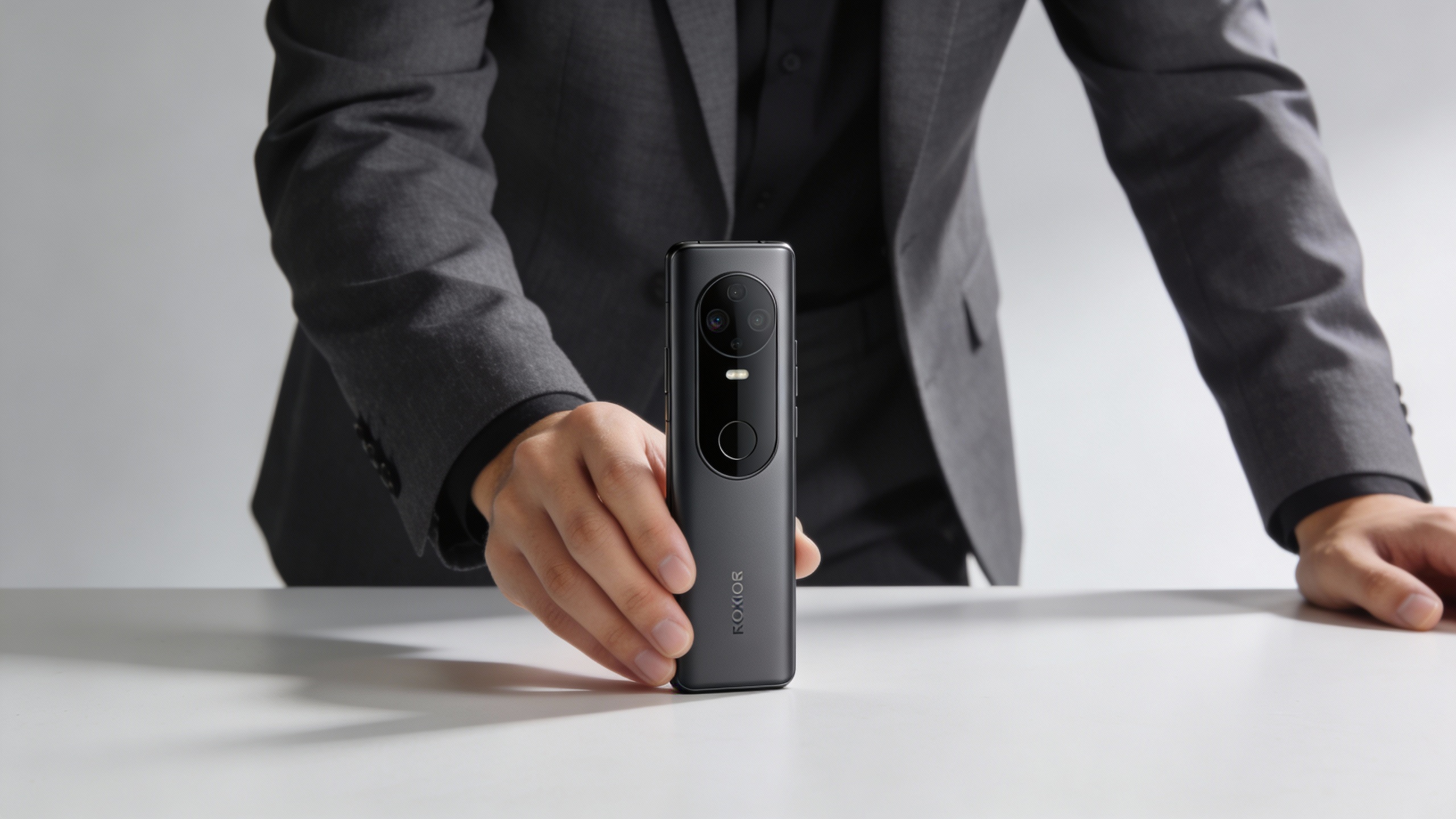
It depends on the stage.
Early drafts → Z-Image Turbo
Final ads / hero visuals → Seedream 4.5
Marketing images don’t just need to look good. They need to feel intentional. That’s where Seedream’s control over lighting and mood becomes valuable.
Which Model Is Better for Social Content?

Again, intent matters.
High volume, fast posting → Z-Image Turbo
Standout posts or thumbnails → Seedream 4.5
Speed wins feeds. Quality wins memory.
What This Comparison Really Shows
This isn’t about which model is “better.”
It’s about realizing that AI image generation is no longer one-size-fits-all.
As tools mature, models specialize. Creators who adapt their workflows — instead of chasing one perfect model — get better results with less frustration.
On BudgetPixel, having both Seedream 4.5 and Z-Image Turbo available isn’t redundancy. It’s flexibility.
Final Thoughts
If you ask:
“Which model should I use?”
The better question is:
“What am I trying to do right now?”
Explore ideas → Z-Image Turbo
Create a finished visual → Seedream 4.5
Once you stop forcing one model to handle every task, AI image generation becomes faster, calmer, and far more reliable.
The best results don’t come from choosing sides.
They come from choosing moments.
Topics




 @EternaSky

 @pikpoo

 @germancowboy

 @DavidP

 @yeah4

 @breljoset
Comments (6)
That makes perfect sense, and I'd come to that conclusion, though based on less thorough thinking. ZIT is faster and cheaper per generation. Once I am happy with the prompt then I am switching to SD or Wan. You explore in terms that seem quite photographic, but I assume those terms translate as well for images intended to have a painted or drawn styling?
Yea. ZIT for POC then SeeDream4.5 for production (pixel scale)
Yea, I think so. ZIT is a good experimental tool.
Absolutely amazing and well-written blog.👍
Sign in to read all 6 comments and add yours.